What the Nenets Bred the Samoyed to Do
Bringing a Samoyed into your life often comes with a host of questions about their unique behaviors, from their vocal "scream" to their endless energy. Many of these traits make so much more sense when you understand the demanding, centuries-old partnership they shared with the Nenets people in the Arctic. This guide will take you deep into the historical roles and daily life of the ancestral Samoyed, revealing how their original purpose shaped the beloved companions we cherish today.
The Ancient Partnership: Samoyeds and the Nenets People
Imagine a world where survival hinged on the strength of your animals and the wisdom of generations. That was, and in some ways still is, the reality for the Nenets people, nomadic reindeer herders of Siberia. The Samoyed dog wasn't just a pet in this harsh environment; it was an indispensable member of the family, intricately woven into every aspect of life. Their relationship was one of mutual dependence, forged in the crucible of extreme cold and constant movement across vast, frozen landscapes.
A Nomadic Life in the Arctic Wilderness
Life for the Nenets has always been defined by movement, following the immense herds of reindeer across the tundra. This isn't a simple stroll; it's a relentless migration spanning hundreds, sometimes thousands, of miles each year. The terrain is unforgiving: deep snow, treacherous ice, and temperatures that can plummet to mind-numbing lows. In such an environment, every living being had to contribute to the collective survival. The dogs, known to us as Samoyeds, were bred for this very existence. They are living, breathing embodiments of resilience, designed by nature and selective breeding to thrive where others would perish. Their thick, insulating coats, their boundless energy, and their instinctual understanding of their human partners were not luxuries, but necessities. If you've ever wondered how a Samoyed can be so comfortable in a snowdrift, it all comes back to these roots.
More Than Just Dogs: Family Members and Survival Partners
It’s easy for us today to think of dogs as companions, but for the Nenets, the Samoyed's role transcended mere companionship. They were truly survival partners. These dogs lived right alongside their human families, often sharing the warmth of the chum (a traditional tent). This close proximity fostered an incredible bond and a deep understanding between dog and human. They were trusted with tasks that directly impacted the family's well-being, from managing the lifeblood reindeer herds to pulling essential supplies. This isn't a distant, aloof working relationship; it's one built on constant interaction, shared hardships, and unwavering loyalty. If your Samoyed follows you from room to room or insists on being underfoot, remember that for centuries, Why a Samoyed Wants to Be in the Room With You was literally a matter of life and death, both for warmth and protection within the tent. Their desire for connection is hardwired.
Herding the Reindeer: The Primary Role
When we think of herding dogs, images of Border Collies swiftly rounding up sheep often come to mind. But the Samoyed's herding style, and the context in which they worked, was vastly different. Their primary role for the Nenets was the careful management of vast reindeer herds, a task requiring a unique blend of intelligence, patience, and a distinctly non-aggressive approach. The Nenets didn't need a dog to bite and drive; they needed one to guide and protect.
Guiding and Protecting the Herd
The Nenets' entire existence revolved around their reindeer. The animals provided food, clothing, shelter, and transportation. Therefore, the Samoyed's role in guiding and protecting these herds was paramount. They didn't simply chase stragglers; they moved the herd in a deliberate, controlled manner across the wide-open tundra, keeping them together during migrations and preventing them from scattering. This meant anticipating the herd's movements, reading the landscape, and working in close concert with their human partners. But it wasn't just about movement; it was also about vigilance. Samoyeds would deter predators like wolves and bears, not necessarily through direct confrontation, but by alerting their human companions to danger and sometimes by their sheer presence. This protective instinct, though adapted to modern life, still exists in many Samoyeds who are quick to alert you to an approaching stranger or an unusual sound outside the house, even if they're not built for aggressive guarding.
The Samoyed's Instinctive Herding Style
Unlike some herding breeds that use intense stares or sharp nips to control livestock, the Samoyed employs a much gentler, broader circling motion. They would range wide around the herd, gathering them and keeping them moving in the desired direction without causing panic or stress. This style is often described as "loose-eyed" herding, relying more on presence and a steady, rhythmic pressure than on direct confrontation. This method was crucial for reindeer, which are large, semi-wild animals easily spooked by aggressive tactics. The Samoyed's natural amiability and intelligence allowed them to build a working relationship with the reindeer, understanding their patterns and subtle cues. If you've ever watched a Samoyed meticulously gather their toys into a pile or gently nudge a wandering child back towards the family, you're seeing echoes of this ancient herding instinct. You might be surprised to learn that The Herding Instinct Nobody Expects From a Samoyed is alive and well in many modern Samoyeds.
A Relationship Built on Trust, Not Force
The unique dynamic between the Samoyed and the reindeer reflected the larger relationship the Nenets had with their environment: one of respect and cooperation, not domination. The dogs were not forced into their roles; they were bred to understand and execute them through inherent instinct and intelligent problem-solving. This meant that training was often more about refining natural abilities than imposing strict commands. The Samoyeds were valued for their ability to think for themselves, to adapt to changing conditions, and to make sound decisions on the vast tundra, often far from direct human supervision. This independent streak is something many Samoyed owners still encounter today—they are intelligent dogs who often ask, "Why?" before complying, preferring to understand the purpose of a task rather than blindly obey. This deep-seated trait stems directly from their ancestral role where initiative and keen observation were prized above all else. How a Samoyed Herded Reindeer truly shaped their thoughtful, yet independent, nature.
Pulling Sleds: Transportation and Utility
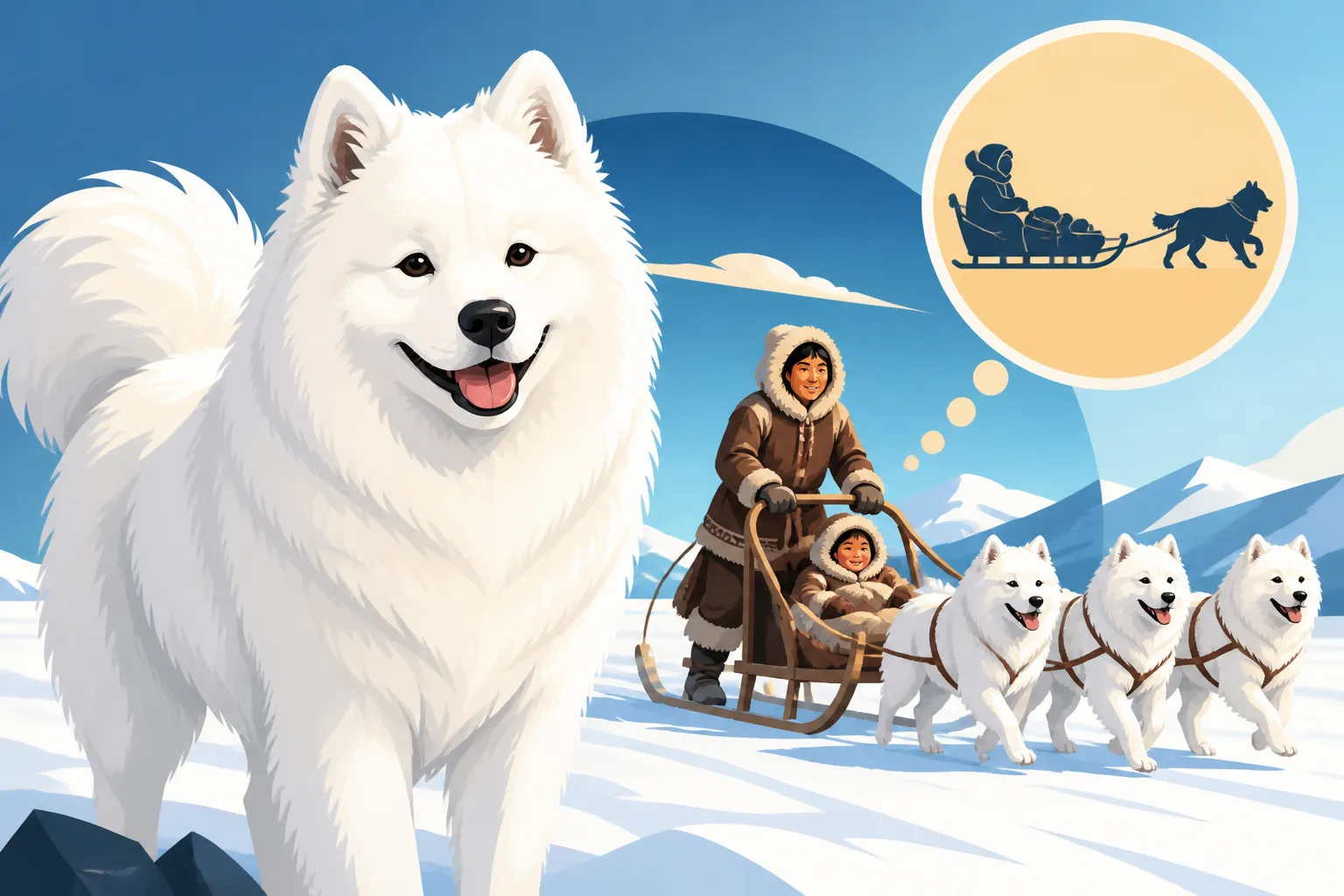
While reindeer herding was arguably their primary purpose, the Samoyed's robust build and incredible stamina also made them invaluable as sled dogs. The ability to pull loads across the frozen expanses of the Where the Samoyed's Yamal Peninsula Is was absolutely critical for a nomadic people, ensuring their survival and mobility. This wasn't about racing; it was about reliable, sustained effort.
Hauling Supplies Across Vast Distances
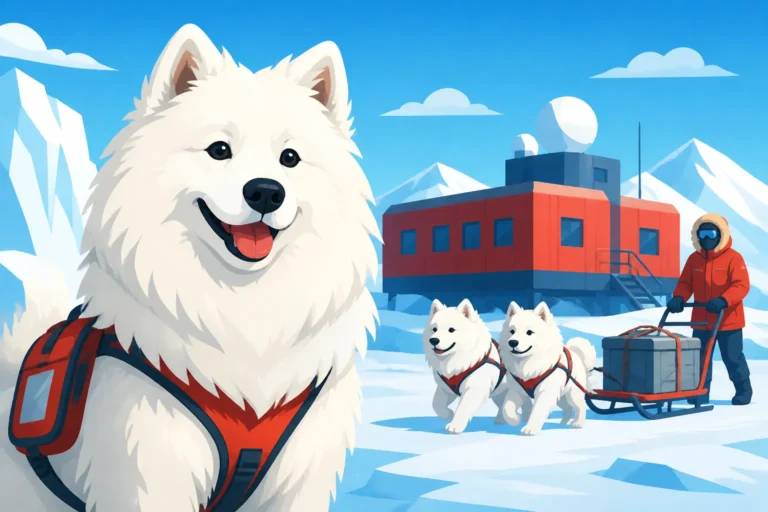
Imagine having to move your entire household—tents, cooking gear, supplies, children—across miles of snow and ice, often with no roads or paths. The Samoyed teams were the trucks and cargo carriers of the Arctic. They pulled sleds laden with all the necessities of life, tirelessly traversing the snow-covered landscape. This meant they needed incredible endurance, strength, and a cooperative temperament to work effectively in a team. The survival of the entire clan literally depended on these dogs' ability to move their goods from one camp to the next. This historical context illuminates why your Samoyed seems to have an endless well of energy and an inherent desire to be active, even if that activity is just pulling you on a leash to the park. Their ancestors were true marathoners of the snow.
The Endurance of the Northern Dog
Samoyeds possess a unique combination of strength and stamina, perfectly adapted for long-distance hauling in frigid conditions. Their powerful musculature, coupled with their dense double coat that provides unparalleled insulation, allowed them to work for hours on end without faltering. They were not built for explosive speed, like some racing sled dogs, but for consistent, steady pulling power. This endurance meant they could cover significant distances each day, often through deep snow or against biting winds. This is why a Samoyed absolutely thrives on exercise and outdoor adventures; it’s a genetic imperative. When they lean into their harness on a walk, it's not always just bad manners; it's Pulling: What a Samoyed Was Actually Bred to Do bubbling to the surface. It's the echo of generations spent pulling sleds with vital cargo.
Adapting to Diverse Terrains and Loads
The Arctic is not a monolithic landscape. It features everything from flat, expansive plains to rolling hills, and frozen rivers to dense patches of tundra brush. The Samoyed sled teams had to be versatile, able to navigate these varying conditions while pulling different types of loads. Sometimes it was a light, fast trip; other times, a heavy, slow trek. Their intelligence allowed them to understand commands and respond to the nuances of the trail. This adaptability also speaks to their inherent desire for mental engagement. A Samoyed isn't just a powerful mover; they are also intelligent problem-solvers. This historical need for versatility means that modern Samoyeds also appreciate variety in their exercise and training, getting bored easily if routines become too monotonous. A brisk walk with an occasional pull on a Chewy brand harness, for instance, might satisfy their instincts more than a simple trot around the block.
| Role | Key Traits Developed | Modern Manifestation |
|---|---|---|
| Reindeer Herder | Intelligence, Patience, "Loose-Eyed" Herding | Gentle nature, "collecting" instincts, independent thought |
| Sled Puller | Endurance, Strength, Work Ethic | High energy, love for exercise, pulling on leash |
| Tent Companion | Affection, Sociability, Alertness | Velcro dog, vocalizations, good with families |
| Camp Guardian | Vigilance, Alert Bark | Quick to alert to visitors, not typically aggressive |
Guardians of the Camp and Companions in the Tent
Beyond their active working roles, Samoyeds were integral to the daily life and social fabric of the Nenets camps. Their presence offered both practical benefits and emotional comfort, proving that their value extended far beyond just herding and pulling. This intimate cohabitation forged a unique temperament that remains a hallmark of the breed today.
Alerting to Danger, Not Aggressively Guarding
While often referred to as "guard dogs" in the historical context, the Samoyed's guarding instinct for the Nenets was primarily about alerting rather than aggressive defense. In the vast, open tundra, an early warning could mean the difference between life and death. Samoyeds would bark and vocalize fiercely at the approach of strangers, wild animals, or any perceived threat, giving the Nenets time to prepare. However, their nature was generally not one of unprovoked aggression. Once the perceived threat was assessed and deemed non-hostile by their human family, a Samoyed would typically revert to its friendly demeanor. This is why your Samoyed might unleash an impressive barrage of vocalizations when the mail carrier approaches, only to then try to "smile" and make friends once they're through the gate. They are excellent alarm systems but generally poor deterrents for a determined intruder. This loud vocalization is often referred to as The Samoyed Scream and Why It Is Not Barking, a trait directly tied to their watchdog origins.
Warmth and Comfort in the Arctic Tents
One of the most remarkable aspects of the Samoyed's historical role was their place within the chum or tent. In an environment where temperatures could drop drastically, these fluffy dogs literally provided warmth. Sharing close quarters with humans helped everyone conserve body heat, especially during the long, dark Arctic nights. The Samoyed Slept in the Tent to Keep People Alive, and this deep physical and emotional proximity fostered an unparalleled bond. This daily intimacy ingrained in the breed an intense need for companionship and inclusion in family life. If your Samoyed insists on sleeping near you, or even on you, they are simply channeling centuries of genetic programming that taught them their place was always within the heart of the family unit, sharing warmth and comfort.
Childminders and Playmates
Given their close living arrangements, Samoyeds naturally interacted extensively with the Nenets children. They served as furry nannies and playmates, patiently enduring the antics of toddlers and entertaining older children. Their gentle and tolerant nature, combined with their watchful eye, made them ideal companions for the youngest members of the tribe. This aspect of their heritage explains why Samoyeds are so often lauded as excellent family dogs, known for their patience and fondness for children. Their playful spirit, often expressed through gentle nudges and an invitation to chase, is a direct link to their past as integral members of a nomadic family where every member, including the dogs, contributed to the well-being and happiness of the community. Finding durable toys on a site like Chewy that can withstand a Samoyed's playful energy is a must for modern owners looking to tap into this playful spirit.
The Legacy of Their Ancestral Tasks in Modern Samoyeds
The jobs the Nenets bred Samoyeds to do didn't just disappear with the shift to modern pet ownership. These roles shaped the very essence of the breed, leaving an indelible mark on their temperament, physical traits, and behavioral quirks. Understanding this legacy helps us appreciate our Samoyeds for who they truly are.
Enduring Instincts: Herding and Pulling Today
Even without reindeer to herd or sleds to pull across the frozen tundra, the ancient instincts of the Samoyed remain strong. Many modern Samoyeds display a distinct "herding" tendency, often trying to gently gather family members, especially children, or keeping everyone in the same room. They might push you forward on a walk if you lag, or try to round up other dogs at the park. Similarly, their love for pulling is evident. A Samoyed on a leash often wants to lead, leaning into the harness with an eagerness that can be startling if you're not prepared for How a Samoyed Pulled a Sled. This isn't naughtiness; it's a deep-seated drive to perform the tasks their ancestors excelled at. Engaging them in activities like canicross, bikejoring, or even simply using a suitable pulling harness for walks can provide an outlet for these strong, genetic predispositions.
The Ever-Present Desire for Companionship
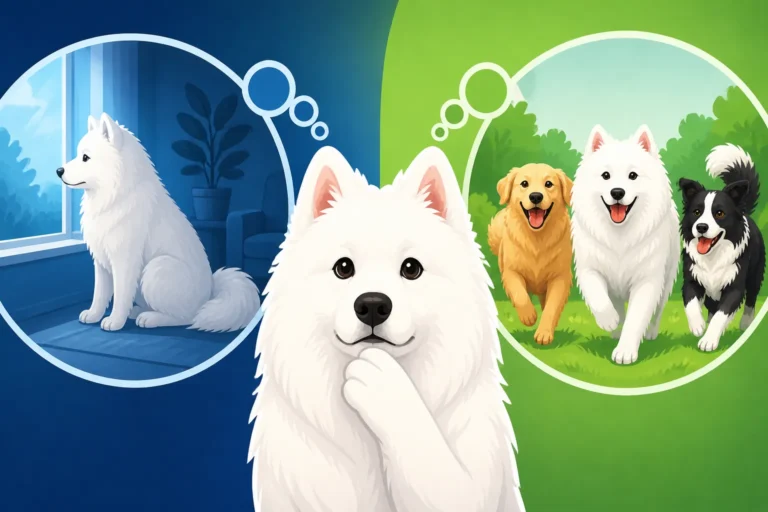
The centuries of living and working in extremely close proximity to their human families have forged a dog that absolutely craves companionship. Samoyeds are not dogs content to be left alone in a backyard; they thrive on interaction and being part of the action. They are, quite literally, "Velcro" dogs who want to be wherever you are, often following you from room to room. This strong bond, born out of mutual survival, translates into a modern dog that can develop separation anxiety if not properly socialized and provided with enough company and enrichment. Their happy "Sammy smile" is often most radiant when they are right by your side, engaged in whatever you are doing. Remember, for their ancestors, constant human contact was the norm, not the exception.
Maintaining the Breed's Heritage Through Activities
For many Samoyed owners, honoring their dog's heritage means engaging them in activities that tap into their natural abilities. Sledding and carting, even recreational versions, are fantastic ways to let a Samoyed do what it was bred to do. Herding instinct tests can be a fascinating way to see their ancestral skills emerge. Beyond these direct links, activities like obedience, agility, and even long hikes or jogs cater to their intelligence, endurance, and desire to work alongside their human partners. Whether it’s a Chewy puzzle toy that challenges their mind or a long walk in the snow, providing outlets for their instincts leads to a happier, more fulfilled Samoyed. Understanding their history isn't just a fun fact; it's a key to unlocking the best possible life for your furry, smiling companion. What a Samoyed Actually Weighs directly impacts their ability to excel in these pulling activities.
Disclaimer
This article is for general informational purposes only and does not constitute professional advice. Laws, prices and regulations vary by location and change over time. Consult a qualified professional for guidance on your specific situation.