How Cold It Gets Where the Samoyed Came From
For those of us who adore our fluffy Samoyeds, it's common to hear advice about keeping them cool in summer, or how they "love the cold." But what does "cold" truly mean when we're talking about a breed that originated in the Siberian Arctic? The truth is, the conditions in their ancestral homeland were far beyond what most of us consider a chilly day, presenting an almost unimaginable environmental challenge that shaped every aspect of this incredible dog. This guide will take you deep into the frosty history of the Samoyed, exploring the extreme temperatures and unique challenges of their original home, the Yamal Peninsula.
The Heart of the Arctic: The Yamal Peninsula's Climate
When we talk about where the Samoyed comes from, we're talking about the Yamal Peninsula, a vast, remote finger of land stretching into the Kara Sea in northwest Siberia. This isn't just "cold"; it's a realm of permafrost, endless tundra, and some of the most brutal winter conditions on Earth. The climate here is classified as subarctic, but that term barely scratches the surface of its intensity. Imagine a landscape where the ground itself is permanently frozen, only thawing superficially for a brief, mosquito-ridden summer.
Unpacking the Extreme Winter Temperatures
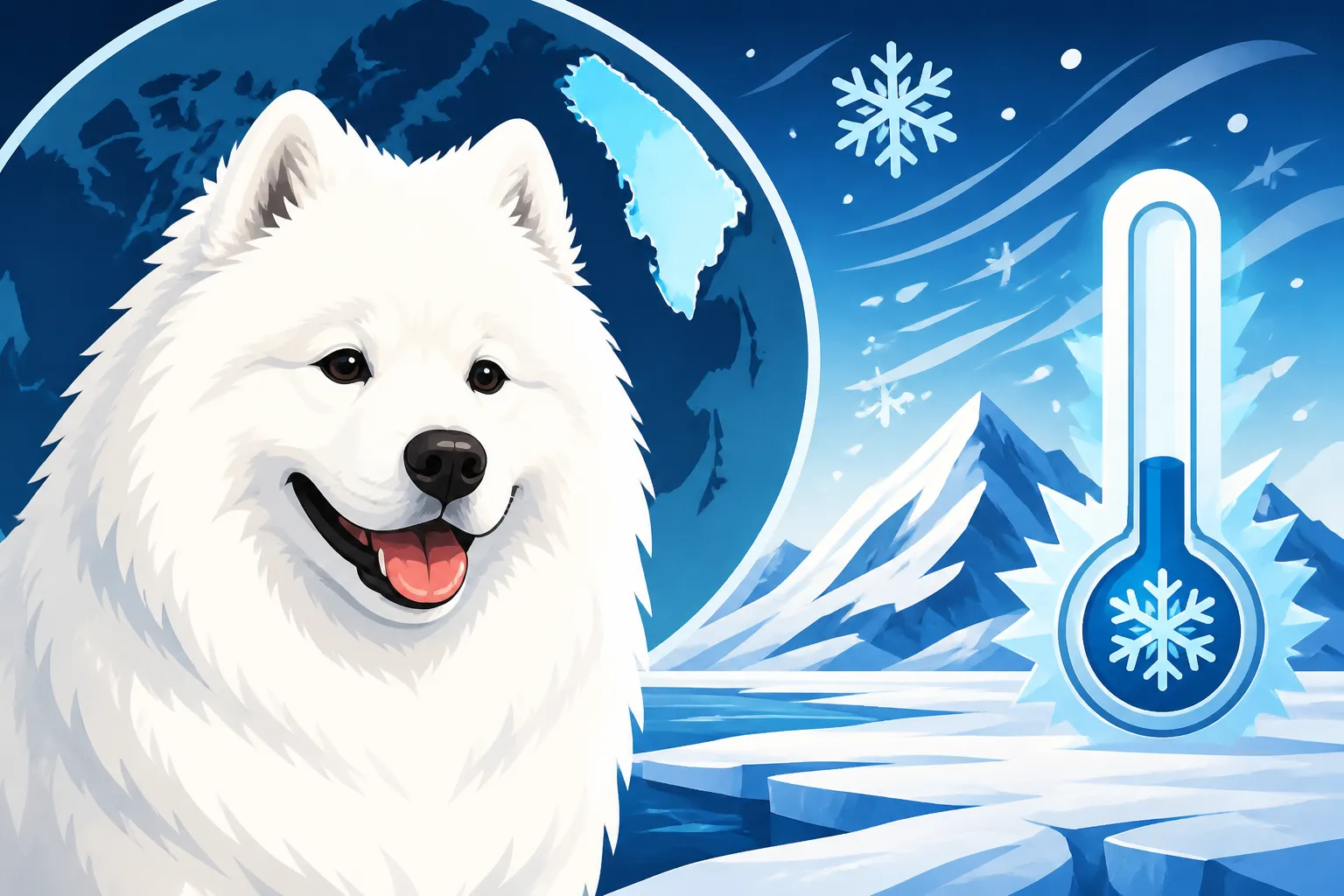
The average winter temperatures on the Yamal Peninsula are enough to make most shiver just thinking about them. While precise numbers can vary depending on the specific location and the whims of any given year, it's not uncommon for temperatures to routinely plummet to -30°C (-22°F) and often much, much lower. We're talking about daily highs that might barely scrape -20°C (-4°F) and overnight lows that can dip to a staggering -50°C (-58°F) or even colder. These aren't freak occurrences; these are the expected conditions for months on end. This extreme cold isn't just a number on a thermometer; it's a pervasive force that impacts every aspect of life, from the air you breathe to the very ground underfoot. Living in such an environment demands extraordinary resilience, not just from the animals but from the people who coexisted with them, like the Nenets.
Beyond the Thermometer: Wind Chill and Blizzards
It's one thing to read a temperature, but it's another entirely to experience it, especially when factoring in the relentless winds that sweep across the open, treeless tundra. The wind chill factor dramatically amplifies the perceived cold, making -30°C feel like -60°C (-76°F) or even colder. These aren't gentle breezes; they're often gale-force winds that can whip snow into blinding blizzards, known as purga in Russian. These whiteouts can last for days, reducing visibility to mere feet and making navigation impossible. For the Samoyeds and their human companions, these conditions were not just uncomfortable; they were life-threatening. A dog lost in such a storm could quickly succumb to hypothermia, making their incredible instincts for navigation and survival even more critical. It’s a testament to the Samoyed's endurance that they not only survived but thrived in this frozen crucible, evolving a physiology and temperament perfectly suited to their demanding home.
Life in the Freezer: Samoyed Adaptations to the Cold
The Samoyed's entire being is a marvel of natural selection, honed by centuries of living in the planet's coldest regions. Every physical trait, every behavioral instinct, is a direct response to the brutal climate of the Yamal Peninsula. It's not just about tolerating the cold; it's about being optimized for it.
The Legendary Double Coat: More Than Just Fluff
Perhaps the most obvious adaptation is their incredible coat. This isn't merely a thick fur; it's a sophisticated insulation system. The Samoyed possesses a dense, woolly undercoat that acts like a down jacket, trapping a layer of warm air close to the body. Over this, they have a longer, coarser outer coat of guard hairs that are resistant to water and snow, forming a protective barrier against moisture and wind. This outer layer also helps shed dirt and ice, keeping the dog clean and dry. A Samoyed's Coat Is Insulation, Not Decoration is an excellent read if you want to dive deeper into this marvel. This dual-layer system is so effective that it can protect them from frostbite in extremities, even in the most extreme sub-zero conditions. Many people mistakenly think a dog's fur is just for warmth, but for a Samoyed, it's a full-body survival suit.
Physiological Marvels: How Their Bodies Beat the Chill
Beyond the coat, the Samoyed has several physiological adaptations that allow them to conserve heat and function in extreme cold. Their blood circulation patterns are adapted to minimize heat loss from exposed areas like their paws, nose, and ears. Their compact, muscular build presents a smaller surface area to the cold compared to lankier breeds, reducing heat radiation. Even their famous "Samoyed smile," the upward curl of their lips, has a practical purpose: it prevents icicles from forming around their mouth, which could be painful and hinder their ability to eat or drink. Why the Samoyed Smiles talks more about this fascinating trait.
Consider their metabolism. These dogs were bred to pull sleds and herd reindeer, demanding immense energy expenditure in frigid temperatures. Their bodies are incredibly efficient at converting food into sustained energy and warmth. A diet rich in protein and healthy fats was historically essential, and even today, a high-quality kibble from a trusted source like Chewy provides the necessary fuel for their active lifestyle, whether they're enduring a harsh winter day or just playing in the snow.
Behavioral Strategies for Survival
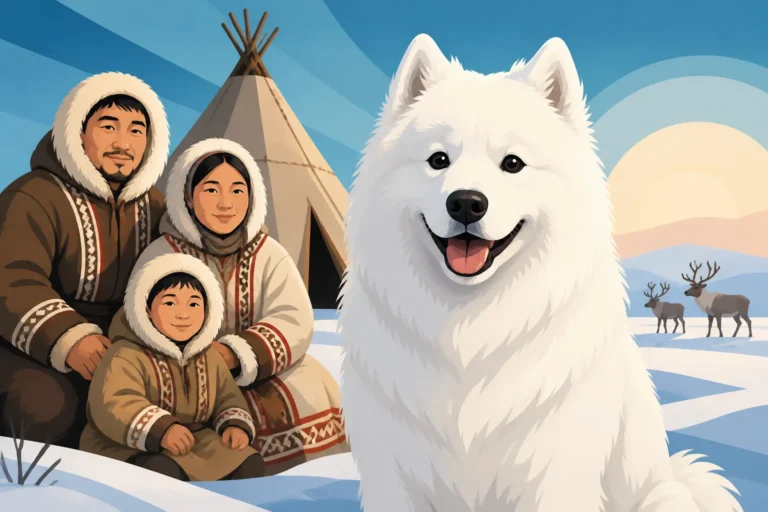
It's not just their bodies; their behavior is also geared towards cold survival. Historically, Samoyeds were vital members of the Nenets families, often sleeping inside the tents with them. This wasn't just for companionship; it was a mutual survival strategy. The dogs provided warmth, and in turn, were protected from the very worst of the wind and snow. This practice also fostered the close bond and desire to be near their human companions that we still see in Samoyeds today. The Samoyed Slept in the Tent to Keep People Alive explains this unique relationship.
When outside, a Samoyed instinctively knows how to seek shelter, curl up to conserve body heat, or even dig a snow den for extra insulation, much like a wolf. They are incredibly hardy and resilient, but their comfort levels in extreme cold are a direct result of these deep-seated evolutionary traits.
Comparing the Cold: Arctic vs. Everyday Winter
It's easy for us in temperate climates to imagine "cold," but the cold of the Yamal Peninsula is on another level entirely. Understanding this difference is crucial for any Samoyed owner, as it informs how we care for these magnificent dogs.
The Scale of "Cold": A Comparison Table
To truly grasp the difference, let's look at a quick comparison. Keep in mind that "average winter day" can still be quite cold for us!
| Factor | Typical Winter Day in a Temperate Climate (e.g., Minneapolis, Chicago) | Yamal Peninsula, Siberia (Samoyed's Ancestral Home) |
|---|---|---|
| Average Winter Temperature | -5°C to -10°C (23°F to 14°F) | -30°C to -40°C (-22°F to -40°F) |
| Extreme Lows | -20°C to -30°C (-4°F to -22°F) | -50°C to -60°C (-58°F to -76°F) |
| Wind Chill Factor | Can make it feel 10-20°C colder | Can make it feel 20-30°C+ colder |
| Snow Depth | Varies, usually manageable | Deep, often meters high, can last for months |
| Daylight Hours | Shorter winter days (8-9 hours) | Polar night (weeks/months of darkness) |
| Ground Condition | Freezes and thaws, snow melts | Permafrost, only surface thaws briefly in summer |
As you can see, the difference isn't just a few degrees; it's a fundamental shift in the entire environment. This table illustrates why their inherent hardiness is so profound.
What Modern Owners Need to Understand
While your Samoyed might revel in a snowstorm that sends you indoors, it's important to remember that they are still domestic animals living in a different world. Their ancestors lived a harsh, active life in truly extreme conditions. This doesn't mean your Samoyed needs to experience -50°C, but it does mean they are built for substantial cold and activity. Providing them with ample outdoor time in cool or cold weather, ensuring they have access to shade and water in warmer months, and understanding their need for a stimulating "job" or exercise are crucial. A Samoyed Built for Sixty Below in an American Summer offers a great perspective on balancing their natural tendencies with modern living.
It's also why you should never, ever shave a Samoyed. Their coat is their primary defense against both extreme cold and heat. Removing it can disrupt their natural insulation and lead to health problems. Why Shaving a Samoyed Makes the Heat Worse explains this in detail. Ensuring they have appropriate nutrition, such as quality food from retailers like Chewy, is also vital to support their energy needs, especially if they are active in colder weather.
The Broader Arctic Environment: More Than Just Temperatures
The extreme cold of the Yamal Peninsula is just one piece of a larger, incredibly challenging puzzle that shaped the Samoyed breed. The environment presents unique conditions that go far beyond what a thermometer can measure.
The Perpetual Winter and Short Summer
The winters are not just cold, they are long, dominating most of the year. Spring and autumn are fleeting transitions, often feeling like extensions of winter. The brief Arctic summer, while offering a respite from the most extreme cold, brings its own set of challenges: swarms of mosquitos and other biting insects, and the relentless "midnight sun" that can disrupt sleep patterns. This constant environmental pressure meant that survival was a year-round endeavor, demanding adaptability from both the Nenets people and their canine companions. The Nenets of the Yamal Peninsula Bred the Samoyed to thrive in this very specific, demanding ecosystem.
Geographical Isolation and Resource Scarcity
The Yamal Peninsula is incredibly isolated. Historically, resources were scarce, and survival depended on the sustainable herding of reindeer, hunting, and fishing. The Samoyed's role was indispensable, aiding in these tasks. This environment fostered a dog that was hardy, resourceful, and capable of working independently while remaining loyal to its human family. They learned to navigate vast, featureless landscapes and tolerate sparse conditions, traits that contribute to their robust health and often strong will. Even today, you might notice your Samoyed has a strong sense of self-preservation and a natural confidence born from generations of navigating challenging terrain.
Understanding the intense, unrelenting cold and the broader environmental context of the Samoyed's origins helps us appreciate these dogs for the resilient, adaptable, and wonderfully unique companions they are. It deepens our respect for their heritage and guides us in providing them with the best possible care in our modern homes. Whether you're considering a new puppy or already share your life with a fluffy friend, recognizing where they truly came from offers invaluable insight into their needs and behaviors. For feeding needs and supplies to support your Samoyed's health in any climate, a reliable online pet retailer like Chewy can be a great resource, offering a variety of food options to keep them well-nourished and active.
Disclaimer
This article is for general informational purposes only and does not constitute professional advice. Laws, prices and regulations vary by location and change over time. Consult a qualified professional for guidance on your specific situation.