Whether a Samoyed Gets Hypothyroidism
It’s a truly frustrating experience when your usually happy-go-lucky Samoyed starts acting a bit… off. You might notice they’re sleeping more, perhaps gaining a little weight despite no change in diet, or their beautiful, fluffy coat just isn't quite as glorious as it once was. It's easy to dismiss these subtle shifts as "just getting older" or a temporary funk, but these could actually be indicators of an underlying health issue. This guide will dive deep into hypothyroidism in Samoyeds, helping you understand the signs, the diagnostic process, and how to manage this common endocrine disorder, so you can help your furry friend get back to their smiling, energetic self.
Understanding Hypothyroidism in Samoyeds
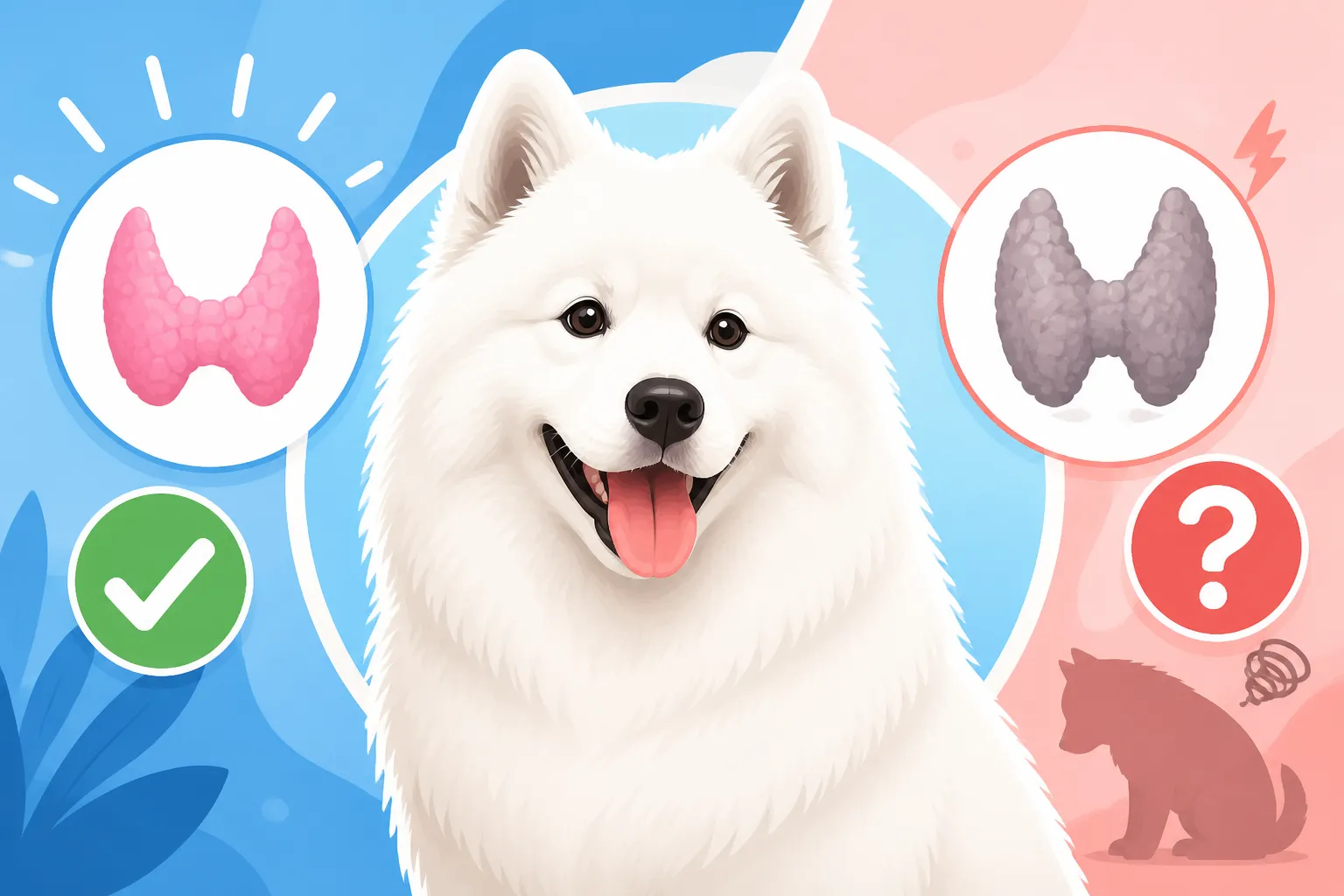
Hypothyroidism, in the simplest terms, is when your dog’s thyroid gland doesn’t produce enough thyroid hormones. These hormones are absolutely crucial; they regulate metabolism, affecting everything from energy levels to skin health, coat quality, and even body temperature. When the system slows down due to insufficient hormone production, a whole cascade of changes can occur in your beloved Samoyed. It's not just about being a little tired; it's a fundamental disruption to their body's rhythm.
What Exactly Is Hypothyroidism?
To get a bit more technical without sounding like a textbook, hypothyroidism is predominantly caused by an autoimmune condition called lymphocytic thyroiditis, or sometimes by idiopathic thyroid atrophy. In lymphocytic thyroiditis, the body's own immune system mistakenly attacks and destroys the thyroid gland over time. It’s like the body’s defense system gets confused and targets a vital organ. Idiopathic thyroid atrophy is a bit more of a mystery – the thyroid gland simply wastes away for unknown reasons. Regardless of the exact cause, the outcome is the same: a thyroid gland that cannot produce the necessary levels of T4 (thyroxine) and T3 (triiodothyronine) hormones.
These hormones are the unsung heroes of energy regulation. They tell every cell in the body how fast to work. When hormone levels drop, cells don't get the "go" signal, and everything from digestion to hair growth to heart rate can slow down. It’s a systemic issue, which is why the symptoms are so varied and can be easily attributed to other things. For a Samoyed, whose ancestors thrived in cold climates and needed a robust metabolism, this can be particularly impactful on their overall well-being.
Why Are Samoyeds Potentially Predisposed?
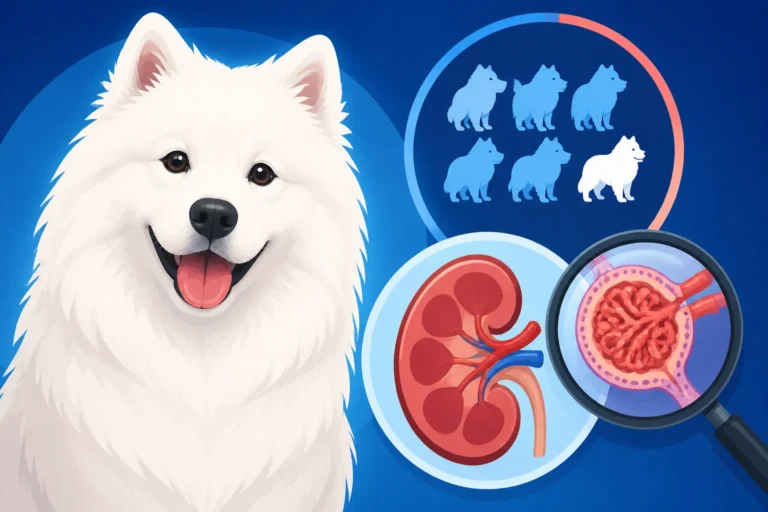
The question of why certain breeds are more prone to specific conditions is always a big one, and with hypothyroidism, genetics certainly plays a role. Samoyeds are, unfortunately, on the list of breeds considered predisposed to hypothyroidism. This predisposition is largely thought to be genetic, linked to the autoimmune form of the disease (lymphocytic thyroiditis). It's not a simple one-gene inheritance, but rather a complex interplay of multiple genes that increase the risk.
This genetic component means that if your Samoyed comes from a line where hypothyroidism has been prevalent, their risk might be higher. Responsible breeders will often track health issues within their lines, including thyroid function, though it can be tricky since the disease often manifests in middle age. It highlights the importance of asking about the health history of a puppy's parents and grandparents, as well as considering The Health Tests Both Samoyed Parents Should Have. Knowing the potential risks empowers you to be more vigilant in monitoring your dog's health as they age.
The Endocrine System and Thyroid Function Basics
Understanding a little about the endocrine system helps clarify why the thyroid is such a big deal. The endocrine system is a network of glands that produce and release hormones that control many important body functions, including growth, metabolism, and reproduction. Think of it as the body’s internal communication system, sending messages via hormones through the bloodstream.
The thyroid gland, located in the neck, is a key player. It's controlled by the pituitary gland in the brain, which releases Thyroid Stimulating Hormone (TSH). TSH tells the thyroid to produce T4 and T3. If the thyroid isn't working properly, even if the pituitary is screaming "produce more!", the thyroid just can't deliver. This delicate balance ensures that your Samoyed's body functions optimally. When it’s off, the effects can be widespread, impacting everything from their playful demeanor to the quality of their magnificent coat.
Recognizing the Subtle Signs of Hypothyroidism in Your Samoyed
One of the biggest challenges with hypothyroidism in Samoyeds, and frankly, in many dogs, is that the signs can be incredibly subtle at first. They creep up gradually, often mimicking other conditions or just the natural slowing down of aging. And let’s be honest, Samoyeds are often so stoic and good-natured that they can be masters at hiding discomfort or illness, making it even harder for us, their devoted owners, to notice something is truly amiss. This is why paying close attention to any changes, no matter how minor, is so important. As we often observe, How a Samoyed Hides Illness Behind a Smile is a testament to their resilient nature.
Common Symptoms to Watch For
When thyroid hormone levels are low, the metabolic rate slows down across the entire body. This manifests in a range of symptoms, and you might not see all of them at once.
- Lethargy and Decreased Activity: This is one of the most common and often earliest signs. Your normally playful Samoyed might seem less enthusiastic about walks, less interested in games, and generally sleepier. They might not be running to greet you at the door with the same vigor. You might just think they’re getting lazy, but it’s more than that – their body literally doesn’t have the energy.
- Weight Gain: Despite no change in diet or even with a reduced appetite, a hypothyroid Samoyed can start putting on weight. This isn't just a bit of extra fluff; it’s a consequence of a slower metabolism. The body isn't burning calories efficiently, leading to fat accumulation. It can be hard to notice under that thick Samoyed coat, but feeling their ribs can give you a clue.
- Coat and Skin Changes: This is where Samoyed owners often notice issues. You might see a dull, dry, brittle coat, excessive shedding, or even areas of hair loss, particularly on the flanks, chest, or tail, in a symmetrical pattern. The coat might feel coarse, and their beautiful white fur could become dingy. Some Samoyeds develop a "rat tail" where the hair on the tail thins dramatically. Their skin can also become dry, flaky, and prone to infections, leading to itching. This is often described as Signs a Samoyed's Thyroid Has Failed and can be really disheartening to witness. Specifically, Whether a Samoyed's Coat Thins With Thyroid Disease is a question many owners ponder when they notice changes.
- Temperature Sensitivity: Hypothyroid dogs can become intolerant to cold, seeking out warm spots more frequently. While Samoyeds are built for cold, an adult seeking out warmth more than usual could be a subtle sign.
- Other Potential Signs: Less commonly, you might notice a slower heart rate, a tragic facial expression (sometimes called a "tragic face" due to puffiness around the eyes), or even neurological issues like seizures or balance problems in severe, long-standing cases.
Behavioral Shifts That Could Signal Trouble
Beyond the physical signs, subtle changes in your Samoyed’s temperament and behavior can also be red flags. These are often the hardest to pinpoint because they can be attributed to so many things.
- Increased Irritability or Aggression: While Samoyeds are generally known for their friendly dispositions, a dog that isn’t feeling well due to a systemic issue like hypothyroidism might become more irritable. They might have less patience with children or other pets, snap more easily, or show signs of anxiety. It's a symptom born of feeling unwell, not a true personality change.
- Mental Dullness: You might notice your Samoyed seems less sharp, a bit disoriented, or just "off." They might respond slower to commands, appear less engaged in their surroundings, or seem generally lethargic mentally, not just physically. This can be particularly concerning because it feels like they’re losing a part of their personality.
- Seeking Solitude: A dog that normally thrives on human interaction might start to withdraw, preferring to be alone. This isn’t typical Samoyed behavior, which usually includes following you from room to room. When your social butterfly starts isolating themselves, it’s a big hint that something is wrong. Remember, these lovely dogs rarely Whether a Samoyed Complains When It Hurts overtly, so any change in their social patterns needs attention.
Why Hypothyroid Signs Are Often Missed or Misinterpreted
The insidiousness of hypothyroidism lies in how its symptoms can be so easily brushed off. For many Samoyed owners, seeing their dog gain weight or slow down might just be attributed to them getting older. After all, Caring for a Samoyed Past Nine often involves accepting a slower pace and some natural changes. However, it's critical to distinguish between normal aging and a treatable medical condition.
Furthermore, some symptoms, like skin issues or lethargy, can overlap with other health problems such as allergies, joint pain, or even heart conditions. This is where your veterinarian's expertise, combined with your detailed observations, becomes invaluable. Because Samoyeds are so fluffy, weight gain can be hidden until it's significant, and a dull coat might be attributed to grooming needs rather than internal health. This is why proactive health monitoring, including discussions with your vet about any minor changes, is paramount to catching hypothyroidism early.
Diagnosing Hypothyroidism: The Vet Visit and Tests
So, you've noticed some changes in your Samoyed – perhaps the lethargy, the thinning coat, or the subtle shift in personality. Your next step, and arguably the most crucial one, is a visit to your trusted veterinarian. Don't put it off! Catching and treating hypothyroidism early can make a world of difference in your Samoyed's quality of life. The diagnostic process isn't always a straight line, but a good vet will guide you through it carefully.
The Initial Veterinary Consultation
When you bring your Samoyed in, your vet will start with a thorough history taking. This is your chance to really lay out everything you've observed, even the things that seem minor or unrelated. Think about:
- Duration of symptoms: When did you first notice changes? Were they sudden or gradual?
- Progression: Have the symptoms gotten worse over time, or have they stayed consistent?
- Changes in appetite, thirst, and urination: While not primary hypothyroid signs, these are important general health indicators.
- Exercise tolerance: How much can your Samoyed do now compared to before?
- Any other health issues or medications: A complete picture helps rule out other possibilities.
After the conversation, your vet will perform a comprehensive physical examination. They’ll be looking for classic signs like a dull coat, dry or flaky skin, areas of hair loss, changes in body condition (feeling for those ribs under the fluff!), and assessing their general demeanor and energy levels. They might also palpate the neck area where the thyroid glands are located, though the glands themselves are usually too small to feel unless abnormally enlarged.
Blood Tests: The Definitive Step
Once your vet suspects hypothyroidism, blood tests are the next, definitive step. There isn't just one magic test; a full thyroid panel is usually recommended to get the most accurate picture.
- Total T4 (TT4): This measures the total amount of thyroxine (T4) circulating in your Samoyed’s blood. A low TT4 is a strong indicator, but it can also be affected by non-thyroidal illnesses ("euthyroid sick syndrome") or certain medications (like steroids or some NSAIDs). So, a low TT4 isn't always a slam dunk for hypothyroidism on its own.
- Free T4 (fT4): This measures the amount of unbound T4 hormone, which is the biologically active form. It's often considered a more reliable indicator than TT4 because it's less affected by other illnesses or medications. A low fT4, especially in conjunction with a low TT4, is highly suggestive of hypothyroidism.
- Thyroid-Stimulating Hormone (TSH): This hormone is produced by the pituitary gland to stimulate the thyroid. In primary hypothyroidism (the most common type), the thyroid gland isn't responding, so the pituitary tries to compensate by pumping out more TSH. Therefore, a high TSH level, coupled with low T4 and fT4, is usually the strongest confirmation of hypothyroidism.
- Thyroglobulin Autoantibodies (TgAA): This test checks for the presence of antibodies that attack the thyroid gland. A positive result indicates lymphocytic thyroiditis, the autoimmune form of hypothyroidism. This test is particularly important for breeds like Samoyeds that have a genetic predisposition to this condition. It tells you why the thyroid isn't working.
Your vet may also recommend a general blood panel (complete blood count and chemistry panel) to assess overall organ function and rule out other underlying conditions. For instance, sometimes a dog with hypothyroidism might also have elevated cholesterol levels, a common finding with a slowed metabolism.
Interpreting Results: Navigating the Nuances
Interpreting thyroid results, especially in Samoyeds, can sometimes be nuanced. Factors like time of day, stress, and other health conditions can influence levels. A single borderline low T4 might not be enough to diagnose. This is why a full panel, considering all parameters together with clinical signs, is crucial. Your vet might even recommend retesting after a few weeks or referring to a veterinary internal medicine specialist if the results are ambiguous or complicated by other health issues.
It's important not to self-diagnose or try to interpret online charts alone. Trust your vet to put all the pieces of the puzzle together – the clinical signs you've observed, the physical exam findings, and the detailed blood test results – to arrive at an accurate diagnosis for your unique Samoyed. This comprehensive approach ensures that if your Samoyed does indeed have hypothyroidism, they get the correct and timely treatment they deserve.
Managing Hypothyroidism: Treatment and Long-Term Care
Receiving a diagnosis of hypothyroidism can feel overwhelming at first, but the good news is that it’s generally a very manageable condition. It doesn’t mean a severely compromised life for your Samoyed; it means they need a little help to get their internal systems back on track. The cornerstone of treatment is usually lifelong medication, combined with regular monitoring and some lifestyle adjustments.
Medication: The Lifeline for Your Samoyed
The primary treatment for hypothyroidism is hormone replacement therapy, specifically with a synthetic thyroid hormone called levothyroxine. This medication essentially replaces the T4 hormone that your Samoyed's thyroid gland is no longer producing sufficiently.
- How it works: Levothyroxine is administered orally, typically once or twice a day. It's absorbed and then converted by the body into the active T3 hormone, kickstarting their metabolism back to a healthy pace.
- Starting Dosage: Your vet will determine an initial dosage based on your Samoyed's weight and the severity of their symptoms. It’s crucial to follow these instructions precisely. Don't adjust the dose yourself, even if you think you're seeing improvement or not enough improvement. Consistency is key with this medication.
- Patience is a Virtue: While some owners might notice improvements in energy levels within a week or two, other symptoms, especially coat regrowth and skin health, can take months to show significant change. It's a gradual process, and patience is definitely required. The goal is to slowly bring their system back into balance, not to shock it.
Dosage and Monitoring: Staying on Track
Treatment for hypothyroidism is not a one-and-done deal. It requires careful monitoring to ensure your Samoyed is receiving the correct dose and that their thyroid levels are within the optimal range.
- Recheck Blood Work: Typically, your vet will schedule a recheck blood test 4-8 weeks after starting medication or after any dosage adjustment. This blood work will assess how well the levothyroxine is being absorbed and utilized, and whether T4 and TSH levels are normalizing. It's usually recommended that this blood sample be taken about 4-6 hours after your Samoyed receives their morning dose of medication, as this measures the peak level of the drug in their system, ensuring it's reaching therapeutic levels.
- Ongoing Monitoring: Once your Samoyed is stable on a maintenance dose, blood work for thyroid levels will likely be recommended every 6-12 months. This is vital because a dog's needs can change over time, and ensuring the correct dosage means preventing both under-dosing (leading to recurring symptoms) and over-dosing (which can cause other issues like anxiety, weight loss, and heart problems). This routine monitoring is why Whether a Samoyed Needs Yearly Thyroid Bloodwork becomes a standard part of their preventative care.
- Observational Monitoring: Beyond the blood tests, your observations at home are paramount. Keep a journal of your Samoyed's energy levels, appetite, weight, coat quality, and any behavioral changes. This information helps your vet fine-tune the treatment plan.
Dietary Considerations
While a specific "hypothyroid diet" isn't usually required, a balanced, high-quality dog food is always beneficial. Some considerations include:
- Weight Management: Since weight gain is a common symptom, once medication starts, your Samoyed's metabolism should normalize. However, ensuring they're on an appropriate calorie-controlled diet and getting enough exercise is important to shed any excess weight gained during the hypothyroid phase. Your vet can help you calculate the right caloric intake.
- Avoid Soy: Some sources suggest that soy can interfere with thyroid hormone absorption or function in some dogs. While research is mixed and more studies are needed, if your Samoyed's food contains significant amounts of soy, it's worth discussing with your vet if a change to a soy-free diet might be beneficial, especially if their levels aren't normalizing easily.
- Supplements: Generally, if your Samoyed is on levothyroxine, additional thyroid-boosting supplements are unnecessary and can even be counterproductive, potentially throwing off their carefully balanced hormone levels. Always clear any supplements with your vet first.
Prognosis and Quality of Life
The prognosis for Samoyeds with hypothyroidism is excellent with proper treatment. Once stable on medication, most dogs go on to live a normal lifespan with a good quality of life, often seeing a complete reversal of symptoms. They regain their energy, their coats become lustrous again, and their cheerful personalities return. It’s truly rewarding to see them bounce back! It's a journey, but a manageable one that ensures your Samoyed continues to be the happy, fluffy companion you know and love.
Living with a Hypothyroid Samoyed: Everyday Considerations
Adjusting to life with a Samoyed diagnosed with hypothyroidism doesn't have to be daunting. With proper treatment, many of the challenges will diminish, but there are still everyday considerations that can help ensure your furry friend thrives. It’s all about maintaining consistency and understanding their evolving needs, especially as they age.
Exercise Adjustments and Maintaining an Active Lifestyle
Before diagnosis and treatment, your hypothyroid Samoyed might have been lethargic and less interested in activity. Once they start on levothyroxine, you’ll likely see a significant boost in their energy levels. This is fantastic, but it's important to build back up to a robust exercise routine gradually.
- Gradual Increase: Don't go from couch potato to marathon runner overnight. Start with shorter, more frequent walks and slowly increase duration and intensity as your Samoyed's stamina improves. This helps prevent injury and allows their body to re-adapt to being active.
- Consistent Activity: Samoyeds are active dogs by nature. Once their energy returns, regular exercise is crucial not only for their physical health but also for their mental well-being. This can include daily walks, play sessions in the yard, or even exploring dog parks (if appropriate for your individual dog).
- Weight Management: Consistent exercise, combined with a proper diet, will be essential for managing any weight gained due to the slower metabolism. Keeping them at a healthy weight prevents additional strain on their joints and reduces the risk of other health issues, such as diabetes.
Grooming Challenges and Coat Care
The Samoyed's iconic double coat is one of their most defining features, and it's often significantly affected by hypothyroidism. After diagnosis and starting medication, you'll likely see improvements, but special attention will still be needed.
- Patience with Regrowth: Hair regrowth can be slow. It might take several months, or even a year, for their coat to return to its full glory. Don’t get discouraged if you don’t see immediate results.
- Regular Brushing: Continue your regular brushing routine to prevent matting, especially during a coat blow. A force dryer can also be a valuable tool to ensure their dense undercoat is thoroughly dry after baths and to help with shedding, which can be intense.
- Skin Health: If your Samoyed had secondary skin infections due to hypothyroidism, ensure you follow through with any prescribed treatments from your vet. Continue to monitor their skin for dryness, flakiness, or any new hot spots. A good quality shampoo and conditioner designed for sensitive skin might be beneficial. Remember, Whether a Samoyed's Coat Thins With Thyroid Disease is a common concern for owners, and diligent care can help.
Temperature Sensitivity
While Samoyeds are built for cold weather, a hypothyroid dog, even when treated, might have some lingering temperature sensitivities.
- Cold Intolerance: Before treatment, they might have been noticeably cold-intolerant. As their metabolism normalizes, this should improve. However, always ensure they have a warm, comfortable place to rest, especially in colder climates or during winter.
- Heat Management: Conversely, their thick double coat always makes them susceptible to overheating in warmer weather. Ensure they have access to plenty of fresh water, shade, and air conditioning during hot months. Never leave a Samoyed unattended in a car, even on mild days.
Financial Aspects and Insurance Considerations
Dealing with a chronic condition like hypothyroidism does come with ongoing costs, mainly related to medication and regular vet check-ups. It's realistic to acknowledge these financial implications.
- Medication Costs: Levothyroxine is generally affordable, but it is a lifelong medication. Costs can vary depending on your Samoyed's dosage and the pharmacy (veterinary or human pharmacy) you use.
- Monitoring Costs: The routine blood work for monitoring thyroid levels will be an ongoing expense. These rechecks are critical for your Samoyed's well-being. This contributes to What a Samoyed's Vet Bills Look Like over the years.
- Pet Insurance: If you have pet insurance, it’s essential to understand what is covered. Most policies consider hypothyroidism a pre-existing condition if diagnosed before or within a waiting period, meaning it likely won't be covered if already diagnosed. However, if your Samoyed was insured before diagnosis, or if you're looking at insuring a puppy, understanding the coverage for chronic conditions is vital. Companies like Healthy Paws are known for their comprehensive coverage, but always read the fine print regarding chronic and hereditary conditions. While insurance may not cover everything for an already diagnosed condition, having it for other unexpected health issues can be a lifesaver. It’s always worth investigating What Insuring a Samoyed Costs Monthly and what those policies actually cover.
Living with a hypothyroid Samoyed means being a vigilant and consistent caregiver. With routine vet visits, consistent medication, and your loving attention to their needs, your Samoyed can continue to lead a full, happy, and active life.
Preventative Measures and Breeder Responsibilities
When it comes to hypothyroidism in Samoyeds, prevention is a complex topic. Since a significant portion of cases are due to autoimmune lymphocytic thyroiditis, which has a genetic component, truly "preventing" it entirely is difficult. However, there are proactive steps that responsible breeders and diligent owners can take to minimize risk and ensure early detection.
Is It Preventable? The Role of Genetics
Given the strong genetic link, particularly for the autoimmune form, completely preventing hypothyroidism is challenging if a dog carries the predisposed genes. It's not like preventing a flea infestation; it's an internal, inherited susceptibility.
- Genetic Complexity: Unlike some single-gene diseases, hypothyroidism is polygenic, meaning multiple genes contribute to the risk. This makes it difficult to pinpoint specific "hypothyroid genes" to test for directly.
- Breeding Strategies: The goal for responsible breeders isn't necessarily to "breed out" all potential risk, which would severely limit the gene pool, but rather to minimize the incidence. This involves careful selection of breeding stock based on health testing and family history.
What Breeders Should Do
Responsible breeding practices are paramount in managing the prevalence of inherited conditions like hypothyroidism within the Samoyed breed.
- Thyroid Testing of Breeding Stock: Reputable breeders should routinely test their breeding Samoyeds for thyroid function. This means performing a full thyroid panel (TT4, fT4, TSH, and TgAA) on prospective parents. Dogs with abnormal thyroid values, especially those with positive TgAA results indicating autoimmune thyroiditis, should ideally not be used for breeding. While a positive TgAA doesn't mean a dog is hypothyroid now, it indicates they have the autoimmune disease and are at risk of developing clinical hypothyroidism later, and can pass on the genetic predisposition.
- Tracking Pedigree Health: Breeders should also be transparent and track the incidence of hypothyroidism in the pedigrees of their dogs. If a particular line consistently produces hypothyroid offspring, it suggests a strong genetic predisposition that should be carefully managed. This aligns with a broader effort for The Push to Breed Healthier Samoyeds.
- Open Communication: A good breeder will be open about health testing results and discuss any known instances of hypothyroidism in their lines. They should provide health guarantees that address such conditions, though it's important to understand the limitations of any guarantee. When considering a puppy, ask directly about thyroid health in the parents and grandparents, as part of your overall inquiry into The Health Tests Both Samoyed Parents Should Have.
Importance of Regular Vet Check-Ups for Owners
Even if your Samoyed comes from meticulously health-tested lines, vigilance as an owner is still incredibly important. Regular veterinary check-ups are your first line of defense.
- Baseline Health: Establishing a good baseline of your Samoyed’s health from puppyhood, including annual physical exams and routine blood work as they mature, helps your vet identify changes more easily.
- Early Detection: Because symptoms can be subtle and mimic other conditions, annual check-ups provide an opportunity for your vet to assess your Samoyed's overall health and discuss any changes you've observed. Early detection of hypothyroidism allows for prompt treatment, preventing the condition from progressing and causing more severe symptoms. As we've discussed, Whether a Samoyed Needs Yearly Thyroid Bloodwork becomes a routine recommendation, especially for predisposed breeds or those nearing middle age.
- Discussing Concerns: Never hesitate to bring up any concerns, no matter how minor, with your vet. A slightly duller coat, a little less enthusiasm on walks, or even a subtle weight creep are all valid points for discussion. Your vet is there to help distinguish between normal aging and a treatable medical condition.
While we can't completely prevent all cases of hypothyroidism in Samoyeds, a combination of responsible breeding practices and attentive, proactive ownership significantly improves the chances of a healthy, happy life for these wonderful dogs.
| Symptom Category | Common Hypothyroid Signs | Potential Overlapping Conditions (for Misinterpretation) | Importance for Samoyed Owners |
|---|---|---|---|
| Energy & Activity | Lethargy, increased sleeping, reduced interest in play or walks | Normal aging, arthritis, heart disease, other chronic illnesses | Often first noticeable sign; easy to dismiss as "getting old" |
| Weight & Metabolism | Weight gain despite no diet change or reduced appetite, obesity | Overfeeding, lack of exercise, Cushing's disease, other metabolic issues | Weight gain can be hidden by thick coat; monitoring body condition is crucial |
| Coat & Skin | Dry, dull, brittle coat, symmetrical hair loss (flanks, tail), "rat tail," recurrent skin infections, flaky skin | Allergies, grooming neglect, parasites, other endocrine disorders (e.g., Cushing's) | Highly visible impact on Samoyed's signature feature; requires careful observation |
| Behavioral | Mental dullness, irritability, seeking solitude, anxiety | Normal aging (cognitive dysfunction), pain, vision/hearing loss, other neurological issues | Subtle changes often overlooked, but significant for a Samoyed's personality |
| Temperature | Cold intolerance (seeking warmth) | Joint pain (reducing movement), general malaise | Less obvious in Samoyeds built for cold, but still a possible indicator |
Disclaimer
This article is intended for informational purposes only and does not constitute medical advice. Always consult with a qualified veterinarian for any health concerns or before making any decisions related to your Samoyed's health and treatment. Individual situations may vary, and only a veterinary professional can provide an accurate diagnosis and personalized treatment plan.