How Common Hip Dysplasia Is in Samoyeds
It’s a heartbreaking worry for any Samoyed owner: that sudden limp, the reluctance to jump, or the tell-tale "bunny hop" that signals something might be amiss with their beloved cloud of fluff. Hip dysplasia is a common, often debilitating, orthopedic condition that can steal a dog's joy and mobility, leaving us feeling helpless. This comprehensive guide will delve into just how prevalent hip dysplasia is in Samoyeds, what factors contribute to it, and how you can best support your furry family member through prevention and management.
The Frustration of Hip Dysplasia in Samoyeds: What Every Owner Fears
When you bring a Samoyed puppy home, you envision years of joyful romps, snowy adventures, and endless cuddles. The thought of them suffering from a painful joint condition is truly devastating, and yet, hip dysplasia lurks as a genuine concern for many purebred dogs, Samoyeds included. It’s a condition that can manifest in various degrees, from a mild discomfort to severe, crippling pain, making simple activities like walking or playing a chore rather than a pleasure. The frustration often comes from knowing that despite our best efforts, genetics play a significant role, but also from the feeling that we might have missed early signs or could have done something more.
What Exactly Is Hip Dysplasia in Our Fluffy Friends?
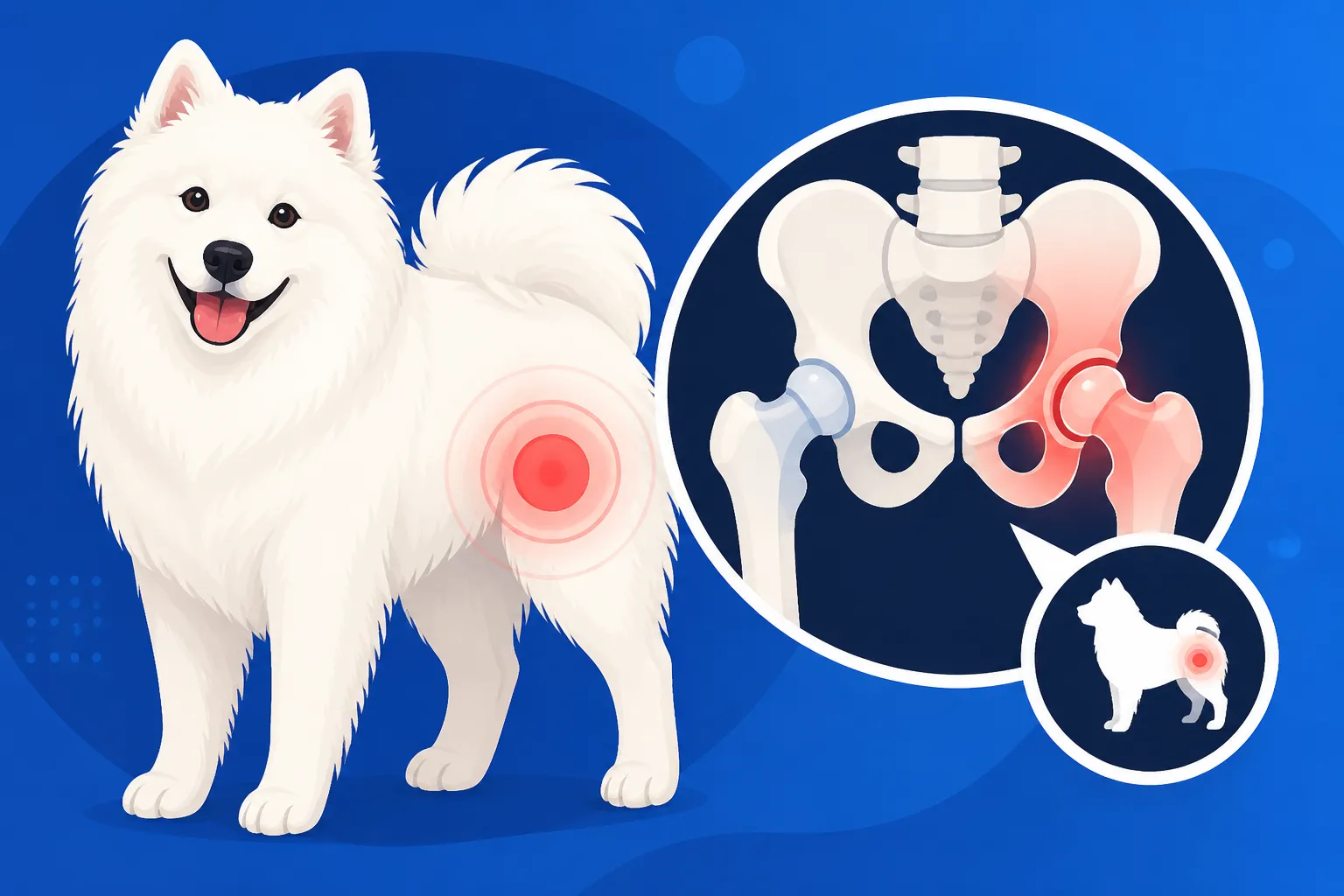
At its core, hip dysplasia is a malformation of the hip joint. Think of a normal hip as a perfectly fitting ball-and-socket joint – the "ball" (the head of the femur, or thigh bone) sits snugly within the "socket" (the acetabulum, part of the pelvis). In a dog with hip dysplasia, this fit isn't quite right. The socket might be too shallow, the ball might be flattened, or the ligaments holding them together could be loose. This poor fit leads to instability in the joint, causing the two bones to rub and grind against each other instead of gliding smoothly. Over time, this abnormal movement wears down the cartilage, causes inflammation, and leads to the development of painful degenerative joint disease, or osteoarthritis.
It's not just a "big dog" problem, though larger, faster-growing breeds like Samoyeds are certainly more prone. Genetics are a massive piece of the puzzle; a dog inherits a predisposition for hip dysplasia from its parents. However, environmental factors during growth, such as rapid weight gain, excessive or inappropriate exercise, and even diet, can exacerbate the genetic tendency. It's a cruel combination where a dog born with the genetic blueprint for bad hips can have their condition worsened by external factors, leading to a much earlier onset or more severe presentation of symptoms. This interplay makes it particularly challenging for owners and breeders to navigate.
Why Samoyeds Face a Higher Risk
Samoyeds, with their robust build and history as working sled dogs, are unfortunately among the breeds susceptible to hip dysplasia. Their genetics are certainly a primary factor. Like many larger, faster-growing breeds, they have been identified through breed health surveys and orthopedic screening programs as having a notable incidence. This isn't to say every Samoyed will develop it, but the genetic lineage within the breed means the genes for hip dysplasia are present in the population.
Beyond genetics, the way a Samoyed puppy grows and develops can also influence whether a genetic predisposition becomes a full-blown clinical problem. For example, puppies that grow too quickly, often due to high-calorie diets or excessive protein, can put undue stress on developing joints. Similarly, intense, high-impact exercise before their growth plates have closed – activities like jumping off high surfaces, long runs on pavement, or repetitive stair climbing – can aggravate a genetically weaker hip joint. It’s a delicate balance for such an active and playful breed, especially as a young dog. We want them to be happy and active, but we also have to protect their delicate developing skeletons. This is why careful management of a growing Samoyed puppy's activity level and nutrition is so critical, something many experienced Samoyed owners attest to. For more on protecting young joints, you might find it helpful to read about Keeping a Samoyed Puppy Off Stairs.
Unpacking the Numbers: How Common is Hip Dysplasia Among Samoyeds?
It's one thing to hear that hip dysplasia is a concern; it's another to understand the actual statistics. For Samoyed owners, particularly those who are considering adding a new puppy to their family or are worried about an existing dog, understanding the prevalence can offer a clearer picture and emphasize the importance of responsible breeding practices. It's not about fear-mongering, but about being informed and empowered.
The Official Statistics: What OFA and PennHIP Tell Us
When we talk about official statistics for canine hip health, two major organizations come to mind in North America: the Orthopedic Foundation for Animals (OFA) and the PennHIP program. Both offer different methodologies but aim to evaluate hip joint quality and provide data for breeders.
The OFA operates a voluntary database where X-rays are submitted for evaluation by a panel of radiologists. Dogs are graded from Excellent to Dysplastic (Mild, Moderate, or Severe). For Samoyeds, the statistics from the OFA database provide a significant insight into the breed's hip health. According to OFA statistics (as of recent data), a notable percentage of Samoyeds evaluated do not achieve an "Excellent" or "Good" rating. While the exact numbers fluctuate, historically, the breed has shown an incidence of dysplasia higher than many might expect for such an active dog. Many resources indicate that around 10-15% of Samoyeds submitted to OFA are found to have dysplastic hips, with another percentage falling into the "Fair" category, which means they are borderline but not explicitly dysplastic.
To put this into perspective, let's consider the breakdown:
| OFA Hip Rating | Description | Implications for Breeding |
|---|---|---|
| Excellent | Superior hip conformation. Deep sockets, tight fit. | Ideal for breeding. |
| Good | Well-formed hips, slightly less congruent than Excellent. | Acceptable for breeding, good conformation. |
| Fair | Minor irregularities, still within functionally normal limits. | Acceptable for breeding, but careful consideration should be given to mate choice (pairing with Good or Excellent). |
| Borderline | Hips are questionable, slight subluxation or mild arthritic changes. | Not recommended for breeding; repeat X-rays often advised. |
| Mild Dysplasia | Evidence of subluxation and/or early arthritic changes. | Not recommended for breeding; likely to pass on genetic predisposition. |
| Moderate Dysplasia | Significant subluxation, flattening of femoral head and/or acetabulum, substantial arthritic changes. | Not recommended for breeding; will almost certainly pass on condition. |
| Severe Dysplasia | Marked evidence of hip dysplasia; often crippling changes. | Not recommended for breeding; will almost certainly pass on condition. |
It’s crucial to understand that OFA submissions are voluntary. This means that breeders who suspect their dogs have poor hips might not submit X-rays, potentially skewing the data to appear slightly better than the true breed average. However, the data still serves as a powerful indicator. You might be interested in reading What Percentage of Samoyeds Fail OFA Hips for a deeper dive into these numbers.
PennHIP offers a different approach, focusing on hip laxity (looseness) as a predictor of future hip dysplasia. It requires three specific X-ray views and can be performed on dogs as young as 16 weeks, offering an earlier assessment than OFA, which typically certifies dogs at 24 months. PennHIP scores dogs on a Distraction Index (DI), ranging from 0 to 1, where lower numbers indicate tighter hips and a lower likelihood of developing hip dysplasia. While PennHIP doesn't offer a simple "pass/fail" like OFA, it provides a percentile ranking relative to other dogs of the same breed, giving breeders a more granular tool for selection. Many responsible Samoyed breeders utilize one or both of these systems to make informed decisions about their breeding stock, significantly reducing the chances of producing affected puppies. Remember to inquire about The Age a Samoyed Is Certified by OFA when speaking with potential breeders.
Factors Influencing a Samoyed's Individual Risk
While genetics are undoubtedly the primary driver, they don’t tell the whole story. A Samoyed with a genetic predisposition can either have their condition minimized or exacerbated by external factors during their critical growth period. Nutrition plays a huge role. Overfeeding a puppy, leading to rapid weight gain, places excessive stress on soft, developing joints. This isn’t to say you should starve your Samoyed puppy, but rather ensure they are fed a high-quality, balanced diet appropriate for large breed growth, maintaining a lean body condition. Consult with your veterinarian on proper growth rates and feeding protocols.
Exercise is another critical component. While Samoyeds are energetic and need activity, intense, forced, or high-impact exercise in puppyhood (before about 12-18 months) can be detrimental. Think long, strenuous runs, jumping off furniture, or repetitive fetching sessions that push their physical limits. Instead, free play on soft surfaces, short walks, and mental stimulation are much safer for growing joints. The goal is controlled, moderate activity that builds muscle without stressing the immature skeletal system. A lean body, strong musculature, and appropriate exercise can go a long way in supporting hip health, even in a genetically predisposed dog.
Finally, early detection through regular veterinary check-ups and being observant of your dog's gait and activity levels is paramount. The sooner any signs are noticed, the sooner a veterinarian can intervene with management strategies. Many pet insurance providers, like Healthy Paws, emphasize early and consistent veterinary care. While pet insurance typically doesn't cover pre-existing conditions, getting coverage early in a Samoyed's life can help with unexpected issues, including managing a newly diagnosed condition like hip dysplasia that wasn't present at enrollment. It’s always worth investigating if What Insuring a Samoyed Costs Monthly is a viable option for your family.
Navigating Life with a Samoyed and Hip Dysplasia: From Puppyhood to Senior Years
Discovering your Samoyed has hip dysplasia can feel overwhelming. The good news is that for many dogs, with proper management, they can still lead full, comfortable lives. It requires diligence, a partnership with your vet, and often, lifestyle adjustments. This journey isn't a sprint; it's a marathon that might span your dog's entire life, adapting as their needs change.
Spotting the Subtle Signs in Your Sammy
Samoyeds, with their stoic nature and ever-present smile, can be masters at hiding discomfort. This makes recognizing the subtle signs of hip dysplasia even more challenging for owners. It’s vital to be acutely aware of any changes in their gait, behavior, or activity levels. In puppies or younger dogs, you might notice a "bunny hop" gait, where both back legs move together when they run, rather than independently. They might be reluctant to climb stairs, jump into the car, or get up after resting. You might observe a sway in their hindquarters or a decreased range of motion in their hips.
As they get older, the signs often become more pronounced due to the progression of arthritis. Your Samoyed might show stiffness, especially after resting, and it may worsen in cold or damp weather. They might seem less enthusiastic about walks or playtime, favoring resting. Some dogs might develop muscle atrophy in their hind legs, as they try to compensate and shift weight forward, leading to a noticeable difference in muscle mass compared to their front legs. Occasionally, you might even hear a "clunk" or "click" from their hips when they walk. Don't dismiss these as simply "getting old" too quickly; a veterinary exam can differentiate. If you see any limping in a young puppy, it's always best to get it checked out; considering Whether a Limping Samoyed Puppy Needs X Rays could be a crucial early step.
Behavioral changes can also be a red flag. A dog in pain might become less tolerant of being handled, especially around their hindquarters, or might even snap when touched. They might seek more solitude or become withdrawn. It's their way of communicating discomfort when they can't explicitly tell us. Always remember that a change in behavior, especially if it involves decreased activity or irritability, warrants a conversation with your veterinarian.
Management and Support: Keeping Your Samoyed Comfortable
Once hip dysplasia is diagnosed, the focus shifts to management to alleviate pain, slow progression, and maintain quality of life. The approach is typically multi-faceted, combining medical treatments, physical therapy, and lifestyle adjustments. Your veterinarian will be your primary partner in this, guiding you through options that might include:
- Pain Management: Non-steroidal anti-inflammatory drugs (NSAIDs) are commonly prescribed to reduce pain and inflammation. Other medications, like gabapentin or amantadine, might be used in conjunction for chronic pain.
- Joint Supplements: Glucosamine, chondroitin, and omega-3 fatty acids can support joint health and reduce inflammation. Brands like Dasuquin or Cosequin are often recommended by vets, and these can be an integral part of a long-term plan for Joint Supplements for a Samoyed.
- Weight Management: Keeping your Samoyed at a lean, healthy weight is perhaps one of the most impactful things you can do. Every extra pound adds significant stress to already compromised joints. A prescribed diet or careful portion control is often necessary.
- Controlled Exercise and Physical Therapy: Gentle, consistent exercise like swimming, leash walks on soft surfaces, and specific therapeutic exercises prescribed by a certified canine rehabilitation therapist can strengthen muscles, improve range of motion, and reduce pain. Avoiding high-impact activities is key.
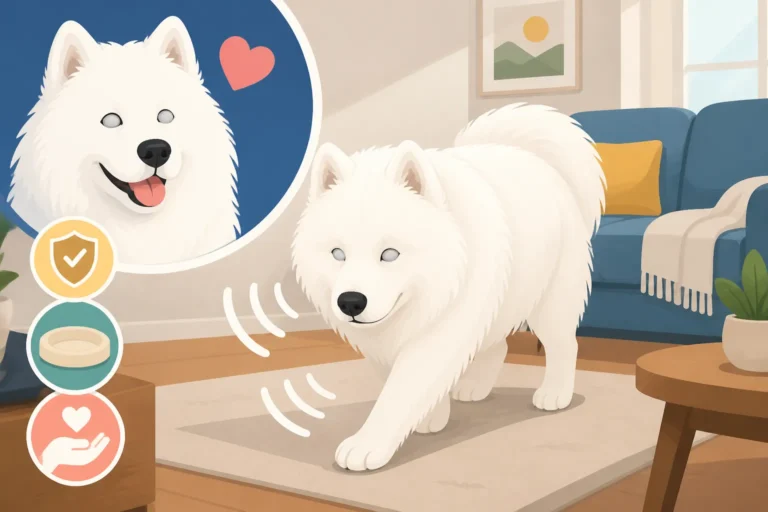
- Environmental Modifications: Making your home more accessible can greatly improve your Samoyed’s comfort. This might include ramps for cars or furniture, orthopedic dog beds, and non-slip rugs on slick floors.
- Surgical Options: In severe cases, or for younger dogs with significant lameness, surgical interventions like Femoral Head Ostectomy (FHO) or Total Hip Replacement (THR) might be considered. These are major decisions and require extensive discussion with a veterinary orthopedic specialist.
Financial planning for chronic conditions like hip dysplasia is also a practical reality. Veterinary care, medications, and potential therapies can be expensive. This is where pet insurance can be a lifesaver. Companies like Healthy Paws offer comprehensive coverage for accidents and illnesses, which can significantly ease the financial burden of managing hip dysplasia, especially if your Samoyed was enrolled before the condition showed any signs. It’s worth noting that if you have insurance like Healthy Paws, they often have excellent customer service to help you navigate coverage for such conditions. Insuring your dog when they are young and healthy is critical to ensure coverage for future unexpected health issues, as most policies will not cover pre-existing conditions. For instance, while we're talking about hips, imagine the costs associated if your Samoyed developed something like Diabetes Mellitus in a Samoyed – insurance makes a huge difference.
Living with a Samoyed with hip dysplasia means being their advocate and their comfort-giver. Regular vet check-ups are essential to monitor their condition and adjust treatment plans. Remember, it's not just about managing the disease; it's about enriching their life. Many Samoyeds with managed hip dysplasia still enjoy activities, albeit often modified ones. Their desire for companionship and engagement remains strong, so finding ways to safely involve them in family life is crucial. Understanding Whether a Samoyed's Hip Score Predicts Later Arthritis can also help you prepare for the long-term journey. As your Samoyed ages, managing their hips will become even more intertwined with care for Arthritis in an Older Samoyed.
Disclaimer
This article is intended for informational purposes only and does not constitute veterinary advice. Always consult with a qualified veterinarian for any health concerns or before making any decisions about your Samoyed's care.