What Percentage of Samoyeds Fail OFA Hips
The worry over a beloved Samoyed's health is a constant for many of us, and few concerns loom larger than hip dysplasia, a condition that can seriously impact their active lives. It’s natural to wonder about the statistics—what are the real chances that your fluffy companion might face this debilitating joint issue? This comprehensive guide will pull back the curtain on OFA hip certifications for Samoyeds, dive into the actual percentages of those who don't pass, and, most importantly, equip you with the knowledge to help your Samoyed enjoy the healthiest, happiest life possible.
Understanding OFA Hip Certifications for Samoyeds
When we talk about hip health in Samoyeds, the Orthopedic Foundation for Animals, or OFA, is often the first name that comes to mind. It’s the gold standard for evaluating a dog's hips for the genetic predisposition to hip dysplasia, a condition where the hip joint doesn't form correctly, leading to pain and arthritis. Navigating the world of OFA certifications can feel a bit like learning a new language, but understanding it is absolutely critical for any responsible Samoyed owner or prospective buyer.
What the OFA Exam Involves for Samoyeds
The OFA hip examination isn't just a casual glance by a veterinarian; it's a specific, standardized process designed to get the clearest possible picture of a dog's hip structure. For a final, breeding-eligible certification, the dog must be at least 24 months old. Why 24 months? Because before this age, the growth plates are still open, and the hip joints are still developing, meaning a preliminary score might not accurately reflect the mature joint health. While some breeders opt for preliminary OFA screenings on younger puppies, these are not considered final and cannot be relied upon for making breeding decisions.
During the exam, your Samoyed will typically be sedated. This isn't just to keep them calm; it's crucial for positioning. Precise positioning is key to obtaining the specific radiographic views needed for evaluation. The primary view is the ventrodorsal (VD) extended view, where the dog lies on its back with its hind legs extended straight back and parallel to each other. Another common view is the "frog-leg" lateral view. These X-rays are then submitted to the OFA, where they are reviewed by three independent, board-certified veterinary radiologists. They scrutinize the images for signs of hip laxity, subluxation (partial dislocation), and any degenerative changes like bone spurs or remodeling. Samoyeds, with their dense coats and sometimes deep chests, can sometimes present a challenge for getting perfectly clear X-rays, which is why choosing a veterinary clinic experienced in OFA imaging is beneficial.
Decoding OFA Ratings: From Excellent to Dysplastic
Once the X-rays are reviewed, your Samoyed will receive one of seven possible hip ratings. It's important to remember that these ratings are on a spectrum, and not all "passing" hips are created equal, though all are considered structurally sound for breeding.
Here's a breakdown of the OFA hip ratings:
- Excellent: This is the best possible rating. It means the femoral head (the ball) fits very deeply and snugly into the acetabulum (the socket), with almost no joint space and perfect congruity.
- Good: The hips are well-formed, with good congruity and coverage of the femoral heads. This is an excellent rating and perfectly acceptable for breeding.
- Fair: While considered a passing score, "Fair" hips might show minor irregularities. There might be some slight joint incongruity or mild shallowing of the acetabulum. Functionally, these hips are sound, and dogs with fair hips typically live long, active lives without issues.
- Borderline: This is where things get tricky. A Borderline rating means there are some conformational changes that prevent the hips from being rated "Fair," but there are no definitive signs of hip dysplasia. Dogs with Borderline hips might be re-evaluated at a later date, and some may develop dysplastic changes. Most responsible breeders will not breed dogs with a Borderline rating.
- Mild Dysplasia: This is a failing score. There are definite signs of hip dysplasia, such as slight subluxation (the ball is partially out of the socket) and some flattening of the femoral head or acetabulum.
- Moderate Dysplasia: More pronounced changes are evident, with significant subluxation and a more noticeable flattening or remodeling of the joint components.
- Severe Dysplasia: This is the most extreme form, indicating marked changes, severe subluxation, and significant secondary arthritic changes.
The key takeaway is that Excellent, Good, and Fair are all considered passing, healthy hips suitable for breeding. Don't fall into the trap of thinking only "Excellent" is good enough; a "Good" or "Fair" Samoyed can still contribute positively to the breed's health. What truly matters is that a Samoyed has passed their OFA exam at 24 months or older, indicating functionally sound hips.
Why Hip Health is So Crucial for Active Samoyeds
Samoyeds are not just pretty faces; they are powerful, athletic working dogs. Their ancestors in Siberia pulled sleds, herded reindeer, and shared warmth in tents, activities that required immense stamina and sound musculoskeletal structure. Even if your Samoyed's biggest job today is charming the neighborhood and romping in the park, their inherent drive for activity means that healthy hips are absolutely non-negotiable for their quality of life.
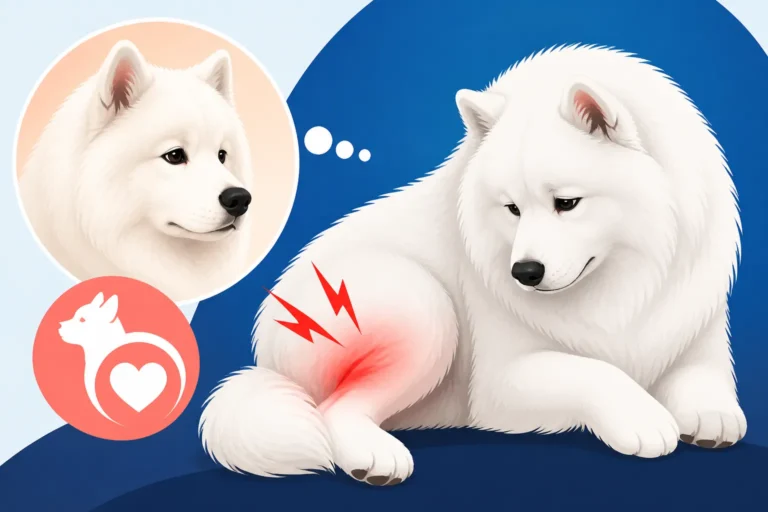
A Samoyed with healthy hips can run, jump, play fetch, enjoy long hikes, or even participate in dog sports like agility, obedience, or weight pull. They wake up without stiffness and move freely through their day. On the other hand, a Samoyed suffering from hip dysplasia often experiences pain, lameness, and a significantly reduced ability to move. This can lead to early onset arthritis, muscle atrophy in the hindquarters, and a general decline in their joyful, outgoing personality because discomfort overshadows their natural exuberance. Imagine a dog known for its "Sammy smile" constantly battling pain; it's heartbreaking. Ensuring good hip health helps preserve that iconic smile and their boundless zest for life. If you're wondering about the specific age at which a Samoyed is typically certified by OFA, it's generally at two years or older. This ensures the joints are fully developed before a final evaluation.
Samoyed Hip Dysplasia: The Numbers and Realities
Understanding the mechanics of OFA is one thing, but what do the actual statistics tell us about Samoyeds? It’s common for purebred dogs to have certain predispositions, and hip dysplasia is unfortunately one of them for many larger breeds. Getting a realistic grasp of these numbers helps prospective owners make informed decisions and current owners understand the potential risks.
The General Prevalence of Hip Dysplasia in Samoyeds
Let’s get straight to the numbers. According to the Orthopedic Foundation for Animals (OFA) public statistics, as of February 2024, there have been 19,576 Samoyed hip evaluations recorded. Out of these, a solid 82.5% received a passing rating (Excellent, Good, or Fair). That means about 17.5% did not pass. More specifically, 4.7% were rated Borderline, and 12.8% were rated Dysplastic (Mild, Moderate, or Severe).
So, approximately 12.8% of Samoyeds evaluated by OFA received a dysplastic rating. If you include the Borderline cases, which are generally not considered suitable for breeding, that number climbs to about 17.5%. This might seem like a small percentage to some, but it represents a significant number of individual dogs who may experience pain and reduced quality of life. For comparison, some giant breeds might have higher rates, while some smaller breeds have lower ones. This statistic highlights why it is absolutely critical to choose a breeder who actively tests their breeding stock and prioritizes hip health. Knowing the frequency of this issue helps us grasp how common hip dysplasia is in Samoyeds.
Factors Influencing a Samoyed's OFA Score
Hip dysplasia is a complex condition, not simply a matter of "good genes" or "bad genes." It's understood to be polygenic, meaning multiple genes contribute to its inheritance, and it's also significantly influenced by environmental factors.
Genetic Predisposition: The primary driver behind hip dysplasia is genetics. If a Samoyed comes from lines with a history of hip dysplasia, or if their parents and grandparents weren't properly screened, their risk increases dramatically, regardless of how well they are raised. This is why a passing OFA score in both parents and a strong history of sound hips in the pedigree are so crucial. Responsible breeders work diligently to reduce the prevalence of this genetic trait through selective breeding.
Environmental Factors: Even with the best genetics, certain environmental conditions during a Samoyed's critical growth period (up to about 18 months to 2 years) can exacerbate any underlying genetic predisposition or even contribute to hip issues in otherwise genetically sound dogs. These factors include:
- Rapid Growth and Overfeeding: Feeding a puppy a diet too high in calories or protein, or simply overfeeding them, can cause them to grow too quickly. This puts undue stress on developing joints and can lead to malformation. It's especially vital for larger breeds like Samoyeds to grow at a moderate, steady pace.
- Excessive or Inappropriate Exercise: High-impact activities such as repetitive jumping, long runs on hard surfaces, or extensive stair climbing before growth plates have closed can damage developing joints. Think about a young Samoyed puppy being encouraged to pull a sled or engaging in intense agility work; these activities are generally ill-advised for puppies. Instead, controlled, moderate exercise like short walks, swimming, and free play on soft surfaces is best.
- Obesity: Carrying extra weight at any age, but particularly during puppyhood, places tremendous strain on the hip joints, accelerating wear and tear and aggravating any genetic tendencies toward dysplasia.
- Slippery Surfaces: Constantly slipping and splaying on hardwood or tile floors can stress growing joints, leading to microtraumas and potentially contributing to laxity. Providing rugs or runners in key areas can help.
It’s truly a delicate balance. A Samoyed puppy from genetically sound parents can still develop hip problems if raised in an unsuitable environment, and conversely, a puppy with some genetic predisposition might escape severe dysplasia with meticulous environmental management.
The Importance of Breeder Transparency
When you're looking for a Samoyed puppy, a responsible breeder will be your best ally in the fight against hip dysplasia. Their transparency regarding health testing is non-negotiable. They shouldn't just tell you their dogs "have good hips"; they should show you the official OFA certificates for both parents. You should be able to verify these results on the OFA public database by searching the registered names or registration numbers of the parent dogs.
A truly ethical breeder will:
- Only breed dogs with OFA final certifications of Excellent, Good, or Fair.
- Be open about the health history of their entire breeding line, not just the immediate parents.
- Explain the OFA ratings clearly and answer all your questions without hesitation.
- Never make excuses for not testing, or only testing one parent, or showing only preliminary scores.
- Offer a health guarantee that specifically addresses inherited health issues like hip dysplasia, within a reasonable timeframe.
Be wary of breeders who offer puppies at unusually low prices without proof of health testing, as corners are often cut in crucial areas like health screening. Choosing a breeder who values transparency and rigorous health testing, including the OFA certification process, significantly reduces the likelihood that your Samoyed will suffer from this painful condition. For further reassurance, it's valuable to understand The Health Tests Both Samoyed Parents Should Have to ensure a comprehensive approach to health screening.
Minimizing Risk and Supporting Your Samoyed's Hip Health
Even with the best genetic start, maintaining your Samoyed's hip health throughout their life requires diligence and thoughtful care. From the day you bring your furry cloud home, you play a vital role in nurturing their musculoskeletal system.
Choosing a Responsible Samoyed Breeder
This cannot be stressed enough: the single most important decision you'll make regarding your Samoyed's hip health is choosing a responsible breeder. A good breeder sees themselves as a steward of the breed, dedicated to producing healthy, well-tempered puppies.
When interviewing breeders, don't just ask about OFA hips; go deeper. Inquire about OFA elbow certifications (elbow dysplasia is another common orthopedic issue), eye certifications (like CERF or OFA Eye Certification), and cardiac health screenings. A truly dedicated breeder will not only have these certifications but will be eager to show them to you. Look up the parent dogs on the OFA website (www.ofa.org) yourself to cross-reference their health testing. Ensure that both parents have final OFA hip certifications (24 months or older) of Excellent, Good, or Fair.
A responsible breeder will also ask you many questions – about your lifestyle, your home environment, and your commitment to providing appropriate care. This isn't nosiness; it's their way of ensuring their puppies go to the best possible homes. They should be transparent about any known health issues in their lines and discuss their breeding philosophy, which should focus on improving the health and temperament of the Samoyed breed. If you're ever in doubt about the importance of health testing, consider Whether an Untested Samoyed Litter Is Worth Buying. The answer is almost always no when it comes to long-term health and financial implications.
Early Life Management for Joint Protection
The puppy phase, roughly from 8 weeks to 18-24 months, is a critical time for hip development. How you manage your Samoyed during this period can profoundly impact their lifelong joint health.
- Controlled Exercise, Not Forced: Samoyed puppies are bundles of energy, but their bones and joints are still developing. Avoid forced, repetitive, or high-impact exercise. This means no long jogs on pavement, no intense agility training, and minimal jumping until their growth plates have closed, usually around 18 months to two years. Instead, focus on short, frequent walks on soft surfaces (grass, dirt trails), supervised play in a secure yard, and swimming, which is excellent low-impact exercise.
- Limit Stairs: For very young puppies (under 4-6 months), extensive use of stairs, especially going down, can put undue stress on their developing joints. Carry them when possible, or restrict access to areas with many stairs. For more detailed advice, check out Keeping a Samoyed Puppy Off Stairs.
- Optimal Nutrition: Feed a high-quality, large-breed puppy food formulated for slow, steady growth. These diets typically have a carefully balanced calcium-to-phosphorus ratio and appropriate calorie levels to prevent rapid growth spurts that can strain joints. Crucially, avoid overfeeding! Keeping your puppy lean is one of the best things you can do for their hips.
- Traction on Floors: Slippery surfaces like hardwood, tile, or laminate can cause a puppy to splay their legs or slip, putting unnatural stress on their hips. Provide rugs, runners, or carpeted areas where your puppy spends most of their time to give them better traction.
By managing their early environment and exercise appropriately, you give your Samoyed the best chance for their genetically predisposed hips to develop optimally.
Lifestyle and Nutrition for Long-Term Hip Health
Once your Samoyed is an adult, maintaining their hip health shifts to consistent, lifelong habits focusing on appropriate exercise, nutrition, and supplemental support.
- Maintaining a Healthy Weight: This is paramount. An overweight Samoyed puts extra strain on all its joints, but especially the hips. Regular body condition scoring – being able to easily feel but not see their ribs, and seeing a slight waist tuck – is your best guide. Adjust food intake and exercise as needed to keep them lean.
- Consistent, Moderate Exercise: Daily walks, playtime, and activities like swimming or hiking (once mature) are great. Keep them active but avoid extreme, high-impact activities if your Samoyed has a predisposition or signs of developing hip issues. Listen to your dog; if they're stiff or sore, dial it back.
- Joint Supplements: Many Samoyed owners, especially as their dogs age or if there's any concern about hip health, choose to use joint supplements. Ingredients like glucosamine, chondroitin, MSM, and omega-3 fatty acids (like fish oil) are commonly used to support cartilage health and reduce inflammation. Popular brands include Nutramax Dasuquin and Cosequin. While not a cure, they can certainly help maintain comfort and joint function. If your Samoyed is getting older, you might want to look at more general advice on Arthritis in an Older Samoyed. For specific information on supplements, consider reading about Joint Supplements for a Samoyed.
- Supportive Bedding: Provide orthopedic dog beds, especially as your Samoyed gets older. These beds offer superior support, cushioning joints and making it easier for them to rest comfortably and get up without stiffness.
- Pet Insurance: This isn't a "health" measure, but a financial one that supports health. Investing in a comprehensive pet insurance policy, like one from Healthy Paws, when your Samoyed is young and healthy can be a lifesaver. Should hip dysplasia develop, diagnosis, medications, physical therapy, and potential surgeries can be incredibly expensive. Healthy Paws can help cover a significant portion of these costs, allowing you to focus on your Samoyed's care without financial stress.
When to Consider Veterinary Intervention
Despite all your best efforts, some Samoyeds may still develop symptoms of hip dysplasia due to their genetic makeup. Recognizing the signs early and seeking veterinary care promptly is crucial for managing the condition and preserving your Samoyed's quality of life.
Signs of Discomfort: Be observant of changes in your Samoyed's gait or behavior. Symptoms can include:
- Limping or favoring a hind leg, especially after exercise or rest.
- Reluctance to jump, climb stairs, or engage in play they once enjoyed.
- Stiffness or difficulty rising, particularly in the morning or after naps.
- "Bunny hopping" where both hind legs move together when running.
- A noticeable decrease in activity levels or general enthusiasm.
- Muscle loss in the hindquarters.
If you notice any of these signs, don't delay – schedule an appointment with your veterinarian. Samoyeds are stoic and often hide pain behind their cheerful demeanor, so subtle changes might be the only clue. Understanding Whether a Samoyed Complains When It Hurts can help you interpret these subtle cues.
Early Diagnosis: Your vet will conduct a physical examination, checking for hip laxity and pain, and will likely recommend X-rays to confirm hip dysplasia. Early diagnosis is key, as it opens up more treatment options and allows you to start managing the condition before it becomes severe.
Treatment Options:
- Conservative Management: For mild to moderate cases, or if surgery isn't an option, conservative management focuses on pain relief and joint support. This includes:
- Anti-inflammatory Medications (NSAIDs) and Pain Relievers: To reduce pain and inflammation.
- Physical Therapy & Hydrotherapy: Exercises to strengthen muscles around the joint and improve range of motion, often in water for low-impact movement.
- Weight Management: Keeping your Samoyed lean is even more critical now.
- Joint Supplements: Continued use of glucosamine, chondroitin, and omega-3s.
- Surgical Options: For more severe cases, or younger dogs with specific conditions, surgery might be recommended:
- Juvenile Pubic Symphysiodesis (JPS): A minimally invasive procedure for very young puppies (under 4-5 months) that encourages better hip development.
- Triple Pelvic Osteotomy (TPO) / Double Pelvic Osteotomy (DPO): These procedures are for younger dogs (typically under 10-12 months) with hip laxity but minimal to no arthritis. They involve cutting the pelvic bone and rotating the segment to improve coverage of the femoral head.
- Femoral Head Ostectomy (FHO): This involves removing the head and neck of the femur, allowing a "false joint" to form. It's often considered a salvage procedure for smaller, lighter dogs or when other surgeries aren't feasible.
- Total Hip Replacement (THR): This is the most effective surgical treatment for severe hip dysplasia, replacing the diseased joint with artificial components. It offers the best long-term outcome but is a specialized, costly procedure.
The costs associated with diagnosing and treating hip dysplasia, especially if surgery is required, can be substantial. This is another area where Healthy Paws pet insurance can provide immense relief, covering a significant portion of these veterinary expenses. When you consider The Full Cost of Thirteen Years With a Samoyed, having support for major health events like hip dysplasia can make a huge difference in your ability to provide the best care.
OFA Hip Rating Breakdown for Samoyeds
Understanding the ratings and what they mean can help you make informed decisions when looking at a Samoyed's health certifications.
| OFA Hip Rating | Description of Hips | Suitability for Breeding (Samoyeds) |
|---|---|---|
| Excellent | Superior hip conformation, minimal joint laxity, tightest possible fit. | Yes |
| Good | Well-formed hip joints, good congruity, adequate coverage. | Yes |
| Fair | Minor irregularities but functionally sound, within normal limits. | Yes |
| Borderline | Marginally dysplastic; not definitively dysplastic, but not fully normal. | Generally Not Recommended |
| Mild Dysplasia | Definitive evidence of hip dysplasia; mild subluxation, some flattening. | No |
| Moderate Dysplasia | Significant dysplastic changes; considerable subluxation and remodeling. | No |
| Severe Dysplasia | Extreme dysplastic changes; marked subluxation, severe arthritic changes. | No |
Disclaimer
The information provided in this article is intended for general knowledge and informational purposes only, and does not constitute medical advice. Always consult with a qualified veterinarian for any health concerns or before making any decisions about your pet's health or treatment.