The Century the Samoyed Appeared
The ancient Samoyed lineage traces back thousands of years into the Paleolithic era through genetic studies and archaeological evidence.
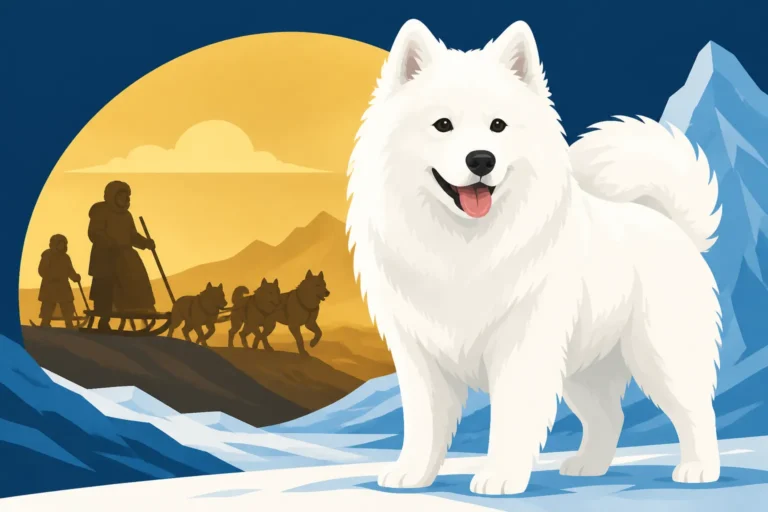
The ancient Samoyed lineage traces back thousands of years into the Paleolithic era through genetic studies and archaeological evidence.
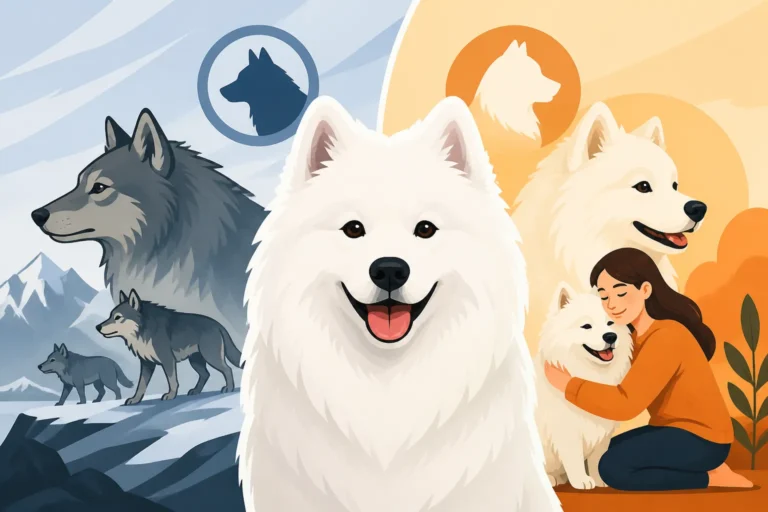
Samoyed breed history and genetic makeup show their ancient wolf origins and survival work with the Nenets people in Siberia.
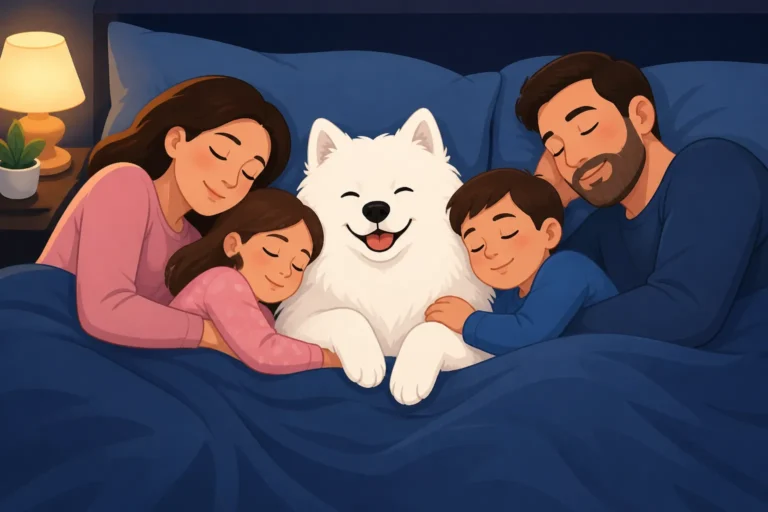
Samoyed dogs sleeping among their Nenets families provided vital body warmth and ensured survival in extreme Arctic climates.

Samoyed sled dogs provided vital transportation and survival support for the nomadic Nenets people across Siberia.
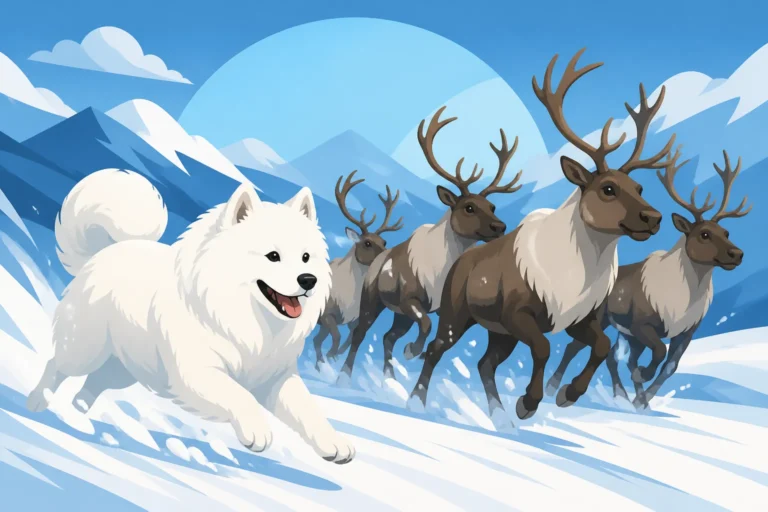
Samoyed dogs herded reindeer for the Nenets people of Siberia, shaping the modern breed’s instincts and behavior.
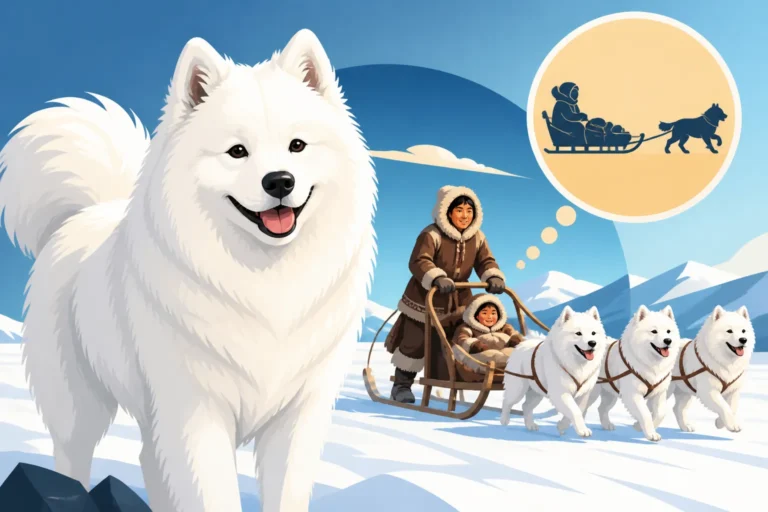
The Nenets people bred Samoyed dogs to migrate across the tundra, managing reindeer herds and pulling supplies in the cold.

The historical origins of the Samoyed name explain why outsiders applied this label to Siberian Indigenous peoples.
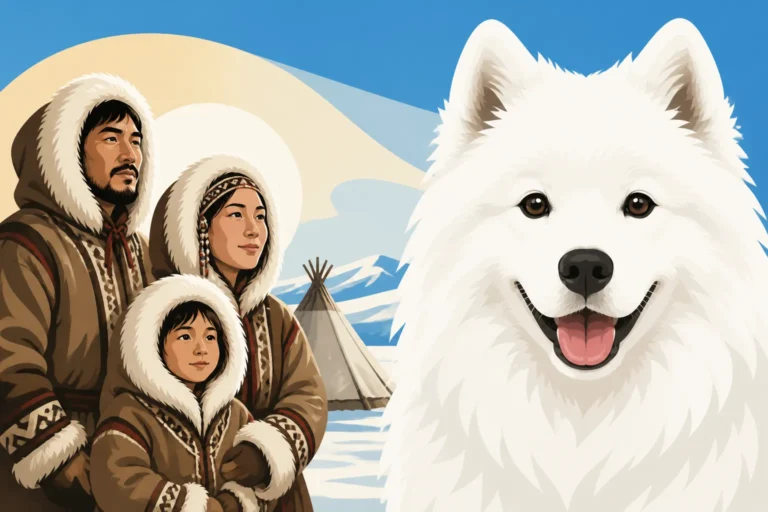
The Nenets people of the Siberian tundra bred Samoyed dogs for survival, hunting, herding, and warmth in the extreme Arctic.
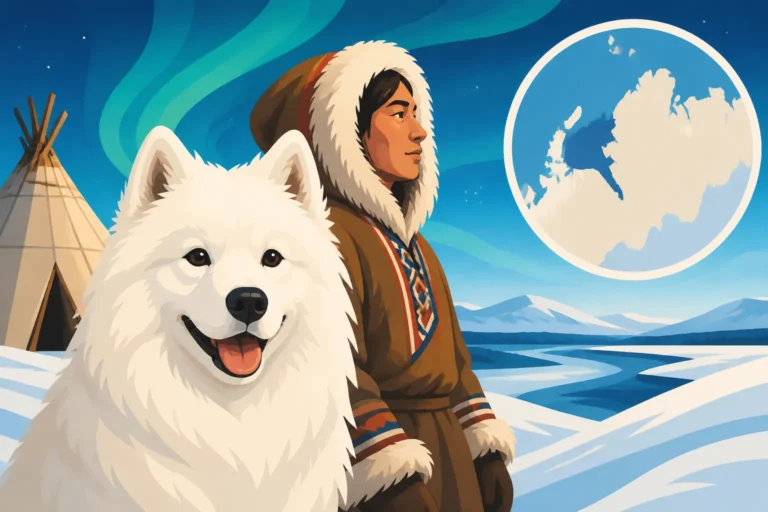
The Yamal Peninsula in Siberia and the Nenets people shaped the physical traits and history of the Samoyed breed.
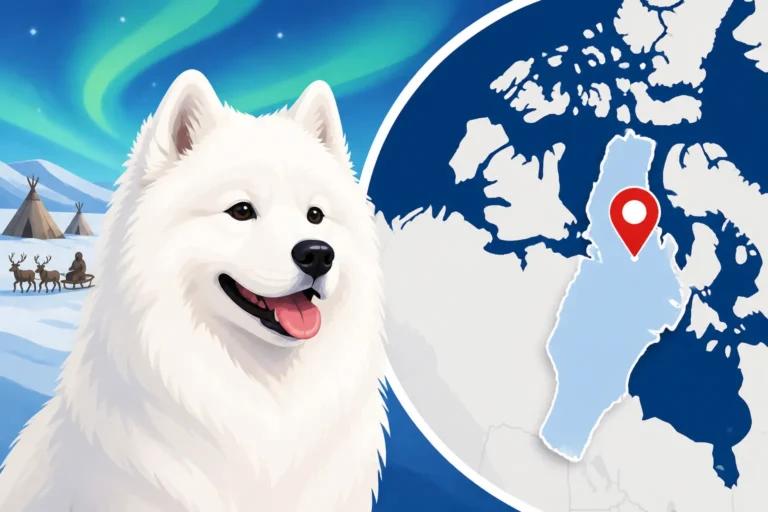
The Yamal Peninsula in northern Siberia extends over 700 kilometers into the Arctic Ocean, shaping the ancient Samoyed breed.