Whether Samoyed Is the Right Name for the People
It's completely understandable to wonder about the name "Samoyed" and its connection to a group of people. Many of us who adore these beautiful dogs have heard the term, but the historical context and the nuances of its usage can be a bit murky, leading to genuine confusion or even unintended offense. This guide aims to clear up that confusion, diving into the origins of the name, the vibrant Indigenous cultures it once encompassed, and why the term "Samoyed" is no longer considered appropriate when referring to people, even as it endures for our fluffy companions.
The Origins of the Samoyed Name
When we talk about the "Samoyed" dog, we're talking about a magnificent animal with a rich history rooted deep in the Siberian Arctic. But the name itself, "Samoyed," wasn't originally coined for the dogs alone; it was a broader term used by outsiders to describe a collection of Indigenous peoples inhabiting the vast northern regions of Eurasia. This historical context is vital for truly understanding why the name has become a topic of discussion today.
Historical Usage and Misconceptions
Historically, the term "Samoyed" was broadly applied by European ethnographers and explorers to various groups living across a massive swathe of the Arctic and Subarctic. It was an exonym, meaning a name given to a people or place by outsiders, rather than one they used for themselves. This is a crucial distinction because, as is often the case with exonyms, they can carry connotations or inaccuracies that the named group doesn't endorse. For many years, it was a catch-all for diverse nomadic peoples, lumping together distinct cultures, languages, and traditions under one generalized label. It’s a bit like calling all Europeans "Westerners" – technically true in a geographic sense, but it ignores the rich tapestry of individual nations and identities. The early chroniclers of these regions, often driven by colonial perspectives, simply didn't engage in the careful ethnographic distinctions that are considered standard practice today.
The Geographical Spread of the "Samoyed Peoples"
The groups historically referred to as "Samoyed" peoples inhabited a vast and challenging landscape, stretching from the White Sea in the west, across the tundra and taiga of Siberia, all the way to the Taymyr Peninsula in the east. This enormous territory meant that while these groups shared some cultural characteristics adapted to their harsh environment – such as reindeer herding, hunting, and fishing – they were by no means a monolithic entity. Their languages, for example, belonged to the Uralic language family, specifically the Samoyedic branch, but even within this branch, there were distinct languages and dialects. This linguistic connection was often the primary, and sometimes only, common thread used by outsiders to group them. Imagining this immense area, teeming with different communities adapting to local conditions, helps us appreciate the oversimplification that the blanket term "Samoyed" represented. It obscured the vibrant individual identities of the Nenets, Enets, Nganasan, and Selkup, among others.
The Indigenous Peoples of the North
To move beyond the outdated "Samoyed" label for humans, it's important to understand the specific Indigenous groups who historically inhabited these regions and who developed the magnificent dogs we now know as Samoyeds. These are distinct nations with their own unique histories, languages, and cultures, and they prefer to be identified by their self-chosen names.
The Nenets: Guardians of the Reindeer
Among the various Indigenous groups in the vast Siberian Arctic, the Nenets people are perhaps the most closely associated with the lineage of the Samoyed dog. Their traditional way of life, centered around large-scale nomadic reindeer herding, created a profound and essential bond with their dogs. The Nenets utilized dogs not just as companions, but as indispensable partners in their survival. These dogs were integral to herding the massive reindeer flocks, protecting them from predators like wolves, and helping to move camps across the vast, frozen tundra. They literally slept in the chums (tents) with the Nenets families, offering warmth and companionship, a testament to their deep integration into daily life. This close cohabitation and working relationship undoubtedly shaped the Samoyed's gentle temperament and strong bond with humans. When you consider The Nenets of the Yamal Peninsula Bred the Samoyed, it paints a clear picture of this incredible partnership. Their connection to the land and their herds continues to this day, a vibrant and enduring culture in an extreme environment.
Other Related Groups
While the Nenets are often highlighted due to their direct involvement with the development of the Samoyed breed, it's important to remember that other groups were also historically, and sometimes incorrectly, lumped under the "Samoyed" umbrella.
- The Enets: A smaller group, also traditionally engaged in hunting, fishing, and some reindeer herding, primarily residing along the lower Yenisei River. Their language is closely related to Nganasan and Nenets, but they maintain a distinct cultural identity.
- The Nganasan: Predominantly inhabiting the Taymyr Peninsula, the Nganasan were traditionally wild reindeer hunters rather than herders of domesticated reindeer. Their lifestyle was adapted to the harsh conditions of the northernmost parts of Siberia, and their culture, while sharing some broad similarities with their neighbors, was unique in its focus on hunting and its spiritual practices.
- The Selkup: Residing further south, in the forest-tundra and taiga zones of the Western Siberian Plain, the Selkup traditionally engaged in hunting, fishing, and some reindeer herding. Their lifestyle blended elements of both tundra and forest cultures.
These groups, along with others like the Kamasins and Mator, who have largely assimilated or are no longer distinct ethnic groups, represent the incredible diversity of cultures and ways of life that were once broadly categorized under the singular, external label of "Samoyed." Each of them has a unique heritage that deserves to be recognized by its proper name, a recognition that respects their self-determination.
Why "Samoyed" Became Problematic
Understanding the historical context and the diversity of the Indigenous peoples is the first step. The next is to grasp why the term "Samoyed" is considered problematic when referring to humans today. It's not just about historical accuracy; it's about respect, self-determination, and recognizing the lasting impacts of colonial-era nomenclature.
The Colonial Connotation
The term "Samoyed" originates from Russian and literally translates to "self-eater" or "cannibal." While its etymology is debated and some scholars suggest it meant "land's end" or "people of the land," the most widely accepted and disturbing interpretation for centuries has been this negative, dehumanizing connotation. Imagine being identified by a name that implies cannibalism by outsiders, regardless of your actual culture or practices. This exonym was applied during a period when these Indigenous groups were often viewed through a lens of exoticism, or worse, as uncivilized.
This kind of naming practice is deeply embedded in colonial history, where dominant powers imposed labels on Indigenous populations without their consent, often stripping them of their self-identified names and, by extension, a part of their identity and dignity. It's a stark reminder of power dynamics and historical subjugation. To continue using "Samoyed" for the people, even if unintentionally, perpetuates this problematic legacy. It's vital to recognize this history, especially when considering Why the Name Samoyed Is Contested.
The Importance of Self-Identification
In contemporary global discourse, respecting a group's right to self-identification is paramount. Just as individuals choose how they wish to be addressed, so do ethnic and cultural groups. The Nenets, Enets, and Nganasan, for instance, prefer to be called by their own names, which reflect their unique heritage and autonomy. They are not a collective "Samoyed people"; they are distinct nations.
This shift isn't about erasing history; it's about moving forward with respect and accuracy. It means acknowledging that the historical term was an imposition and choosing to use the names that the people themselves have chosen. It’s a small but significant act of recognition and solidarity. As dog owners, while we adore our "Samoyeds," being mindful of this distinction for the human groups is a demonstration of broader cultural awareness and empathy. We teach our dogs to respond to their names, and it's even more crucial to extend that courtesy to human communities.
The Dog's Name Versus the People's Identity
This is often where the most confusion lies for Samoyed owners. If the name is problematic for people, why does it remain for the dogs? It’s a valid question, and the answer lies in a combination of historical precedent, tradition, and the distinction between a descriptive term for an animal breed and an identifier for human beings.
The Enduring Breed Name
The Samoyed dog breed acquired its name during the late 19th and early 20th centuries, primarily through British explorers and enthusiasts who brought these magnificent dogs back from Siberia. At that time, the term "Samoyed" was the prevailing, albeit problematic, exonym used in Western scientific and popular literature to refer to the Indigenous peoples of the region. The dogs were named after the people they were associated with, much like "Labrador Retriever" refers to a region, or "German Shepherd" refers to a nationality.
Once established, breed names, like dog breeds themselves, tend to be very resistant to change. They are codified by kennel clubs and international organizations, passed down through generations of breeders and owners. Changing an internationally recognized breed name would involve a monumental effort, navigating complex bureaucratic processes across multiple countries, and potentially disrupting decades of established pedigrees and records. While the conversation around cultural sensitivity in breed names is ongoing for many breeds, the Samoyed's name has, for better or worse, become deeply entrenched as an identifier for the dog. It's a legacy of its historical introduction to the Western world, rather than a conscious endorsement of the problematic term for people today.
Respectful Terminology for People
For Samoyed owners, it’s important to understand this distinction: while your beloved fluffy companion is indeed a Samoyed, the term should not be used to describe the Indigenous peoples. Instead, we should use their self-chosen names: Nenets, Enets, Nganasan, Selkup, and so on.
Here's a simple guide for respectful terminology:
- For the dog: Samoyed (e.g., "My Samoyed loves to play in the snow.")
- For the people: Nenets, Enets, Nganasan, Selkup (e.g., "The Nenets people have a rich culture centered around reindeer herding.")
Being mindful of this ensures we honor the history of our dogs while also showing respect for human communities. It's about acknowledging that words carry weight and choosing to use them in a way that is accurate and considerate. Many resources, including academic texts and cultural organizations, offer clear guidance on this. When discussing the historical role of these dogs, we can refer to them as "dogs bred by the Nenets" or "dogs of the Samoyedic peoples" (using "Samoyedic" here to refer to the linguistic group, rather than the problematic ethnic slur). It's a small change in language that makes a big difference in respect. If you're looking for durable toys for your dog that reflect their working heritage, you can find a huge variety of options on Chewy.
The Broader Context of Nomenclature
The case of the Samoyed name isn't an isolated incident; it's part of a larger historical pattern of how dominant cultures have named and categorized others. Understanding this broader context can help us appreciate the importance of respectful language and why these discussions are crucial.
Similar Cases in Breed Naming
While perhaps not carrying the same problematic historical connotation as "Samoyed," many dog breeds are named after geographic regions, nationalities, or even specific individuals. Think of the "German Shepherd," the "Irish Setter," the "Newfoundland," or the "Doberman Pinscher." These names, for the most part, are accepted and don't typically draw the same level of controversy as "Samoyed" for people, largely because they don't carry an actively derogatory etymology.
However, discussions about culturally sensitive naming are becoming more prevalent across various fields. For example, some place names in North America, originally given by European settlers, are being re-evaluated and changed to reflect Indigenous names. In the world of sports, team mascots and names based on caricatures of Indigenous peoples have been actively changed in recent years. This societal shift towards greater awareness and respect for Indigenous cultures is part of the same conversation that highlights why the term "Samoyed" for people is outdated and inappropriate. It encourages us to look critically at the origins of names and consider their impact.
Educating the Samoyed Community
As owners and admirers of this incredible breed, we have a role to play in fostering understanding and respectful language. Education is key. Many Samoyed enthusiasts, perhaps without knowing the full history, might inadvertently use the term "Samoyed people." By gently correcting and sharing this information, we can contribute to a more informed and respectful community.
Here are some ways the Samoyed community can engage:
- Learn and Share: Take the time to understand the history, and share it with other Samoyed owners, friends, and family. Direct them to resources that explain the distinction. You can start by sharing articles like Who the Nenets Who Bred the Samoyed Are or The Nenets of the Yamal Peninsula Bred the Samoyed.
- Use Correct Terminology: Consistently use "Nenets," "Enets," "Nganasan," etc., when referring to the people, and "Samoyed" for the dog breed. This simple practice reinforces the correct usage.
- Support Indigenous Voices: Seek out and support resources and organizations that promote Indigenous cultures and languages from the Siberian Arctic. This helps amplify their voices and perspectives.
- Promote Cultural Awareness: Encourage discussions within Samoyed clubs and online communities about the breed's origins and the importance of respecting the Indigenous cultures that shaped them.
By being proactive in our education and communication, we can ensure that our love for the Samoyed dog goes hand-in-hand with respect for the rich human history behind their existence. It's a way to honor their heritage beyond just their fluffy coats. Even practical items like sturdy dog crates and comfortable beds for your Samoyed can be found on Chewy, allowing you to prioritize their comfort while keeping up with these important conversations.
It's a testament to the enduring bond between humans and dogs that the Samoyed breed continues to thrive, carrying with it a piece of history from the frozen expanses of Siberia. Knowing the full story, including the nuanced history of its name, only deepens our appreciation for these incredible animals and the cultures that forged them.
| Indigenous Group (Preferred Name) | Historical "Samoyed" Classification | Traditional Livelihood | Geographic Region |
|---|---|---|---|
| Nenets | Yes | Nomadic Reindeer Herding | Yamal Peninsula, European Russia to Taymyr Peninsula |
| Enets | Yes | Hunting, Fishing, Reindeer Herding | Lower Yenisei River |
| Nganasan | Yes | Wild Reindeer Hunting, Fishing | Taymyr Peninsula |
| Selkup | Yes | Hunting, Fishing, Trapping, some Reindeer Herding | Western Siberian Plain (forest-tundra, taiga) |
| Kamasins | Yes | Hunting, Reindeer Herding (largely assimilated) | Sayan Mountains |
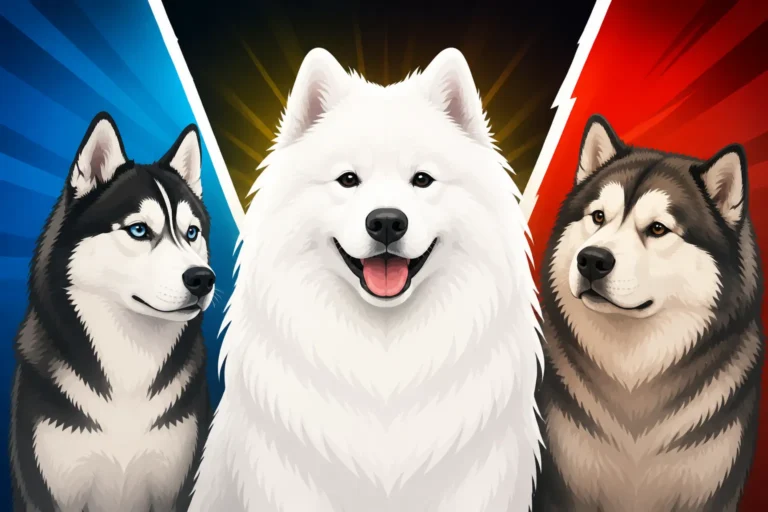
Beyond the specific naming, understanding the cultural impact of exploration and interactions with Indigenous peoples helps us appreciate the deeper story behind our Samoyeds. For instance, How Polar Explorers Took Samoyeds Out of Siberia details the fascinating journey these dogs made from their ancestral lands to become beloved pets worldwide. This historical context is vital, whether we're talking about The Twelve to Fourteen Years a Samoyed Lives or the everyday care of Feeding a Samoyed That May Become Diabetic. Every aspect of their lives is intertwined with their origins. We can also explore What a Samoyed Actually Weighs or delve into The Samoyed Against the Husky and the Malamute while still being mindful of the cultural sensitivity around the name. For those considering getting one of these beautiful dogs, researching What a Samoyed Puppy Costs in 2026 and ensuring reputable breeders who understand the breed's heritage is key.
Disclaimer
This article is for general informational purposes only and does not constitute professional advice. Laws, prices and regulations vary by location and change over time. Consult a qualified professional for guidance on your specific situation.