Giving a Samoyed Its Own Digging Pit
We’ve all been there: you look out into your beautiful, manicured yard, only to spot your fluffy Samoyed with a nose full of dirt, proudly standing next to a fresh crater where your prized hydrangeas once stood. The sheer frustration of discovering yet another hole in your lawn is a common plight for many Samoyed owners, as their natural instincts often clash with our landscaping dreams. This guide is here to walk you through the practical, empathetic, and truly effective solution: creating a dedicated digging pit that satisfies your Samoyed's innate urge to excavate while saving your precious garden beds.
Understanding Your Samoyed's Urge to Dig
Before we even talk about building a digging pit, we need to understand why our Samoyeds are such enthusiastic excavators. It’s not about spite or disobedience; it’s deeply ingrained in their DNA. These aren't just pets; they're descendants of ancient working dogs, and many of their behaviors, even the ones that drive us absolutely wild, stem from centuries of survival and purpose. If you've ever felt like your Samoyed is just trying to make your life harder, take a deep breath – they’re really just being themselves.
Instinct, Boredom, and Ancestral Roots
Samoyeds, like many Northern breeds, carry a strong ancestral drive to dig. Their original purpose included herding reindeer, pulling sleds, and living alongside their human families in harsh, cold environments. In such conditions, digging served multiple vital functions. It wasn't just a pastime; it was survival. Today, while our Samoyeds live a much more comfortable life, those instincts haven't simply vanished. When they’re bored, under-exercised, or mentally unstimulated, digging can become an immediate, self-rewarding outlet. It's a physical activity that engages their minds and bodies, burning off excess energy and providing a sense of accomplishment.
Imagine a long, quiet day at home while you're at work. Your Samoyed, with its intelligent and active mind, might feel like it's missing out on a "job." What better job than redecorating the backyard? They might start small, a quick poke here, a little pawing there, and before you know it, they’ve hit paydirt – literally. Finding something interesting, whether it’s a cool patch of earth, a stray root, or even just the satisfying feeling of moving dirt, reinforces the behavior. This is why a simple "no" often doesn't cut it. You're fighting against thousands of years of evolutionary programming. It's not malicious; it's simply instinct taking over.
Temperature Regulation and Hiding Treasures
Another powerful reason Samoyeds dig is for comfort, particularly when it comes to temperature control. With their incredibly dense double coats, Samoyeds are built for extreme cold, like The Nenets of the Yamal Peninsula Bred the Samoyed to survive in conditions where How Cold It Gets Where the Samoyed Came From. While their coat does offer some insulation against heat, many Samoyed owners find themselves asking Why a Samoyed Pants Constantly in Summer or observing their dog lying on cool tile floors indoors. When outdoors on a warm day, a Samoyed might dig down to expose cooler soil beneath the surface. That moist, cool earth provides instant relief from the sun and ambient heat, turning a simple patch of grass into a personal air-conditioned lounge. This is exactly Why a Samoyed Digs to Stay Cool.
Beyond temperature, Samoyeds, like many canids, have an instinct to cache items. They might bury a favorite toy, a leftover chew, or a special treat for "later." This behavior, known as caching, is a remnant of their wild ancestors who would store food to protect it from scavengers or to save it for leaner times. Even if your Samoyed has a full bowl of kibble indoors and a basket full of toys, the impulse to bury something valuable can be incredibly strong. They'll dig a little hole, place their prized possession, and then meticulously cover it up, often using their nose to pat down the dirt. It's a secure, instinctual way of protecting their perceived assets. If you've ever found a half-chewed bone buried deep near a rose bush, you've witnessed this primal behavior firsthand.
Planning Your Samoyed's Dedicated Digging Pit
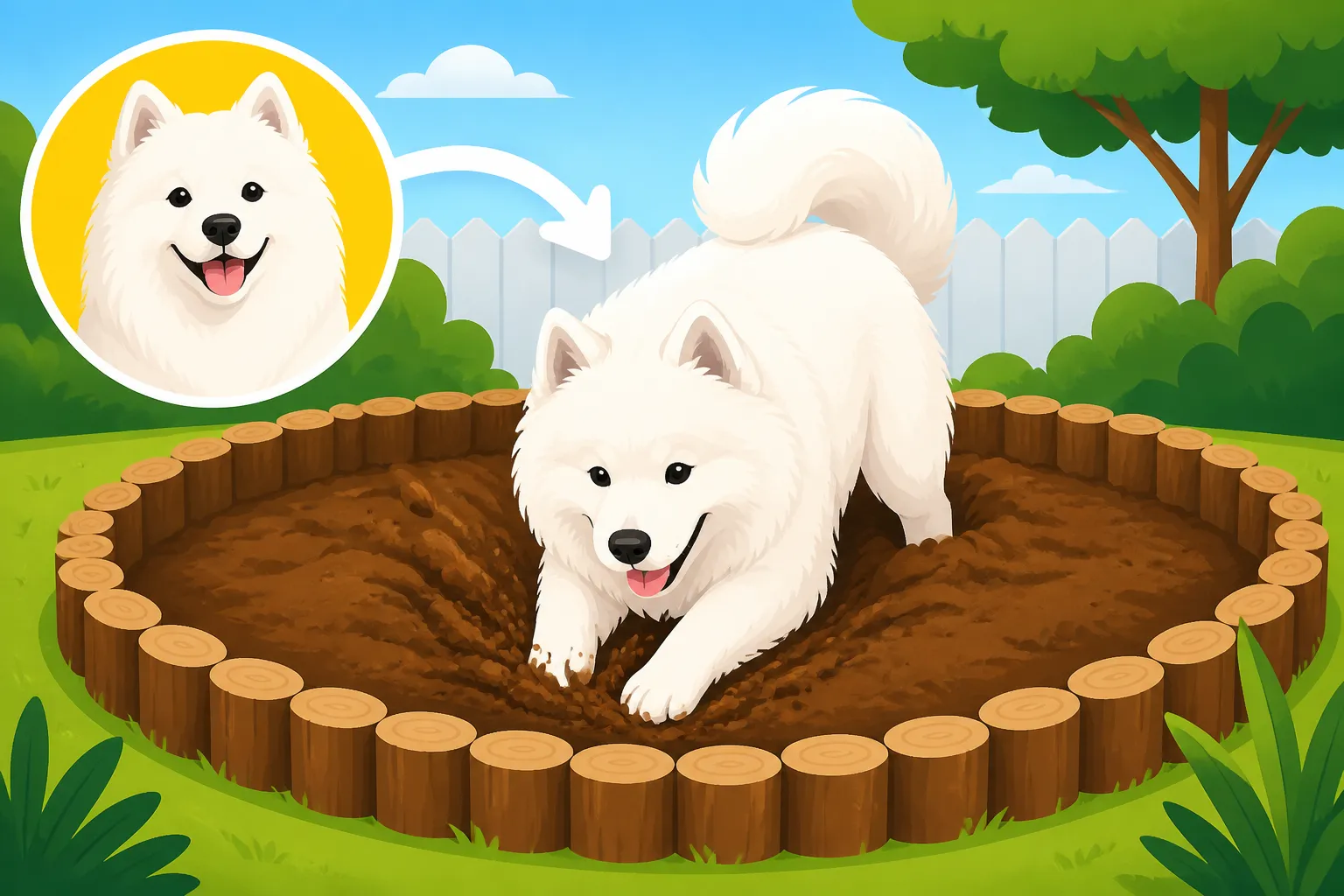
Now that we understand why your Samoyed is turning your yard into a lunar landscape, let’s talk about giving them a constructive outlet. A dedicated digging pit isn’t just about containment; it’s about providing an appropriate, safe, and exciting space for them to fulfill those natural urges without destroying your garden. Think of it as their personal construction zone, a place where they can be as messy and enthusiastic as they like, completely guilt-free.
Choosing the Right Location
The first step is selecting the perfect spot for your Samoyed’s digging pit. This isn't just about aesthetics; it's about strategy. Observe your Samoyed: where do they naturally tend to dig? Is it always in the shadiest corner of the yard, or by the fence line where they might be trying to dig The Tunnel a Samoyed Digs Under a Fence? Picking a spot that aligns with their current digging habits can make training much easier, as you’re redirecting an existing behavior rather than creating a new one from scratch.
Consider areas that are already less visible or don't host delicate plants. A corner of the yard, perhaps near an existing fence (but not so close they can dig under it to escape!), or an out-of-the-way section are often ideal. Ensure the location has good drainage – you don't want a permanent mud puddle after a rain shower. Also, think about sun exposure. If your Samoyed is often digging to cool off, a spot that gets some afternoon shade would be highly beneficial, reinforcing its use for temperature regulation. Avoid areas near utility lines, pipes, or septic systems, as you don't want your Samoyed (or you, during construction!) to inadvertently cause damage.
Size and Construction Materials
The size of your digging pit is important. It needs to be large enough for your Samoyed to comfortably stand, turn around, and really get into digging. For an adult Samoyed, I’d suggest at least a 3×3 foot area, or even larger if you have the space. The depth should be at least 12-18 inches, allowing them to truly excavate without hitting the bottom too quickly.
You have a few options for containing the pit:
- Simple Marked Area: This is the easiest and cheapest. Just define a patch of ground with some rocks, logs, or edging. It’s effective if your Samoyed is well-behaved and understands boundaries, but it won’t stop dirt from scattering if they're particularly enthusiastic.
- Built-in Wooden Frame: You can construct a simple frame using weather-treated lumber or railway sleepers. This looks tidier and helps contain the digging material. It’s more of a DIY project but offers a more robust solution.
- Pre-made Sandbox: A sturdy kids' sandbox from a retailer like Amazon can be repurposed. Look for one made of durable plastic or wood, without a lid, and ensure it's large enough for your Samoyed. These are usually easy to set up and move if needed.
| Dig Pit Type | Pros | Cons | Best For |
|---|---|---|---|
| Simple Marked Area | Low cost, easy setup, natural look | Less containment, dirt scattering likely | Well-trained Samoyeds, small yards |
| Wooden Frame (DIY) | Good containment, customizable size, durable | Requires tools/some carpentry skill, higher cost | Dedicated diggers, integrated garden design |
| Pre-made Sandbox | Easy setup, good containment, portable | Limited size options, may not blend in | Owners wanting quick solution, renters |
What to Fill It With
The filling is crucial for making the pit appealing and safe. You want something that's easy to dig, won't harm your Samoyed, and won't turn into a mucky mess with every rain shower.
- Sand: Play sand or builder's sand is a popular choice. It's soft on paws, easy to dig, and doesn't get as muddy as regular soil. Make sure it's non-toxic and suitable for outdoor use. Sand also drains relatively well. You can often find large bags of play sand at home improvement stores or even order it for delivery from Amazon.
- Mixed Soil and Sand: A blend of topsoil and sand can mimic natural digging conditions while still providing good drainage. This is often appealing to Samoyeds who prefer the feel of actual earth.
- Shredded Bark/Mulch: While some dogs enjoy digging in this, be cautious with certain types of mulch that might be toxic if ingested, like cocoa mulch. Ensure it's safe for pets. It's generally less preferred for digging than sand or soil, but can add a softer texture.
Whatever you choose, fill the pit to a good depth, perhaps 8-12 inches, leaving room for your Samoyed to push the material around. You'll need to replenish the material occasionally as it gets scattered or compacted.
Training Your Samoyed to Use the Digging Pit
Building the pit is only half the battle; the next step is teaching your Samoyed that this is their special digging spot, and the rest of the yard is off-limits. Samoyeds are intelligent, but they also have a stubborn streak and can be quite selective about what rules they follow. Consistency and positive reinforcement are key here. Just like with any other training, patience is your best friend when working with a Samoyed that finds obedience Training a Samoyed That Finds Obedience Negotiable.
Making the Pit Irresistible
The digging pit needs to be the most exciting place in the yard, especially in the beginning. You want your Samoyed to associate it with incredible rewards and fun.
- Bait the Pit: Before introducing your Samoyed to the pit, bury high-value treats, sturdy chew toys, or even some of their favorite kibble just beneath the surface of the sand or soil. Make it easy for them to "discover" these treasures at first. The thrill of the hunt and the reward of finding something delicious will immediately make the pit a prime attraction. You could even use some of the fantastic training treats available from brands like BAXTER & Bella, ensuring they’re extra enticing.
- Playtime in the Pit: Take your Samoyed to the pit specifically for playtime. Get down on their level, encourage them, and even "dig" a little yourself with your hands (or a small trowel) to show them how it's done. Toss toys into the pit and praise them enthusiastically when they go in after them. Make it a fun, interactive experience. The more positive associations they build with the pit, the more likely they are to choose it over your flower beds.
- Cool Spot Enhancement: If your Samoyed digs for temperature regulation, consider moistening the sand or soil slightly before they go out, especially on warmer days. The damp, cool earth will be even more inviting. Ensure they have access to Water, Shade and the Summer Plan for a Samoyed nearby.
Redirecting and Reinforcing
This is where consistency really comes into play. You need to actively manage your Samoyed's digging behavior.
- Catch Them in the Act: If you see your Samoyed beginning to dig in an "off-limits" area, interrupt them immediately with a cheerful noise or a firm "Ah-ah!" – not an angry shout. Then, quickly lead them to their digging pit.
- Encourage Pit Use: Once at the pit, encourage them to dig there. Say "Dig, dig!" or "Find it!" while pointing. If they paw at the sand, even a little, praise them lavishly and offer a small, high-value treat. If they unearth one of the buried treasures, even better! This positive reinforcement teaches them where to dig, rather than just not to dig.
- Deter Off-Limits Areas: While you're teaching, make the forbidden areas less appealing. You can temporarily place chicken wire flat on top of garden beds, or use dog-safe deterrents like citrus peels (many dogs dislike the smell) or prickly pinecones. Never use anything that could harm your Samoyed. The goal is to make the pit the easiest and most rewarding option.
- Supervised Outdoor Time: Especially in the early stages, supervise your Samoyed when they are in the yard. This allows you to redirect them immediately and prevent bad habits from forming. A long line can be useful for gentle guidance. Remember, What Actually Motivates a Samoyed is often praise and treats, so be ready with both!
Consistency is Key
Training a Samoyed is rarely a one-and-done deal. They are clever and persistent, and will test boundaries.
- Regular Practice: Dedicate time each day for "digging pit training." Short, fun sessions are often more effective than long, drawn-out ones for Samoyeds, as they can get bored of drilling easily. Whether Short Sessions Suit a Samoyed is a resounding yes!
- Everyone on Board: Ensure everyone in the household understands the new rules and consistently applies the training methods. Mixed signals will only confuse your Samoyed and prolong the training process.
- Managing Boredom: A digging pit is a fantastic outlet, but it's not a substitute for overall mental and physical stimulation. Ensure your Samoyed is getting enough exercise, playtime, and mental enrichment. A tired Samoyed is generally a well-behaved Samoyed. Consider if How Much Exercise a Samoyed Needs is truly being met, or if they need The Job a Samoyed Actually Needs beyond just digging. If they are still restless, you might want to consider additional training through programs like BAXTER & Bella, which can provide structured mental exercise.
Maintaining the Digging Pit and Your Sanity
Having a digging pit is a wonderful solution, but it does require a little ongoing effort to keep it appealing for your Samoyed and functional for your yard. Think of it as a dynamic part of their environment, something that evolves with their interests and needs. This isn't just a set-it-and-forget-it project; it's an ongoing commitment to happy coexistence.
Keeping It Fresh and Exciting
A digging pit can lose its allure if it becomes boring or stale. Variety and novelty are your friends in maintaining your Samoyed’s interest.
- Rotating Treasures: Don't always bury the same toy in the same spot. Mix it up! Hide different kinds of chews, different treats, or even a novel scent (like a used tea bag or a safe, natural essential oil drop on a cloth) to make the treasure hunt more challenging and engaging. You can find a wide array of durable toys and puzzle feeders on Amazon that can be hidden for a fun surprise.
- Refreshing Material: Over time, the sand or soil in the pit will get compacted, scattered, or contaminated with leaves and debris. Rake it out occasionally, remove any unwanted items, and replenish the material as needed. Fresh, loose digging material is always more inviting. If you're using sand, giving it a good spray with the hose and then letting it dry slightly can make it more diggable and cool.
- Seasonal Adjustments: In warmer months, keeping the sand or soil slightly damp can make the pit even more appealing for cooling purposes. In colder weather, you might find your Samoyed is less interested in digging for cooling, but the joy of discovery and scent work remains.
Dealing with Occasional "Oops" Digs
Even with the best training and the most exciting digging pit, your Samoyed might have an "oops" moment and dig outside their designated area. Don't despair, and don't take it as a sign of failure. It happens!
- Assess the Situation: First, consider why it happened. Were they unsupervised for too long? Was the digging pit due for a refresh? Was there something incredibly tempting in the forbidden spot (like a new plant with interesting roots, or a juicy bug)? Understanding the trigger can help prevent future incidents.
- Gentle Redirection: If you catch them, gently redirect them back to their pit. If you don't catch them in the act, avoid punishing them after the fact. Dogs don't connect past actions with present punishment. Simply clean up the mess and reinforce positive behavior at the digging pit even more strongly.
- Reinforce Boundaries: If a particular area keeps getting targeted, consider making it temporarily inaccessible or less appealing again. You might need to use temporary fencing or further deterrents until your Samoyed's habits are fully solidified. Remember, consistency over time is what builds strong habits.
A dedicated digging pit can truly be a game-changer for Samoyed owners. It’s a loving compromise that respects your Samoyed’s natural instincts while preserving your sanity and your yard. It offers a rich form of enrichment, exercise, and mental stimulation, turning a frustrating problem into a rewarding solution for both you and your smiling, fluffy companion.
Disclaimer
This article is for general informational purposes only and does not constitute professional advice. Laws, prices and regulations vary by location and change over time. Consult a qualified professional for guidance on your specific situation.