Whether a Samoyed Pulls Better in a Team
It's a common thought for Samoyed owners, especially those who dream of seeing their fluffy companions embrace their heritage, to wonder about pulling. You might have one energetic Samoyed and think, "Wow, they can pull!" But then the question inevitably shifts: "Would they pull even better if they had a friend by their side, working as a team?" It’s a completely valid curiosity, rooted in their history, and this guide is here to delve into whether Samoyeds truly excel at pulling when they're part of a cohesive team.
Understanding the Samoyed's Historical Role in Pulling
Before we dive into the dynamics of team pulling, let's cast our minds back to where the Samoyed truly originated. These dogs weren't just bred for their stunning looks or their perpetually cheerful disposition; they were working animals, integral to the survival of the Nenets people in the harsh Arctic environments. Their lives depended on these dogs for various tasks, and pulling was absolutely chief among them.
The Original Working Samoyed: More Than Just a Pretty Face
The Samoyed’s history is steeped in practical utility. The Nenets relied on them for herding reindeer, guarding against predators, and, crucially, for transportation. Imagine vast, frozen landscapes where no roads existed, and the only way to move supplies, people, or even entire camps was by sled. This is where the Samoyed shone. They weren't necessarily built for sheer speed like some other northern breeds, but for incredible endurance, resilience, and a deep-seated desire to work consistently in unforgiving conditions. This heritage means that a Samoyed often has a natural inclination to lean into a harness and pull, a trait passed down through generations. It's not just a physical capability; it's often a mental drive to perform a task.
The Difference Between Solo Drive and Team Mentality
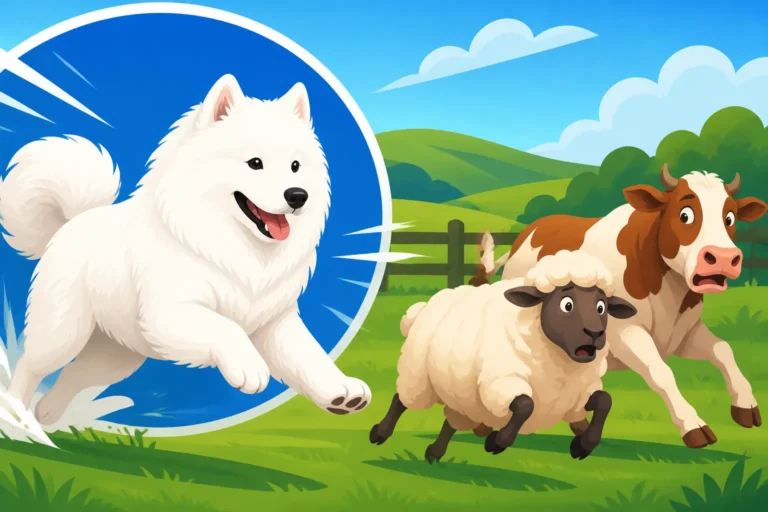
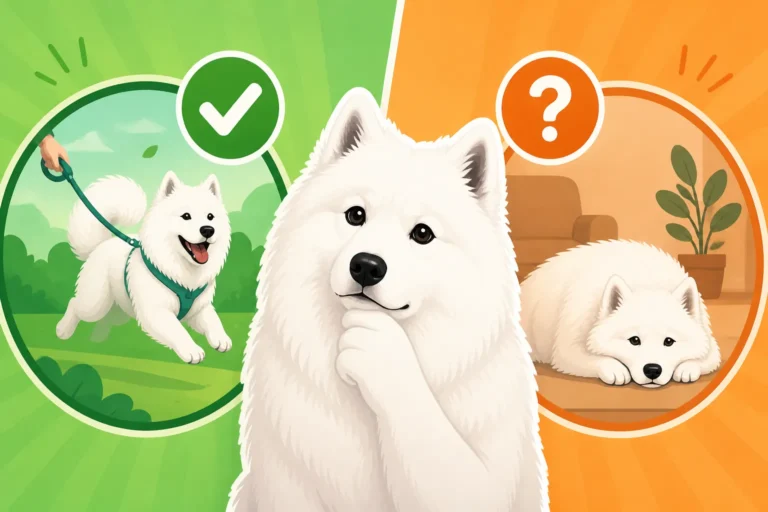
When you see a single Samoyed straining at its leash during a walk, you're witnessing that inherent pulling instinct. They have a strong drive to move forward, to explore, and to expend energy. But there’s a distinct shift when you introduce the concept of a team. For many Samoyeds, the presence of another dog – especially a bonded companion – transforms this individual drive into a cooperative effort. They are often social creatures, thriving on interaction and collaboration. This pack mentality, deeply ingrained, means that they often find an extra gear when they have a partner beside them, sharing the burden and the excitement. It’s less about one dog doing all the work, and more about a synchronized effort where each dog contributes, motivated by their companion's presence and the shared goal of forward motion. This is also why many owners find their Samoyed's recall cannot be trusted; their drive to go forward and explore often outweighs the desire to return to their human, especially if another dog is involved in the chase.
The Synergy of a Samoyed Pulling Team
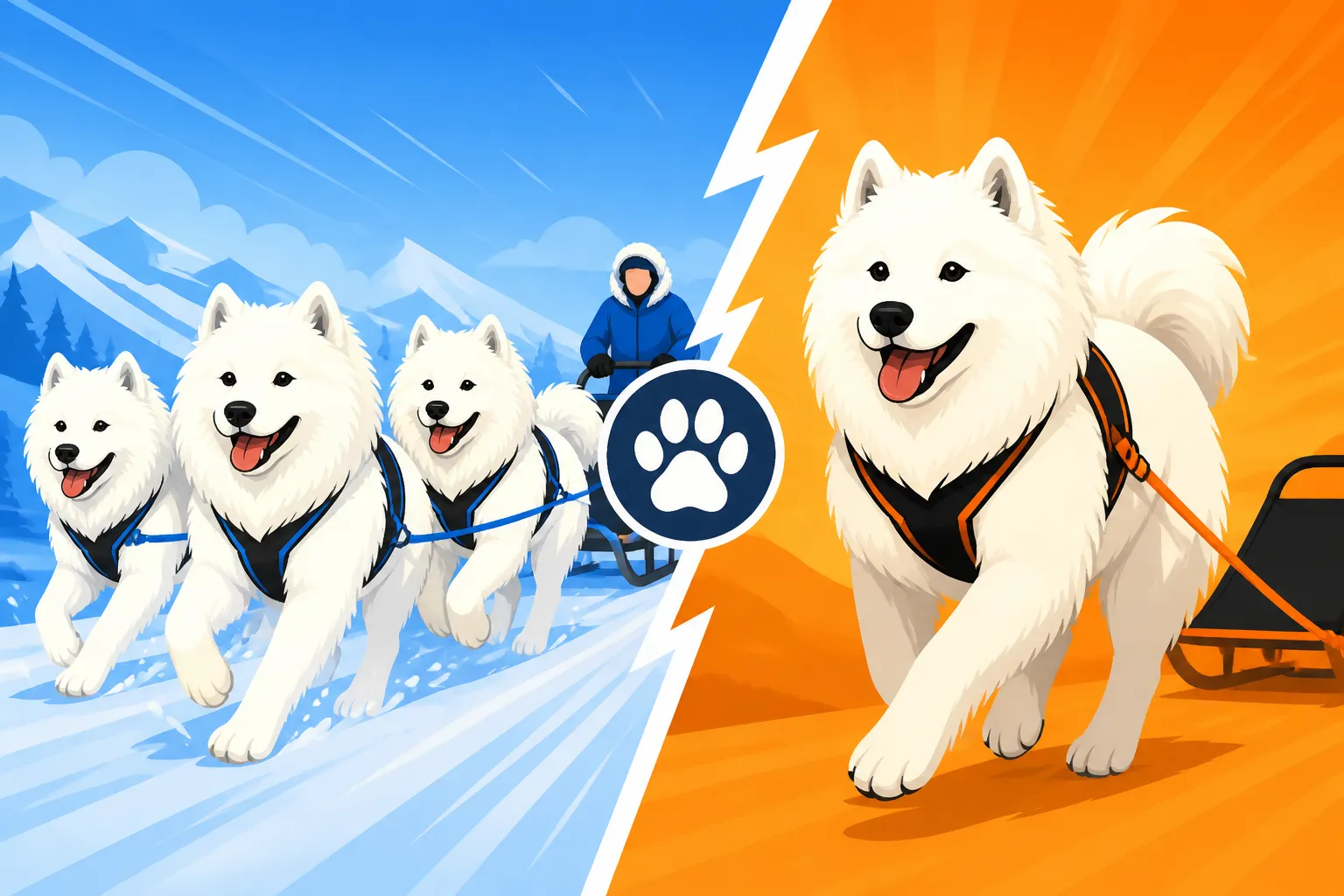
There’s something truly magical about watching two or more Samoyeds work together in harness. The whole becomes greater than the sum of its parts. Their natural cooperation and social structure often lead to a more efficient and enthusiastic pulling effort.
Why Two Heads (and Eight Legs) Are Better Than One
When Samoyeds pull as a team, you often observe a remarkable synergy. They tend to match each other's pace, respond to subtle cues from their partner, and draw strength from the collective effort. One dog might be slightly stronger, another might be more consistent, and together they balance each other out. This cooperative instinct is a hallmark of their breed. They were never meant to be solitary workers in the same way some guard breeds might be; their role involved working with others, both human and canine. This pack dynamic makes them excellent team players. If you've ever thought, "How much a Samoyed can pull?" you'll find that a well-matched team can often handle significantly more weight or sustain effort for longer periods than a single dog might on its own. They share the load, both physically and mentally, making the task less strenuous and more enjoyable for each individual.
Training Your Samoyed Duo for Optimal Performance
Training a single Samoyed to pull is one thing, but training two or more to work harmoniously as a team requires a bit more finesse and patience. The key is consistent, positive reinforcement, focusing on clear commands and building a strong bond with each dog individually and as a unit.
- Individual Foundation: Before attempting team pulling, ensure each Samoyed has a solid understanding of basic commands and is comfortable in a pulling harness. Start with short, positive sessions to get them used to the equipment and the idea of leaning into it. You might even consider an online training platform like BAXTER & Bella, which offers comprehensive programs that can help lay this foundation. They emphasize positive reinforcement, which is crucial for sensitive breeds like Samoyeds.
- Introduction to Teamwork: Begin by pairing a more experienced, reliable puller with a novice. This allows the new dog to learn by observation and mimicry. Keep initial sessions very short and highly rewarding. Use consistent verbal cues for "hike" (go), "whoa" (stop), "gee" (right), and "haw" (left).
- Equipment Matters: Invest in proper canicross or sledding harnesses that distribute weight evenly and prevent chafing. You'll also need a gangline or a Y-line to connect them, and a bungee line to absorb shock. Finding quality gear on platforms like Amazon is often straightforward, but ensure you’re getting equipment designed for multi-dog pulling to prevent injury and maximize comfort.
- Building Cohesion: Practice regularly in distraction-free environments before moving to more stimulating areas. Reward synchronized pulling and good communication between the dogs. Over time, they’ll learn to anticipate each other’s movements and work as a single, powerful unit. Remember that Training a Samoyed That Finds Obedience Negotiable can be a challenge, so consistency and high-value rewards are your best friends.
Samoyed Teams vs. Other Sled Dog Breeds
When people think of sled dogs, breeds like Siberian Huskies and Alaskan Malamutes often come to mind first. While these breeds are phenomenal pullers, Samoyeds bring their own unique strengths to the team, and understanding these differences is key to appreciating their capabilities.
Strengths and Nuances: Samoyeds in the Lineup
Samoyeds are often described as "freight dogs" rather than "speed dogs." While they may not have the explosive speed of a Husky, they excel in endurance and consistent, steady pulling power over long distances. Their dense double coats, originally designed to protect them in temperatures far below freezing, also make them incredibly resilient in sustained cold weather work. In a team, their cooperative spirit means less bickering and more focus on the task at hand. They are known for being less prone to intense "prey drive" while working compared to some other breeds, allowing them to remain focused on the trail. Whether a Samoyed Suits Canicross or other pulling sports, their enthusiasm and stamina often make them excellent partners.
| Trait | Samoyed Team | Siberian Husky Team | Alaskan Malamute Team |
|---|---|---|---|
| Primary Strength | Endurance, steady pull, cooperative spirit | Speed, agility, competitive drive | Raw power, freight hauling, incredible strength |
| Pulling Style | Consistent, enthusiastic, moderate pace | Fast, agile, often high-energy bursts | Powerful, deliberate, slower, heavy load capability |
| Team Cohesion | High cooperation, strong pack bond | Can be more independent, requires firm handling | Loyal, strong-willed, dominant in pack |
| Cold Tolerance | Excellent (bred for extreme cold) | Excellent (bred for cold) | Excellent (bred for extreme cold) |
| Temperament | Generally amiable, eager to please, social | Independent, outgoing, can be mischievous | Affectionate, dignified, can be dominant |
| Energy Level | High endurance, needs consistent exercise | Very high, needs intense exercise daily | High, needs vigorous exercise for strength |
This table highlights that while all are capable sled dogs, their inherent strengths and working styles differ. A Samoyed team is often characterized by its unwavering enthusiasm and synchronized effort rather than breakneck speed.
Optimizing Team Performance: The Human Factor
Regardless of the breed, a pulling team's efficiency heavily depends on the mushers or handlers. Your ability to read your dogs, understand their individual personalities, and provide clear, consistent leadership is paramount. This means knowing when to push, when to rest, and how to motivate each dog. For Samoyeds, who thrive on positive interaction and a strong bond, your role as a trusted leader is even more critical. The Age a Samoyed Can Start Sledding is typically around 12-18 months, ensuring their joints are fully developed, but preparatory training can start earlier. Remember that How much exercise a Samoyed needs is substantial, and pulling activities can be a fantastic way to fulfill that need for an active dog.
Maximizing Your Samoyed Team's Potential
Getting your Samoyeds to pull as a team is one thing; getting them to reach their full potential, working efficiently and joyfully together, is another. It takes dedication, understanding, and attention to detail, both in training and daily care.
Conditioning, Nutrition, and Health for Active Teams
An active pulling team needs a robust health and wellness plan to perform at its best. Just like human athletes, canine athletes require specific considerations to maintain peak condition and prevent injury.
- Tailored Nutrition: High-quality dog food formulated for active or working dogs is crucial. These diets are typically higher in protein and fat to provide the sustained energy needed for pulling. Monitor their weight closely; an overweight Samoyed will struggle and be at higher risk for joint issues. Whether a Samoyed Needs a Performance Formula is a question many owners face, and for active teams, it's often a smart choice.
- Structured Conditioning: Regular exercise beyond pulling sessions is vital. This includes free play, hiking, and swimming to build overall strength, stamina, and muscle tone. Gradual increases in duration and intensity for pulling sessions will help them build resilience without overexertion. Always ensure your Samoyeds are well-hydrated, especially before and after work.
- Routine Veterinary Care: Regular check-ups, including joint health assessments, are essential. Discuss your dogs' activity levels with your vet to ensure they're on appropriate preventive care plans. This might include joint supplements if recommended, or monitoring for signs of stress or injury that might not be immediately obvious. For a breed with genetic predispositions like hip dysplasia, regular monitoring is key, and you might want to learn Whether a Samoyed's Hip Score Predicts Later Arthritis.
Overcoming Challenges and Celebrating Successes
Even the most dedicated Samoyed teams can face challenges. These fluffy, intelligent dogs can sometimes be stubborn or have their own ideas about how things should be done.
- Uneven Pulling or Lack of Focus: One dog might be more eager than the other, or distractions might pull their attention. Patience is key. Short, engaging training sessions, high-value rewards, and practicing in different environments can help. Ensure your commands are clear and consistent. Sometimes, simply adjusting the position of a dog in the team can make a difference. If you have a particularly vocal Samoyed, known for their unique communication style, you might also have to factor in The Samoyed Scream and Why It Is Not Barking during training.
- Behavioral Quirks: Samoyeds are individuals, and their personalities will show even in a team setting. One might be more of a leader, another more of a follower. Understanding and leveraging these natural dynamics will contribute to a more harmonious team. Don't be afraid to adjust your approach for each dog. Remember, What a Samoyed Will Work For is often praise and connection as much as treats.
- The Joy of the Journey: Despite the hard work, seeing your Samoyed team work in unison, tails wagging, "smiling" as they do what they were bred for, is incredibly rewarding. The bond you build through these shared experiences is unparalleled. Whether it's a brisk canicross session or a full-on sledding adventure, the collective happiness of a working Samoyed team is truly a sight to behold. It’s about celebrating their heritage and giving them a job that fulfills their innate drive. If you're serious about the sport, joining a local sledding club can provide invaluable advice and camaraderie, and you can find out What a Samoyed Sledding Club Membership Costs in your area.
Ultimately, Samoyeds absolutely pull better in a team. While a single Samoyed has a strong pulling instinct, the breed's historical role and social nature mean they often find an extra gear, a renewed sense of purpose, and profound joy when working in concert with their canine companions. It's a testament to their cooperative spirit and enduring legacy as magnificent Arctic workers.
Disclaimer
This article is for general informational purposes only and does not constitute professional advice. Laws, prices and regulations vary by location and change over time. Consult a qualified professional for guidance on your specific situation.