How Much Exercise Quiets a Samoyed
It's a common, if frustrating, misconception that a tired Samoyed is a quiet Samoyed. Many a Samoyed parent has ramped up walks, only to find their fluffy companion still expressing themselves with the full force of their vocal cords. The truth is, figuring out how much exercise truly quiets a Samoyed is less about simply exhausting them and more about understanding the complex interplay of their physical, mental, and emotional needs. This guide will help you decipher your Samoyed's unique energy signature and tailor an exercise regimen that leads to a more peaceful home.
Understanding the Samoyed's Inherent Vocal Nature
Let's be real, Samoyeds are talkers. They aren't generally aggressive barkers, but they certainly have a lot to say, and they're not shy about saying it. This isn't a flaw in their character; it's deeply ingrained in their breed history. The Nenets people, who developed the Samoyed, valued their ability to communicate. They weren't just sled dogs or reindeer herders; they were companions who slept in the tents with their families. This close bond meant they were encouraged to interact and vocalize, not silenced.
Why Samoyeds Love to "Talk"
Your Samoyed's "talking" is a blend of various sounds – the happy grumbles, the excited woofs, the famous Samoyed "scream" when something truly momentous happens (like the mail carrier daring to approach the front door!). It’s a rich tapestry of communication, and trying to suppress it entirely is usually an uphill battle and often unfair to the dog. They vocalize out of excitement, boredom, anxiety, demand, and sometimes, just because they can. Imagine a teenager who just discovered their voice – that's often a Samoyed!
One of the biggest triggers for excessive vocalization, beyond pure excitement, is often boredom. A Samoyed who isn't adequately stimulated, both physically and mentally, will find ways to entertain themselves, and often that involves their voice. This isn't a sign of naughtiness; it's a desperate plea for engagement. What a Samoyed Sounds Like When It Talks gives you a deeper dive into their extensive vocabulary.
The Myth of the "Barking" Samoyed
While Samoyeds are vocal, they typically don't engage in endless, monotonous barking like some breeds. Their vocalizations are often more varied and communicative. If your Samoyed is constantly barking, rather than 'talking,' it's worth investigating the root cause. This could be anything from separation anxiety, which can manifest as distress vocalizations, to territorial barking if they haven't been properly socialized. A bored Samoyed might also develop a habit of incessant barking, trying to get your attention or simply relieve pent-up energy. So, before you label your Samoyed as "barky," consider if they're actually "screaming" or "grumbling" for a very Samoyed reason.
Defining "Enough" Exercise for Your Samoyed
When we talk about exercise for a Samoyed, we're not just counting steps or minutes of running. It's about providing the right kind and intensity of physical activity that addresses their breed-specific needs. These dogs were bred for endurance and a harsh northern climate; they have stamina to spare. A casual stroll around the block twice a day isn't going to cut it for most Samoyeds.
The Daily Exercise Baseline
For an adult Samoyed, a good baseline is typically 60-90 minutes of vigorous activity per day, broken into a few sessions. This isn't just leashed walking. Think about what they were bred for: pulling, running, herding. They need activities that engage these instincts.
Here’s what that might look like:
- Morning Burst: A 30-minute brisk walk, jog, or off-leash play in a secure area. This helps to burn off some of that morning energy.
- Midday Mental & Physical: A 30-minute training session, a game of fetch in the yard, or a sniff walk where they get to explore smells. This adds mental engagement, which is crucial.
- Evening Adventure: A longer 45-60 minute walk, hike, or a session of dog sports. This is where you can really let them stretch their legs and minds.
Remember, Samoyeds are smart and curious. Just running isn't enough. They need to explore, sniff, and interact with their environment. A walk where they get to stop and smell the roses (or the fire hydrant, or the intriguing patch of grass) is often more enriching than a forced march.
Tailoring Exercise to Your Samoyed's Age and Health
It's vital to remember that every Samoyed is an individual, and their exercise needs will evolve throughout their life.
- Puppies: Young Samoyeds, especially those under 18 months, need careful exercise planning. While they have bursts of energy, their growing joints are vulnerable. Short, frequent play sessions are better than long, strenuous runs. Focus on socialization and basic training. Over-exercising a puppy can lead to orthopedic issues like Hip Dysplasia in a Samoyed. Supervised play with other well-matched puppies can be excellent.
- Adults: This is typically when they're at their peak physical condition. They can handle longer hikes, more intense pulling activities like Whether a Samoyed Enjoys Skijoring, and sustained playtime.
- Seniors: As your Samoyed ages, their stamina and joint health may decline. Caring for a Samoyed Past Nine becomes a priority. While they still need mental and physical stimulation, the intensity and duration should be reduced. Gentle walks, swimming (if they enjoy it), and puzzle toys can keep them engaged without putting undue stress on their bodies. Always consult your vet to tailor an appropriate exercise plan for an older Samoyed, especially if they are managing conditions like Arthritis in an Older Samoyed.
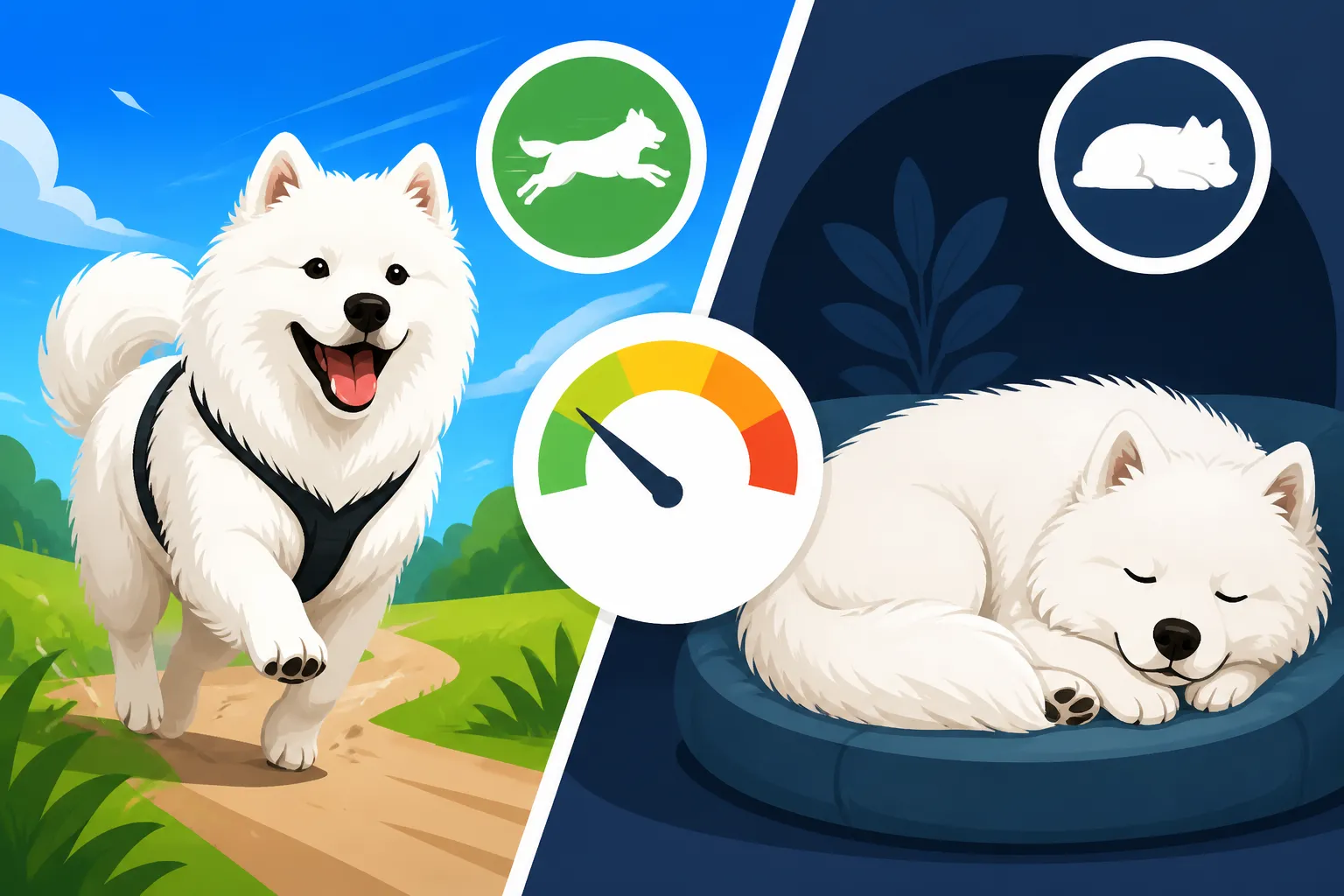
It's all about finding that sweet spot where they are tired in a good way, relaxed, and content, rather than simply physically exhausted and still mentally wired.
| Type of Activity | Duration (Ideal) | Physical Demands | Mental Engagement | Impact on Vocalization |
|---|---|---|---|---|
| Brisk Leashed Walk | 30-60 minutes | Moderate | Low to Moderate | Moderate |
| Off-Leash Running/Play | 30-45 minutes | High | High | High |
| Hiking | 60-120 minutes | High | High | High |
| Obedience Training | 15-20 minutes (per session) | Low | High | Moderate (focus) |
| Sledding/Canicross | Varies by distance/speed | Very High | High | Very High |
| Puzzle Toys/Sniffing | 15-30 minutes | Low | Very High | Very High |
The Crucial Role of Mental Stimulation and Training
Here's the kicker: even if your Samoyed runs a marathon every day, if their brilliant mind isn't challenged, they'll still be vocal. Samoyeds are intelligent problem-solvers, and if you don't give them appropriate "work" for their brains, they'll invent their own, which often involves a lot of noise. What a Bored Samoyed Does to a House perfectly illustrates this point – and it's not always just chewing!
Engaging Their Minds Beyond the Physical
Think about how much mental energy you expend at work or school. Dogs are no different! Mental stimulation can be just as tiring, if not more so, than physical activity. For a Samoyed, this is absolutely critical.
- Puzzle Toys: These are fantastic. Brands like KONG or Nina Ottosson (widely available on Amazon) offer a range of difficulty levels. Stuffing a KONG with peanut butter and freezing it can keep a Samoyed occupied for a surprisingly long time.
- Sniffing Games: Their noses are incredibly powerful tools. Hide-and-seek with treats or their favorite toy, or even just letting them go on a "sniffari" walk where they dictate the pace and focus on scent, can be incredibly enriching. This engages a primal instinct and is often calming.
- Training Sessions: Short, positive reinforcement-based training sessions several times a day can work wonders. This isn't just about teaching "sit" and "stay"; it's about engaging their minds and building a stronger bond with you. Think about trick training, shaping new behaviors, or even more advanced obedience. Online platforms like BAXTER & Bella offer excellent virtual puppy and dog training programs that can help you integrate consistent mental stimulation into your routine. What a Samoyed Will Work For outlines their motivations.
Structured Training to Redirect Vocalizations
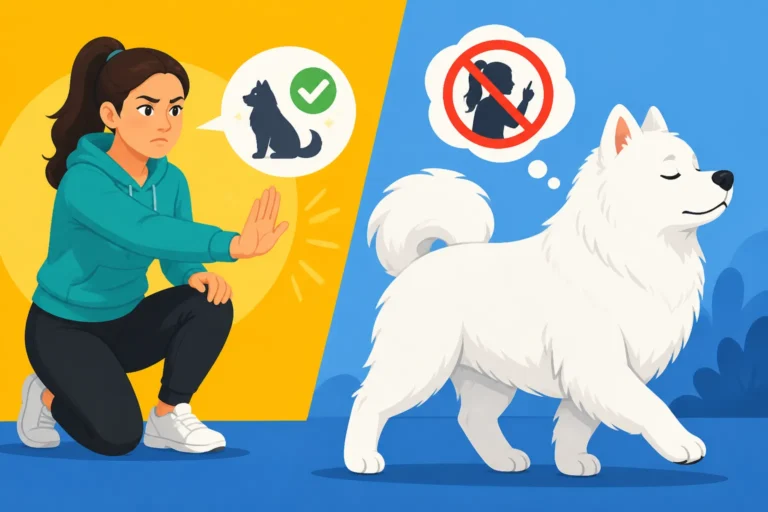
Training isn't just about obedience; it's about communication and teaching your Samoyed appropriate ways to express themselves. If they're screaming for attention, teaching them a "quiet" cue or an alternative behavior (like lying down calmly) can be incredibly effective.
- "Quiet" Command: This is often taught by waiting for a moment of silence after a vocal outburst, then rewarding that silence. Consistency is key.
- "Place" or "Mat" Training: Teaching your Samoyed to go to a designated spot and relax can be a lifesaver during times of high excitement (like visitors arriving). This gives them a job and a clear expectation.
- Impulse Control: Training games that teach impulse control, such as waiting for a release cue before eating a treat or going through a door, can help a Samoyed learn to manage their excitement and, consequently, their vocalizations.
Remember, Samoyeds are smart, but they are also independent thinkers. They might try to negotiate! Patience and consistency with positive reinforcement are your best friends. Raising your voice or getting frustrated will likely only make them louder or more confused. Why Raising Your Voice Fails on a Samoyed explains this dynamic perfectly.
When Your Samoyed is Still Too Vocal: Troubleshooting and Next Steps
You've increased physical exercise, added mental games, and started structured training, but your Samoyed still sounds like a husky-sheep hybrid opera singer. Don't despair! There are still avenues to explore.
Addressing Underlying Causes
Sometimes, excessive vocalization isn't just about energy or boredom; it can be a symptom of something deeper.
- Separation Anxiety: If your Samoyed is only vocal when you leave, and it's accompanied by destructive chewing, pacing, or house-soiling, it might be separation anxiety. This requires a different approach than just more exercise. Professional help from a certified veterinary behaviorist or a positive reinforcement trainer specializing in anxiety is often necessary. Separation Anxiety in a Samoyed is a good resource here.
- Medical Issues: While less common, pain, discomfort, or even conditions like canine cognitive dysfunction in older dogs can lead to increased vocalization. If there's a sudden change in your Samoyed's vocal habits, a vet visit is always a good idea to rule out any medical causes.
- Attention-Seeking: Samoyeds are incredibly social dogs and thrive on interaction. If you inadvertently reward their vocalizations with attention (even negative attention like scolding), you might be reinforcing the very behavior you want to stop. Try to ignore the vocalization and reward moments of quiet. This takes incredible consistency and patience from everyone in the household.
Environmental Management and Routine
Sometimes, the environment itself is contributing to the noise.
- Managing Triggers: Does your Samoyed go wild at the sight of people walking by the window? Consider using frosted window film or blinds to limit their view. Does the doorbell set them off? Work on desensitization and counter-conditioning with the sound of the doorbell.
- Creating a Safe, Quiet Space: Ensure your Samoyed has a comfortable, den-like space where they can retreat and feel secure. This might be a crate covered with a blanket (ensure good airflow!) or a specific bed in a quiet corner. This space can become their "zen zone."
- Consistent Routine: Dogs thrive on routine. A predictable schedule for walks, meals, training, and downtime can help reduce anxiety and uncertainty, which can contribute to vocalization. Knowing what to expect can be very calming for a Samoyed.
- Enrichment During Alone Time: If your Samoyed is vocal when left alone, ensure they have appropriate, long-lasting enrichment items, like those KONGs we talked about, or a snuffle mat for their meal, before you leave. These can help redirect their focus and make alone time more tolerable. Consider if How Many Hours a Samoyed Can Be Left is realistic for your specific dog.
Ultimately, quieting a Samoyed isn't about silencing their spirit; it's about understanding their needs and channeling their magnificent energy and intelligence into productive, healthy outlets. It's a journey, not a destination, but a journey well worth taking for a peaceful, happy, and well-adjusted Samoyed.
Disclaimer
This article is for general informational purposes only and does not constitute professional advice. Laws, prices and regulations vary by location and change over time. Consult a qualified professional for guidance on your specific situation.