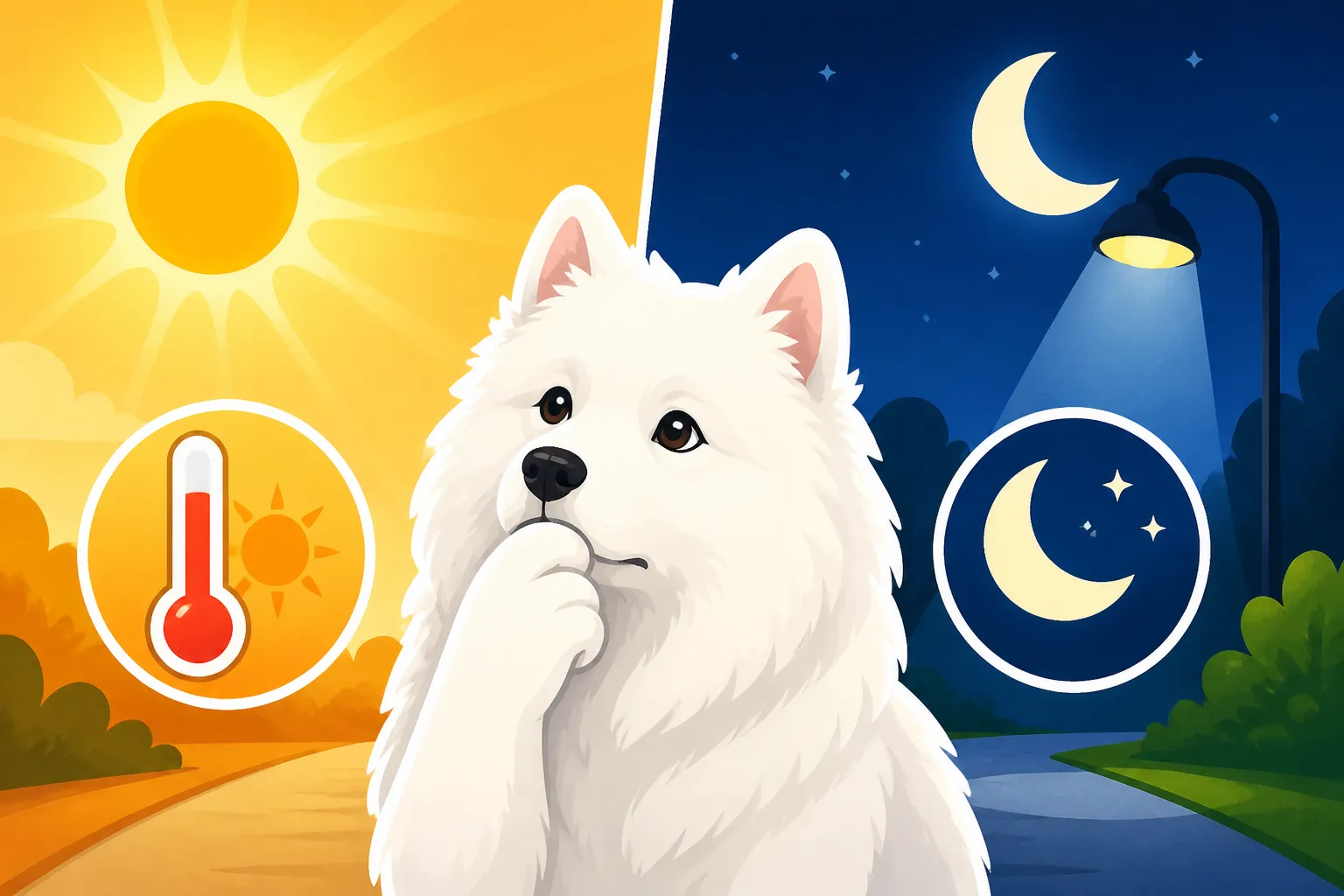
Whether a Samoyed Should Only Be Exercised at Night in Summer
Summer can feel like a battleground for Samoyed owners, especially when you’re trying to balance your dog's need for exercise with the scorching daytime heat. It’s a frustrating tightrope walk, often leaving you wondering if it's truly safe to even step outside during daylight hours. This guide will dive deep into why summer exercise for your Samoyed requires careful planning and often means rethinking your daily routine, focusing heavily on the benefits and necessities of cooler evening and early morning activities.
Understanding Your Samoyed's Unique Heat Challenges
Let's face it, our Samoyeds are built for a completely different climate. When you look at that magnificent double coat, it screams "Arctic," not "Arizona summer." Understanding why your Samoyed struggles so much with heat is the first step in keeping them safe and happy. It's not just about them feeling a bit warm; it's about their fundamental physiology being at odds with high temperatures.
The Arctic Coat: A Double-Edged Sword
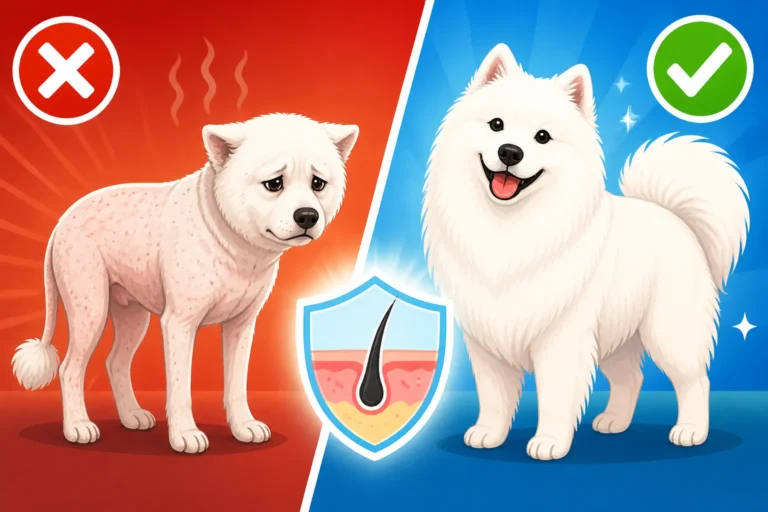
Your Samoyed's luxurious coat is their superpower in the cold, but it can quickly become a significant liability in the heat. They boast a dense, woolly undercoat that traps warm air, acting like a built-in down jacket. Over this, they have longer, coarser guard hairs that repel dirt, water, and snow. In their native Siberia, this combination allows them to thrive in temperatures that would send us scrambling for multiple layers.
However, in summer, this incredible insulation works both ways. While it can theoretically offer some protection from direct sunlight, it primarily traps body heat close to their skin. It prevents the efficient dissipation of heat, which is crucial for dogs to cool down. Their primary methods of cooling are panting and radiating heat from their paw pads. If the ambient air is too hot, panting becomes less effective because they're essentially trying to exchange hot body air for equally hot environmental air. This is why you often hear the advice: A Samoyed's Coat Is Insulation, Not Decoration. It’s not just for looks; it’s a critical part of their temperature regulation system.
Northern Ancestry and Physiological Adaptations
Samoyeds originated with the Nenets people of Siberia, where they performed crucial tasks like herding reindeer and pulling sleds in brutally cold conditions. Their entire physical makeup, from their compact body shape to their deep chest and, of course, their coat, is optimized for surviving and working in extreme cold. They are A Samoyed Built for Sixty Below in an American Summer!
These adaptations mean they simply aren't equipped to handle prolonged exposure to heat the way some short-coated breeds might. They don't sweat efficiently through their skin like humans do. Their panting mechanism works best when there's a significant temperature difference between their body and the surrounding air. When humidity is high, it makes panting even less effective, as it hinders the evaporation of moisture from their respiratory tracts, which is a key part of their cooling process. This inherent design means that even on a moderately warm day, what feels comfortable to you might already be pushing your Samoyed into dangerous territory.
The Risks of Daytime Exercise in Summer
Ignoring the specific needs of your Samoyed during summer daytime can lead to serious health consequences, far beyond just discomfort. It’s not about them being "tougher" or "getting used to it"; it's about respecting their physiology and preventing potentially fatal issues.
Heatstroke: The Silent Killer
Heatstroke is the most severe and life-threatening risk of exercising your Samoyed in warm weather. It occurs when a dog's body temperature rises to a dangerously high level (typically above 104°F or 40°C), overwhelming their natural cooling mechanisms. Unlike you, your Samoyed can't just shed a layer or take a cold shower when they feel too warm.
Early signs of heatstroke can be subtle, but they escalate quickly. You might notice excessive panting, drooling, a dark red tongue, or weakness. As it progresses, symptoms can include vomiting, diarrhea, uncoordinated movement, collapse, and even seizures. These are serious Signs a Samoyed Is Overheating that demand immediate attention. Brain damage, kidney failure, and death can occur rapidly. Even if your Samoyed appears to recover, there can be lasting organ damage. It’s a terrifying reality for any Samoyed owner, and it's why prevention is absolutely paramount. Don't ever take a chance with a Samoyed when it comes to heat.
Paw Pad Burns and Dehydration Hazards
Beyond heatstroke, there are other, equally concerning risks associated with daytime summer exercise. The ground itself, whether it's asphalt, concrete, or even dark-colored artificial turf, can reach incredibly high temperatures under direct sunlight. Imagine walking barefoot on a blacktop parking lot in July—that's what your Samoyed's paw pads are experiencing. These surfaces absorb and retain heat, causing painful burns and blisters that can take weeks to heal and get infected. Always do the "seven-second test": if you can't comfortably hold the back of your hand on the pavement for seven seconds, it's too hot for your dog's paws.
Dehydration is another major concern. Samoyeds pant heavily to cool down, which means they lose a lot of moisture. Even if you carry water, an active Samoyed can quickly become dehydrated, especially if they are exercising for any length of time. This can lead to lethargy, dizziness, and further exacerbate the risk of heatstroke. Providing How Much Water a Samoyed Needs in Summer is crucial, but it might not be enough if they're also overexerting themselves in the heat. It’s a vicious cycle where heat makes them pant more, which leads to more fluid loss, making them more susceptible to the heat.
Why Nighttime and Early Morning Exercise Shine for Samoyeds
Given the serious risks, it becomes clear that adjusting your Samoyed’s exercise schedule during summer isn't just a good idea—it's often a necessity for their well-being. Focusing on the cooler parts of the day, primarily early mornings and evenings, offers a safer and much more enjoyable experience for your furry friend.
Cooler Temperatures, Happier Samoyeds
The most obvious benefit of exercising during these times is the lower ambient temperature. As the sun sets, or before it fully rises, the air temperature drops significantly. This cooler air makes panting a much more effective cooling mechanism for your Samoyed. There's less heat to contend with, allowing their bodies to regulate temperature more efficiently.
Consider a typical summer day in a place like Dallas or Phoenix. By 10 AM, the pavement is already sizzling, and the air is thick with heat. Attempting a walk then would be sheer misery and danger for your Samoyed. But at 6 AM, or after 8 PM, the ground has had a chance to cool, and the humidity might even drop slightly, making the air feel much more breathable. This allows your Samoyed to engage in their natural The Job a Samoyed Actually Needs without the immediate threat of overheating. They can actually enjoy their walk, sniffing around, playing, and getting their energy out, rather than just struggling to survive the heat.
Practical Tips for Cooler Walks
Making the switch to early morning or late evening walks might require a bit of an adjustment to your own schedule, but it's well worth it. Here are some practical tips to make it work:
- Sunrise Strolls: Aim for right after sunrise, or even before it, if you're an early riser. The air is usually at its coolest then, and there's often a lovely tranquility that you won't find later in the day.
- Sunset Saunters: After the sun has fully dipped below the horizon, give the ground some time to cool down. An hour or two post-sunset is often ideal. Check the pavement with your hand before you leave.
- Safety First: When walking in the dark, ensure both you and your Samoyed are visible. Reflective gear for yourself, a light-up collar or vest for your dog, and a flashlight for navigating are essential. Many pet supply stores and online retailers like Amazon offer a wide range of reflective and illuminated gear specifically for night walks.
- Hydration is Key: Even during cooler hours, always bring fresh water for your Samoyed. A collapsible bowl is a must-have. You can also offer a bit of water before you head out and immediately upon returning home.
- Know Your Route: Stick to well-lit areas, if possible, and be aware of your surroundings. Avoid areas with heavy traffic or too many potential hidden hazards.
- Watch for Whether a Samoyed Refuses to Walk in Heat: Your Samoyed will often tell you when it’s too hot. If they're lagging, trying to lie down, or excessively panting even in the cooler parts of the day, it's a sign to shorten the walk or head home. Their refusal is not stubbornness; it's a critical self-preservation instinct.
Here's a quick guide to help you decide on the best exercise times:
| Time of Day | Pavement Temperature (Approx.) | Air Temperature (Approx.) | Samoyed Comfort Level | Risk Factor | Best Activities |
|---|---|---|---|---|---|
| Early Morning | Cool to Mild | Cool | High | Low | Brisk walk, light jog, sniffing, short play |
| Late Morning | Warming | Mild to Warm | Moderate to Low | Medium | Shorter walk, shade-focused, indoor play |
| Midday (11-4pm) | Hot to Extremely Hot | Hot to Very Hot | Very Low | High | No outdoor exercise; indoor play only |
| Late Afternoon | Hot | Warm to Hot | Low | High | No outdoor exercise; indoor play only |
| Evening (Post-sunset) | Cooling | Mild to Cool | High | Low | Brisk walk, light jog, sniffing, short play |
Note: "Approx." temperatures are generalizations and will vary significantly based on location, humidity, and specific weather conditions.
Beyond Exercise: Holistic Summer Heat Management
While adjusting exercise times is critical, it's only one piece of the puzzle when caring for a Samoyed in summer. A comprehensive approach to heat management means considering their entire environment and daily routine.
Creating a Cool Home Environment
Your home becomes your Samoyed's sanctuary during the hot months. Air conditioning is almost a non-negotiable for Samoyed owners in warmer climates. Keeping your home cool, ideally between 70-75°F (21-24°C), provides a refuge from the outdoor heat. If central air isn't an option, consider window units in key rooms where your Samoyed spends most of their time. Fans can also help circulate air and provide a slight cooling effect, but they don't lower the ambient temperature.
Beyond air temperature, consider cooling accessories. Whether a Cooling Mat Helps a Samoyed is a common question, and the answer is generally yes! Many Samoyeds love to sprawl out on gel-filled cooling mats, or even just a cool tile floor. You can find excellent options on Chewy or Amazon. Some dogs also enjoy raised beds that allow air to circulate beneath them. Providing plenty of shaded, cool spots throughout the house gives them options to chill out.
Hydration and Nutrition Adjustments
Hydration cannot be stressed enough. Always ensure multiple bowls of fresh, cool water are available throughout your home. You can add ice cubes to their water bowl to keep it cooler longer, or even offer frozen treats like ice cubes, pupsicles, or frozen Kongs filled with peanut butter or plain yogurt. This adds extra fluids and keeps them occupied.
When it comes to feeding, some Samoyeds might lose a bit of their appetite in extreme heat, which is normal. Consider feeding smaller meals during the cooler parts of the day. If your Samoyed is particularly finicky or needs an enticing meal, fresh food options, like those from Ollie, might be more appealing and can sometimes have a higher moisture content, contributing to hydration. Just remember to always introduce new foods slowly. What a Samoyed Needs Every Day includes proper nutrition, which becomes even more important when their bodies are working harder to regulate temperature.
Water Activities and Play
If your Samoyed enjoys water, summer is the perfect time to incorporate some water-based activities. A kiddie pool in the backyard filled with cool water can be a fantastic way for them to splash and cool off. Remember, always supervise your dog around water, even shallow pools. Some Samoyeds enjoy wading, others might even Whether a Samoyed Should Swim to Cool Off. It's a low-impact way for them to burn energy without overheating. Just be sure to thoroughly dry their undercoat after any water play to prevent skin issues.
Indoor games and mental stimulation are also vital. When it's too hot for outdoor exercise, turn to puzzle toys, training sessions, or hide-and-seek with treats indoors. These activities keep their minds active and prevent boredom, which can often lead to destructive behaviors if their energy isn't channeled. It’s all about adapting to the season and prioritizing their health and comfort.
Disclaimer
This article is for general informational purposes only and does not constitute professional advice. Laws, prices and regulations vary by location and change over time. Consult a qualified professional for guidance on your specific situation.