Removing Stains From a Samoyed’s Coat
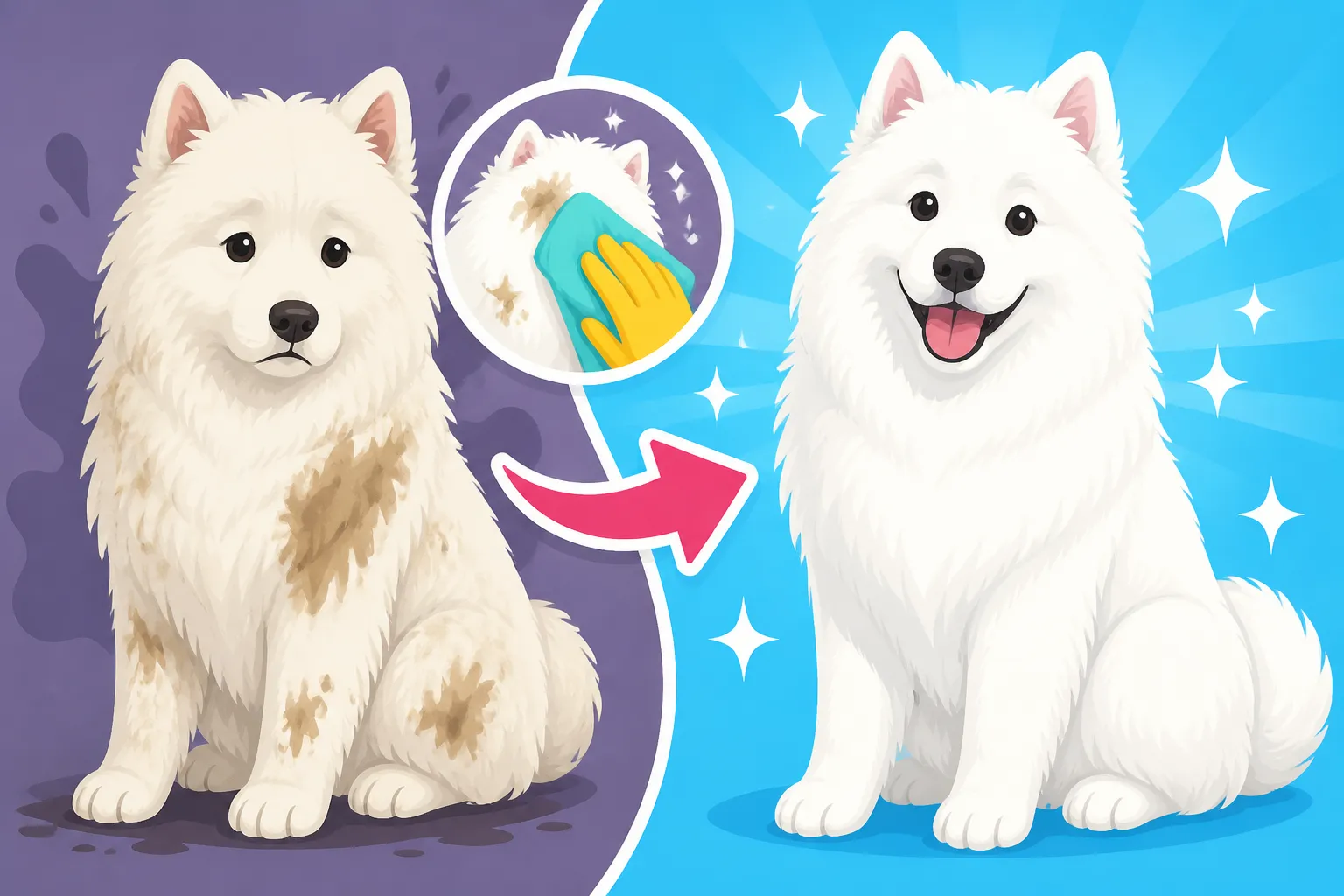
Oh, the sheer joy of a Samoyed bounding through the snow, a picture of pristine white perfection! And then, the inevitable happens: they find that one mud puddle, decide to redecorate their beard with dinner, or leave a little "personal mark" on their pristine white fur. If you've ever spent what feels like an eternity trying to scrub out an unidentifiable yellow or brown patch from your Samoyed's otherwise immaculate coat, you know the struggle is very, very real. It's a frustrating dance between their adventurous spirit and our desire for them to always look their best. This guide is all about tackling those stubborn, unwelcome stains, helping you understand why they happen and how to banish them effectively, so your fluffy companion can go back to being their dazzling white self.
The Samoyed's Glorious Coat: A Double-Edged Sword for Stains
The Samoyed's coat is truly a marvel of nature, designed to withstand the harshest Arctic conditions. It's thick, dense, and oh-so-luxurious. But this very marvel, while providing warmth and protection, also presents unique challenges when it comes to keeping it clean and free of unsightly stains. Understanding its structure is the first step in winning the battle against grime.
The Intricacies of the Double Coat
A Samoyed's coat isn't just one layer; it's a sophisticated double coat made up of two distinct types of fur. First, you have the outer guard hairs. These are longer, coarser, and slightly stiffer, providing a protective barrier against snow, rain, and dirt. They're naturally somewhat resistant to water and repel much of the superficial grime. Below this, lies the incredibly dense, soft, and woolly undercoat. This is the insulation layer, trapping air to keep them warm in winter and surprisingly, also cool in summer. Why a Samoyed's Coat Really Keeps It Cool is a fascinating read about this incredible feature.
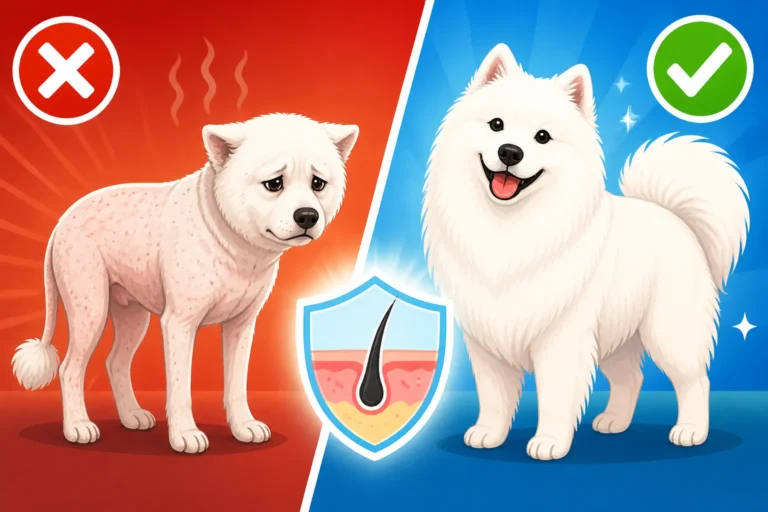
The challenge arises because while the guard hairs do a decent job of shedding everyday dirt, stubborn or oily substances can penetrate them and reach the undercoat. Once a stain hits that fluffy, absorbent undercoat, it can wick deep into the fibers, becoming much harder to remove. Think of it like trying to get red wine out of a wool sweater – it's going to be a tougher job than off a raincoat. The sheer volume and density of the undercoat mean that even a small stain can appear quite large and embedded.
Why White Makes Everything More Noticeable
It's a given, isn't it? A Samoyed's predominantly white coat acts like a giant, fluffy spotlight for every speck of dirt, every muddy splash, and every accidental dribble. What might barely show on a darker-coated breed becomes an instant eyesore on a Samoyed. The illusion of purity is easily shattered by a roll in the grass or a playful romp.
This visual prominence isn't just about aesthetics; it means we, as owners, are often more diligent (and perhaps a little obsessive) about keeping them clean. It also means we need effective, yet gentle, methods to address stains without damaging that beautiful coat or irritating their skin. Because the coat is so effective at shedding lighter dirt naturally, as described in How a Samoyed's Coat Sheds Dirt on Its Own, the stains that do stick out are usually the ones that require more targeted attention. It’s a constant vigilance, but totally worth it for those snowy white hugs!
Common Types of Samoyed Coat Stains and Their Causes
Every Samoyed owner quickly becomes an expert in identifying various shades of "not quite white" on their dog. These stains often come from predictable sources, and understanding the culprit can sometimes give you a head start on the remedy. Let's dive into the usual suspects.
Urine and Lick Stains
These are, unfortunately, some of the most common and persistent stains, especially around the legs, belly, and paws. When a Samoyed pees, some urine can splash onto their hind legs and belly fur. Over time, the ammonia and other compounds in urine can cause a yellowish or reddish discoloration, particularly in areas that are repeatedly exposed. This isn't just an aesthetic issue; if the urine is left, it can irritate the skin underneath and cause a lingering odor. Regular attention to these areas is key.
Similarly, persistent licking, often on the paws or lower legs, can lead to saliva stains. This can be due to allergies, boredom, or simply a habit. Saliva contains enzymes and porphyrins (pigments) that, when exposed to air and light, can leave a reddish-brown or yellowish stain on white fur. You might notice this pattern specifically on their feet, where they spend time nibbling or licking, as detailed in Whether a Samoyed's Feet Stain From Licking. It's a tough cycle because the licking often worsens the stain, which can then become a visual prompt for more licking.
Mud, Dirt, and Environmental Stains
This category covers pretty much anything your Samoyed encounters on their daily adventures. Mud, red clay, dust, grass stains, even sap from trees – you name it, they'll likely find it and wear it. A deep, rich mud puddle is a Samoyed's canvas, and their white fur is the perfect backdrop for their latest artistic creation. These stains can be incredibly varied in color and intensity, from a light earthy tint to a deep, dark brown.
Beyond the obvious mud, environmental factors like pollution, smoky air, or even certain minerals in hard water can gradually dull or stain the coat over time. If you live in an area with a lot of red clay soil, for instance, you'll know the battle is constant. These aren't usually immediate, dramatic stains, but rather a slow accumulation that impacts the overall brightness of the coat. A Samoyed’s natural inclination to dig, perhaps to make a cool spot in the summer, can also lead to widespread dirt stains, creating a patchy, off-white appearance.
Food, Grease, and Tear Stains
These stains often occur around the face, especially the beard and under the eyes. When a Samoyed eats, food particles, grease, and saliva can cling to the fur around their mouth. Over time, especially with certain types of kibble or wet food, these can create a yellowish-brown crust or stain on their beautiful "beard," as highlighted in What a Samoyed's Beard Stains From Food. Some dog foods contain dyes or high iron content that can exacerbate these stains.
Tear stains are another common woe, particularly under the eyes. These appear as reddish-brown streaks and are caused by porphyrins, iron-containing molecules excreted in tears. While more pronounced in some breeds, Samoyeds can certainly develop them, especially if they have allergies, blocked tear ducts, or certain eye irritations. Similarly, saliva from licking paws or other body parts can also create similar reddish-brown marks. Sometimes, the issue isn't just external but also related to diet. For instance, some owners find that switching to a high-quality, grain-free food might reduce tear staining, and brands like Ollie, known for their fresh food options, are often explored for such purposes.
Effective Strategies for Spot Cleaning and Stain Removal
Alright, we've identified the enemies. Now, let's talk about how to fight back! The key to successful stain removal on a Samoyed's coat is often a combination of prompt action, the right techniques, and suitable products. Remember, gentle but persistent is usually the way to go.
Dry Cleaning Methods for Fresh Stains
Sometimes, a full bath isn't necessary, or even desirable, for a small, fresh stain. This is where dry cleaning methods become your best friend. For mud and dirt, the cardinal rule is: let it dry completely. Trying to rub wet mud into a Samoyed's coat is like trying to dry paint with a wet sponge – you'll just spread it. Once the mud is bone dry, much of it can be brushed out easily, often falling off the guard hairs. For the remaining residue, a good stiff slicker brush and a metal comb are invaluable.
For more stubborn dry stains, or for general brightening, cornstarch or baking soda can work wonders. Simply sprinkle a generous amount directly onto the stained area, gently work it into the fur (making sure not to get it in their eyes or nose), and let it sit for about 10-15 minutes. These powders absorb oils and moisture, helping to lift the stain. Then, brush it out thoroughly. You'll be amazed at how much cleaner the fur looks. This method is particularly useful for light grease stains or just dullness, and is a fantastic way to Spot Cleaning a Samoyed Instead of Bathing It. For buying these essentials like good quality brushes and cornstarch, online retailers like Amazon or Chewy offer a wide selection.
Wet Cleaning Techniques and Products
When dry methods aren't enough, or for more deeply embedded or greasy stains, wet cleaning is the next step. However, it's crucial to spot treat rather than opt for a full bath unless absolutely necessary, to avoid over-drying the skin.
Start with a damp cloth and a dog-specific whitening shampoo or stain remover. Look for products designed for white coats that contain optical brighteners (which reflect blue light to make white appear whiter) but are free from harsh bleaches that can damage the coat. Apply a small amount of the product directly to the stain, gently lather it in, and let it sit for the recommended time (usually a few minutes). Then, rinse thoroughly with warm water, ensuring all shampoo residue is removed. Leftover shampoo can actually attract more dirt or irritate the skin.
For tear and beard stains, specific tear stain removers are available. These often come as wipes or liquid solutions. Consistency is key here; you'll need to use them daily for a period to see significant improvement. Always be extremely careful around the eyes. If you’re wondering Which Shampoo Keeps a Samoyed White, there are many excellent options on the market, but be mindful that Whether a Whitening Shampoo Damages a Samoyed's Coat is a common concern if used improperly or too frequently. Always read labels and choose reputable brands.
Here's a quick comparison of common stain types and removal approaches:
| Stain Type | Common Causes | Immediate Action (Dry) | Wet Cleaning Approach | Notes |
|---|---|---|---|---|
| Mud/Dirt | Rolling, digging, outdoor play | Let dry, then brush vigorously | Spot clean with dog shampoo; rinse thoroughly | Avoid rubbing wet mud; use a force dryer if available for thorough drying. |
| Urine/Lick | Splashing, self-licking due to irritation/habit | Damp cloth, mild baking soda paste | Whitening shampoo or pet-safe stain remover; regular cleaning | Address underlying causes of excessive licking/urination. |
| Food/Grease | Eating, oily treats | Cornstarch/baking soda to absorb oil | Degreasing shampoo for pets; facial cleanser for beards | Use warm water; consider diet changes if staining is persistent. |
| Tear/Saliva | Eye irritation, porphyrins, excessive licking | Dry wipe daily to prevent buildup | Dedicated tear/saliva stain remover; gentle wiping | Daily maintenance is crucial; address vet issues if severe. |
| Grass/Plant | Rolling in grass, contact with foliage | Brush out any plant matter | Pet-safe stain remover; whitening shampoo | May require repeated applications for green stains. |
Remember, after any wet cleaning, ensure the area is completely dry. A damp undercoat can lead to skin irritation or hot spots. A pet-specific force dryer, like those you might find on Amazon or Chewy, can significantly speed up drying time and ensure the undercoat is bone-dry. Drying a Samoyed to the Skin is essential after any bathing or intense spot cleaning.
Preventative Measures to Keep Your Samoyed's Coat White
While stains are an inevitable part of living with an active Samoyed, there's a lot you can do to minimize their occurrence and keep that coat looking its best. Prevention truly is the best medicine here.
Regular Grooming and Brushing Habits
This is perhaps the single most important preventative measure. A well-maintained coat is less likely to hold onto dirt and stains. Regular brushing helps remove loose hair, dirt, and debris before it can become embedded or cause mats. Mats are notorious for trapping moisture and dirt, leading to deeper, more stubborn stains and potential skin problems. Aim for brushing at least 2-3 times a week, and more frequently during shedding seasons. How Often a Samoyed Needs Brushing is something every owner should know.
Focus particularly on areas prone to staining: around the mouth, under the eyes, the belly, and the hind legs. Using a good quality slicker brush and a metal comb to get down to the undercoat will keep the fur clean and aerated. This consistent grooming also stimulates the skin, promoting healthy coat growth and helping the natural oils distribute evenly, which can further enhance the coat's natural dirt-repelling properties. It’s also a great bonding experience!
Strategic Use of Protective Gear
Sometimes, you need a little extra help to keep your Samoyed from turning into a walking mud puddle. Depending on the activity or environment, protective gear can be incredibly useful. For rainy days or muddy walks, a dog raincoat or a simple dog jacket can shield a good portion of their back and sides from direct contact with muck. While it won't cover everything, it can significantly reduce the amount of dirt that needs to be brushed or washed off later.
For paws and lower legs, dog boots or paw coverings can be a game-changer, especially in snowy conditions where road salt or icy sludge can not only stain but also irritate their paw pads. Even a quick wipe down of paws after every outdoor excursion can make a huge difference in preventing dirt from being tracked into the house and then transferred to their belly fur. If your Samoyed loves to dig, or you know they'll be in a particularly dirty area, consider investing in washable leg sleeves or even just wrapping their lower legs in a towel for the duration of the messy activity.
Diet, Hydration, and Overall Health
What goes into your Samoyed can definitely affect what comes out – and how it interacts with their coat. A high-quality, balanced diet can contribute to overall coat health, making it more resilient and less prone to certain types of staining. Some owners find that certain ingredients, particularly artificial colors or low-quality fillers, can exacerbate tear and beard stains. Discussing dietary changes with your vet might be beneficial if you're struggling with persistent discoloration around the face. Brands like Ollie, which emphasize fresh, wholesome ingredients, are often considered by owners looking to improve their dog's overall health and potentially reduce issues like tear staining that can be linked to diet.
Adequate hydration is also crucial. A well-hydrated dog will generally have healthier skin and coat. Encourage water intake, especially in warmer weather. Furthermore, addressing any underlying health issues, such as allergies, skin infections, or blocked tear ducts, is vital. These conditions can lead to excessive licking, rubbing, or tear production, which in turn causes stubborn stains. Your vet can help diagnose and treat these issues, which will then make your efforts at stain removal much more effective. Sometimes, the solution isn't just external; it's about holistic health. Why a Samoyed's Urine Should Be Tested Young can also give insights into overall kidney health, which in turn affects urine quality.
When to Seek Professional Grooming Help
While we all love being hands-on with our Samoyeds, there comes a point where even the most dedicated owner might need to call in the professionals. There's no shame in admitting that some stains, or overall coat conditions, are simply beyond our home grooming capabilities.
Beyond the Scope of DIY
You've tried everything. You've brushed, you've spot cleaned, you've tried every safe product under the sun, but that persistent yellow patch on their hind leg just won't budge. Or perhaps your Samoyed decided to roll in something truly heinous – motor oil, tar, or an unknown sticky substance. These are the moments when a professional groomer becomes your superhero. They have access to specialized tools, stronger (but still safe!) products, and extensive experience with stubborn stains on double-coated breeds. They also know how to get deep into the undercoat without causing damage or matting.
Furthermore, if your Samoyed's coat has developed significant matting, especially in hard-to-reach areas, attempting to remove it yourself can be painful for your dog and potentially lead to skin nicks or bald spots. Professional groomers are skilled at dematting gently and effectively. They can assess the extent of the damage and recommend the best course of action, which might even involve a carefully done shave down in severe cases, though Why Shaving a Samoyed Makes the Heat Worse explains why this is generally avoided.
The Benefits of a Full Professional Spa Day
Beyond just stain removal, regular professional grooming offers numerous benefits for your Samoyed's coat and overall well-being. A full groom typically includes a thorough bath with high-quality shampoos and conditioners designed for double coats, professional drying (often with powerful force dryers that get right down to the skin, essential for preventing skin issues), and a full brush-out that removes all dead undercoat. This comprehensive cleaning can restore the coat's natural luster and brilliant white color that's hard to achieve at home.
Groomers can also address issues like impacted undercoat, which can lead to dullness, skin problems, and a greater propensity for staining. They can trim paw pads, clean ears, and clip nails – all aspects of hygiene that contribute to a healthier, cleaner Samoyed. Think of it as hitting the reset button on their coat. While it's an investment, the results often speak for themselves, making your Samoyed look and feel their absolute best. And if you've ever wondered What a Full Groom on a Samoyed Costs, it's good to research local groomers for their pricing structures, as specialized care for double-coated breeds often requires more time and expertise. Sometimes, the value of that pristine coat and the peace of mind it brings is simply priceless.
Disclaimer
This article is for general informational purposes only and does not constitute professional advice. Laws, prices and regulations vary by location and change over time. Consult a qualified professional for guidance on your specific situation.