Whether an Affected Samoyed Male Feels Pain
It’s a heart-wrenching fear for any Samoyed owner, especially when you know about Samoyed Hereditary Glomerulopathy (SHG): wondering if your beautiful, smiling male is suffering in silence. The truth is, pinpointing pain in dogs, particularly in stoic breeds like our Samoyeds, can be incredibly difficult, but understanding the disease progression helps us recognize the signs of discomfort and ensure their well-being. This guide will delve into how SHG impacts a Samoyed, how to recognize subtle signs of distress, and what you can do to manage their comfort.
Understanding Samoyed Hereditary Glomerulopathy (SHG) and Its Impact
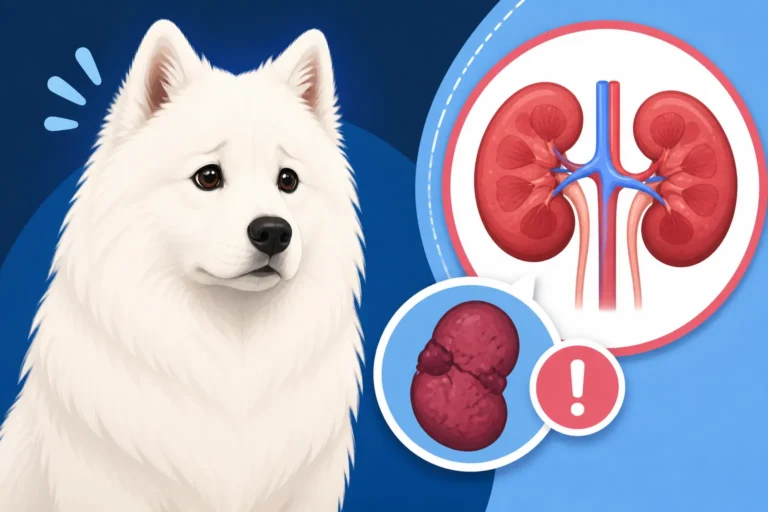
Samoyed Hereditary Glomerulopathy, often referred to as SHG or Samoyed Hereditary Nephritis (SHN), is a devastating, X-linked genetic kidney disease that primarily affects male Samoyeds. For owners, this diagnosis casts a long, dark shadow, and the primary concern is always the quality of life their beloved companion will experience. It’s important to remember that kidney disease, especially in its early stages, isn't always overtly painful in the way a broken bone might be, but it certainly causes significant discomfort and a decline in overall well-being.
The Silent Progression of Kidney Disease
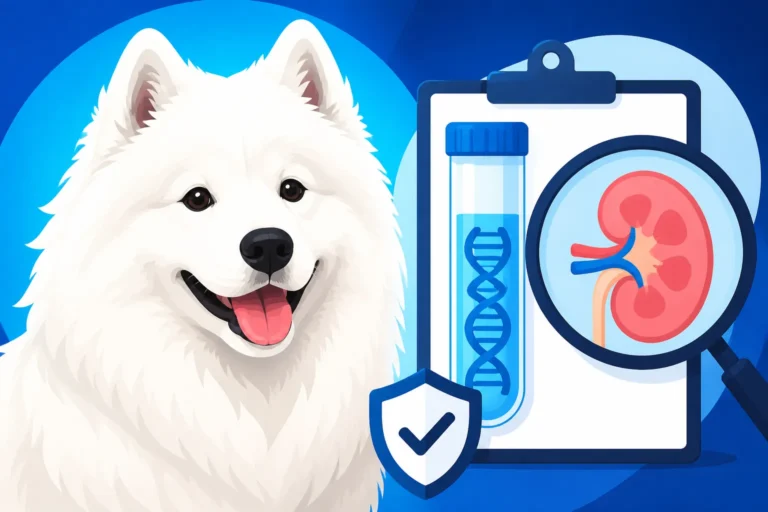
One of the most insidious aspects of SHG is its silent progression. Affected male Samoyeds inherit the gene from their mothers, and the disease begins to manifest at a cellular level long before any outward signs appear. Initially, the tiny filtering units in the kidneys, called glomeruli, begin to fail. This leads to a gradual but relentless leakage of protein into the urine. In the early stages, your dog might seem perfectly normal, full of energy, and eager for playtime. This makes detecting the disease early incredibly challenging without specific diagnostic tests like a urine protein-to-creatinine ratio (UPC) and a DNA test. You might want to learn more about Why a Samoyed's Urine Should Be Tested Young to catch these early markers.
As the disease progresses, the kidneys lose more and more of their ability to filter waste products from the blood and regulate fluid balance. Toxins start to build up, leading to a cascade of systemic issues. This isn't a sudden event; it's a slow, steady decline that can be easily missed if you're not acutely aware of the subtle changes in your Samoyed. The heartbreaking reality is that male Samoyeds with SHG typically show clinical signs around 3-9 months of age, and tragically, many succumb to kidney failure before they are 15 months old. This rapid progression is what makes the disease so devastating. For a deeper dive into the disease's mechanisms, consider reading Why Collagen Failure Destroys a Samoyed's Kidney.
How SHG Affects Body Systems
When the kidneys fail, it's not just a kidney problem; it’s a whole-body crisis. The accumulation of toxins, known as uremia, affects virtually every organ system.
- Gastrointestinal System: Uremia often causes nausea, vomiting, loss of appetite, and sometimes mouth ulcers. Imagine having a constant feeling of queasiness – that alone is a significant source of discomfort, even if it's not sharp pain.
- Musculoskeletal System: Weakness and lethargy are common. Dogs may become reluctant to move, jump, or play. In advanced stages, some dogs may develop a form of bone disease (renal osteodystrophy) due to imbalances in calcium and phosphorus, which can lead to bone pain, though this is less common in the rapidly progressing SHG. Muscle wasting can also occur, contributing to weakness and stiffness.
- Nervous System: The buildup of toxins can affect brain function, leading to confusion, disorientation, weakness, and even seizures in very severe cases. While not pain, these neurological signs certainly impact their quality of life and sense of well-being.
- Cardiovascular System: High blood pressure (hypertension) can develop, putting strain on the heart and potentially leading to further complications.
- Hematopoietic System: Anemia is a common complication of chronic kidney disease. This means fewer red blood cells to carry oxygen, leading to extreme fatigue, weakness, and a pale appearance. This profound tiredness can be a significant source of suffering.
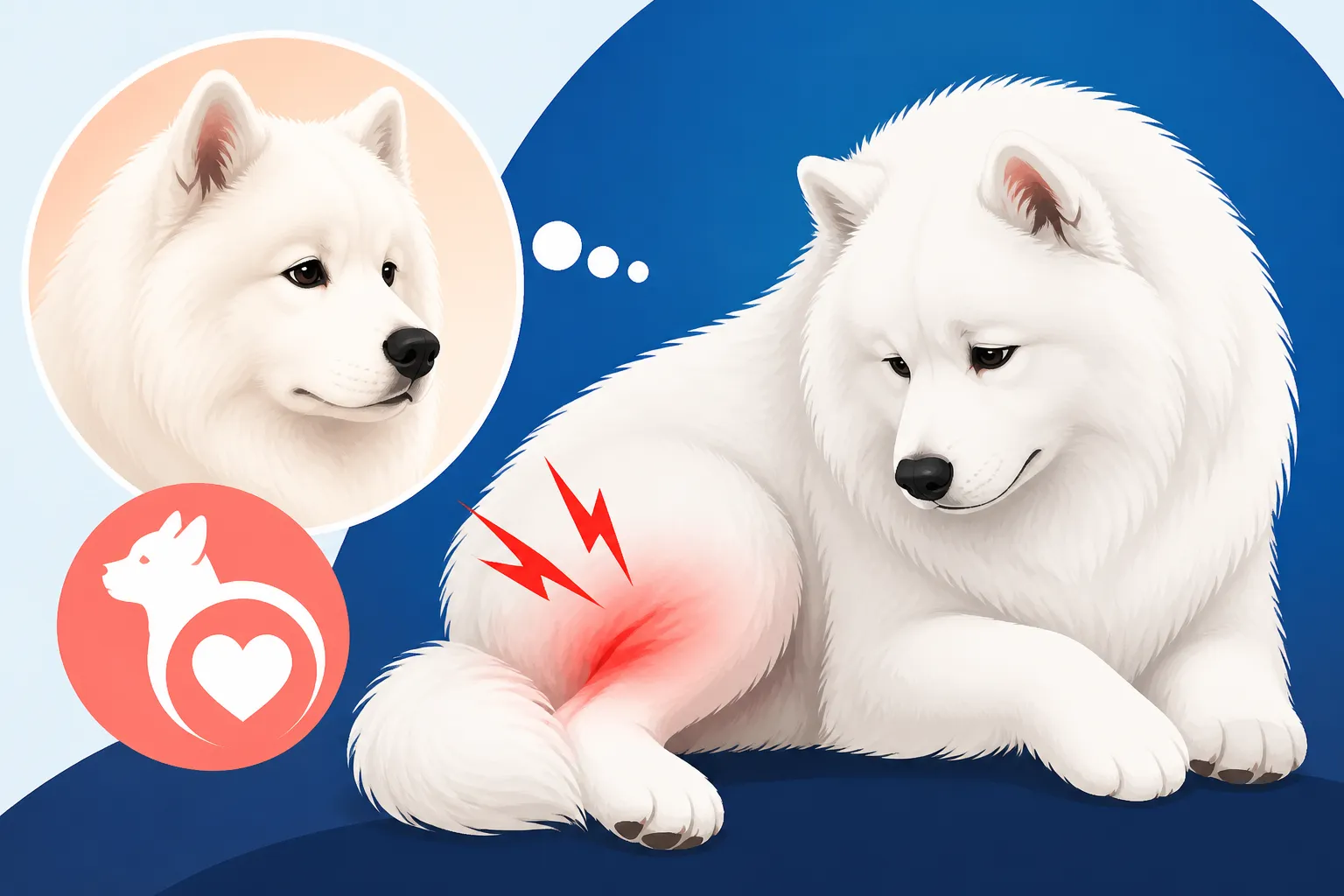
While direct kidney pain (like a sharp ache in the lower back) isn't typically reported as a primary symptom of SHG in dogs, the cumulative effect of these systemic issues creates a pervasive sense of malaise, sickness, and deep discomfort. It's less about a localized pain and more about feeling unwell, tired, nauseous, and generally miserable. For families managing these heartbreaking situations, having pet insurance like Healthy Paws can provide immense relief, allowing access to advanced diagnostics and treatments without immediate financial strain.
Deciphering Pain in Canines with SHG
Our Samoyeds, with their ever-present "Samoyed smile," are masters at hiding discomfort. It's an evolutionary trait that helps them appear strong, but it makes our job as owners much harder. You won't often see a Samoyed yelp or limp from generalized kidney malaise. Instead, you'll need to become a detective, looking for subtle shifts in their behavior and routine. This stoicism is a crucial factor when considering How a Samoyed Hides Illness Behind a Smile.
Identifying Subtle Signs of Discomfort
Recognizing discomfort in a Samoyed with SHG requires keen observation and an understanding of their normal behaviors. Here are some subtle signs to watch for:
- Changes in Appetite and Thirst: While increased thirst and urination are classic signs of kidney disease, a loss of appetite, pickiness with food, or even refusal to eat are strong indicators of nausea and feeling unwell. They might stare at their food bowl without touching it, or take a few bites and walk away.
- Lethargy and Reduced Activity: Is your Samoyed less enthusiastic about walks, playtime, or greetings? Are they sleeping more than usual, or struggling to get up? A general decrease in energy and a desire to just lie around are significant indicators. This isn't just laziness; it's often a sign of fatigue due to anemia and the buildup of toxins.
- Changes in Posture or Movement: While not usually specific "pain" postures, a dog feeling generally unwell might appear hunched, stiff, or reluctant to move certain ways. They might avoid jumping onto furniture or going up stairs if they feel weak or uncomfortable. Trembling or shaking can also be a sign of nausea or weakness.
- Vomiting or Diarrhea: Gastrointestinal upset is a common side effect of uremia. Frequent vomiting, especially after eating, or chronic diarrhea, are clear signs your dog is experiencing significant discomfort.
- Changes in Grooming Habits: A dog that feels unwell may neglect its grooming, leading to a dull, unkempt coat. Conversely, excessive licking of certain areas might indicate localized pain, but in SHG, it's usually a more general decline in self-care.
- Behavioral Changes: A typically outgoing Samoyed might become withdrawn, less interactive, or even a bit irritable. They might seek solitude more often or react differently to touch. Sometimes, a previously calm dog might become restless or agitated due to feeling unwell.
These signs, individually or in combination, paint a picture of a dog that is not feeling well. It's crucial to document these observations and share them with your veterinarian, as they provide critical clues about your Samoyed's internal state. Early recognition of these subtle changes is key to intervening and improving their comfort.
When Kidney Failure Becomes Painful
As SHG progresses to advanced stages of kidney failure, the discomfort can become more pronounced and closer to what we would describe as outright pain. The accumulation of toxins reaches critical levels, leading to more severe symptoms.
- Oral Ulcers and Bad Breath: The uremic toxins can irritate the lining of the mouth, causing painful ulcers on the tongue, gums, and inside of the cheeks. The very bad breath associated with advanced kidney disease (uremic breath) is also a sign of severe systemic toxicity, which contributes to the general feeling of being unwell. Eating can become truly painful, exacerbating the loss of appetite.
- Severe Lethargy and Weakness: At this stage, your Samoyed may be extremely weak, struggling to stand or walk. This profound weakness can be distressing and debilitating, essentially making every movement an effort. The body is simply too poisoned and exhausted to function normally.
- Muscle Cramps and Twitching: In some cases, severe electrolyte imbalances can lead to muscle cramps or twitching, which can certainly be painful or at least deeply unsettling for the dog.
- Headaches and General Malaise: While we can't ask a dog if it has a headache, the neurological signs of advanced uremia suggest a general feeling of misery, confusion, and discomfort that likely includes head pain or pressure. Imagine having a severe flu combined with constant nausea and a pounding headache—that might be closer to what an affected Samoyed experiences.
- Crisis Moments: In the final stages, a dog can go into a uremic crisis, which is an acute worsening of all symptoms. This can involve severe vomiting, collapse, seizures, and profound pain and distress. This is typically when owners, in consultation with their veterinarian, make the incredibly difficult decision about euthanasia to prevent further suffering. Understanding How Fast a Samoyed Male Declines can help prepare you for this difficult reality.
The key takeaway is that while SHG might not cause a sharp, localized kidney pain, the systemic effects of advanced kidney failure undoubtedly lead to significant suffering, discomfort, and a severely diminished quality of life. The pain is often diffuse, internal, and pervasive, rather than a single, easily identifiable source. This is why careful monitoring and prompt veterinary care are so essential. Many pet owners rely on companies like Healthy Paws to help cover the significant costs associated with managing such a serious chronic illness.
| Symptom Category | Early Stage SHG (Discomfort) | Advanced Stage SHG (Pain/Suffering) |
|---|---|---|
| Appetite | Slightly decreased interest, pickiness | Severe anorexia, refusal to eat, painful mouth ulcers |
| Energy Level | Mild lethargy, less eager for play, sleeping more | Profound weakness, difficulty standing/walking, collapse |
| Gastrointestinal | Occasional vomiting/diarrhea, increased thirst/urination | Frequent severe vomiting, diarrhea, uremic breath, oral ulcers |
| Behavior | Slight withdrawal, less interactive, subtle restlessness | Disorientation, confusion, irritability, vocalization of distress |
| Physical Signs | Weight loss, dull coat, pale gums | Severe muscle wasting, trembling, seizures (rare), profound pallor |
| Pain Perception | General malaise, nausea, vague discomfort | Diffuse body aches, oral pain, neurological distress, profound misery |
Managing Discomfort and Supporting Quality of Life
When facing a diagnosis of SHG in your male Samoyed, the focus shifts to compassionate care and maximizing their comfort for the time they have left. While there's no cure for SHG, many interventions can significantly alleviate symptoms and improve their quality of life.
Veterinary Interventions and Symptom Control
Working closely with your veterinarian is paramount. They will guide you through the various treatment options aimed at slowing the progression of the disease and managing the uncomfortable symptoms.
- Dietary Management: A prescription renal diet is often recommended. These diets are carefully formulated to have reduced protein, phosphorus, and sodium levels, which lessens the workload on the kidneys and helps reduce the buildup of toxins. While some Samoyeds are notoriously picky, finding a palatable renal diet that they will eat consistently is crucial. You might need to try a few different brands or formulations. Whether a Renal Diet Extends an Affected Samoyed's Life is a question many owners grapple with.
- Medications for Nausea and Vomiting: Anti-emetic medications, such as maropitant (Cerenia) or ondansetron, can be incredibly effective at controlling nausea and stopping vomiting, which immediately improves your dog's comfort and appetite.
- Phosphorus Binders: As kidney function declines, phosphorus levels in the blood can rise, contributing to that "sick" feeling and exacerbating bone issues. Phosphorus binders, given with food, help to reduce the absorption of phosphorus from the diet.
- Blood Pressure Management: If hypertension is present, medications like ACE inhibitors (e.g., benazepril or enalapril) or amlodipine may be prescribed to control blood pressure, further protecting the kidneys and other organs. You may wonder Whether an ACE Inhibitor Slows a Samoyed's Kidney Loss.
- Fluid Therapy: Subcutaneous fluids (given under the skin at home) can help flush toxins from the body and maintain hydration, particularly if your Samoyed is dehydrated or not drinking enough due to nausea. This can significantly improve how they feel day-to-day.
- Appetite Stimulants: In some cases, appetite stimulants may be used to encourage eating, though addressing underlying nausea is often more effective.
- Pain Management: While direct kidney pain is rare, if your Samoyed is exhibiting signs of discomfort from other causes (like arthritis, which can be seen in older Samoyeds, though SHG is a young dog disease), your vet might prescribe safe pain relievers. Non-steroidal anti-inflammatory drugs (NSAIDs) are generally avoided in kidney disease due to their potential to harm the kidneys, but other options like gabapentin or tramadol might be considered for other types of pain.
The goal of these interventions is not to cure the disease, but to alleviate the suffering caused by it. Regular veterinary check-ups are vital to monitor bloodwork, urine parameters, and adjust treatments as needed. Pet insurance providers like Healthy Paws can be a lifesaver, covering a significant portion of these ongoing veterinary expenses, allowing you to focus on your Samoyed's comfort rather than the rising costs.
Creating a Comfortable Environment at Home
Beyond medical treatments, your love and attention, coupled with a comfortable home environment, play a huge role in your Samoyed’s quality of life.
- Warm, Soft Bedding: Ensure your Samoyed has a soft, warm, and easily accessible bed in a quiet, low-traffic area where they can rest undisturbed. For an older Samoyed with potential orthopedic issues, an orthopedic bed can make a big difference.
- Easy Access to Food and Water: Place food and water bowls close to their resting area to minimize the effort required to eat and drink. Consider raised bowls if they struggle to bend down. Always ensure fresh water is available.
- Regular, Gentle Exercise: While strenuous activity should be avoided, short, gentle walks or supervised outdoor time can still provide mental stimulation and help maintain muscle mass without overexertion. Watch for signs of fatigue and don't push them.
- Maintain Cleanliness: Dogs with kidney disease can sometimes have accidents or be prone to developing skin issues. Regular, gentle grooming can keep their coat clean and comfortable, but avoid over-bathing which can strip their natural oils.
- Consistent Routine: Maintaining a predictable daily routine can reduce stress and anxiety, which is especially important for a dog that isn't feeling well.
- Love and Affection: Perhaps most importantly, continue to shower your Samoyed with love, gentle petting, and reassurance. Your presence and comfort are invaluable during this challenging time. Just being with you can be a powerful antidote to feeling unwell.
Even as their physical health declines, their emotional well-being is heavily influenced by your presence and their familiar surroundings. Providing a loving, supportive environment goes hand-in-hand with veterinary care to ensure your Samoyed experiences as much comfort and joy as possible.
The Emotional Toll on Owners
Dealing with a young dog diagnosed with a terminal illness like SHG is emotionally devastating. The dreams you had for their long life are shattered, and you're faced with the painful reality that your time together will be tragically short. This experience involves a profound grief that is often misunderstood by those who haven't been through it.
Navigating Grief and Tough Decisions
The journey of caring for a Samoyed with SHG is fraught with emotional challenges. You will likely experience a range of emotions: shock, denial, anger, sadness, guilt, and profound grief.
- The Weight of Observation: Constantly monitoring your Samoyed for subtle signs of discomfort or decline can be mentally exhausting. Every slight change in their behavior becomes a source of anxiety, and you might second-guess every decision.
- Financial Strain: The costs associated with diagnostics, medications, special diets, and ongoing vet visits can quickly add up. While pet insurance companies like Healthy Paws can alleviate much of this burden, there are still deductibles, co-pays, and potential out-of-pocket expenses that can be stressful.
- Making Difficult Choices: The hardest decision any pet owner faces is knowing when it's time to say goodbye. With SHG, this decision often comes much sooner than expected. It's about weighing the quality of life against the progression of the disease and recognizing when discomfort and suffering outweigh the joy. Your veterinarian can help you assess their quality of life using objective scales, but ultimately, it's a deeply personal decision. Learning about Whether an Affected Samoyed Should Be Euthanized Early can be part of this agonizing process.
- Grief Before Loss: Many owners experience anticipatory grief, mourning the impending loss of their companion even while they are still with them. This is a normal and valid part of the process.
- Seeking Support: It’s vital to acknowledge and address your own emotional needs. Don't hesitate to seek support from friends, family, online communities of Samoyed owners, or even pet bereavement counselors. You are not alone in this journey. Understanding The Kidney Disease That Kills Samoyed Males Before Fifteen Months highlights the specific nature of this loss.
While the presence of overt, sharp pain might not be the primary concern with SHG, the profound discomfort, nausea, weakness, and general malaise associated with kidney failure constitute significant suffering. Your role as an owner is to be vigilant, work closely with your veterinary team, and provide the most loving and comfortable environment possible, ensuring that your beautiful Samoyed feels cherished and supported through every stage of this challenging illness. For many, this difficult experience underlines the importance of genetic testing before purchase, like The COL4A5 Test Every Samoyed Buyer Should Ask About.
Disclaimer
This article is for informational purposes only and is not a substitute for professional veterinary advice. Always consult with a qualified veterinarian for any health concerns or before making any decisions about your pet's health or treatment.