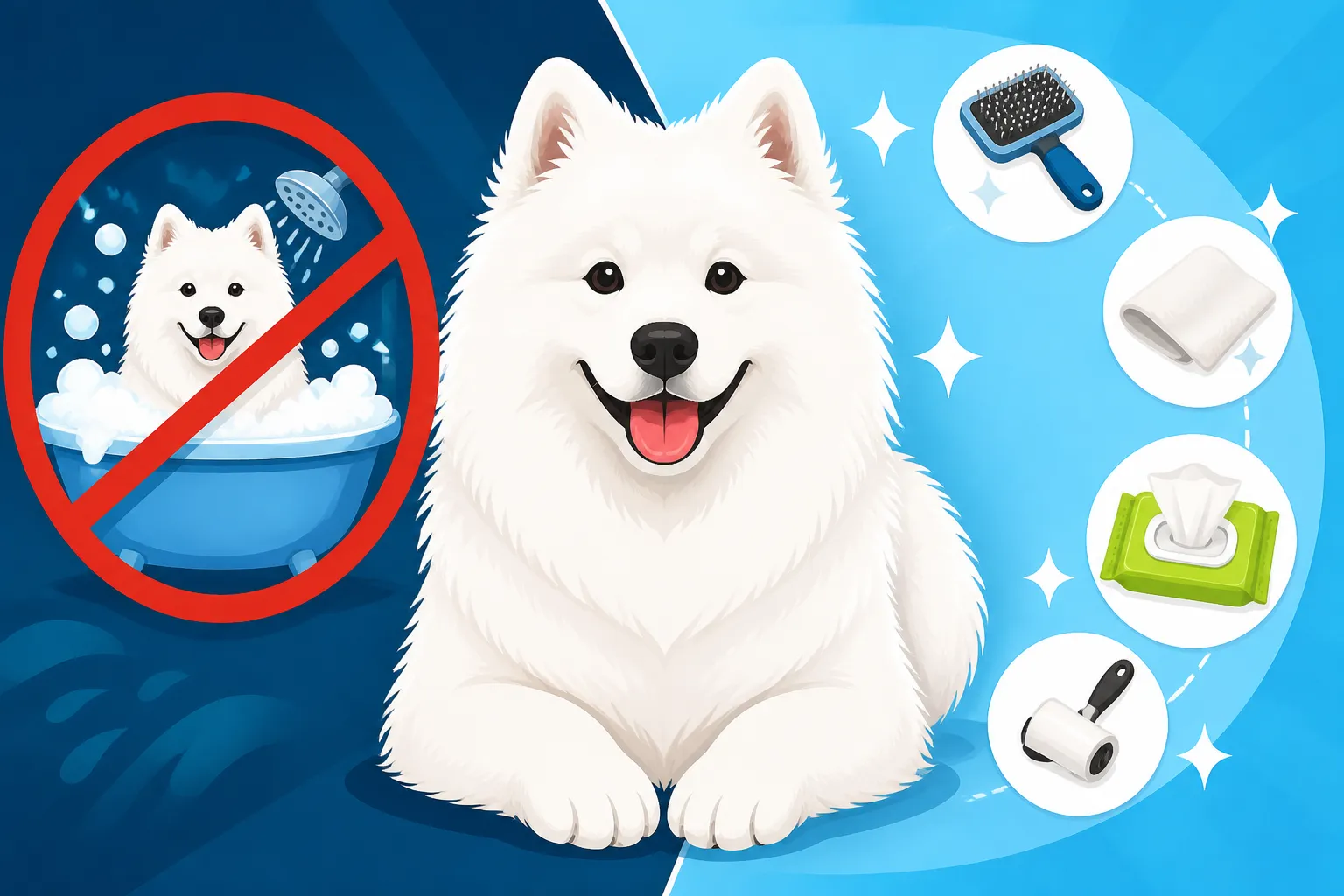
Keeping a Samoyed White Without Bathing It Every Week
Anyone who has ever lived with a Samoyed knows the dream: a pristine, fluffy cloud of white joy. Then reality hits, usually after a particularly enthusiastic romp in a muddy puddle, and suddenly that cloud looks more like a storm front. The frustration of trying to keep that glorious white coat sparkling without resorting to daily baths is real, and frankly, exhausting. This comprehensive guide is here to tell you it's entirely possible to maintain your Samoyed's radiant white coat without constantly dunking them in the tub, focusing on smart grooming, environmental management, and a little bit of coat science.
Understanding the Samoyed's Unique Coat for Natural Cleanliness
The Samoyed's coat isn't just beautiful; it's a marvel of natural engineering, designed for survival in harsh Siberian climates. Understanding how this coat works is the first step to truly appreciating its self-cleaning properties and why traditional bathing methods often do more harm than good.
The Double-Coated Marvel: How it Works
Imagine wrapping yourself in the most luxurious, thick wool blanket, and then covering that with a sleek, water-resistant outer shell. That's essentially your Samoyed's coat. It's a classic double coat, comprised of two distinct layers: a soft, dense, woolly undercoat and longer, harsher guard hairs. The undercoat is what gives them that incredible fluff and warmth, trapping air close to the body to insulate against extreme cold. But here's the magic trick: this same insulation works in reverse! It also protects them from heat, preventing direct sunlight from reaching their skin and allowing air to circulate. Why a Samoyed's Coat Insulates Against Heat as Well as Cold This dual-purpose design is truly remarkable and speaks volumes about their ancestral environment.
The guard hairs, on the other hand, are coarser and stand off the body, forming a protective barrier. These guard hairs are naturally resistant to dirt and moisture, almost like a self-cleaning mechanism. Mud and debris tend to sit on these guard hairs rather than penetrating directly to the skin or deeper undercoat. This structure allows dirt to often dry and then simply fall away with a good shake or a quick brush. Unlike human hair, which can absorb oils and dirt and feel greasy quickly, a Samoyed's coat is built to repel, minimizing the need for constant washing. It's truly a low-maintenance marvel, despite its voluminous appearance, if you work with its natural design.
Why Constant Bathing Is Detrimental
While the temptation to immediately wash away every speck of dirt might be strong, frequent bathing can actually undermine your Samoyed's natural coat health and make it harder to keep clean in the long run. The guard hairs, with their dirt-repelling properties, rely on natural oils to maintain their integrity and function. Each time you bathe your Samoyed, especially with harsh shampoos, you strip away these essential oils. This leaves the coat drier, more porous, and ironically, more susceptible to attracting and holding onto dirt and environmental stains.
Beyond the guard hairs, frequent stripping of oils can also lead to skin irritation and dryness for your dog. Just like our own skin can become flaky and itchy with over-washing, a Samoyed's delicate skin beneath that dense coat needs its natural protective barrier. Excessive bathing can disrupt the skin's pH balance, leading to uncomfortable itching, flakiness, and even potential skin infections if the protective barrier is compromised. You might notice your Samoyed scratching more or developing a duller coat if you're bathing them too often. Aim for full baths only when genuinely necessary, perhaps every 4-8 weeks, or even less frequently if you're diligent with daily grooming and spot cleaning.
Daily and Weekly Grooming Rituals for a Pristine White Coat
If you want to keep that Samoyed looking like they just stepped out of a snowdrift, a diligent and consistent grooming routine is your secret weapon. This doesn't mean hours of work every day, but rather strategic, regular attention that works with their coat, not against it.
The Power of Daily Brushing
Brushing is the cornerstone of keeping a Samoyed's coat clean, healthy, and tangle-free. It's far more effective than frequent bathing for maintaining that pristine white appearance. Daily brushing, even for just 10-15 minutes, achieves several crucial things: it removes loose hair, dirt, debris, and any potential tangles before they escalate into painful mats. For a Samoyed, especially during a coat blow, this isn't just about aesthetics; it's about comfort and preventing skin issues. A neglected coat can quickly become a matted mess, trapping moisture and leading to hot spots or infections.
When it comes to tools, you'll want a few specific types. A good quality slicker brush is excellent for getting through the topcoat and fluffing up the guard hairs. For penetrating the dense undercoat, an undercoat rake or a long-toothed pin brush is absolutely essential. These tools reach down to the skin, pulling out dead undercoat that would otherwise cause mats and dull the coat. When brushing, always start at the skin and work your way out, using gentle strokes. Don't just skim the surface! For specific grooming tools, online retailers like Amazon offer a vast selection, making it easy to find everything you need to keep your Samoyed's coat in top condition. By consistently removing shed fur and dirt, you help the coat maintain its natural self-cleaning properties, preventing grime from building up and making weekly bathing largely unnecessary. How Often a Samoyed Needs Brushing
Strategic Spot Cleaning for Minor Messes
Let's be realistic: Samoyeds are dogs, and dogs get dirty. But not every speck of mud or mysterious smudge warrants a full bath. This is where strategic spot cleaning becomes your best friend. Spot cleaning allows you to address localized messes without stripping the entire coat of its natural oils. Think of it as targeted intervention rather than a full-scale operation.
For minor dirty paws after a walk, simply using a damp cloth or a dog-specific paw wipe can do wonders. For stubborn mud, it's often best to let it dry completely. A Samoyed's guard hairs are so effective at repelling dirt that once the mud is dry, it often crumbles and falls off with a quick brush. Why Mud Falls Off a Dry Samoyed You'll be amazed at how a seemingly filthy dog can transform back into a fluffy cloud after 20 minutes of drying time and a good brush. For more persistent stains or general dullness, you can use a cornstarch-based dry shampoo, gently working it into the affected area and then brushing it out. Whether Cornstarch Cleans a Samoyed's Coat This absorbs oils and lifts superficial dirt without getting your dog soaking wet. Focus on areas that tend to get dirty quickly, like the lower legs, belly, and around the mouth after meals.
Dealing with Common Stains and Discoloration
Even with the best brushing routine and spot cleaning, Samoyeds, with their brilliant white coats, are susceptible to certain types of discoloration. These aren't necessarily signs of a dirty dog, but rather common occurrences that require specific attention.
Tackling Tear Stains and Drool Marks
One of the most common complaints for white dog owners, not just Samoyeds, is tear staining. Those reddish-brown streaks under the eyes can be a real eyesore and make an otherwise immaculate Samoyed look a bit less polished. Tear stains are often caused by porphyrins, iron-containing molecules that are excreted in tears, saliva, and urine. When these come into contact with light and air, they oxidize and create that tell-tale reddish tint. Causes can range from genetics and shallow eye sockets to allergies, diet, or even minor eye irritations. It's always a good idea to rule out any underlying medical issues with your vet first, especially if the staining is sudden or excessive.
Once medical causes are ruled out, consistent cleaning is key. Use a soft, damp cloth or a specialized dog-safe eye wipe daily to gently clean the area around the eyes. Some owners find success with specific tear stain removers, but always ensure they are safe for use around the eyes and follow instructions carefully. For drool marks around the mouth, which can also carry porphyrins and cause discoloration, the same principle applies. After meals, gently wipe your Samoyed's muzzle with a damp cloth to remove food particles and saliva before they have a chance to dry and stain (see Whether a Samoyed's Beard Stains From Food). Maintaining a clean and dry face goes a long way in preventing these persistent stains from setting in and ruining that beautiful Samoyed smile.
Urine and Lick Stains on Paws and Legs
Another notorious area for discoloration on a white Samoyed is the lower legs and paws. These areas often develop a yellowish or brownish tint from urine splashing during potty breaks, or from saliva due to obsessive licking. These stains can be particularly stubborn because they're often recurrent and deeply embedded in the fur. The best offense here is a good defense: preventing the stains from becoming severe in the first place.
After every potty break, especially for males, consider a quick wipe-down of the belly and inner thighs with a damp cloth or pet wipe to remove any urine residue. For paws, which can stain from licking, walking on wet grass, or just general outdoor grime, consistent cleaning is paramount. Use a gentle dog-specific paw cleanser or simply a warm, damp cloth daily to wipe down the paws and lower legs. If licking is a major issue causing stains, you'll want to investigate why your Samoyed is licking excessively. It could be allergies, boredom, anxiety, or even pain. Consulting your vet about persistent licking is important. For existing stains, a paste made of baking soda and water or a touch of cornstarch can sometimes help absorb the discoloration, but always ensure it's thoroughly rinsed or brushed out (see Whether a Samoyed's Feet Stain From Licking).
Environmental Stains and Quick Fixes
Life happens, and sometimes your Samoyed will roll in something undeniably green, yellow, or suspiciously brown. Environmental stains are inevitable, but many can be addressed without a full bath. Beyond mud, even prolonged sun exposure can subtly yellow a white coat over time, especially if the guard hairs aren't clean and vibrant. Whether a Samoyed's Coat Yellows in the Sun
For grass stains, dirt from digging, or other general outdoor mishaps, your first line of defense is always allowing the area to dry. Once dry, a vigorous brushing with an undercoat rake and slicker brush can often dislodge the majority of the grime. For more persistent stains, targeted spot cleaning with a dog-safe stain remover or even a diluted mixture of white vinegar and water (rinse thoroughly!) can be effective. Sometimes, a whitening shampoo used only on the stained area, followed by meticulous rinsing, is the quickest fix. Remember, the goal is to clean the coat and restore its brightness, not to dry out the skin underneath. If you find yourself constantly battling deep-seated environmental stains across large portions of the coat, it might be time to assess your outdoor routine or even consider a professional groomer who specializes in white coats.
| Stain Type | Common Causes | Quick Home Remedy | Notes |
|---|---|---|---|
| Tear Stains | Porphyrins in tears, genetics, allergies | Daily wiping with damp cloth/eye wipe | Rule out medical issues; consistency is key. |
| Drool/Food Stains | Saliva, food residue, porphyrins | Wipe muzzle after meals with damp cloth | Preventative action is best; use dog-safe wipes. |
| Urine Stains | Urine splash, licking | Post-potty wipe-down; regular paw cleaning | Address excessive licking if present; focus on lower legs and belly. |
| Mud/Dirt | Rolling outside, wet ground | Allow to dry completely, then brush vigorously | Natural coat repels dried mud; avoid immediate washing. |
| Grass Stains | Rolling in grass, playing | Spot clean with diluted vinegar (rinse well) or dog stain remover | Brush out loose debris first. |
| Environmental Yellowing | Sun exposure, infrequent brushing | Regular deep brushing, occasional whitening shampoo (spot treat) | Healthy coat less prone to yellowing; ensure thorough drying. |
The Importance of Diet and Hydration for Coat Health
You might think that keeping a Samoyed white is all about what happens on the coat, but the truth is, a significant part of coat health and vibrancy comes from within. What you feed your Samoyed and how well-hydrated they are plays a crucial role in the overall quality and cleanliness of their fur.
Nutrition's Role in a Healthy Coat
A dull, brittle, or excessively shedding coat can often be a tell-tale sign that something is amiss in your Samoyed's diet. Just like our hair benefits from good nutrition, your Samoyed's magnificent double coat thrives on a high-quality, balanced diet. Look for dog foods that list real meat as the first ingredient and avoid excessive fillers, artificial colors, or by-products. These lower-quality ingredients can sometimes contribute to skin issues or dullness that makes the coat appear less vibrant and even more prone to staining.
Omega fatty acids, specifically Omega-3s and Omega-6s, are superstars for skin and coat health. They help maintain the skin's barrier function, reducing dryness and irritation, and promoting a healthy, shiny coat. Many premium dog foods include these, often sourced from fish oil or flaxseed. If your current food doesn't, you might consider a supplement, always after consulting with your veterinarian. Some fresh dog food brands, like Ollie, focus on human-grade ingredients and balanced nutrition, which can be fantastic for overall health and, by extension, coat quality. A healthy, well-nourished coat is inherently more resilient, less prone to dryness, and naturally sheds dirt and debris more effectively, making your job of keeping it white much easier.
Adequate Hydration for Overall Wellness
Water isn't just essential for life; it's also incredibly important for skin and coat health. A well-hydrated dog will have healthier skin, which in turn supports a healthier, more vibrant coat. When a Samoyed is adequately hydrated, their skin is supple and their coat appears fuller and shinier. On the flip side, dehydration can lead to dry, flaky skin and a dull, lackluster coat that is more susceptible to breakage and holding onto dirt. Think of it like a plant – a well-watered plant stands tall and green, while a thirsty one wilts.
Ensure your Samoyed always has access to fresh, clean water. Change their water bowl multiple times a day, especially in warmer weather, and consider adding an extra bowl or a pet water fountain to encourage more drinking. If your Samoyed is a picky drinker, sometimes adding a splash of bone broth (low sodium, no onion/garlic) to their water can entice them. Proper hydration also supports healthy shedding cycles. When a Samoyed "blows" their coat, a healthy skin and coat foundation helps the old fur release more easily and the new coat come in strong and healthy, further contributing to that pristine appearance.
Environmental Management to Minimize Dirt and Stains
Even the cleanest Samoyed can quickly become a muddy mess if their environment isn't managed carefully. This section is all about creating a lifestyle and home setup that supports a white coat, minimizing opportunities for dirt and stains to take hold.
Creating a Clean Living Space
Your home is your Samoyed's kingdom, and if that kingdom is full of dirt, well, so will your Samoyed be! Regular cleaning of your living space is paramount when you have a fluffy white dog. This means vacuuming frequently, especially in areas where your Samoyed spends the most time. Samoyeds shed, and while their fur might be white, it still attracts dust and dirt from the floor, which then transfers back to their coat. Investing in a good quality vacuum cleaner designed for pet hair is almost a necessity. Whether a Samoyed Owner Needs a Better Vacuum
Consider creating "clean zones" or specific areas where your Samoyed can relax without immediately getting dirty. This could be a designated dog bed that's easy to wash and keeps them off the floor, or a rug in a high-traffic area that can be regularly cleaned. Use washable covers for couches or dog beds. Even something as simple as wiping down floors regularly can make a big difference. The less ambient dirt in your home, the less dirt will end up on your Samoyed's coat. A clean home means a cleaner dog, and fewer battles with persistent grime.
Outdoor Strategies for a White Dog
The great outdoors is a Samoyed's playground, but it's also where the majority of their "dirt acquisition" happens. While you can't prevent your Samoyed from enjoying nature, you can implement strategies to minimize the impact on their pristine coat. This often comes down to conscious choices about where and when you let them play.
If it's recently rained or snowed and the ground is muddy, try to steer your Samoyed away from the muddiest sections. If that's impossible, accept that they'll get dirty and have a plan for cleanup. A simple bucket of warm water and a towel near the door can be a lifesaver for quickly cleaning muddy paws and lower legs before they track dirt through the house. Many owners use special paw cleaners, like those available at Chewy, which are fantastic for quick, efficient clean-ups. For winter, be mindful of road salt and other de-icing chemicals, which can not only irritate paws but also leave nasty residue on their coat. Always wipe down paws after walks in snowy or icy conditions. Road Salt on a Samoyed's Pads If you have a yard, consider maintaining a designated "potty area" that is easy to keep clean or has a surface that minimizes dirt splash-back, like pea gravel or artificial turf. By being mindful of their outdoor activities and having a system for post-outdoor cleanup, you can drastically reduce the amount of dirt that makes it onto and into their coat.
When Professional Grooming Becomes a Necessity and What to Expect
While diligent home care can keep your Samoyed looking fantastic most of the time, there are certainly instances where a professional groomer is invaluable. Knowing when to call in the experts and what to expect can save you a lot of stress (and potentially money!).
Recognizing the Need for a Professional
Sometimes, despite your best efforts, a full-scale professional grooming session is just what your Samoyed needs. One of the most common reasons is severe matting that you simply cannot address at home. Mats, especially those close to the skin, can be incredibly painful for your dog and are best removed by a professional who has the right tools and expertise. Trying to cut them out yourself can be dangerous and lead to skin nicks. Another prime time for a professional groom is during a heavy coat blow, when your Samoyed is shedding an overwhelming amount of undercoat. A professional force dryer can blast out loose hair far more effectively and thoroughly than any home dryer, significantly reducing shedding in your home. What a Coat Blow Costs at a Samoyed Groomer
If your Samoyed has managed to acquire a truly stubborn stain that won't budge with spot cleaning, or if their white coat has simply lost its luster and appears generally dull despite your efforts, a professional wash and brightening treatment can work wonders. Finally, if you're preparing your Samoyed for a show or a special event, a professional groomer can achieve that perfect, show-ring ready finish that's difficult to replicate at home. They have the expertise to sculpt and present the coat in its best possible light, ensuring your Samoyed looks their absolute best.
What to Look for in a Samoyed-Savvy Groomer
Not all groomers are created equal, especially when it comes to double-coated breeds like Samoyeds. Finding a groomer who truly understands the unique needs of a Samoyed's coat is crucial to ensure they receive proper care. The absolute first question to ask any potential groomer is their experience with Samoyeds and other double-coated breeds. A groomer who primarily works with poodles or shih tzus might not understand the nuances of a Samoyed's coat.
Critically, you need a groomer who understands not to shave a Samoyed. Why Shaving a Samoyed Makes the Heat Worse This is a common and damaging misconception, and any groomer suggesting a shave should be avoided. Ask about their drying techniques – a good groomer will use a high-velocity force dryer to thoroughly dry the undercoat down to the skin, which is essential to prevent matting and hot spots. What a Force Dryer Costs a Samoyed Owner Inquire about the types of shampoos and conditioners they use, specifically asking if they have products designed for white coats or sensitive skin. A reputable groomer will be transparent about their process, welcome your questions, and be able to explain how they will achieve a clean, fluffy, and vibrant white coat for your Samoyed without compromising its health.
Common Misconceptions and What to Avoid
When it comes to caring for a Samoyed's coat, there are several persistent myths and practices that, while well-intentioned, can actually do more harm than good. Clearing up these misunderstandings is vital for maintaining your Samoyed's health and iconic white appearance.
The Shaving Debate: Why It's a Big No-No
Perhaps the most damaging and unfortunately common misconception is that shaving a Samoyed (or any double-coated breed) will keep them cooler in summer or reduce shedding. This couldn't be further from the truth. As we discussed earlier, a Samoyed's double coat is a natural insulator, protecting them from both cold and heat. Shaving away this protective layer disrupts their natural thermoregulation system, making them more susceptible to overheating and sunburn. Imagine removing the insulation from your house in summer – it would get hotter, not cooler.
Beyond the immediate health risks, shaving can permanently damage the coat structure. The guard hairs and undercoat often grow back unevenly, with the softer undercoat sometimes growing in thicker and coarser, while the guard hairs may not grow back at all or come in sparse and brittle. Whether a Samoyed's Coat Grows Back After a Shave This results in a "blown" or "ruined" coat that loses its natural protective qualities and its beautiful texture. It can take years, if ever, for a shaved Samoyed's coat to return to its original glory. Instead of shaving, focus on regular brushing, providing shade, and ensuring access to water to keep your Samoyed comfortable in warmer weather.
Over-Bathing and Harsh Products
Just as shaving is a no-go, so too is over-bathing your Samoyed or using inappropriate products. The temptation to constantly wash away every speck of dirt can strip the coat of its natural oils, leaving it dry, brittle, and prone to matting and skin irritation. These natural oils are a crucial part of the coat's self-cleaning mechanism and protective barrier. When they're removed too frequently, the coat becomes less resilient and can actually attract dirt more easily.
Furthermore, using harsh shampoos, human shampoos, or those with strong chemicals can irritate your Samoyed's sensitive skin and potentially lead to allergic reactions or dry, flaky patches. Always opt for dog-specific shampoos that are pH-balanced for canine skin and, when needed, choose a gentle whitening shampoo specifically designed for white coats. Which Shampoo Keeps a Samoyed White Even with dog-specific products, ensure you rinse thoroughly – any residue left behind can cause skin irritation and make the coat feel sticky or dull. Remember, a Samoyed's coat is a marvel of nature; your job is to support its natural functions, not to constantly fight against them with excessive washing and harsh chemicals.
Disclaimer
This article is for general informational purposes only and does not constitute professional advice. Laws, prices and regulations vary by location and change over time. Consult a qualified professional for guidance on your specific situation.