Why a Carrier Female Samoyed Stays Mild
It’s a heart-wrenching worry when you discover a beloved Samoyed carries a gene for a serious condition, especially one like Samoyed Hereditary Glomerulopathy (SHG). Owners often grapple with anxiety, picturing their joyful, fluffy companion falling ill, similar to the devastating impact seen in male Samoyeds. This comprehensive guide is here to unravel why, despite carrying the very same gene, a female Samoyed typically experiences a profoundly mild, if any, manifestation of this kidney disease, often living a full, healthy life.
Unpacking the Genetics of Samoyed Hereditary Glomerulopathy (SHG)
Understanding the nuances of Samoyed Hereditary Glomerulopathy (SHG) is the first step to truly grasping why female carriers are spared the severe prognosis seen in their male counterparts. This isn't just a generic kidney issue; it's a very specific genetic problem that impacts the very structure of the kidney's filtering system.
What is Samoyed Hereditary Glomerulopathy?
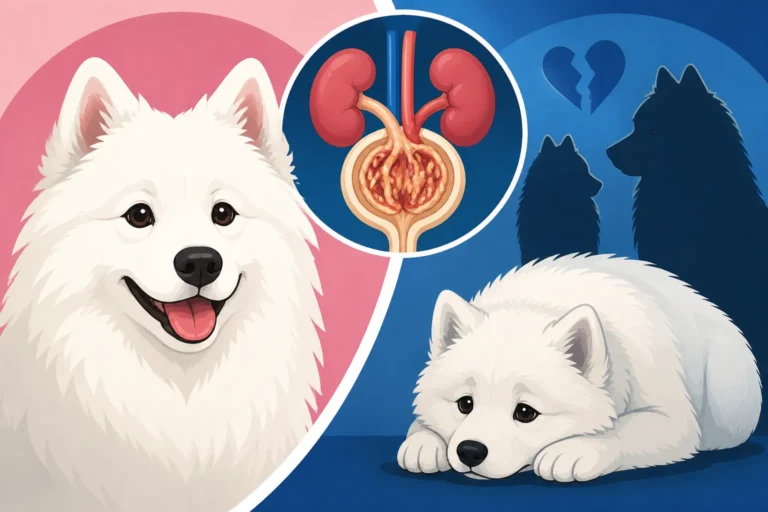
Samoyed Hereditary Glomerulopathy is a cruel, X-linked inherited kidney disease that primarily devastates young male Samoyeds. At its core, it's a defect in the COL4A5 gene, which is responsible for producing a specific type of collagen, Type IV. This particular collagen is a crucial structural component of the glomerular basement membrane in the kidneys – think of it as the intricate filter that cleans the blood. When this collagen is faulty, as it is in affected Samoyeds, these delicate filters begin to break down prematurely.
The breakdown isn't just a small tear; it's a progressive, relentless degradation. Over time, the kidneys lose their ability to filter waste and retain essential proteins, leading to what's known as protein-losing nephropathy. If you've ever heard of protein leaking into the urine, this is where it starts. The consequences for an affected male are dire and rapid. If you're looking to understand the full picture, delve deeper into What Samoyed Hereditary Glomerulopathy Does to the Kidneys.
Why it Primarily Affects Male Samoyeds
The reason SHG hits male Samoyeds so hard, and why the term "X-linked" is so significant, lies in basic genetics. Males have one X chromosome and one Y chromosome (XY). They inherit their single X chromosome directly from their mother. If that X chromosome carries the mutated COL4A5 gene, there's no backup. There's no healthy second X to compensate. Every cell that relies on that gene will be producing faulty collagen.
This means that a male Samoyed who inherits the mutated gene will express the disease fully. There's no 'mild' version for them; it's a full-blown, aggressive kidney disease that manifests early in life. This genetic reality is the stark contrast to what we observe in female Samoyeds, and it's precisely Why Samoyed Hereditary Glomerulopathy Only Devastates the Boys. They simply don't have the genetic redundancy that females possess.
The Protective Shield of X-Chromosome Inactivation in Females
This is where the biology gets truly fascinating and provides immense relief to owners of carrier female Samoyeds. The simple fact that females have two X chromosomes instead of one completely changes the game for them when it comes to X-linked conditions.
Understanding X-linked Inheritance in Females
Females, by definition, possess two X chromosomes (XX). One X comes from their mother, and one from their father. In the case of a carrier female Samoyed, one of her X chromosomes carries the mutated COL4A5 gene, and the other X chromosome carries the healthy, functional version of the gene. So, she has a genetic "spare."
The real magic happens through a process called X-chromosome inactivation, or Lyonization, which occurs very early in embryonic development. In each cell of a female's body, one of the two X chromosomes is randomly "shut off" or inactivated. This isn't a partial shutdown; it's a complete silencing of one X chromosome in that particular cell. The inactivated X chromosome condenses into what's known as a Barr body. This process ensures that females, despite having two X chromosomes, don't produce twice the amount of X-linked gene products compared to males, maintaining a genetic balance. It's a fundamental biological mechanism that has profound implications for X-linked diseases. For those wondering how this inheritance works, remember that Whether a Samoyed Male Inherits the Gene From His Mother is directly tied to this X-linked pattern.
Mosaicism: The Uneven Distribution of Healthy Cells
Because X-inactivation is random and occurs independently in each cell during early development, a carrier female Samoyed ends up with a "mosaic" of cells throughout her body. What does this mean for her kidneys, specifically?
Imagine her kidney tissue: some cells will have inactivated the X chromosome carrying the mutated COL4A5 gene, meaning these cells are now relying on the healthy X chromosome to produce functional collagen. These cells are essentially normal. Other cells, however, will have randomly inactivated the healthy X chromosome, leaving only the mutated gene active. These cells will produce the faulty collagen.
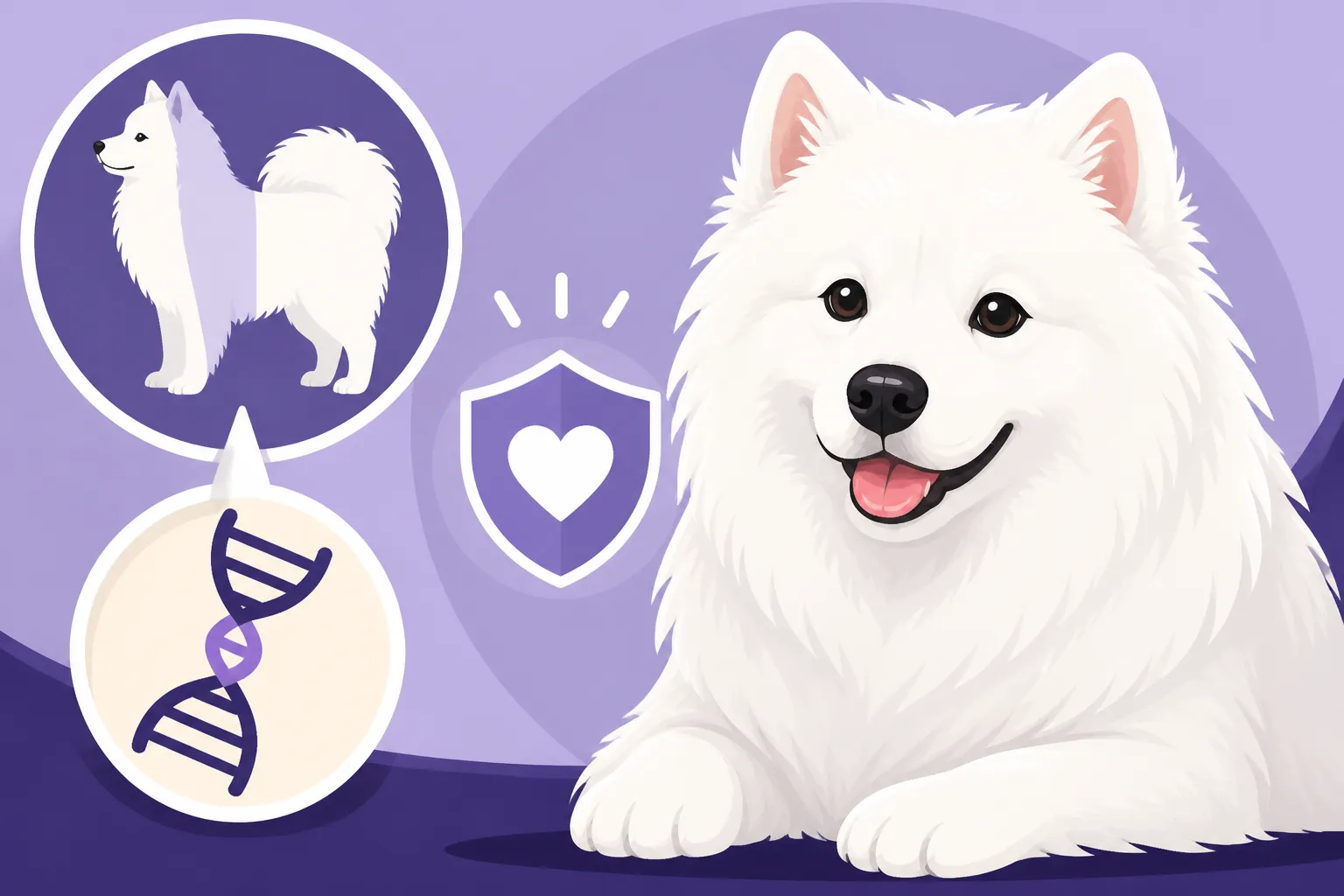
The crucial point is that a carrier female has a mix – a patchwork – of both healthy and affected cells within her kidneys. This mosaicism acts as a powerful protective mechanism. Even though some cells are producing defective collagen, a significant proportion are producing the correct, functional collagen. This dilution of affected cells means that her kidneys can largely function normally, maintaining their filtering capacity and preventing the rapid deterioration seen in males who have 100% affected cells. The healthy cells compensate for the less functional ones, keeping the overall kidney function robust enough to prevent the severe clinical signs. This biological safeguard is precisely why carrier females stay mild.
Clinical Manifestations and Monitoring for Carrier Females
While carrier females are largely protected, it's still important for owners to understand what, if anything, they might experience and how to properly monitor their health. The key difference is the scale and severity of any potential symptoms.
Subtle Signs of Kidney Involvement
Unlike affected male Samoyeds who show severe signs of kidney failure, often before they are 15 months old, carrier female Samoyeds rarely, if ever, exhibit overt symptoms of SHG. If there are any signs of kidney involvement, they are typically incredibly subtle and usually appear much later in life, often well into their senior years.
The most common "sign," if you can even call it that, might be a very mild, intermittent increase in protein in their urine (proteinuria). This isn't the significant, continuous protein loss seen in affected males, which rapidly leads to kidney damage. For a carrier female, it might be a transient elevation that a vet might pick up on routine urinalysis, or it might never be detected at all. They do not experience the vomiting, lethargy, or rapid weight loss that marks the heartbreaking decline of an affected male. Their energy levels, appetite, and general demeanor usually remain completely normal, reflecting their overall good health. The age at which The Age a Carrier Samoyed Female Shows Protein Loss is typically much, much later than for affected males, if it shows at all.
Recommended Monitoring Protocols
Given the mild nature of their carrier status, extensive, costly monitoring isn't usually necessary for a healthy carrier female. However, sensible, proactive steps can provide peace of mind and help detect any issues early, regardless of the cause.
The most important tool is a regular urinalysis, specifically looking at the Urine Protein:Creatinine (UPC) ratio. This simple test helps quantify how much protein, if any, is being lost in the urine. For a carrier female, a UPC ratio should ideally be checked annually, starting from a young age to establish a baseline. This allows your veterinarian to track any changes over time. Any persistent elevation warrants further investigation, but it's crucial to remember that a slightly elevated UPC can have many causes, not just SHG. A consistent, quality pet insurance plan, such as those offered by Healthy Paws, can be incredibly helpful for covering these routine diagnostic tests and any potential future investigations, ensuring you don't hesitate to pursue answers. It’s critical to remember Why a Samoyed's Urine Should Be Tested Young for all Samoyeds, regardless of carrier status, to establish that baseline.
Beyond urine tests, general annual veterinary check-ups are always a good idea. Your vet can assess overall health, listen to her heart, feel her abdomen, and discuss any changes you might have noticed. Good general health management, including a balanced diet appropriate for her age and activity level, and consistent hydration, will always contribute to kidney health, whether she's a carrier or not.
Differentiating from Other Kidney Issues
It's vital for owners to understand that being a carrier for SHG is not the same as having general kidney failure. Any dog, regardless of breed or genetic predisposition, can develop kidney issues as they age, due to infection, injury, or other diseases.
When a carrier female Samoyed eventually shows any sign of protein in her urine, or any other kidney-related symptom later in life, it's important not to immediately jump to the conclusion that it's due to her SHG carrier status. It could be any number of other conditions, some of which are treatable. A veterinarian will perform a thorough diagnostic work-up to pinpoint the exact cause. This might involve blood tests (checking kidney values like creatinine and BUN), imaging (like ultrasound), and potentially even a kidney biopsy if warranted.
The key takeaway is this: a carrier female’s body, thanks to X-inactivation, has built-in mechanisms to largely bypass the severe impact of the COL4A5 mutation. If she does develop kidney issues, they are far more likely to be typical age-related changes or other acquired conditions rather than the devastating, aggressive form of SHG seen in males. Reassurance is key here – her carrier status does not condemn her to the same fate as an affected male puppy.
Breeding Ethics and the Carrier Female
While this guide focuses on why carrier females stay mild, it's impossible to discuss their genetic status without touching on the ethical considerations for breeding. Responsible breeding practices are paramount to the health of the Samoyed breed as a whole.
The Ethical Dilemma of Breeding Carriers
Before the advent of specific DNA testing for the COL4A5 gene, breeders sometimes found themselves in a difficult position, unknowingly breeding carriers. Now, with available genetic tests, the ethical landscape has shifted dramatically. The core dilemma isn't whether a carrier female herself will suffer – we've established she likely won't – but rather the risk she poses to her male offspring.
A carrier female carries one copy of the mutated gene. If she is bred, there is a statistical chance that she will pass that mutated gene to her puppies. For her female offspring, this means a 50% chance of being a carrier like their mother, and a 50% chance of being clear. For her male offspring, however, the risk is far more profound: a 50% chance of inheriting the mutated X chromosome and thus being an affected male, destined for a severely shortened and painful life.
Many ethical breeders, understanding the devastating impact on affected males, choose not to breed carrier females at all. Their rationale is simple: why risk producing affected males when there are clear females available? This commitment to avoiding suffering for future generations is a cornerstone of responsible breeding. The question of Whether a Carrier Samoyed Female Should Be Bred is therefore a complex one, with strong arguments often leading to the decision not to.
Strategic Mating to Prevent Affected Offspring
If a breeder were to consider breeding a carrier female (perhaps due to her exceptional conformation, temperament, or other desirable traits that are rare in the breed), it would imperatively have to be with a male who has been DNA tested and confirmed as clear for SHG. However, even under these carefully controlled conditions, the genetic risks persist for the offspring.
Let's look at the statistics: when a carrier female (XCX, where XC is the chromosome with the mutation) is bred to a clear male (XY), the possible genetic outcomes for their puppies are:
- 25% XCX (Carrier Female): These daughters will be carriers, just like their mother, and are expected to remain mild or asymptomatic.
- 25% XX (Clear Female): These daughters will not carry the gene and will be genetically clear.
- 25% XCY (Affected Male): These sons will inherit the mutated X chromosome and will be affected by SHG, experiencing the severe, early-onset kidney disease.
- 25% XY (Clear Male): These sons will inherit the healthy X chromosome and will be genetically clear.
So, even with the most careful mating to a clear male, a carrier female will still produce 25% affected male puppies. This is why many breeders prioritize avoiding any affected offspring and therefore choose not to breed carrier females. If, for very specific reasons, such a breeding does occur, it is absolutely non-negotiable that every single puppy in the litter must be DNA tested for the COL4A5 gene before placement. This allows owners to know exactly what they are getting and ensure affected males receive appropriate early care, though their prognosis remains grim. Understanding How a Samoyed Breeder Avoids Producing Affected Males often involves rigorous DNA testing and careful selection of breeding pairs to prevent the propagation of this disease.
The Importance of Genetic Testing (COL4A5 Test)
The development of a reliable DNA test for the COL4A5 gene has been a monumental leap forward for the Samoyed breed. This test definitively identifies whether a Samoyed is clear, a carrier, or affected by SHG. For female Samoyeds, it clearly distinguishes between a clear female (XX) and a carrier female (XCX).
This genetic testing empowers breeders to make truly informed decisions, moving beyond guesswork or relying solely on pedigree analysis. Breeders can confidently select clear breeding pairs, aiming to eradicate the gene from their lines over generations. Prospective puppy buyers also have the right to ask for and see the results of both parents' COL4A5 tests. This transparency is crucial for ensuring the long-term health and well-being of the breed.
If you are considering bringing a Samoyed into your home, always ask the breeder about their health testing protocols, especially regarding SHG. A reputable breeder will be transparent and eager to share results. This is precisely The COL4A5 Test Every Samoyed Buyer Should Ask About. Some pet insurance providers, like Healthy Paws, may even offer coverage for certain genetic tests as part of their wellness add-ons, which can be a huge benefit for owners committed to proactive health management. Investing in these tests upfront saves immense heartache and expense down the road.
Living a Full Life: Longevity and Quality of Life for Carrier Females
The good news for owners of carrier female Samoyeds is that their genetic status typically has minimal, if any, impact on their daily life, health, and longevity. These beautiful dogs are destined to live full, happy lives.
Lifespan and Overall Health Expectations
One of the most comforting assurances for owners is that carrier female Samoyeds generally enjoy a normal lifespan. They are not expected to succumb to early kidney failure or exhibit the severe, debilitating symptoms that define SHG in males. Most will live out their full The Twelve to Fourteen Years a Samoyed Lives, often without any noticeable health issues directly attributable to their carrier status.
Their quality of life is typically indistinguishable from that of a genetically clear Samoyed. They run, play, smile, and cuddle with the same boundless joy and characteristic Samoyed exuberance. Owners should anticipate a vibrant, active companion for many years, focusing on general wellness rather than constantly worrying about an impending genetic illness. While it's natural to feel concerned, the scientific reality of X-inactivation offers a strong foundation for optimism regarding their long-term health.
Practical Care and General Well-being
Caring for a carrier female Samoyed largely mirrors the excellent care you would provide to any healthy Samoyed. There are typically no specialized medical interventions or strict dietary restrictions specifically required due to her carrier status.
- Nutrition: Continue with a high-quality, balanced diet appropriate for her age, activity level, and individual needs. Unless she develops other, unrelated kidney issues later in life, a specific renal diet is usually unnecessary. Focus on maintaining a healthy weight, as obesity can predispose dogs to various health problems.
- Exercise: Provide plenty of appropriate exercise to keep her physically fit and mentally stimulated. Her carrier status does not limit her ability to enjoy walks, hikes, playtime, or even dog sports.
- Veterinary Care: Stick to a schedule of regular veterinary check-ups, including vaccinations, parasite control, and the annual urinalysis and UPC ratio monitoring mentioned earlier. Early detection of any health issue is always beneficial.
- Hydration: Ensure constant access to fresh, clean water. Good hydration is fundamental for overall kidney health, regardless of genetic status.
Having pet insurance, such as a plan from Healthy Paws, can be incredibly beneficial. While her carrier status likely won't result in major claims, life happens, and all dogs can face unexpected illnesses or accidents. Knowing you have support for vet bills can relieve financial stress and allow you to make the best decisions for your Samoyed's health, whatever comes your way.
Advocacy and Responsible Ownership
As an owner of a carrier female Samoyed, you are in a unique position to be an advocate for responsible breeding and genetic testing within the Samoyed community. By understanding and openly discussing the nuances of SHG and X-linked inheritance, you can help educate others, dispelling myths and promoting best practices.
Sharing your experience and the health journey of your carrier female can provide valuable real-world context for others who might be grappling with similar concerns. Encourage prospective owners to always inquire about health testing, particularly the COL4A5 test, before bringing a Samoyed puppy home. Supporting breeders who rigorously test their stock helps to reduce the prevalence of this devastating disease and ensures a healthier future for the entire Samoyed breed. Your commitment to responsible ownership extends beyond just your individual dog; it contributes to the collective well-being and longevity of these magnificent dogs.
Samoyed Hereditary Glomerulopathy: Male vs. Carrier Female Samoyed
To clarify the distinct differences in how Samoyed Hereditary Glomerulopathy manifests, here's a comparison:
| Feature | Affected Male Samoyed (XCY) | Carrier Female Samoyed (XCX) |
|---|---|---|
| Genetic Status | One mutated COL4A5 gene on their single X chromosome. | One mutated, one healthy COL4A5 gene on her two X chromosomes. |
| Disease Onset | Early and rapid, typically between 3 to 15 months of age. | Late, if at all, usually after 3-5 years, often much later or never. |
| Disease Progression | Rapid and severe kidney failure, leading to clinical illness and death. | Very slow, mild, or entirely subclinical; kidneys largely function normally. |
| Clinical Signs | Vomiting, lethargy, weight loss, increased thirst/urination, severe proteinuria. | Usually asymptomatic. May show very mild, intermittent proteinuria later in life. |
| Lifespan Impact | Severely shortened, often not surviving past 15 months. | Normal lifespan expectations (12-14 years). |
| X-Chromosome Inactivation | Not applicable; males only have one X chromosome. | Key protective mechanism where healthy X chromosomes compensate. |
| Breeding Outcome (with clear male) | Not applicable; often die before breeding age or are neutered to prevent spread. | Can produce 25% affected males, 25% carrier females, 50% clear offspring. |
Disclaimer
The information provided in this article is for educational purposes only and is not intended to be a substitute for professional veterinary advice, diagnosis, or treatment. Always seek the advice of your veterinarian or other qualified health provider with any questions you may have regarding a medical condition. Never disregard professional veterinary advice or delay in seeking it because of something you have read in this article.