Whether a Samoyed Needs a Second Dog for Company
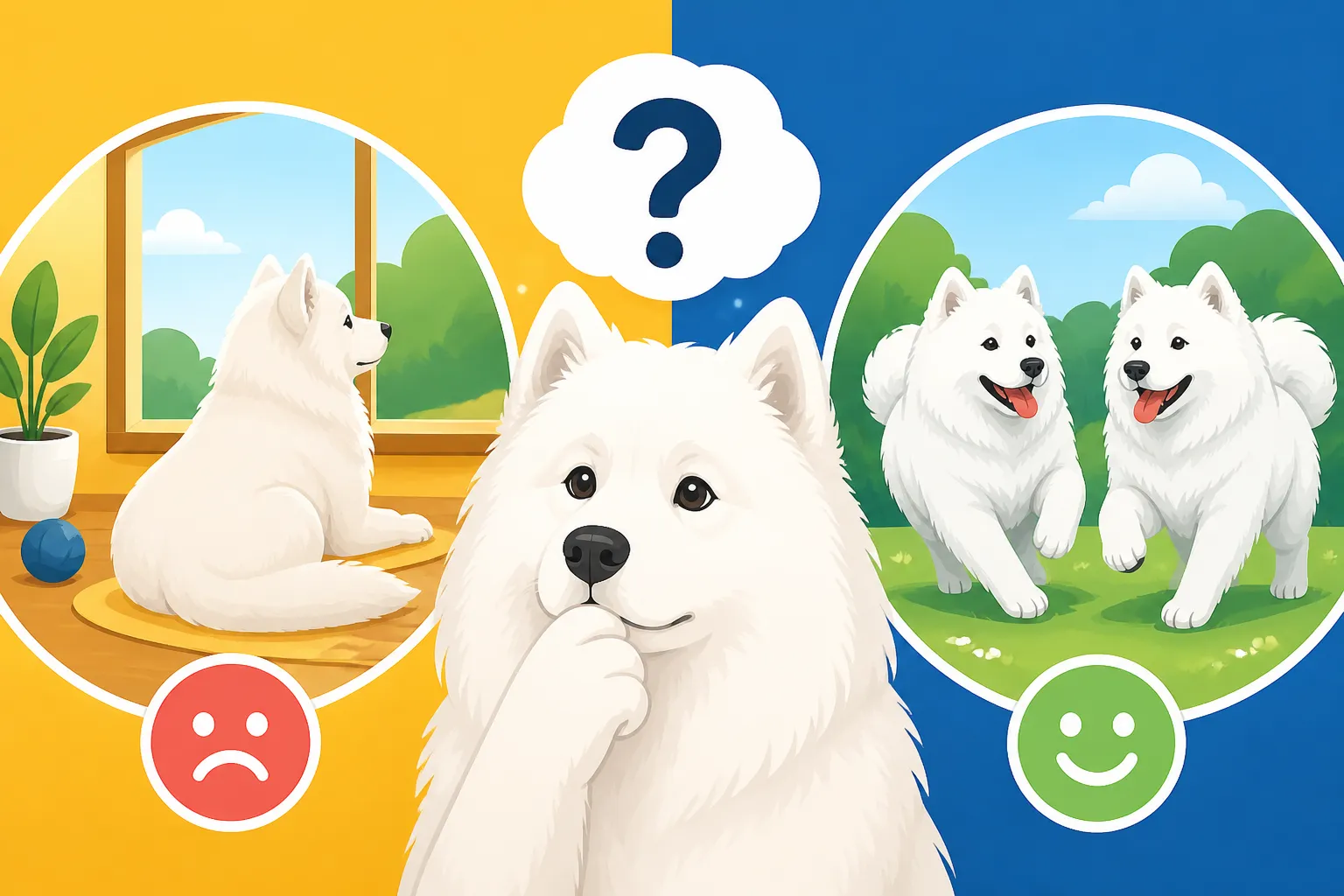
It’s a common scenario: you look at your beautiful, fluffy Samoyed, perhaps lounging quietly or, more likely, looking out the window with that characteristic alert gaze, and a thought sparks – is my Samoyed lonely? Do they need a friend, a companion to share their days with? The guilt can be real, especially if you work full-time or have a busy schedule that keeps you away from home more than you’d like. Many Samoyed owners grapple with this exact question, wondering if adding another dog to the household is the ultimate solution to ensure their beloved Samoyed is always happy and mentally stimulated. This guide aims to explore the deep social nature of Samoyeds and help you decide whether bringing a second dog into your life is the right path for your family and, most importantly, for your resident Samoyed.
Understanding Your Samoyed's Social Needs
Samoyeds are, at their core, pack animals, bred over centuries to work alongside humans and, yes, other dogs. They aren't the type of breed content to be left entirely to their own devices for long stretches. Their ancient ancestors, the dogs of the Nenets people, not only herded reindeer but also slept in their owners' tents, becoming integral members of the family unit. This deep-seated need for companionship is why we often see our Samoyeds following us from room to room, settling for a nap right at our feet, or even nudging us for attention when we're focused on something else.
This isn't just about general canine social behavior; it's a specific Samoyed trait. They thrive on interaction, on being part of the action, whatever that action may be. If you're cooking, they want to be there. If you're watching TV, they want to be there. This isn't just seeking physical proximity; it's about mental and emotional engagement. A Samoyed that feels ignored or under-stimulated can become bored, and a bored Samoyed is a creative Samoyed – often in ways you won't appreciate, like digging up the yard or discovering new ways to How a Samoyed Gets Out of Anything You Build. They need a "job," even if that job is simply being your constant shadow and receiving affection.
Their vocal nature, often described as the "Samoyed scream" or their characteristic "talking," is another manifestation of their desire to communicate and engage. If your Samoyed is left alone and feels isolated, that vocalization might escalate, moving beyond charming chatter to sustained, mournful howls or barks that truly carry. This isn't a sign of aggression or naughtiness; it's a cry for connection, a longing for their pack. For many owners, witnessing this or hearing about it from neighbors is what first sparks the idea of a second dog, hoping to fill that void.
The Pros and Cons of a Second Dog for Your Samoyed
Deciding to bring a second dog into your home is a huge decision, and it’s not one to be taken lightly. While the idea of two fluffy Samoyeds romping together is certainly appealing, there are practical realities and potential challenges to consider. Let's break down the advantages and disadvantages.
The Potential Upsides of Canine Companionship
For many Samoyeds, having a canine companion can be wonderfully enriching. If your Samoyed is well-socialized and generally enjoys the company of other dogs, a carefully chosen companion can provide endless hours of play, mental stimulation, and a sense of security when you're not around. They can chase each other in the yard, engage in wrestling matches, or simply snooze side-by-side. This kind of interaction can reduce boredom and potentially mitigate Separation Anxiety in a Samoyed. Instead of waiting by the door for you, they have another furry friend to share the space with.
A second dog can also provide a healthy outlet for your Samoyed's energy. Even with regular walks and playtime with you, another dog can often match their energy level and engage them in ways a human simply can't. Think of the natural dog play: the sniffing, the play bows, the chase games – these are all instinctive behaviors that are best expressed with another canine. It can lead to a more balanced, content Samoyed who might be less prone to destructive behaviors born of boredom. Some owners even find that a well-adjusted second dog can help "teach" a younger or more anxious Samoyed how to relax and cope better in various situations. It really is a case of two heads (and four paws) being better than one in many respects. How Two Samoyeds Get Along can be a truly beautiful thing to witness.
The Realistic Downsides and Challenges
However, it's crucial to be realistic about the potential downsides. Doubling your dog count means doubling, or even tripling, your commitment in terms of time, money, and effort. You'll have two mouths to feed, two sets of vet bills, and potentially two dogs needing individual training attention. If your Samoyed develops Diabetes in a Middle Aged Samoyed, or if the new dog comes with unexpected health issues, the financial strain can become significant. The Full Cost of Thirteen Years With a Samoyed is already substantial for one; imagine it for two.
Training can also become more complex. While one dog might learn from the other, they can also egg each other on, leading to increased vocalization – so if you were hoping for a quieter household, you might find that Whether a Second Dog Makes a Samoyed Louder is a distinct possibility! Resource guarding, even if subtle, can emerge around food, toys, or even your attention. You'll need to be diligent about feeding separately, providing ample individual attention, and setting clear boundaries. Potty training a new puppy when you already have an adult dog can be a challenge, and even adult dogs can sometimes regress or pick up bad habits from one another.
There's also the personality match to consider. Not all dogs will automatically become best friends. Your Samoyed might be perfectly happy being an "only child" and find a new canine sibling an unwelcome intrusion. Introducing a new dog requires careful planning, slow introductions, and constant supervision, especially in the initial weeks and months. You need to ensure both dogs are happy and feel secure in their roles and in your affection. Sometimes, instead of solving loneliness, adding a second dog can inadvertently create new stresses for your existing Samoyed, who might struggle with sharing your attention and space.
| Consideration | Pros of a Second Dog | Cons of a Second Dog |
|---|---|---|
| Companionship | Reduces loneliness, provides constant interaction | Potential for rivalry, doesn't guarantee a bond |
| Mental Stimulation | Encourages natural dog play, shared activities | Can lead to "double trouble," destructive behaviors if bored |
| Physical Activity | Encourages more active play, expends energy | Needs double the exercise management |
| Behavioral Issues | Can reduce separation anxiety, teach good habits | Can reinforce bad habits, escalate barking, create new issues |
| Cost | N/A | Doubled food, vet, grooming, and training expenses |
| Time & Effort | N/A | Doubled training, walking, and attention requirements |
| Household Dynamics | Can create a fun, lively atmosphere | Requires careful management, potential for conflict |
Practical Considerations Before Bringing Home a Companion
Before you even start looking at puppies or adult dogs, it's critical to do a thorough self-assessment. This isn't just about your Samoyed; it's about your entire household and lifestyle.
Space and Living Arrangements
First, consider your living space. Do you have enough room for two large, fluffy dogs? Samoyeds, even when curled up, take up a fair bit of space. Two Samoyeds mean more beds, more toys scattered around, and potentially more fur. While What Twenty Pounds of Samoyed Undercoat Does to a House is a challenge for one, two shedding Samoyeds will certainly test the limits of your vacuum cleaner! Do you have a yard? Is it securely fenced for two escape artists? Remember, How a Samoyed Gets Out of Anything You Build means you need double the vigilance for two dogs. Even if they get along splendidly inside, an under-exercised pair can still find trouble outdoors.
Think about your routine. Will you be able to walk two dogs simultaneously, or will you need to do separate walks? Will you have space in your vehicle for two dogs if you travel or go to the vet? These practicalities might seem small now, but they add up to significant daily considerations.
Financial Preparedness
This is where many people underestimate the commitment. The initial cost of a second dog (adoption fees, purchase price, initial vet visits, spay/neuter) is just the beginning. Factor in ongoing expenses: premium dog food (which for two large dogs will be substantial), routine vet check-ups, vaccinations, parasite prevention, and unexpected medical emergencies. Grooming for one Samoyed can be an investment; for two, it's a regular line item in the budget. Then there are toys, beds, leashes, collars – everything you buy for one, you'll likely need for the second. It’s wise to set aside an emergency fund or invest in pet insurance for both dogs to help manage unforeseen costs. What Insuring a Samoyed Costs Monthly might give you an idea of what to expect for each individual dog.
Time Commitment and Training
You already know Samoyeds are smart but can be notoriously independent thinkers. Training one Samoyed is a joyful challenge; training two simultaneously or integrating a new dog while maintaining training with your first requires patience and consistency. Puppy classes or online programs like those offered by BAXTER & Bella can be incredibly helpful for foundational training with a new dog, and even for refreshing skills with your older Samoyed.
You’ll need to dedicate individual time to each dog to strengthen your bond and ensure they don't develop behavioral issues from feeling neglected. This means separate play sessions, one-on-one training, and cuddle time. If you work full-time, consider how you will manage two dogs' exercise needs and bathroom breaks. Can you still provide How Many Hours a Samoyed Can Be Left alone without them becoming destructive or vocal? Often, an online training program can help establish routines and manage interactions between existing and new pets.
Alternative Ways to Provide Companionship
Perhaps after weighing the pros and cons, you realize a second dog isn't feasible for your current lifestyle or simply isn't what your Samoyed truly needs. That's perfectly okay! There are many wonderful ways to enrich your Samoyed's life and provide the companionship and mental stimulation they crave without bringing another dog into the home.
Increased Human Interaction
Sometimes, the simplest solution is more quality time with you. Samoyeds are deeply bonded to their human families. Try incorporating them more actively into your daily routine. Can they join you for morning coffee on the patio? Do they get a dedicated cuddle session on the couch each evening? Even mundane tasks like folding laundry can become a bonding experience if your Samoyed is nearby, perhaps getting a belly rub or a gentle ear scratch.
Consider extending your walks, exploring new routes, or even trying out dog-friendly stores. These outings provide novel sights, sounds, and smells, which are incredibly stimulating for a curious Samoyed. A Samoyed truly wants to be in the room with you, experiencing life alongside you. Making them a more central part of your daily activities can often alleviate feelings of loneliness better than another dog.
Enrichment and Mental Stimulation
Physical exercise is vital for a Samoyed, but mental exercise is just as important. A tired Samoyed is often a well-behaved Samoyed, but a mentally tired Samoyed is a truly content one. Invest in puzzle toys that dispense treats, like those you can find on Amazon. These make them "work" for their food, engaging their problem-solving skills. Snuffle mats, lick mats, and Kongs filled with frozen goodies can keep them occupied for extended periods.
Beyond toys, consider structured training. Samoyeds love to learn, even if they sometimes pretend otherwise. Short, fun training sessions throughout the day can be incredibly rewarding for both of you. You can teach new tricks, practice obedience cues, or even explore dog sports like rally or agility. This not only strengthens your bond but also gives them a mental workout. Programs like BAXTER & Bella offer comprehensive online training resources that can guide you through various stages of training and enrichment, helping you keep your Samoyed engaged and happy.
Doggy Daycare or Dog Walkers
If your schedule truly limits the amount of dedicated time you can spend with your Samoyed during the day, consider professional services. Doggy daycare, a few days a week, can provide supervised social interaction with other dogs and plenty of human attention. It’s a great way for your Samoyed to burn off energy and satisfy their social needs. However, ensure the daycare is reputable, clean, and has staff experienced with northern breeds like Samoyeds.
Alternatively, hiring a professional dog walker can break up your Samoyed's day, providing a much-needed potty break and a stroll around the neighborhood. This human interaction, even for a short time, can make a huge difference to a lonely dog. Check local services and ensure they are insured and bonded. These options can be a fantastic middle ground, offering companionship and stimulation without the full-time commitment of a second pet.
Ultimately, whether a Samoyed needs a second dog for company really depends on the individual dog, your family's lifestyle, and your capacity to manage another animal. There's no single right answer, but by carefully considering all factors and exploring various avenues for companionship and enrichment, you can ensure your Samoyed lives a happy, fulfilling life, surrounded by love and stimulation.
Disclaimer
This article is for general informational purposes only and does not constitute professional advice. Laws, prices and regulations vary by location and change over time. Consult a qualified professional for guidance on your specific situation.