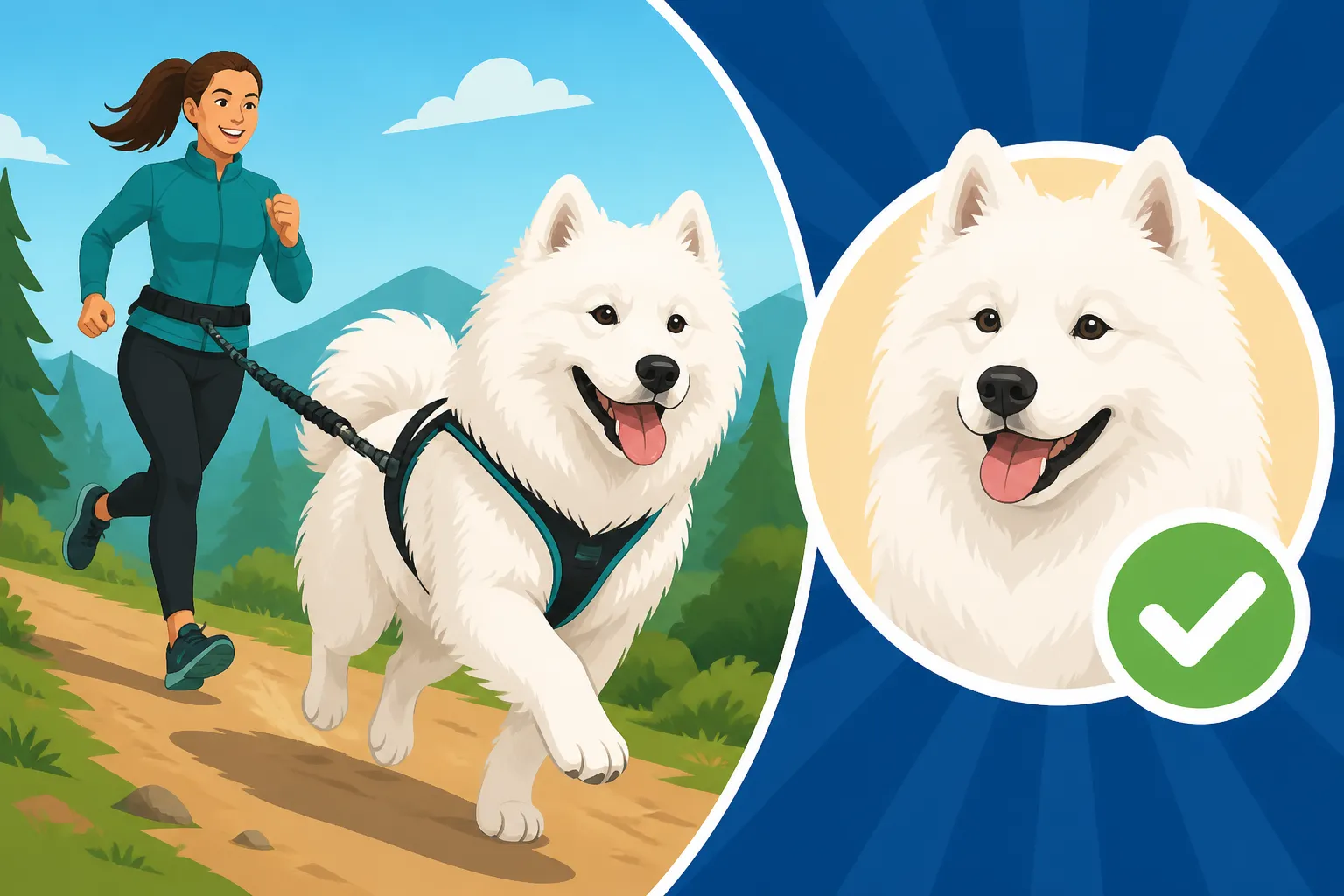
Whether a Samoyed Suits Canicross
If you're a Samoyed owner, you know the boundless energy and zest for life these fluffy companions possess. Many of us struggle to find activities that truly channel their enthusiasm, often feeling like a regular walk just scratches the surface of their physical needs. This guide will dive deep into whether Canicross, the exciting sport of off-road running with your dog, is a suitable and enjoyable pursuit for your beloved Samoyed, exploring their natural abilities and the unique challenges they present.
Understanding Canicross: More Than Just a Run in the Park
When you first hear "Canicross," you might imagine simply jogging with your dog on a leash. While that's the basic premise, the reality of the sport is far more refined and beneficial for both you and your Samoyed. It’s an incredible way to build a deeper bond and provide unparalleled mental and physical stimulation.
What Exactly is Canicross?
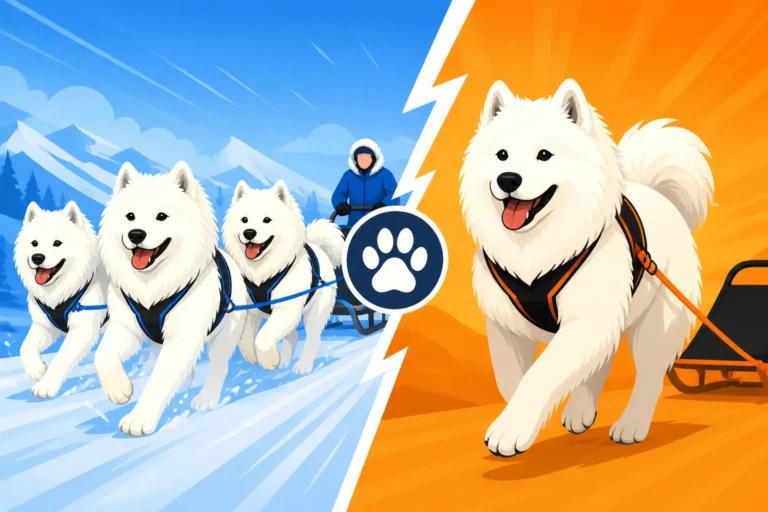
Canicross is a dynamic, hands-free dog sport where a runner is tethered to their dog via a specialized harness and bungee line. The dog runs in front, pulling the runner, setting the pace, and navigating the terrain. This isn't just about pulling; it's a team effort. The runner uses verbal commands to guide the dog, indicating turns, speed changes, and obstacles, while the dog uses its natural instinct to pull and keen senses to pick the best path. The beauty of it lies in the symbiotic relationship – the dog is doing what it loves, and you're getting an amazing workout in nature, all while fostering a powerful connection. The gear is crucial, as regular collars and leashes can cause injury; a proper fitting harness distributes the pull comfortably across the dog's chest, while a padded belt protects the runner's back.
The Appeal for High-Energy Breeds
For breeds like the Samoyed, known for their seemingly endless reserves of energy, Canicross offers an ideal outlet. Unlike a typical walk where the dog is often asked to heel, Canicross encourages their natural desire to move forward and explore. This controlled "work" satisfies their primal instincts, which is why dogs often come back from a Canicross session tired but incredibly fulfilled. It taps into their drive to pull, a trait deeply ingrained in sled dog breeds. This isn't just about physical exertion; the constant communication, decision-making on the trail, and shared experience provide immense mental enrichment, preventing boredom and destructive behaviors that can arise from insufficient stimulation. Many owners find their dogs are far calmer and more focused around the house after regular Canicross activities, as that excess energy has been constructively spent.
The Samoyed's Natural Inclinations: A Perfect (Almost) Fit for Canicross
Our furry white companions, with their ever-present smiles, weren't just bred for good looks. They possess a rich history as working dogs, and many of their inherent traits make them surprisingly well-suited for sports like Canicross.
The Samoyed's Instinct to Pull
Samoyeds hail from the Siberian tundra, where they were indispensable partners to the Nenets people. Their primary roles included herding reindeer, guarding against predators, and, crucially, pulling sleds. This deep-seated instinct to pull isn't just a quirk; it's a fundamental part of their genetic makeup and temperament. When a Samoyed leans into a harness and pulls, they are often simply doing what they were bred to do. This makes training for Canicross incredibly rewarding, as you're not fighting against their nature but rather channeling it constructively. They genuinely enjoy the "job" of pulling, and you'll see their famous smile widen even further when they're in their element, bounding down a trail with purpose. This instinct is a huge advantage over breeds that might need more convincing to embrace forward momentum. If you've ever felt your arm almost pulled out of its socket by a leash-pulling Samoyed, imagine redirecting that power into a beneficial sport!
Endurance and Stamina
Beyond their pulling instinct, Samoyeds are built for endurance. Their ancestral home demanded dogs capable of covering long distances in harsh conditions. While they might not be the fastest sprinters compared to some sighthounds, their strength lies in their sustained effort. They have the stamina to maintain a steady pace over varied terrain and considerable distances, which is the hallmark of a good Canicross dog. However, this remarkable endurance comes with a caveat, especially for their health and lifespan: their incredible double coat. This dense, insulating fur, designed to protect them in temperatures far below freezing, can quickly become a liability in warmer climates or during intense exercise. A Samoyed Built for Sixty Below in an American Summer highlights this challenge beautifully. It's vital for owners to understand this balance – their body is capable, but their coat requires careful management to prevent overheating. We'll delve deeper into managing this aspect later, but rest assured, a properly conditioned and cooled Samoyed can absolutely excel in endurance sports.
Temperament and Trainability
Samoyeds are intelligent dogs, but anyone who has lived with one knows they have a reputation for what many lovingly call "selective hearing" or "negotiable obedience." They're not naturally eager to please in the way some other working breeds are; they think for themselves. This independent streak means that while they can be trained for Canicross, it often requires consistency, patience, and a heavy dose of positive reinforcement. Rote drilling usually falls flat. However, their intelligence and desire for partnership mean that once they understand the game and find it rewarding, they become enthusiastic participants. They thrive on the interaction and the sense of working with you. A key aspect of Canicross training involves teaching directional cues (left, right, straight), speed changes (slow, fast), and "leave it" for distractions. While this might sound daunting, their strong bond with their human family provides a powerful motivator. Investing in good training resources, perhaps even a program like BAXTER & Bella, can make all the difference in harnessing their clever but sometimes stubborn nature for Canicross success.
Overcoming Samoyed-Specific Canicross Challenges
While Samoyeds possess many attributes that make them excellent candidates for Canicross, it would be disingenuous to say it's all smooth sailing. Their unique physiology and personality present specific hurdles that dedicated owners need to address proactively.
Managing the Mighty Coat in All Seasons
The Samoyed's stunning, thick double coat is a marvel of natural engineering, providing insulation against the bitter cold of their native Siberia. Unfortunately, this very trait becomes the biggest challenge when exercising them in all but the coldest temperatures. A Samoyed's Coat Is Insulation, Not Decoration perfectly illustrates why this coat, while beautiful, requires careful management. Overheating is a serious and potentially life-threatening risk for Samoyeds. During Canicross, their internal temperature can rise rapidly, even on days that feel mild to us.
- Summer is a no-go for intense Canicross: In most climates, any serious Canicross training during summer daytime hours is out of the question. Early morning or late evening runs, when temperatures are significantly lower, are essential. Even then, constant vigilance for signs of overheating is critical.
- Spring and Autumn require careful monitoring: These shoulder seasons can be deceptive. A cool breeze might make it feel pleasant, but the sun's intensity and the dog's exertion can still lead to problems. Always consider the "feels like" temperature and humidity, not just the number on the thermometer.
- Winter is ideal, but still needs care: This is when your Samoyed will truly shine. They're built for the cold! However, even in winter, hydrate them, and be mindful of road salt or ice buildup on their paws. Snow Balling Up in a Samoyed's Coat is also a real phenomenon that can cause discomfort, so post-run checks and cleaning are a must.
- Grooming plays a vital role: A well-maintained coat, free of mats and dead undercoat, actually insulates better and allows for more effective cooling. Regular brushing, especially during coat blows, is not just for aesthetics; it's a health imperative.
Harnessing Their Independent Spirit
Samoyeds, bless their fluffy hearts, are thinkers. They'll question, they'll negotiate, and sometimes, they'll just decide that squirrel is far more interesting than your urgent "Gee!" (right turn) command. This independence can be a challenge in Canicross, where consistent forward momentum and precise directional commands are key.
- Start with foundational obedience: Before hitting the trails at full speed, ensure your Samoyed has a solid grasp of basic cues in a calm environment. "Come," "stay," and a strong "leave it" are non-negotiable for safety.
- Build engagement: Samoyeds respond best when they feel they're working with you, not just for you. Use high-value treats and enthusiastic praise. Make every training session a game. Resources like online courses or trainers featured on platforms like BAXTER & Bella can provide structured guidance tailored to intelligent, independent breeds. They emphasize positive reinforcement and building a strong working relationship, which is exactly what a Samoyed thrives on.
- Invest in proper gear: A well-fitting, comfortable Canicross harness is vital. A poorly fitting harness can chafe, restrict movement, or simply not distribute pressure effectively, leading your Samoyed to associate the sport with discomfort and become reluctant. Brands available on Amazon offer a wide range of specialized Canicross harnesses, bungee lines, and waist belts designed for maximum comfort and safety for both runner and dog. Don't skimp here; it makes a huge difference.
- Patience is your superpower: There will be days your Samoyed decides to stop and sniff every blade of grass or fixate on a distant bird. Resist the urge to get frustrated. Gently redirect, offer positive reinforcement when they comply, and remember that consistency over time wins. Why a Samoyed Ignores a Cue It Knows speaks volumes about their nature!
Hydration and Heat Safety
We touched on heat briefly, but it's such a critical factor for Samoyeds that it warrants its own dedicated section. Neglecting hydration and heat safety can lead to severe health consequences, including heatstroke.
- Always carry water: This isn't optional. For both you and your Samoyed, bring ample water and a portable bowl. Even on cooler days, exertion requires increased hydration.
- Recognize the signs of overheating: Excessive panting, drooling, a dark red tongue, weakness, stumbling, and seeking shade are all red flags. If you see these, stop immediately. Get your dog into shade, offer water, and consider cooling measures like wetting their belly and paws. Don't resume activity until they've fully recovered. Signs a Samoyed Is in Heat Distress is a vital read for any Samoyed owner.
- Plan your routes: Opt for shady trails over open, sun-exposed paths. Running near water sources where your Samoyed can safely take a dip can also be beneficial, assuming the water is clean and safe.
- Know when to say no: Some days, the weather simply isn't conducive to Canicross for a Samoyed. Learning to accept this and choosing alternative, cooler activities is part of responsible Samoyed ownership. Prioritize their health and well-being above your training goals.
Getting Started with Canicross and Your Samoyed
So, you're convinced your Samoyed might just be a Canicross superstar in the making? Fantastic! Let's talk about how to embark on this journey safely and effectively, ensuring it's a positive experience for both of you.
Essential Gear and Where to Find It
Investing in the right equipment from the start makes a world of difference. It ensures comfort, prevents injuries, and helps solidify the "work" mindset for your Samoyed.
- Dog Harness: This is not your everyday walking harness. A specialized Canicross or pulling harness, often called an X-back or H-back harness, is designed to distribute the pulling force evenly across your dog's chest and shoulders, allowing for full range of motion. It should fit snugly but allow unrestricted breathing and movement. Many reputable pet supply retailers and online marketplaces like Amazon offer excellent options from brands specializing in pulling sports. Make sure to measure your Samoyed carefully and consider trying a few different styles to find the best fit for their unique build.
- Bungee Line: This is the shock-absorbing tether that connects you to your dog. The bungee section is crucial, as it dampens sudden jerks and provides a smooth, consistent pull, protecting both your back and your dog's neck. Lengths typically range from 6 to 10 feet when extended.
- Canicross Belt: This is what you wear. It's a padded belt that sits low on your hips, designed to transfer the pulling force from the bungee line to your core, not your lower back. This prevents strain and allows you to run comfortably and freely. Again, a good quality belt can be found from specialized outdoor and dog sports retailers or through online platforms like Amazon.
- Running Shoes: While not dog-specific, good trail running shoes with adequate grip are essential for your safety on varied terrain.
- Water and Collapsible Bowl: Always, always carry water. It’s non-negotiable for a Samoyed.
Training Fundamentals for Success
Before you even think about hitting the trails at full speed, some foundational training will set you up for long-term success and enjoyment. Remember, Samoyeds thrive on positive reinforcement and clear communication.
- Introduction to Gear: Let your Samoyed get used to wearing the harness and belt around the house, then on short walks, without the pressure of pulling. Make it a positive experience with treats and praise.
- Verbal Cues: Start teaching core directional commands on regular walks. "Gee" (right), "Haw" (left), "On By" (pass a distraction), "Whoa" (stop), and "Hike" (go faster/pull). Practice these consistently. Training a Samoyed That Finds Obedience Negotiable emphasizes how vital consistency and motivation are for these bright dogs. You might find resources on platforms like BAXTER & Bella helpful for structured training guides that cater to dog sports and building motivation.
- Starting Slow: Begin with short, easy runs on flat, familiar terrain. Let your Samoyed get used to the sensation of pulling and responding to your cues. Focus on building confidence and positive association with the activity. Don't worry about speed or distance in the beginning.
- Positive Reinforcement is Key: Every time your Samoyed does something right – pulls forward, takes a turn correctly, ignores a squirrel – reward them immediately with enthusiastic praise, a treat, or a quick game of tug. You want them to associate Canicross with fun and rewards.
Finding a Canicross Community
One of the best ways to get started and stay motivated is to connect with other Canicross enthusiasts.
- Local Clubs: Search for local Canicross clubs or dog sport organizations in your area. They often organize group runs, training clinics, and offer invaluable advice and camaraderie. Running with experienced teams can provide excellent learning opportunities for both you and your Samoyed.
- Online Forums and Social Media: Many online communities are dedicated to Canicross. These can be great places to ask questions, share experiences, and find training tips specific to breeds like Samoyeds.
- Events and Races: Once you and your Samoyed are comfortable and well-trained, look for local Canicross races or events. These are fantastic opportunities to challenge yourselves, meet new people, and celebrate your team's progress. Just remember to always prioritize your Samoyed's comfort and safety, especially regarding weather conditions.
Canicross can be an incredibly rewarding activity for a Samoyed and their owner. It taps into their natural instincts, provides phenomenal exercise, and strengthens your bond in a unique way. With careful consideration for their coat, consistent positive training, and the right gear, your smiling Samoyed could become your favorite running partner on the trails.
| Feature | Samoyed Suitability for Canicross (Pros) | Samoyed Suitability for Canicross (Cons/Considerations) |
|---|---|---|
| Pulling Instinct | Strong innate desire to pull, making training for forward momentum easier. | Can sometimes be too keen to pull, requiring careful pace management. |
| Endurance/Stamina | Bred for sustained effort over long distances; excellent stamina for trails. | Not built for high-speed sprinting; best suited for steady, moderate paces. |
| Temperament | Enjoys working as a team, thrives on mental and physical stimulation, very social. | Independent and can be "selectively deaf" to commands; requires patience in training. |
| Coat & Climate | Excel in cold weather; built for winter conditions. | High risk of overheating in warm weather, requires strict heat management and early/late runs. |
| Trainability | Intelligent and capable of learning complex cues; responds well to positive methods. | Can get bored with repetitive drills; requires engaging and consistent training approaches. |
| Bonding | Deepens the bond between dog and owner through shared activity and communication. | Owner must be highly attentive to dog's cues and comfort levels, especially in varying conditions. |
Disclaimer
This article is for general informational purposes only and does not constitute professional advice. Laws, prices and regulations vary by location and change over time. Consult a qualified professional for guidance on your specific situation.