Whether a Samoyed Should Pull in Warm Weather
It’s a familiar dilemma for any Samoyed owner: you see that boundless energy, that undeniable urge to pull, and you want to indulge it. But then you step outside, feel the humidity clinging to the air, and a wave of concern washes over you. Can your fluffy cloud, built for Arctic tundras, really safely engage in pulling sports when the mercury starts to climb? This guide is here to help you navigate the tricky balance of fulfilling your Samoyed's innate drive while prioritizing their safety in warmer conditions.
The Samoyed's Ancestral Blueprint for Cold Climates
To truly understand why warm weather and pulling activities are such a serious concern for Samoyeds, we have to look back at where they came from and what they were bred to do. These dogs aren't just fluffy; they are living, breathing testaments to survival in some of the harshest cold environments on Earth. Their entire physiology is geared towards retaining heat, not shedding it.
A Coat Designed for Sub-Zero Temperatures
Your Samoyed's magnificent double coat isn't just for looks; it's a marvel of natural engineering. They possess a soft, dense, woolly undercoat that acts as an incredibly efficient insulator, trapping a layer of warm air close to their body. Over this, they have a coarser, longer outer coat (guard hairs) that repels water and snow. This dual-layer system is brilliant for A Samoyed Built for Sixty Below in an American Summer, keeping them warm when temperatures plunge.
The problem arises when the weather isn't plummeting. That same insulating quality that protects them from frostbite in the Arctic circle becomes a major liability in warmer temperatures. Imagine wearing a heavy down parka in the summer – that's essentially what your Samoyed is experiencing. When they exert themselves by pulling, their internal body temperature rises rapidly, and that thick coat traps the heat in, making it incredibly difficult for them to cool down. It's a cruel irony that their most defining feature can also be their greatest risk. This is why you'll often hear us saying, Why Shaving a Samoyed Makes the Heat Worse – that coat is actually designed to help them regulate temperature, not hinder it, but it's only truly effective in cold conditions.
The Metabolism of a Working Arctic Dog
Beyond the fur, Samoyeds also have a metabolism that is highly efficient at generating and conserving energy, which translates to producing body heat. They were bred for endurance work, pulling sleds over long distances in icy conditions. This kind of work naturally elevates their body temperature. In their native environment, the cold air would constantly help to dissipate that excess heat.
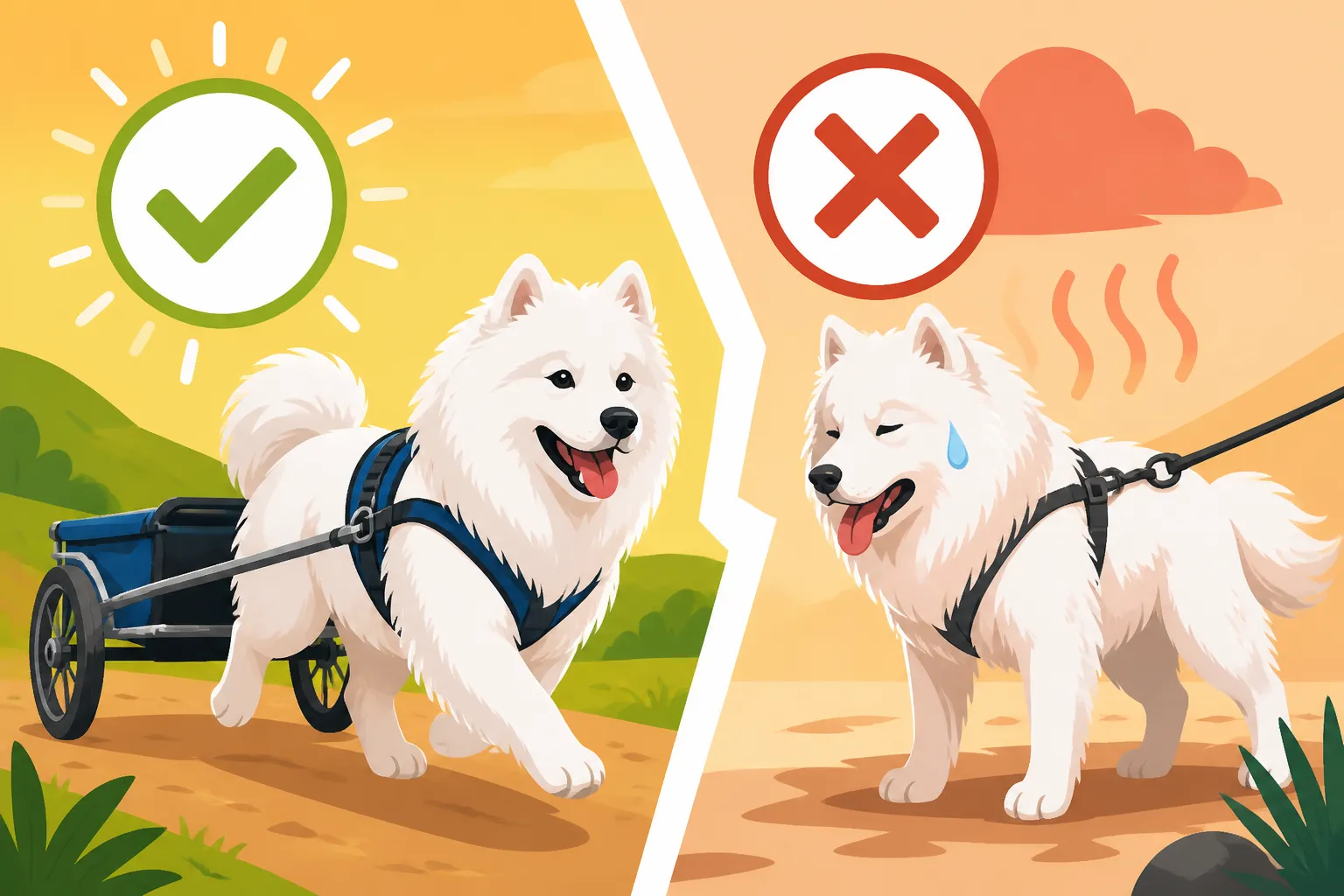
In warmer weather, however, the air isn't cold enough to do the job. The ground itself can be a source of heat, radiating warmth back up into their bodies. When you ask a Samoyed to pull a sled, a cart, or even you on skis (canicross or skijoring), they are tapping into that deep well of endurance and generating significant internal heat. Without the external cold to balance it out, their body temperature can quickly spiral out of control. It’s a very different energy expenditure when the environment isn't actively working with them to keep them cool.
The Real Dangers of Overheating in Active Samoyeds
The consequences of overheating in a Samoyed, particularly when engaged in strenuous activity like pulling, are not to be underestimated. This isn't just about them being a bit uncomfortable; it can be life-threatening. Heatstroke is a severe medical emergency that can lead to irreversible organ damage and even death.
Recognizing the Signs of Heatstroke
It's absolutely crucial for any Samoyed owner, especially those considering working their dogs, to be acutely aware of the signs of overheating. They can escalate rapidly. Early detection and immediate action can make all the difference.
Here are some critical indicators:
- Excessive Panting: While all dogs pant to cool down, an overheated Samoyed will pant much harder, faster, and more frantically than normal. Their breaths might be shallow and rapid, or deep and labored.
- Dark Red Gums and Tongue: A healthy Samoyed's gums should be pink. If they become bright red, almost cherry-colored, it's a strong sign of overheating. As heatstroke progresses, they might turn purplish or bluish.
- Thick, Ropey Saliva: Their saliva might become thick and sticky, indicating dehydration and extreme effort to cool down.
- Lethargy and Weakness: They may slow down, appear disoriented, stumble, or even collapse. What started as an eager puller might quickly become unresponsive.
- Vomiting or Diarrhea: These are severe signs, often indicating organ distress.
- Body Temperature Above 104°F (40°C): This is a critical measurement. If you suspect overheating, checking their temperature with a rectal thermometer is important if you can do so safely. Normal canine temperature is typically 101.0-102.5°F (38.3-39.2°C).
- Glassy Eyes: Their eyes may appear glazed over or unfocused.
If you observe any of these signs, especially a combination of them, you need to act immediately. Signs a Samoyed Is Overheating is a guide you should bookmark.
The Irreversible Damage of Heatstroke
Heatstroke isn't just about feeling too hot; it's a cascading physiological crisis. When a Samoyed's core body temperature rises to dangerous levels, it starts a chain reaction that can damage multiple organ systems.
- Brain Damage: Prolonged high temperatures can cause swelling in the brain, leading to seizures, neurological dysfunction, and permanent brain damage.
- Kidney Failure: The kidneys are highly susceptible to damage from heatstroke, which can lead to acute kidney injury. We worry enough about other kidney issues in the breed, like What Samoyed Hereditary Glomerulopathy Does to the Kidneys, so adding this risk is something to avoid.
- Liver Damage: The liver also suffers, impairing its vital functions of detoxification and metabolism.
- Gastrointestinal Issues: The lining of the gut can be compromised, leading to severe vomiting, diarrhea, and even bacterial translocation into the bloodstream.
- Disseminated Intravascular Coagulation (DIC): This is a particularly dangerous complication where the blood's clotting mechanisms go haywire, leading to both excessive clotting and bleeding throughout the body.
The sad truth is that even if a Samoyed survives heatstroke, they may be left with permanent health issues. This is why prevention, especially when it comes to activities like pulling, is not just recommended, but essential.
Deciding When (and Where) Your Samoyed Can Pull
Given their natural inclination to pull and their vulnerability to heat, how do we responsibly engage our Samoyeds in this activity? The answer lies in strict adherence to environmental conditions and a deep understanding of your individual dog.
Temperature and Humidity: The Deadly Combination
The most critical factor to consider is the combination of ambient temperature and humidity. It's not just about the number on the thermometer; humidity greatly impairs a dog's ability to cool down through panting because the air is already saturated with moisture.
Many sled dog enthusiasts use a simple "rule of thumb" called the 100-degree rule or similar variants. This rule suggests that the sum of the temperature (in Fahrenheit) and the relative humidity percentage should not exceed a certain threshold for active exercise. For double-coated breeds like Samoyeds, this threshold is often significantly lower than for other dogs.
Here’s a general guideline, but always err on the side of caution:
| Total (Temp °F + Humidity %) | Risk Level for Samoyed Pulling | Notes & Precautions |
|---|---|---|
| Below 100 | Low to Moderate Risk | Monitor closely, provide water, short sessions. Ideal for brief, cool weather pulls. |
| 100-120 | Moderate to High Risk | Avoid strenuous pulling. Short, slow walks only. Be highly vigilant for overheating signs. |
| Above 120 | EXTREME RISK | Absolutely NO pulling or strenuous exercise. Even walks should be very short and slow. |
Important Considerations:
- Direct Sunlight: Adds significantly to heat load. Seek shade whenever possible.
- Ground Temperature: Pavement can be much hotter than air temperature. Always check with the back of your hand. If it's too hot for your hand, it's too hot for their paws. This also contributes to the dog's overall body temperature.
- Wind Chill (or lack thereof): While wind can cool a human, a Samoyed's coat can actually trap warm air if there's no sufficient breeze to penetrate it.
- Dog's Fitness Level: A well-conditioned dog may tolerate slightly more, but never push limits based on conditioning alone in warm weather.
- Age and Health: Puppies, senior dogs Caring for a Samoyed Past Nine, and dogs with underlying health conditions (like heart murmurs Whether a Samoyed With a Heart Murmur Is in Trouble or respiratory issues) are at much higher risk.
The Ideal Conditions for Samoyed Pulling
Truthfully, the ideal conditions for a Samoyed to engage in pulling activities are those that mimic their natural environment: cold, dry weather with snow on the ground.
- Winter Wonderland: This is when your Samoyed truly shines. Temperatures well below freezing, with soft snow underfoot, provide the perfect scenario for safe, exhilarating pulling. The snow helps cool their paws, the cold air allows for efficient heat dissipation, and the lack of humidity is a bonus.
- Cool, Crisp Autumn or Spring Mornings/Evenings: If snow isn't an option, very cool mornings or late evenings in the shoulder seasons can work, provided the humidity is low. Think temperatures in the 30s or 40s Fahrenheit (0-10°C) with minimal humidity. Even then, exercise duration and intensity must be carefully managed.
- Rainy Days (Cool Rain, Not Warm): A cool, rainy day can sometimes offer suitable conditions, as the rain helps to cool the air and their coat. However, a Samoyed's dense coat can become waterlogged and heavy, which increases exertion, so this still requires careful monitoring. Make sure to dry them thoroughly afterward to prevent skin issues.
Always remember that Whether a Samoyed Needs Snow to Enjoy Pulling might be debated by some, but it definitely makes it significantly safer and more enjoyable for them.
Safety Measures and Smart Alternatives for Warmer Months
So, what do you do when the pulling instinct is strong, but the weather simply isn't cooperating? You can still keep your Samoyed active and happy without putting them at risk. It’s all about smart management and knowing your alternatives.
Essential Gear for "Warm" Weather Work (When Applicable)
Even in marginal conditions, if you absolutely must do a very short, low-intensity pull (which I generally advise against above moderate risk levels), certain gear can provide a small measure of safety. Always purchase from reputable sources, like products found on Amazon, that specify cooling properties and dog safety.
- Cooling Vests/Bandanas: These vests are soaked in water and then worn by the dog, providing evaporative cooling. While they can help slightly in specific situations, they are not a magic bullet and should never be relied upon to allow exercise in truly hot conditions. They can only do so much against an internal furnace.
- Booties: If the ground is even slightly warm, protective booties are a must to prevent pad burns. Remember, pavement can retain heat long after the sun goes down.
- Plenty of Water: This might seem obvious, but always carry more water than you think you'll need. A collapsible bowl is essential. Ensure your Samoyed drinks frequently, not just when they seem thirsty.
- Portable Fan/Mister: For recovery or after a very short session, a battery-operated fan or mister can offer immediate relief.
Training for Impulse Control and Focus
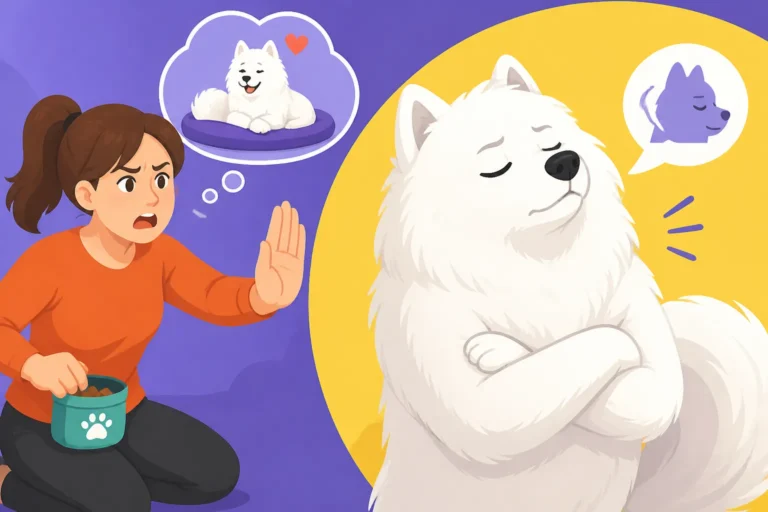
Sometimes, the best solution isn't about how to pull in warm weather, but about teaching your Samoyed that not every day is a pulling day. Training for impulse control and focus can be incredibly helpful. This is where a program like BAXTER & Bella can come in handy, focusing on foundational obedience and self-control. Teaching a solid "leave it" or "wait" command can translate into them understanding that certain gear or environments mean "go," while others mean "we walk calmly." If they learn to control their initial burst of excitement, it makes managing their energy in less-than-ideal conditions much easier.
Smart Exercise Alternatives
When pulling is out of the question due to heat, redirect that Samoyed energy into safer, lower-impact activities.
- Early Morning or Late Evening Walks: Stick to the coolest parts of the day. Seriously, consider getting up before dawn or waiting until almost dark. How Early a Samoyed Should Be Walked in Summer is a question every Samoyed owner in a warm climate needs to ask themselves daily.
- Indoor Brain Games: Samoyeds are smart and thrive on mental stimulation. Puzzle toys, scent work games (finding hidden treats), or even learning new tricks indoors can tire them out mentally without risking heatstroke.
- Swimming (Carefully Monitored): Many Samoyeds enjoy water, and swimming can be an excellent low-impact, cooling exercise. However, always supervise closely, ensure easy exit from the water, and thoroughly dry their dense undercoat afterward to prevent skin infections. Not all Samoyeds are natural swimmers, so introduce them slowly. Whether a Samoyed Likes Water at All varies greatly among individuals!
- "Chill Out" Training: Teach your Samoyed to relax on a mat or in their crate during the hottest parts of the day. This is an invaluable skill for hot weather living. Reward calm behavior.
- Conditioned Relaxation: Create a positive association with cooling items. A Cooling Mat Helps a Samoyed or a designated cool spot on tile can be their go-to place.
- Shade and Water Stations: Make sure your yard has ample shade and multiple fresh water bowls, perhaps even a kiddie pool, easily accessible. Water, Shade and the Summer Plan for a Samoyed should be a daily mantra.
When in Doubt, Sit it Out
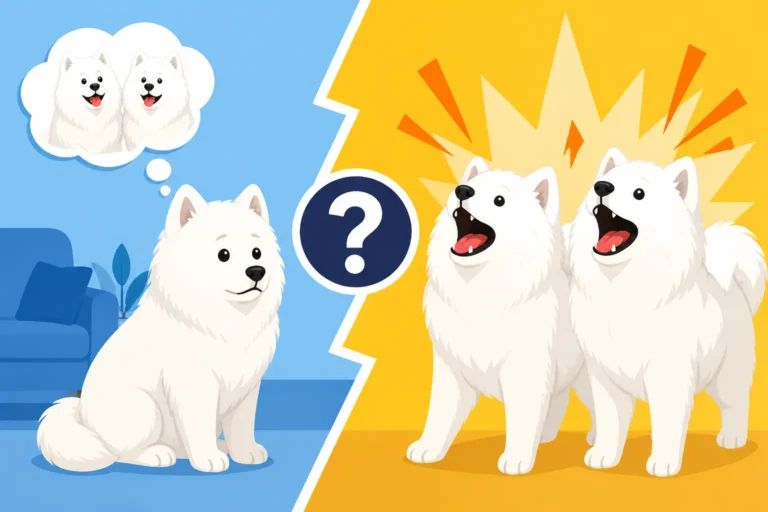
This is the golden rule for Samoyed owners. If you have any doubt about the safety of the temperature, humidity, or your dog's energy level, simply don't do it. A missed pulling session is far better than an emergency vet visit, or worse. Your Samoyed's life and long-term health are far more important than a few minutes of sport. They might give you the side-eye or a dramatic "Samoyed Scream" The Samoyed Scream and Why It Is Not Barking, but they'll thank you for it in the long run.
Ultimately, your Samoyed's well-being is paramount. While they are built to pull, they are built to pull in cold conditions. Responsible ownership means understanding and respecting these fundamental breed characteristics, even when it means postponing beloved activities until the weather truly cooperates.
Disclaimer
This article is for general informational purposes only and does not constitute professional advice. Laws, prices and regulations vary by location and change over time. Consult a qualified professional for guidance on your specific situation.