Whether an Old Samoyed Still Wants to Work
It’s a common heartache for Samoyed owners to see their beloved fluffball start to slow down, yet still gaze at them with that spark of wanting to run, pull, or play. This guide will delve into whether an older Samoyed still possesses the intrinsic drive for "work" – be it pulling a sled, hiking, or even just long walks – and how to navigate their aging bodies while honoring their enduring spirit.
The Undying Spirit: Why Your Senior Samoyed Still Seems Eager
One of the most heartwarming, and sometimes heartbreaking, traits of a Samoyed is their unwavering zest for life and activity. They are, at their core, working dogs bred for endurance and companionship. This means that even as they enter their golden years, often around the age of nine or ten, their minds and spirits can still be incredibly active, even if their bodies are starting to protest a little. You might find your senior Samoyed still "talking" to you with enthusiastic grumbles and woos when you grab the leash, or trying to bounce around the yard with the same vigor as their younger selves.
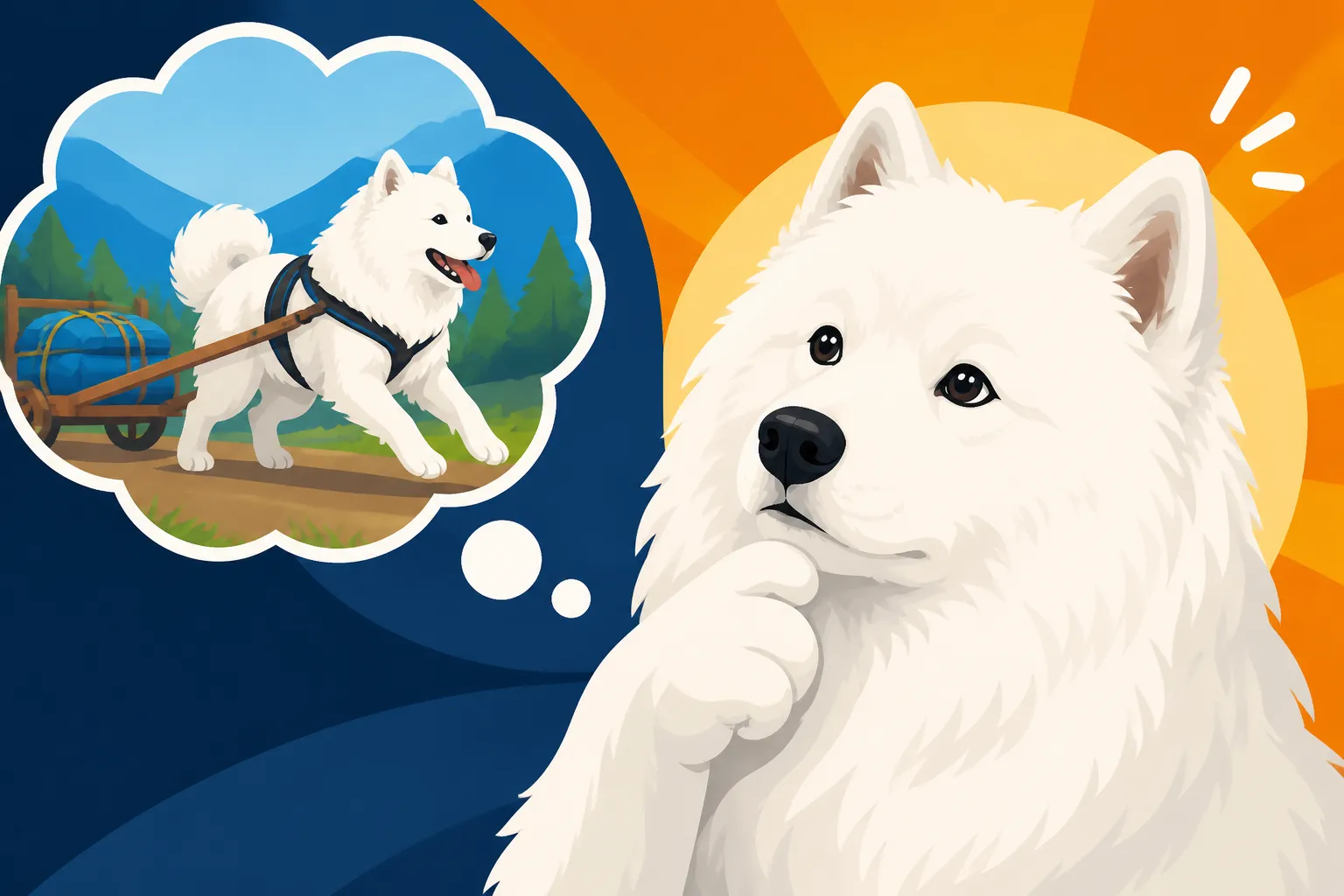
This enduring enthusiasm comes from their deep-seated breed history. Samoyeds were partners to the Nenets people, pulling sleds, herding reindeer, and sleeping in tents to provide warmth and protection. Their entire being is wired for purpose and interaction. So, when your older Samoyed still nudges you with their nose for a walk or trots proudly with a favorite toy, it’s not just a cute habit; it’s a reflection of their heritage and their deep bond with you. They genuinely want to be involved, to have a "job," even if that job has simplified over the years to patrolling the backyard for squirrels or greeting visitors with their characteristic smile. Their desire to participate, to be an active member of the family unit, rarely diminishes. The challenge for us as their guardians is to understand this innate drive and adapt to it as their physical capabilities change.
You might notice that while they still look eager, the actual execution might be slower. The joyful leaps might be replaced by a more deliberate trot, the long runs by shorter, more frequent sniff-arounds. This isn't a lack of desire; it's the spirit pushing against the limits of the flesh. It's crucial for us to acknowledge and respect this, celebrating their willingness while gently guiding them towards activities that are safe and comfortable for them. Their emotional need for engagement remains paramount, regardless of their physical limitations.
Physical Realities: What Age Actually Changes in a Working Samoyed
While their spirit might be forever young, a Samoyed's body certainly experiences the effects of time. It's a tough truth to face, especially for a breed known for its robust athleticism. Understanding these physical changes is the first step in providing appropriate care and adapting their "work" schedule.
Joint and Mobility Changes
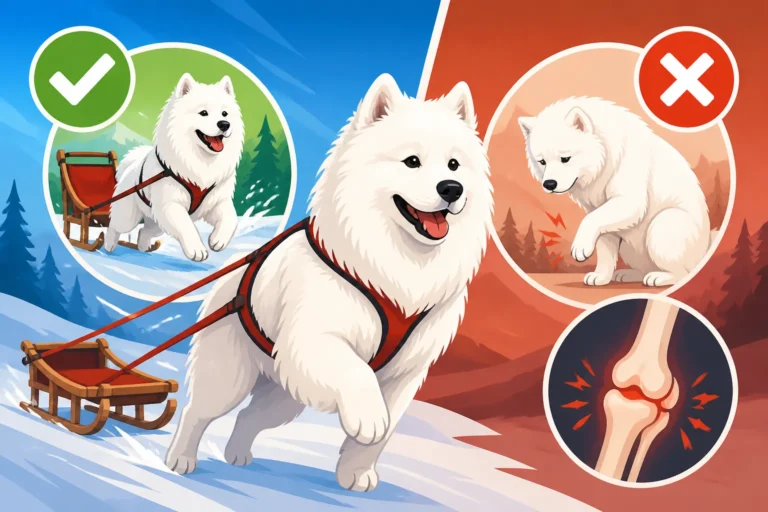
One of the most common and impactful changes in older Samoyeds relates to their joints. Just like us, dogs can develop arthritis as they age. Conditions like Arthritis in an Older Samoyed can lead to stiffness, pain, and reduced range of motion. What was once an effortless leap onto the couch might become a slow, deliberate climb, or they might even avoid it altogether. Their morning stretches might take longer, and you might notice them being less enthusiastic about stairs or jumping into the car. This isn't laziness; it's often discomfort. Their powerful legs, built for pulling, can start to ache.
It’s not just arthritis, either. Ligaments can weaken, muscles can atrophy, and overall joint stability can decrease. This means that activities requiring quick turns, sudden stops, or explosive power, like chasing a ball at full speed, become not only harder but potentially dangerous, increasing the risk of injury. A Samoyed that once loved pulling a sled or participating in canicross might find the sustained impact and strain on their joints too much. Paying close attention to how they move and any signs of discomfort is vital. If your Samoyed is showing stiffness or pain, a vet visit is in order. This is where pet insurance providers like Healthy Paws can really step in, helping to cover diagnostics and ongoing treatments for age-related conditions, allowing you to focus on your dog's comfort.
Stamina and Energy Levels
Another significant change you'll observe in an aging Samoyed is a decrease in stamina and overall energy levels. The boundless energy of their youth, where they could happily hike for miles or play for hours, gradually wanes. Their cardiovascular system might not be as efficient, and their muscles might tire more quickly. You might notice them panting more easily after shorter bursts of activity, or wanting to lie down and rest sooner during a walk. Their recovery time also tends to increase; they might need longer naps after even moderate exercise.
This doesn't mean they've lost their desire to be active. It means they need their activity managed differently. A long, strenuous hike might need to be replaced by several shorter, gentler strolls throughout the day. Their metabolism might also slow down, meaning they don't burn calories as quickly, which can lead to weight gain if their diet isn't adjusted. Keeping an eye on Signs a Samoyed Is Getting Old can help you adjust their routine proactively. It’s a natural part of The Average Age a Samoyed Reaches, and adapting their exercise to match their current physical state is a crucial act of love and responsible pet ownership.
Sensory Decline and Cognitive Changes
Beyond physical mobility and stamina, older Samoyeds can also experience a decline in their senses, particularly hearing and sight. Their keen nose might still be strong, but they might not hear you call their name from across the yard as readily as before, or they might startle more easily if approached from behind. Their vision can also dim, leading to hesitancy in new environments or at night. Progressive Retinal Atrophy in a Samoyed is one example of a condition that can affect sight. These changes can make certain "working" activities, especially those off-leash or in unfamiliar terrains, much riskier.
Some Samoyeds may also experience cognitive dysfunction, sometimes called "doggy dementia." This can manifest as confusion, altered sleep-wake cycles, house-soiling accidents, or a decrease in their ability to perform learned tasks. While their desire to interact might still be there, their capacity to process commands or navigate complex situations might diminish. These changes can be subtle at first, but they can significantly impact how your Samoyed engages with the world and what activities are safe and enriching for them. Regular veterinary check-ups are paramount as they age, helping to identify and manage these changes early, and it's comforting to know that pet insurance like Healthy Paws can assist with the costs of diagnostics and treatments for such conditions.
Adapting Work for the Senior Samoyed: Keeping Them Engaged Safely
Just because your Samoyed is getting older and can't perform at their peak doesn't mean they want to be benched entirely. Their intelligent minds and loving spirits still crave engagement. The key is to adapt their "work" to suit their changing abilities, focusing on mental stimulation and gentle physical activity.
Modifying Physical Activities
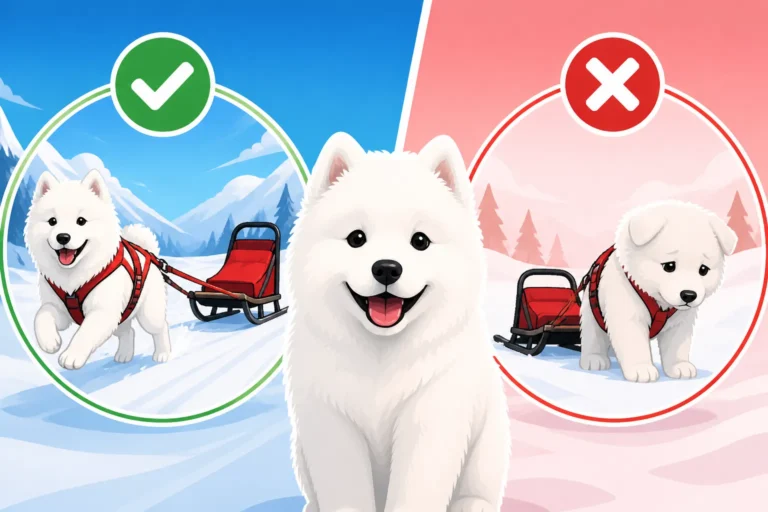
For the Samoyed who still loves to move, modifying their physical routine is essential. Instead of a single long hike, consider breaking it up into two or three shorter, leisurely walks throughout the day. Focus on flat, even terrain to minimize strain on their joints. If they loved pulling, switch to lighter loads or shorter distances, or perhaps even try urban mushing on softer surfaces if available. A slower, more deliberate pace allows them to enjoy the smells and sights without overexerting themselves. Think of it as a quality-over-quantity approach.
Swimming can be an excellent low-impact exercise for older Samoyeds, as the water supports their joints while still providing a good workout. Just ensure they have easy entry and exit points and are closely supervised. If they enjoyed chasing a ball, try rolling it slowly instead of throwing it far, encouraging a gentle trot rather than a full-speed sprint. Consider investing in a comfortable, supportive dog bed for their downtime, perhaps an orthopedic one, as discussed in What an Arthritic Samoyed Should Sleep On. Even short sessions of gentle play, tailored to their comfort level, can keep their muscles toned and spirits high. Remember, the goal is to keep them active without causing pain or exhaustion.
Prioritizing Mental Stimulation
Mental "work" becomes increasingly important as physical capabilities decline. Samoyeds are smart dogs, and a bored senior dog can become anxious or destructive, despite their age. Puzzle toys, snuffle mats, and scent games are fantastic ways to keep their minds sharp and engaged. Hiding treats around the house for them to sniff out provides a low-impact activity that taps into their natural instincts. Even simple training refreshers can be beneficial. Reviewing basic commands like "sit," "stay," or "come" in short, positive sessions keeps their brains active and reinforces your bond.
Consider introducing new, easy tricks that don't require much physical exertion. "Paw," "spin" (slowly), or "touch" can be fun and rewarding. Rotate their toys regularly to keep things interesting. Even just spending time with them, talking to them, and offering gentle massages can provide significant mental and emotional comfort. These activities allow them to continue feeling like a valuable, contributing member of the family, fulfilling that innate Samoyed need for purpose.
The Role of Nutrition and Supplements
Proper nutrition and supplements play a critical role in supporting the health of an aging Samoyed. As their activity levels decrease and metabolism slows, they might need fewer calories to maintain a healthy weight. Feeding an Old Samoyed properly can help prevent obesity, which puts extra strain on already aging joints. Many senior-specific dog foods are formulated with lower calories and added joint-supporting ingredients.
Supplements like glucosamine, chondroitin, and omega-3 fatty acids can be highly beneficial for joint health, helping to reduce inflammation and support cartilage. Discuss these options with your veterinarian to determine the best regimen for your individual Samoyed. Joint Supplements for a Samoyed can make a noticeable difference in their comfort and mobility. Regular vet check-ups are non-negotiable for senior dogs, often recommended every six months. These visits allow your vet to monitor their overall health, detect any issues early, and adjust their care plan as needed. For unexpected health issues that might arise, especially as dogs age, having robust pet insurance like Healthy Paws can provide immense peace of mind, covering a significant portion of eligible vet bills.
Recognizing the Limits: Knowing When to Shift Gears Entirely
It's difficult for any devoted Samoyed owner to admit that their furry companion is truly "old," and even harder to accept that some activities, no matter how cherished, might no longer be appropriate. Knowing when to shift from modifying activities to completely retiring them from certain strenuous "work" is a delicate balance of observation, veterinary advice, and empathy.
Signs Your Samoyed Needs to Slow Down Further
While your Samoyed's spirit may be willing, their body will eventually send clear signals that it's time to drastically scale back. These signs can include:
- Persistent pain or lameness: If, despite medication and adapted exercise, your Samoyed is consistently limping, crying out in pain, or struggling to get up, it’s a strong indicator they need less physical exertion.
- Extreme fatigue: After even short, gentle activities, if your Samoyed is completely exhausted, panting excessively, or needing very long recovery times, their stamina is clearly depleted.
- Loss of interest: While their spirit generally remains, a truly uncomfortable or ill Samoyed might start to lose interest in activities they once loved. They might turn away from the leash or ignore a favorite toy.
- Behavioral changes: Increased irritability, anxiety, or even aggression can sometimes be a sign of chronic pain or discomfort. Whether a Samoyed Complains When It Hurts is something to watch for, as they often mask pain.
- Declining coordination or balance: Frequent stumbling, falling, or a general unsteadiness can make many activities unsafe.
It's important to remember that these aren't failures on your Samoyed's part, but natural consequences of aging. Your responsibility as their owner is to listen to these signals and prioritize their comfort and quality of life above all else. This might mean saying goodbye to competitive dog sports or long-distance adventures, and embracing the quieter joys.
Prioritizing Comfort and Quality of Life
Ultimately, the goal for an older Samoyed is to maximize their comfort and maintain a high quality of life. This means providing a supportive environment, managing pain, and ensuring they still feel loved and included.
Creating a Senior-Friendly Home:
- Ramps or steps: For beds, couches, or cars to reduce jumping strain.
- Non-slip surfaces: Rugs on slippery floors can prevent falls.
- Easy access to essentials: Food, water, and potty spots should be easily reachable.
- Warm, comfortable resting spots: Older dogs can get chilled more easily.
Pain Management: Work closely with your veterinarian. They might recommend anti-inflammatory medications, pain relievers, acupuncture, or physical therapy to help manage chronic pain. Regular vet visits are crucial, and having a comprehensive pet insurance plan from Healthy Paws can significantly ease the financial burden of these ongoing treatments and specialist consultations.
Emotional Support: Your Samoyed still needs your presence and affection. Gentle grooming, quiet cuddle sessions, and consistent routines provide security and comfort. Even if they can't run alongside you anymore, they can still enjoy your company on the porch or in the living room. Understanding Knowing When an Old Samoyed Has Had Enough is a conversation no one wants to have, but it's a vital part of their journey. Your senior Samoyed might not "work" in the traditional sense, but their "job" becomes one of cherished companionship, and your job is to make their remaining years as joyful and comfortable as possible.
| Activity Type | Young Adult Samoyed (1-7 years) | Senior Samoyed (8+ years) |
|---|---|---|
| Sledding/Pulling | Regular training, competitive races, long distances, heavy loads | Light loads, short distances, soft terrain, focus on enjoyment |
| Hiking/Running | Multi-mile hikes, trail running, vigorous off-leash excursions | Shorter, slower walks on even ground, multiple short outings |
| Agility/Obedience | High-impact jumps, fast weaves, complex sequences | Low-impact obstacle work, refresher training, focus on mental cues |
| Fetching/Play | Full-speed sprints, retrieving over distances, rough-and-tumble | Gentle rolling games, short throws, puzzle toys, sniff games |
| Mental Stimulation | Basic training, new tricks, environmental enrichment | Advanced puzzle toys, scent work, familiar commands, quiet interaction |
| Social Interaction | Dog parks, active playdates, busy social events | Controlled, gentle interactions, quiet companions, family time |
This table highlights how activities shift from high-intensity physical exertion to more mindful, gentle, and mentally engaging pursuits that prioritize your senior Samoyed's well-being. Always consult with your veterinarian to tailor an activity plan that’s right for your individual dog.
Disclaimer
This article is for general informational purposes only and does not constitute professional advice. Laws, prices and regulations vary by location and change over time. Consult a qualified professional for guidance on your specific situation.