Whether a Samoyed Puppy Should Pull a Sled
Many new Samoyed owners see their fluffy puppies naturally trying to pull on the leash, and it's easy to wonder if they're ready to embrace their sled dog heritage early. But rushing a Samoyed puppy into pulling activities can have serious, long-term consequences for their delicate developing bodies. This guide will walk you through the crucial considerations for protecting your young Samoyed, establishing appropriate exercise routines, and understanding when they're truly ready to embrace the harness.
The Powerful Instinct Versus Fragile Growth
Samoyeds are majestic creatures, bred for centuries to pull sleds and herd reindeer across vast, icy landscapes. That instinct to lean into a harness, to move forward with purpose, is deeply ingrained in their DNA. It’s no wonder that even a tiny Samoyed puppy will often pull enthusiastically on its leash, eager to lead the way. However, a puppy's enthusiasm often far outpaces its physical readiness, and ignoring this crucial difference can lead to significant health problems down the road. Their bones, joints, and soft tissues are still incredibly pliable and susceptible to damage.
Understanding Puppy Skeletal Development
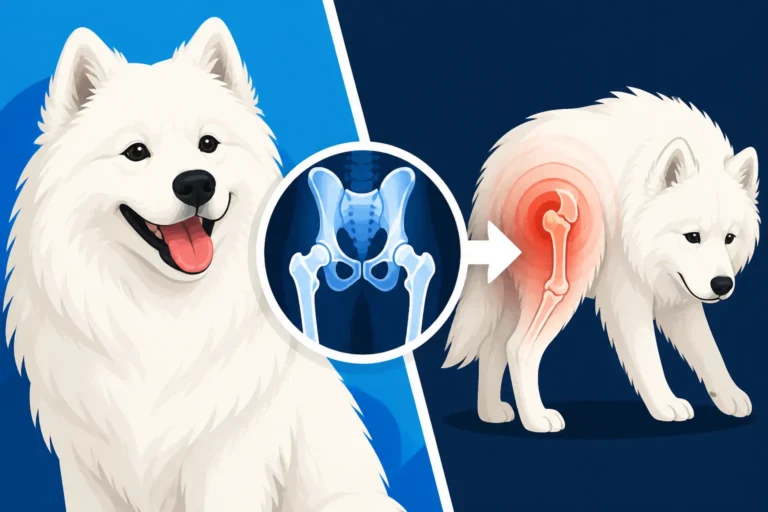
It's tempting to think of a puppy as just a smaller version of an adult dog, but that's far from the truth. A Samoyed puppy's skeleton isn't fully formed or hardened until well into their second year, sometimes even later for larger males. Their long bones, like those in their legs, have "growth plates" – areas of cartilage that are soft and constantly expanding. These growth plates are where new bone is generated, allowing the puppy to grow in height and length. They are incredibly vulnerable to injury, much more so than the fully fused bones of an adult dog.
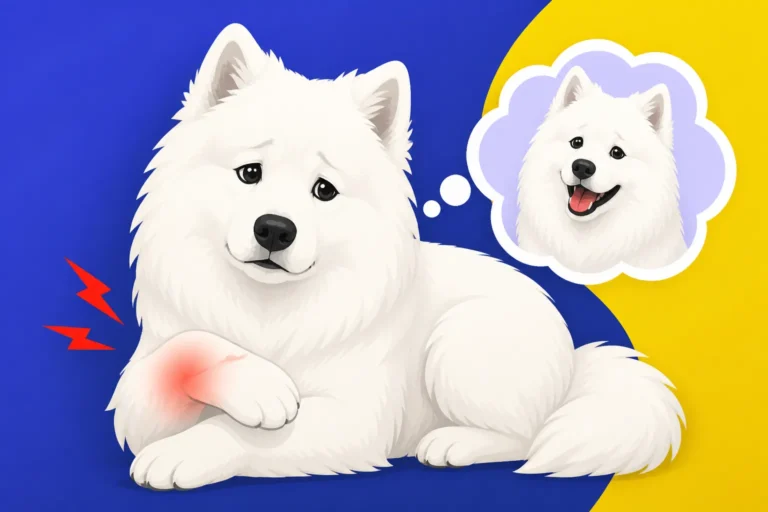
Any excessive stress, impact, or repetitive strain on these delicate growth plates can lead to irreversible damage. This isn't just about a temporary limp; it can result in deformities, uneven limb lengths, and premature arthritis. Imagine asking a human toddler to lift weights or run a marathon – it sounds absurd because we understand their bodies aren't ready. The same principle applies to your Samoyed puppy and activities like sledding or heavy pulling. It’s not just about strength; it’s about the structural integrity of their entire skeletal system. Rushing them risks their long-term soundness, which is something no loving Samoyed owner wants. We want them to live out The Twelve to Fourteen Years a Samoyed Lives healthy and active.
Why Premature Pulling Is a Risk
When a Samoyed pulls, especially with significant weight or resistance, the forces exerted on its body are substantial. The shoulders, elbows, hips, and spine all bear the brunt of this strain. For a puppy, whose growth plates are still open and whose ligaments and tendons are still developing their full strength, these forces can be catastrophic. Early, intensive pulling can lead to conditions such as hip and elbow dysplasia, even if the puppy has excellent genetics. You might be setting them up for a lifetime of pain and expensive veterinary care, potentially costing you more even with a good pet insurance plan like Healthy Paws.
Think about a common issue like Hip Dysplasia in a Samoyed. While genetics play a huge role, environmental factors during growth, such as excessive exercise or impact on developing joints, can exacerbate or even trigger the expression of the condition. Putting a harness on a young puppy and letting them pull against resistance, even if it feels light to you, is putting their future joint health at risk. It’s a gamble that’s simply not worth taking when their long-term well-being is at stake. The joy of a few months of early pulling is nothing compared to a lifetime of discomfort and restricted mobility.
Understanding the Safe Age for Formal Pulling Training
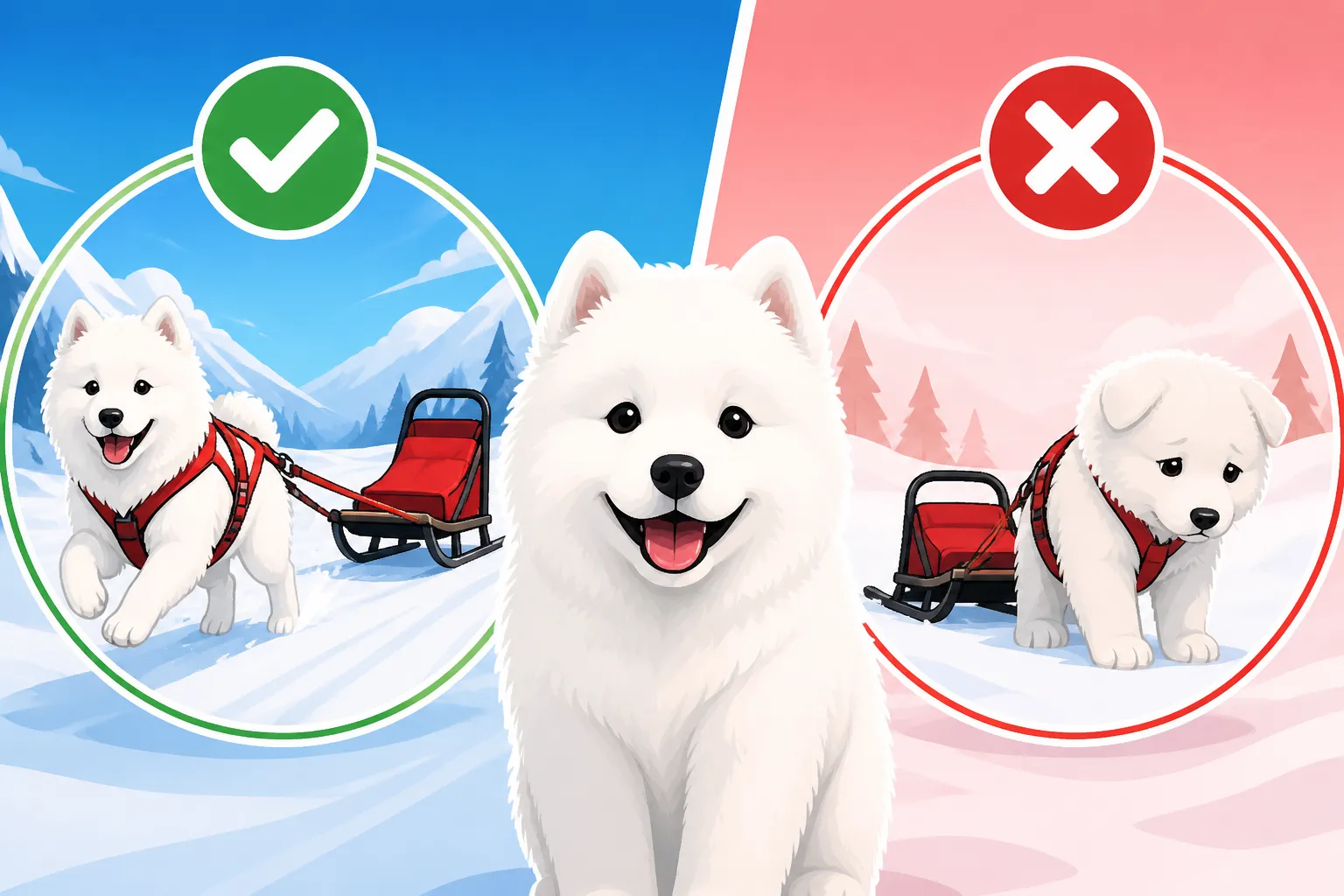
So, if an enthusiastic Samoyed puppy shouldn't pull a sled, when can they start? This is a question many Samoyed owners grapple with, eager to engage their dog in activities they were born for. The general consensus among veterinarians and experienced sled dog enthusiasts is that serious, weight-bearing pulling activities should be delayed until a Samoyed's skeletal system is fully mature. This usually means waiting until they are at least 18 months to 2 years old, though some recommend waiting even longer for competitive or heavy-duty work.
The Age a Samoyed Can Start Sledding
While you might see videos of very young pups in miniature harnesses, these are typically for "fun runs" with extremely light loads or no load at all, often just to introduce them to the equipment and the joy of running with others. For actual sledding or any activity involving significant resistance, such as canicross or bikejoring, a Samoyed needs to be physically mature. The general guideline is to wait until a Samoyed is at least 18 months to 24 months old. This allows their growth plates to close and their joints, muscles, and ligaments to fully strengthen. This aligns with advice on The Age a Samoyed Can Start Sledding.
Before this age, you can certainly introduce them to the harness and the idea of forward motion, but without any real resistance. Think of it as foundational training, not actual work. This means using a lightweight harness, letting them run freely (or on a long line) and associate the harness with fun. You might even want to introduce them to other dogs in a team setting, but again, without the pressure of pulling a load. This slow, careful approach helps prevent injuries and builds a strong, confident working dog. Remember, their enthusiasm is innate, but their physical structure needs time.
Here's a quick guide to age-appropriate activities:
| Age Range | Recommended Activities | Activities to Avoid (for pulling) |
|---|---|---|
| 8-16 weeks | Short, leash-free play in safe, enclosed areas; puppy classes focusing on socialization and basic positive reinforcement. | Any structured pulling activity; extensive forced exercise; long, monotonous walks; high-impact jumping or running on hard surfaces. |
| 4-8 months | Continued leash-free play; short, controlled walks on varied soft surfaces; introduce lightweight harness without load; basic obedience commands (sit, stay, come). | Repetitive jumping, especially from heights; sustained running on pavement; any serious attempt to have them pull weight, even light weight. |
| 8-18 months | Gradual increase in walk/hike length (up to 30-60 mins); off-leash exploration on varied terrain; light introduction to harness in motion (no load, just positive association); agility foundations (low impact). | High-impact jumps; sustained hard-surface running; any significant pulling activity; overly long or strenuous hikes that could overtax developing joints. |
| 18-24 months+ | Gradual introduction to very light loads in harness (e.g., an empty sled on snow, or a very light drag for a few minutes); canicross/bikejoring with appropriate conditioning. | Overtraining; excessive load or duration without proper conditioning; ignoring signs of fatigue or discomfort; sudden leaps into intense activity. |
| 24 months+ | Full sledding, canicross, bikejoring, weight pulling, competitive agility (with vet approval and ongoing conditioning). | Neglecting warm-up and cool-down routines; pushing through pain; not adapting exercise to weather conditions or the dog's individual needs as they age. |
This table serves as a general guide, and every Samoyed is an individual. Always consult with your veterinarian before beginning any strenuous activity, especially if you have a plan with a provider like Healthy Paws.
Prioritizing Joint Health and Longevity
The goal should always be a long, active, and pain-free life for your Samoyed. Pushing them too hard, too fast, can compromise that. Beyond the physical structure, a puppy's mental focus is also still developing. While they have the drive, they lack the sustained attention and discipline needed for true working activities. Starting formal training too early can lead to frustration for both dog and owner, potentially souring them on the activity before they've even had a chance to truly enjoy it.
Think about the long game. You want your Samoyed to be able to enjoy pulling activities well into their senior years. This means respecting their growth phase, providing appropriate nutrition, and ensuring they get the right kind of exercise. It's about building a strong foundation, not rushing to the finish line. Waiting for their body to mature fully is the most responsible and loving choice you can make. It protects them from injuries that could prematurely age their joints or force them to retire from activities they love far too soon. Considering Whether Sledding Wears Out a Samoyed's Joints is a vital part of being a responsible owner, emphasizing long-term health over immediate gratification.
Channeling the Samoyed's Drive Safely in Puppyhood
Just because a Samoyed puppy shouldn't be pulling a sled doesn't mean you should stifle their natural instincts! Samoyeds are intelligent, energetic dogs with a deep-seated need for purpose and activity. Ignoring this can lead to destructive behaviors, not because they are "bad," but because they are bored and frustrated. The key is to channel that energy and drive into appropriate, safe activities that support their development rather than hindering it. This is a critical aspect of The First Year With a Samoyed Puppy.
Safe Alternatives for Young Pups
For young Samoyed puppies, the focus should be on building a strong bond, foundational obedience, and safe socialization. Instead of structured pulling, think about activities that encourage natural movement without excessive strain.
- Structured Play and Exploration: Free play in a secure yard is invaluable. Fetch, gentle tug-of-war (with appropriate rules that teach impulse control), and exploring different textures and safe environments all contribute to physical and mental development. Encourage sniffing games and short bursts of running on soft surfaces.
- Short, Varied Walks: Instead of long, monotonous walks on pavement, take your puppy on shorter outings to diverse environments. Grass, dirt paths, and gentle inclines offer varied terrain that strengthens muscles and improves coordination without repetitive impact. These walks should be about exploration and enrichment, not covering miles. Remember to be mindful of Keeping a Samoyed Puppy Off Stairs too much during this crucial growth phase, as repetitive stair climbing can also stress developing joints.
- Puzzle Toys and Scent Work: These activities engage their minds and satisfy their desire to "work" without putting stress on their bodies. Hiding treats around the house or yard, using snuffle mats, or offering Kongs stuffed with goodies can provide hours of mental stimulation and reduce boredom-related behaviors.
- Introducing the Harness (Positive Association): Get them used to wearing a comfortable, well-fitting harness (like those from Ruffwear or Kurgo, though not specifically for pulling at this age) during short, positive experiences, like meal times or brief play sessions. This creates a positive association with the equipment, making the transition to actual pulling harnesses much smoother when they are older.
These alternatives not only keep your puppy happy and engaged but also help build the mental and physical resilience they'll need for more strenuous activities later. It's all about progressive conditioning and respecting their biological timeline, setting them up for success when they are mature enough for activities like Whether a Samoyed Suits Bikejoring.
Foundational Training for Future Working Life
While you're waiting for their bones to mature, you can lay incredible groundwork for their future pulling career. This includes solid obedience training, which is crucial for any working dog. A reliable "come," "stay," "leave it," and good leash manners (even if their natural instinct is to pull) will be invaluable.
- Leash Manners: Teach a loose-leash walk, even though their instinct is to pull. This gives you control and teaches them to respond to gentle pressure on their neck or chest, preparing them for cues in a harness later. Consistency is key here.
- Directional Cues: You can start teaching verbal cues like "gee" (right) and "haw" (left) during walks or play, even if they aren't attached to a sled. Reward them heavily for responding, making it a fun game. This mental stimulation is excellent for a Samoyed.
- Body Awareness: Games that encourage them to navigate obstacles or use their body in different ways (like stepping over low objects or walking on unstable surfaces like cushions) can improve their proprioception and coordination, crucial for complex movements later on. This also helps with balance and muscle development.
All of these activities prepare your Samoyed both mentally and physically, without putting undue stress on their developing joints. By the time they are old enough to safely start pulling, they'll be well-behaved, responsive, and eager to learn the ropes of their heritage. You're setting them up for success, ensuring they can enjoy appropriate activities with a healthy body and a well-trained mind. And while you're focused on their growth, it’s a good idea to ensure their regular vet check-ups are covered by a solid pet insurance plan, giving you peace of mind for any unexpected bumps in the road. Many owners opt for plans from providers like Healthy Paws for comprehensive coverage throughout their Samoyed's life, especially if they are concerned about conditions like Whether a Samoyed Needs Joint Support Early.
The Long-Term Vision for a Working Samoyed
It's easy to get caught up in the excitement of a Samoyed puppy's boundless energy and natural desire to pull. However, truly understanding What a Samoyed Was Actually Bred to Do means appreciating the endurance and robustness required for their traditional roles, which are built over years, not months. A well-conditioned adult Samoyed can be an incredible partner for pulling activities, but this strength and stamina are the result of careful, patient development.
Conditioning for Performance and Health
When your Samoyed reaches maturity (typically around 18-24 months), the process of conditioning for pulling activities should still be gradual. You wouldn't expect a human to run a marathon without training, and the same applies to your dog. Start with short distances and very light loads, slowly increasing both as your dog's strength and stamina improve. Monitoring their gait, energy levels, and overall enthusiasm is crucial.
- Veterinary Clearance: Before embarking on any serious pulling regimen, a full veterinary check-up is absolutely essential. This ensures there are no underlying health issues, especially concerning their heart (you should always ensure the heart is listened to (Why a Samoyed Puppy's Heart Should Be Listened To) when they are young) or joints, that could be exacerbated by strenuous activity. Your vet can provide guidance on appropriate conditioning protocols for your individual dog.
- Appropriate Gear: Invest in high-quality, properly fitted pulling harnesses. A well-designed harness distributes pressure evenly across the chest and shoulders, allowing for efficient pulling and preventing injury. Never use a regular walking harness or collar for pulling heavy loads, as this can cause discomfort, choking, or even spinal damage. Brands like Non-stop Dogwear, Arctic Wolf, or Neewa are often recommended by experienced mushers.
- Nutrition and Hydration: Working dogs have higher caloric needs and require consistent, high-quality nutrition and ample hydration. Work with your vet to ensure your Samoyed is on an appropriate diet that supports their energy output and recovery, especially during periods of increased activity.
- Rest and Recovery: Just like human athletes, working dogs need adequate rest and recovery time. Don't push your Samoyed every day, especially when starting out. Incorporate rest days and active recovery (like leisurely walks) into their schedule. Observe your dog for any signs of soreness, fatigue, or loss of enthusiasm, and adjust their routine accordingly.
This systematic approach ensures your Samoyed develops the strength and endurance needed to enjoy pulling safely and effectively for many years. It prevents burnout, injury, and maintains their love for the activity, ensuring that its will to work (Whether an Old Samoyed Still Wants to Work) remains a resounding yes!
The Rewards of Patience
By being patient and prioritizing your Samoyed puppy's healthy development, you're investing in a lifetime of shared adventures. Imagine heading out on a crisp winter day, your fully grown, powerful Samoyed eagerly leaning into their harness, pulling an empty sled or you on skis, radiating joy and purpose. This isn't just about the physical act of pulling; it's about the deep connection you build, the trust, and the shared experience of working together.
Whether you aspire to competitive sledding, recreational skijoring, or simply enjoying vigorous walks with your Samoyed pulling you on a scooter, the foundation laid during puppyhood is paramount. It ensures that when you do finally say "hike!" and they lean into that harness with all their magnificent Samoyed heart, they do so with a body that is strong, sound, and ready for the challenge. You'll be able to enjoy these activities without constant worry about injury, and without having to rely on your pet insurance from providers like Healthy Paws for preventable issues. It is a true testament to responsible ownership and the ultimate respect for their incredible heritage. You might even find yourself looking into How Much a Samoyed Can Pull as they mature, safely and enthusiastically.
Choosing to defer serious pulling activities for your Samoyed puppy is not denying their nature; it’s honoring it by giving them the best possible start for a long and healthy working life. It's a commitment that pays dividends in joy, health, and companionship for years to come.
Disclaimer
The information provided in this article is for general informational purposes only and is not a substitute for professional veterinary advice. Always consult with a qualified veterinarian for any health concerns or before making any decisions about your dog's health or exercise regimen.