Whether Sledding Wears Out a Samoyed’s Joints
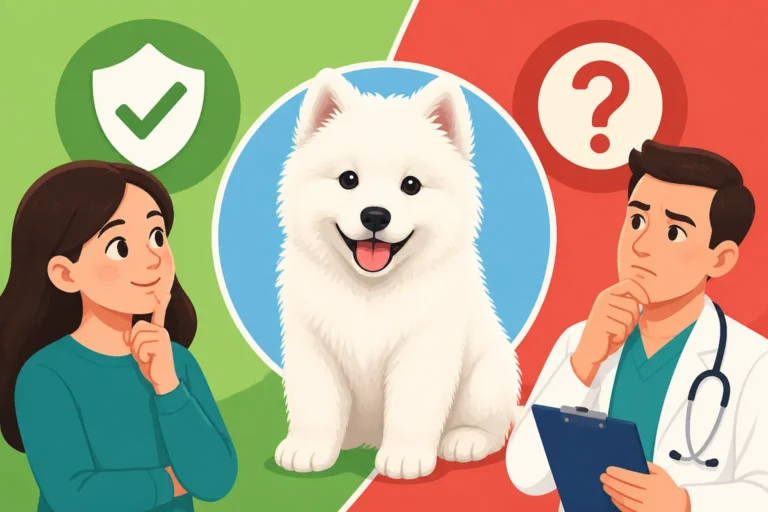
It's completely natural to be concerned about your Samoyed's well-being, especially when you're involving them in activities like sledding that test their physical limits. Many of us dream of seeing our fluffy partners pull a sled, just as their ancestors did, but we're also rightfully worried about whether such strenuous activity could be detrimental to their long-term joint health. This guide will dive deep into how sledding impacts a Samoyed's joints, what you can do to protect them, and how to keep your furry friend happy and healthy through all their working years.
The Samoyed's Ancestral Design for Pulling
Before we even talk about the wear and tear, let's appreciate the incredible athleticism and design of the Samoyed. These dogs weren't just bred for their stunning looks; they were the tireless partners of the Nenets people in Siberia, bred for centuries to herd reindeer, guard their camps, and, yes, pull sleds across vast, frozen landscapes. This isn't just a hobby for many Samoyeds; it's practically in their DNA. Their very build is a testament to generations of selection for endurance, strength, and resilience in extreme conditions.
When you look at a well-bred Samoyed, you see a dog designed for work. Their strong, well-muscled hindquarters provide the powerful drive needed to propel themselves forward, whether it's through deep snow or up an incline. Their deep chest allows for impressive lung capacity, vital for sustained effort over long distances. The straight, strong front legs are crucial for efficient gait and absorbing impact. This natural conformation, when healthy, is an excellent foundation for activities like sledding. It's not about making them do something unnatural; it's about channeling what they were literally built for.
However, even with this incredible genetic predisposition, it’s vital to remember that not every individual Samoyed will have the perfect conformation or the same level of physical soundness. Just like human athletes, there's a spectrum. Responsible breeding aims to minimize hereditary issues that could compromise joint health, like hip and elbow dysplasia, but even in the best-bred dogs, proper conditioning and care are paramount. We're talking about putting sustained, repetitive stress on their bodies, and even the most robust structure needs careful management.
Understanding the Biomechanics of Pulling
When a Samoyed pulls a sled, they engage a complex system of muscles, bones, tendons, and ligaments. It's a full-body workout that, if not managed correctly, can put undue stress on various joints. Let's break down which joints are most affected and how.
Impact on Hips and Spine
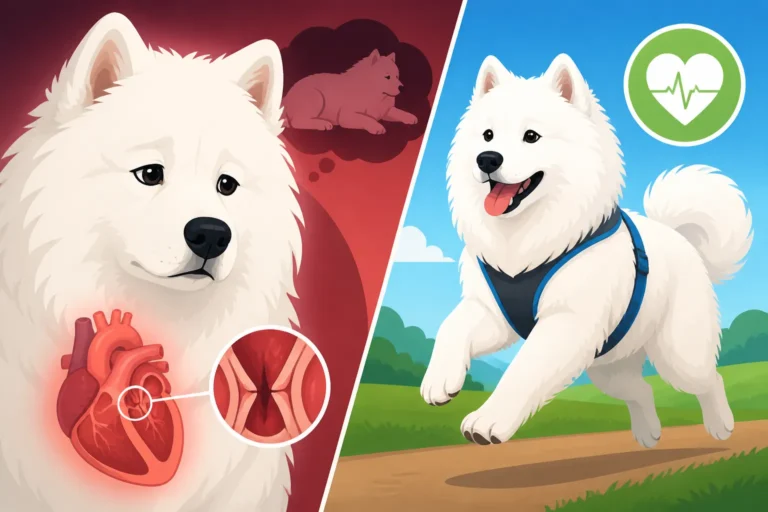
The hips are arguably one of the most critical areas to consider for any working dog, and Samoyeds are no exception. As a dog pulls, the hindquarters are responsible for much of the propulsion, pushing off the ground with force. This creates repetitive stress on the hip joints. If a dog has underlying conditions like Hip Dysplasia in a Samoyed, this stress can exacerbate the condition, leading to pain, inflammation, and accelerated degeneration. Even in healthy hips, constant, high-impact pulling on hard surfaces or with excessive weight can lead to wear and tear over time.
The spine also plays a significant role in transmitting power from the hindquarters through the core to the harness. A Samoyed’s strong back is essential for stability and efficient pulling. Any weakness or existing spinal issues could be aggravated by the twisting and compression forces involved in pulling. Maintaining a strong core musculature, often overlooked, is as important for spinal health in pulling dogs as it is for human athletes. Think of the spine as the central axle; if it's not well-supported, everything else can suffer.
Stress on Shoulders and Elbows
The front end of your Samoyed, comprising the shoulders, elbows, and carpi (wrists), takes on a different kind of stress. While the hindquarters provide the primary propulsion, the front limbs are crucial for steering, balance, and absorbing impact, especially when braking or navigating uneven terrain. The shoulders, in particular, undergo a wide range of motion and bear significant load. Repetitive motion without proper conditioning can lead to soft tissue injuries or inflammation in the shoulder joint.
Elbows are another common site for issues in many breeds, and Samoyeds are not immune. Conditions like elbow dysplasia can be painful and debilitating. In sledding, the elbow joint experiences a combination of flexion, extension, and rotational forces. Impact from hitting uneven ground or the strain of pulling a heavy load through deep snow can put excessive pressure on these joints. Monitoring your Samoyed for any lameness or reluctance to extend their front legs is crucial, as early intervention can make a significant difference.
Minimizing Joint Strain and Promoting Longevity
The good news is that with careful planning, appropriate training, and ongoing care, you can significantly reduce the risk of joint issues and allow your Samoyed to enjoy sledding safely for many years. It’s about being proactive and understanding your dog's individual needs.
Progressive Training and Conditioning
You wouldn't expect a human to run a marathon without training, and the same principle applies to your Samoyed and sledding. Start slow and build up gradually. Begin with short, light sessions, focusing on form and enthusiasm. Increase distance and weight incrementally over weeks and months. This progressive overload allows your dog's muscles, tendons, ligaments, and joints to adapt and strengthen, building resilience. A proper warm-up before each session – a brisk walk, some gentle stretches – and a cool-down period afterward, are also vital to prevent injury and promote recovery.
Consider incorporating cross-training into your Samoyed's routine. Activities like swimming are excellent for building muscle and cardiovascular fitness without the high impact on joints. Hiking on varied terrain can strengthen stabilizer muscles. Think about overall fitness, not just pulling. A strong, well-conditioned dog is less prone to injury. For a deeper dive into their exercise needs beyond sledding, you might want to read How Much Exercise a Samoyed Needs.
Nutrition and Supplements for Joint Health
What you feed your Samoyed plays a crucial role in their joint health. A high-quality diet provides the building blocks for healthy cartilage and strong bones. For working dogs, ensuring adequate protein and appropriate fat levels for energy is important. Beyond basic nutrition, many owners opt for joint supplements. Ingredients like glucosamine, chondroitin, and MSM are widely used to support cartilage health and reduce inflammation. Omega-3 fatty acids, found in fish oil, are also beneficial for their anti-inflammatory properties.
It's a good idea to discuss specific supplement choices and dosages with your veterinarian, especially if your Samoyed is actively training or competing. They can help you tailor a plan based on your dog's age, activity level, and any pre-existing conditions. For more detailed information on this topic, check out Joint Supplements for a Samoyed and Whether a Samoyed Needs Joint Support Early. Remember, supplements are meant to support, not replace, a balanced diet and responsible training practices.
Equipment and Surface Considerations
The right equipment is non-negotiable. A properly fitted harness is paramount. It should distribute pressure evenly across the chest and shoulders, allowing for full range of motion without chafing or restricting breathing. Avoid harnesses that put pressure on the throat or spine. Similarly, ensure the lines connecting your dog to the sled or rig are appropriately sized and positioned to prevent awkward angles or unnecessary strain.
The surface you train on also makes a big difference. Snow, the Samoyed's natural element, is generally much more forgiving on joints than pavement or hard-packed dirt. Its cushioning effect reduces impact. If you're doing dryland training (e.g., canicross, bikejoring, or urban mushing), choose softer trails like dirt paths or grassy areas whenever possible. Avoid concrete or asphalt for prolonged, intense pulling sessions, especially with heavy loads. Always check paw pads after any dryland training on rough surfaces to prevent injury.
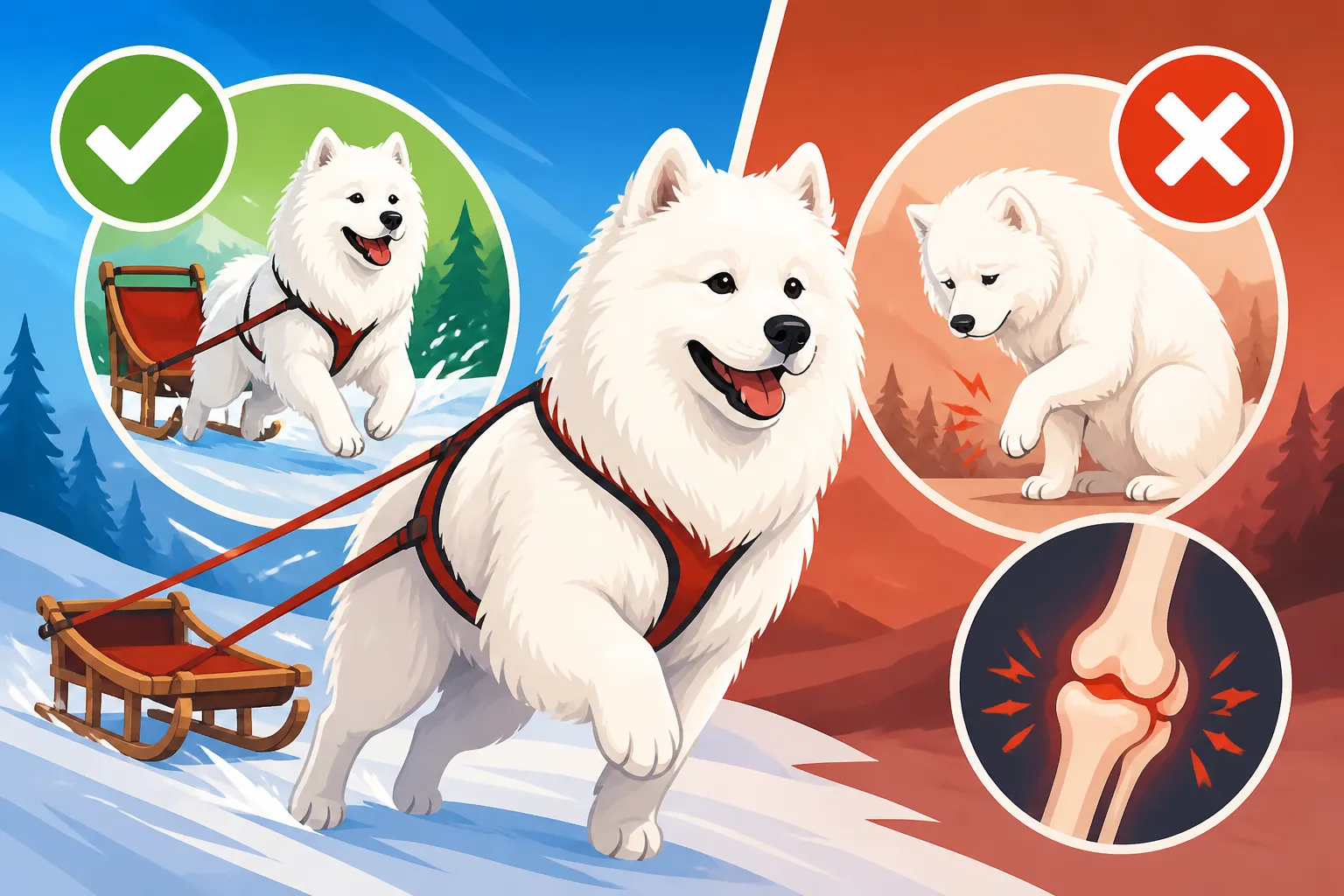
Here's a quick comparison of safe vs. risky sledding practices:
| Practice Category | Safe Sledding Practices | Risky Sledding Practices |
|---|---|---|
| Training Pace | Gradual increase in distance and weight | Jumping straight into long, heavy pulls |
| Warm-up/Cool-down | Essential before and after every session | Skipping warm-ups, immediately resting after intense work |
| Nutrition | High-quality diet, vet-approved joint supplements | Poor quality food, ignoring dietary needs of working dogs |
| Equipment Fit | Custom-fit, padded harness, proper lines | Ill-fitting harness, restrictive gear, cheap materials |
| Training Surface | Snow, soft dirt trails, grassy paths | Hard pavement, concrete, extremely rocky terrain |
| Age to Start | After growth plates close, typically 18+ months | Starting puppies too young (before 1 year) |
| Rest & Recovery | Adequate rest days, listening to dog's cues | Pushing through fatigue, constant high-intensity work |
| Health Monitoring | Regular vet check-ups, prompt attention to lameness | Ignoring subtle signs of discomfort, infrequent vet visits |
Age and Duration of Sledding Activities
Timing is everything. It's universally recommended that Samoyeds (and other large, growing breeds) should not engage in strenuous pulling activities until their growth plates have fully closed, which is typically around 18-24 months of age. Starting too young, when bones and joints are still developing, can cause irreversible damage. This is a critical point that many new owners overlook in their excitement. If you're wondering about the best time to start, our article The Age a Samoyed Can Start Sledding provides excellent guidance.
As your Samoyed gets older, their joints will naturally undergo changes. For senior Samoyeds, scaling back on intensity and duration is usually wise. While many older Samoyeds still love to pull, modifying the activity to be gentler, shorter, or lighter can help them continue to enjoy it without excessive strain. It's about finding that balance between mental stimulation, physical activity, and respecting their aging bodies. You can find more about how to support them in their later years by reading Caring for a Samoyed Past Nine.
Recognizing Signs of Joint Wear and When to Seek Veterinary Help
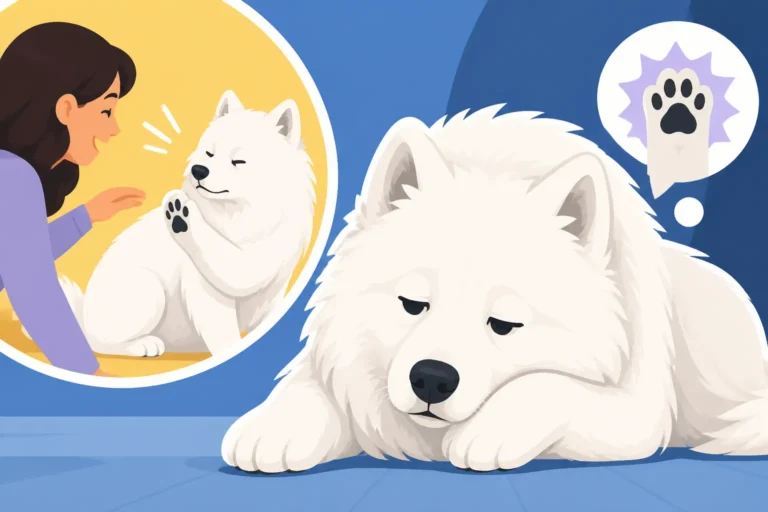
Even with the best preventative measures, some Samoyeds may still develop joint issues. The key is to be vigilant and recognize the signs early. Samoyeds are incredibly stoic and often hide pain, a trait likely inherited from their ancestors who couldn't afford to show weakness in harsh environments. Their famous "Samoyed smile" can sometimes mask discomfort, making it even harder to tell How a Samoyed Hides Illness Behind a Smile.
Subtle Indicators of Discomfort
Keep a close eye on subtle changes in your Samoyed’s behavior or movement. This might include:
- Stiffness or lameness: This could be most noticeable after periods of rest, especially first thing in the morning, or after strenuous activity. They might favor one leg, limp slightly, or have a shorter stride.
- Reluctance to move: Hesitation to jump into the car, climb stairs, or even get up from a lying position. They might be slower on walks or less enthusiastic about their usual playtime.
- Changes in gait: A bunny hop when running, an awkward sway, or unusual crabbing (walking sideways) could all be indicators.
- Reduced stamina: They tire more easily during sledding or other exercise sessions.
- Behavioral changes: Increased irritability, snapping, or withdrawal can sometimes be a sign of chronic pain. They might resist being touched in certain areas.
- Muscle atrophy: If one limb is favored, the muscles in that leg may begin to thin over time.
Don't dismiss these signs as just "getting old" or "being lazy." Your Samoyed communicates through these subtle cues.
When to Consult Your Veterinarian
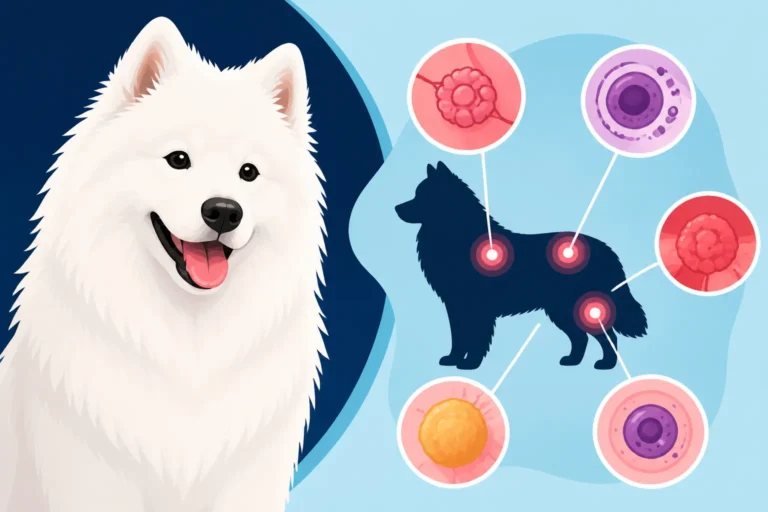
If you notice any of these signs, it’s always best to consult your veterinarian promptly. Early diagnosis and intervention can often prevent further deterioration and improve your dog's quality of life. Your vet will likely perform a thorough physical examination, checking range of motion, palpating joints, and observing your dog's gait. They might recommend diagnostic imaging such as X-rays to assess bone structure, look for signs of arthritis, or confirm conditions like Hip Dysplasia in a Samoyed or elbow dysplasia. In some cases, advanced imaging like MRI or CT scans may be needed for soft tissue injuries.
Treatment options vary widely depending on the diagnosis and severity. They can range from pain management with non-steroidal anti-inflammatory drugs (NSAIDs) to physical therapy, laser therapy, acupuncture, or even surgical interventions in severe cases. Your vet might also recommend specific dietary changes or continued use of joint supplements. It's a team effort between you and your vet to manage your Samoyed's joint health effectively. Remember, unexpected vet visits can be costly, and this is where something like pet insurance from providers like Healthy Paws can truly be a lifesaver, helping to cover significant diagnostic and treatment expenses. Having financial peace of mind means you can focus on your Samoyed's recovery without added stress.
Proactive Joint Health Strategies
Beyond managing existing issues, a holistic approach to your Samoyed's joint health throughout their life is essential.
Regular Veterinary Check-ups and Screening
Regular veterinary check-ups are not just for vaccinations; they are crucial for monitoring overall health, including joint integrity. Your vet can identify subtle changes that you might miss. For Samoyeds destined for working roles, it's particularly important to consider genetic health screenings. Reputable breeders will often screen their breeding stock for common orthopedic issues. You can ask a breeder about The Health Tests Both Samoyed Parents Should Have to ensure you are starting with a puppy from the soundest possible lines. While these tests aren't a guarantee against future issues, they significantly reduce the likelihood of inherited conditions.
For working Samoyeds, discussing a baseline orthopedic assessment with your vet as they approach maturity can be beneficial. This might involve x-rays to evaluate hip and elbow conformation before intense training begins, providing a benchmark to monitor against in the future.
Weight Management and Lifestyle
Maintaining a healthy weight is one of the single most impactful things you can do for your Samoyed's joints, regardless of their activity level. Every extra pound puts additional stress on their joints, accelerating wear and tear. It's often difficult to tell if a Samoyed is overweight due to their abundant coat, so learn to feel for their ribs and spine. Your vet can help you determine an ideal weight and feeding plan.
Beyond sledding, ensure your Samoyed has a well-rounded exercise routine that includes diverse activities. Long walks, controlled play, and mental enrichment are all part of a healthy lifestyle. Remember, a Samoyed thrives on having a "job" and being an integral part of your life. Whether that job is competitive sledding, recreational pulling, or simply being an active companion, channeling their energy constructively is key. A balanced approach to exercise, incorporating both high-impact and low-impact activities, contributes significantly to long-term joint health. If you are worried about the financial side of health care, especially as your Samoyed ages, considering pet insurance like Healthy Paws can ease the burden of unexpected veterinary bills for conditions like arthritis or injuries.
Supportive Environment at Home
Even at home, you can create an environment that supports joint health. Provide orthopedic dog beds that cushion joints and offer good support, especially for older or working dogs. Minimize jumping off high furniture or steep stairs, which can place sudden, jarring stress on joints. Non-slip rugs on slick floors can prevent slips and falls that might lead to injury. For an older dog, ramps can be a wonderful solution to help them access beds or vehicles without strain.
By being mindful of your Samoyed's ancestral design, understanding the physical demands of sledding, and implementing a comprehensive approach to training, nutrition, and veterinary care, you can help your beloved companion enjoy their pulling adventures for a long, happy, and healthy life.
Disclaimer
The information provided in this article is for general informational purposes only and is not intended as a substitute for professional veterinary advice, diagnosis, or treatment. Always seek the advice of your veterinarian or other qualified animal health provider with any questions you may have regarding a medical condition or the health and well-being of your pet.