Whether Ice Water Is Safe for a Hot Samoyed
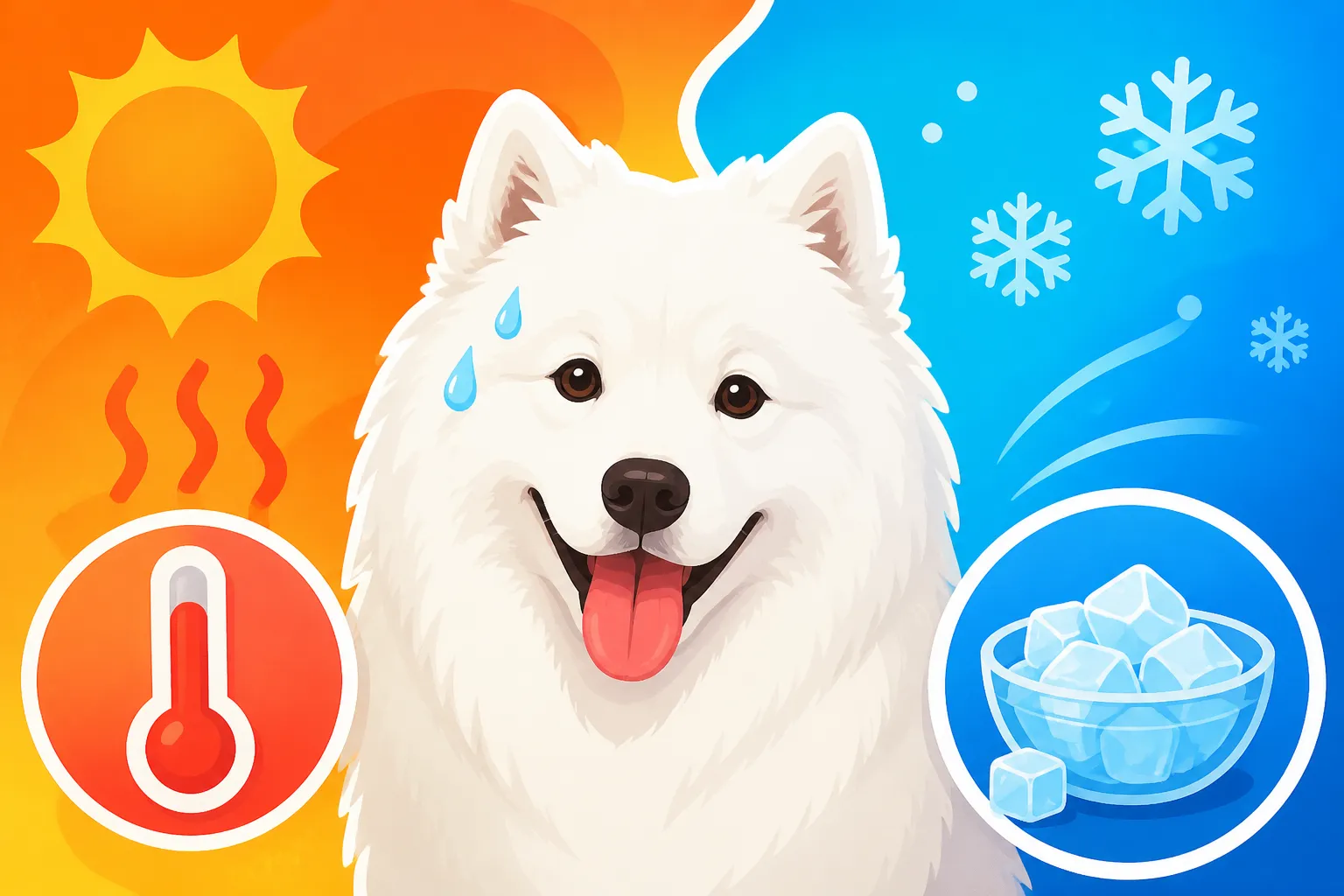
When your beautiful Samoyed is panting heavily, looking distressed, and feeling hot to the touch, it's completely natural for your first instinct to be to offer them something icy cold, especially ice water. We often think, "If I'm hot, I want a cold drink," and we project that onto our beloved dogs. However, while our intentions are always good, giving a very hot Samoyed ice water can actually do more harm than good, complicating an already dangerous situation like heatstroke. This guide will delve into why that seemingly harmless glass of ice water might not be the best solution and explore safer, more effective ways to help your furry friend cool down.
The Instinctive Reaction to Overheating and Its Dangers
When a Samoyed starts to overheat, it's a terrifying experience for any owner. Their luxurious double coat, while fantastic insulation in freezing temperatures, can become a major liability when the mercury rises. You see them panting excessively, perhaps staggering a bit, and their usual happy smile might look more like a grimace. The immediate, almost desperate urge is to get them cool, and fast. Ice water seems like the quickest, most direct route to relief.
Why We Think Ice Water Is the Answer
It’s ingrained in us, isn't it? If you’re parched and overheated after a long run on a scorching day, that tall glass of ice water hits the spot. It feels instantly refreshing, cools you from the inside out, and helps quench that intense thirst. We naturally assume our dogs experience the same relief. Plus, there’s the visible appeal – who wouldn’t want to crunch on an ice cube or lap up super cold water when they’re burning up? It looks like it would work. Many dog owners, myself included, have offered ice cubes as treats on hot days, and our Samoyeds usually gobble them up with enthusiasm. But there's a critical difference between a dog enjoying an ice cube on a moderately warm day and a dog in actual heat distress needing to rapidly and safely lower their core body temperature.
The Hidden Risks of Rapid Cooling
The problem isn't necessarily the ice itself, but the speed and method of cooling when a dog is genuinely overheated. Imagine putting a super-hot piece of glass into ice water – it can crack. While a dog isn't glass, their internal systems can react negatively to extreme, sudden temperature changes. Giving a severely overheated Samoyed a large quantity of ice water can trigger a response called vasoconstriction. This is where the blood vessels near the surface of the skin constrict, or narrow, as a protective measure against the sudden cold. While this sounds like it would keep the cold in and cool them down, it actually traps heat inside the body. Instead of allowing the heat to dissipate through the skin, the constricted vessels prevent it, making the dog's internal core temperature continue to rise, even if their surface feels cooler. This counter-intuitive reaction is why many vets advise against using ice packs directly on the skin or submerging an overheated dog in ice baths. The goal is to cool them effectively but gradually, without shocking their system or causing this rebound effect.
Understanding the Physiology of a Hot Samoyed
To truly understand why certain cooling methods are better than others for your Samoyed, we need to talk a little about how their bodies work, especially when battling the heat. It’s not just about getting wet; it's about how heat exchanges with their environment.
The Role of Vasoconstriction in Overheating
As mentioned, vasoconstriction is the body's natural response to extreme cold. When a very hot Samoyed drinks ice water or is immersed in icy cold water, the sudden chill can cause the blood vessels in their mouth, throat, and even the skin to narrow. Think of it like a hose pipe being squeezed. This reduces blood flow to the surface, which might make the outer layers of the body feel cooler to the touch. The danger, however, is that this restricted blood flow prevents the internal, dangerously high core body temperature from releasing effectively. The heat gets trapped inside, unable to escape through the normal cooling mechanisms of convection and conduction at the surface. This can worsen the situation, prolonging the dangerous internal overheating, even as you believe you are helping them. It's a critical nuance often missed in the panic of the moment. How a Samoyed Should Be Cooled Down discusses this further.
The Danger of Bloat from Gulping Water
Another significant concern with a hot Samoyed and water, especially if they are extremely thirsty and frantic, is the risk of Gastric Dilatation-Volvulus (GDV), more commonly known as bloat. Large, deep-chested breeds like Samoyeds are particularly susceptible to this life-threatening condition. When a severely overheated dog is offered a large bowl of water, particularly cold water, they may gulp it down rapidly, swallowing a lot of air along with it. This rapid ingestion of a large volume can cause the stomach to distend, and in some cases, twist (volvulus), cutting off blood supply and trapping gas. This isn't directly related to the temperature of the water, but the speed and volume of consumption. An already stressed and potentially compromised system from overheating is not equipped to handle the onset of bloat, making an emergency even more dire. This is why controlled, small amounts of water are always recommended, regardless of temperature, when a dog is very thirsty and overheated.
Safer and More Effective Cooling Strategies
So, if ice water isn't the magic bullet, what should you do when your Samoyed is overheating? The key is gradual, effective cooling that prioritizes bringing down their core temperature without causing secondary issues.
Lukewarm Water and Evaporative Cooling
The absolute best way to cool an overheated Samoyed is by using lukewarm water. Yes, you read that right – lukewarm, not ice cold! The science behind this is fascinating: lukewarm water still feels cool to an overheated dog and helps facilitate evaporative cooling. When you wet their fur with lukewarm water, especially in areas with less fur like their belly, paw pads, and inner thighs, the water begins to evaporate. As it evaporates, it draws heat away from their body, effectively cooling them down without causing vasoconstriction.
You can use towels soaked in lukewarm water and lay them over their body, changing them frequently as they warm up. Pay special attention to their paw pads, where they have sweat glands, and their ears. A gentle stream of lukewarm water from a hose on their underside can also be very effective, ensuring the water runs off and continues to evaporate rather than getting trapped in their thick coat. How a Samoyed Should Be Cooled Down offers more details on this technique.
Other Practical Cooling Aids
Beyond lukewarm water, there are several other tools and techniques you can employ to help your Samoyed cool down safely:
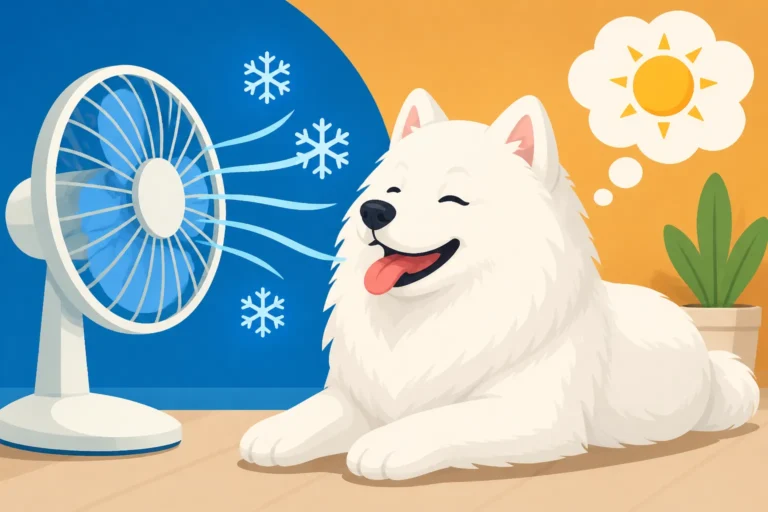
- Fans: Direct a fan towards your Samoyed. The moving air dramatically increases evaporative cooling, especially after you've wet them down with lukewarm water. Even a small portable fan can make a big difference if you're out and about.
- Cooling Mats: These are fantastic for preventing overheating or for mild cases. Many cooling mats work by absorbing body heat and dissipating it, or contain a gel that reacts to pressure to create a cool surface. Brands like The Green Pet Shop or K&H Pet Products offer popular options, and you can often find a good selection on Chewy or Amazon. Your Samoyed will often seek out cool tiles or concrete, so a mat provides a designated cool spot. Why a Samoyed Lies on Tile to Cool Down explores their natural inclination for cool surfaces.
- Kiddie Pools: A shallow plastic kiddie pool with a few inches of lukewarm water can be a godsend for a Samoyed on a hot day. They can wade in it, splash around, and lie down to cool their belly without being submerged in dangerously cold water. This also encourages natural water play, which can be less stressful than forced cooling. You can grab an inexpensive one from Amazon or your local big box store.
- Misting: A gentle misting bottle filled with plain water can provide continuous, subtle evaporative cooling, especially if they are resting in front of a fan.
- Hydration with Plain Water: Always offer fresh, plain water, but in controlled amounts. If your Samoyed is very hot and gulping, offer small sips every few minutes rather than a huge bowl. You can even add a few ice cubes to a large bowl of water to make it cool, but not icy, and encourage them to drink, without the risk of them swallowing large chunks of ice. How Much Water a Samoyed Needs in Summer is a helpful resource here.
Here's a quick comparison of various cooling methods:
| Method | Safety Rating | Effectiveness | Notes |
|---|---|---|---|
| Ice Water (Drank) | Moderate Risk | Low/Counter-productive | Can cause vasoconstriction, risk of bloat if gulped. Avoid large quantities for severely hot dogs. |
| Ice Packs (Direct) | High Risk | Low/Counter-productive | Causes vasoconstriction on skin surface, traps core heat. |
| Lukewarm Water | High Safety | High | Promotes evaporative cooling without vasoconstriction. Apply to paw pads, belly, inner thighs. |
| Fans | High Safety | High | Increases evaporative cooling significantly, especially when combined with water. |
| Cooling Mats | High Safety | Moderate | Great for prevention and mild overheating; provides a self-regulating cool spot. Check brands on Chewy. |
| Kiddie Pools | High Safety | Moderate | Encourages natural cooling and play; use shallow, lukewarm water. |
| Small, Controlled Sips of Water | High Safety | High | Essential for rehydration without causing bloat. Offer frequently. |
When to Seek Veterinary Attention
Understanding how to cool your Samoyed is vital, but equally important is recognizing when the situation has escalated beyond home care and requires immediate professional medical attention. Heatstroke is a severe and life-threatening condition.
Recognizing Signs of Severe Heatstroke
While panting is normal for a hot dog, excessive, non-stop panting that doesn't subside with initial cooling efforts is a red flag. Look out for these critical signs:
- Extreme, uncontrollable panting: Much more intense and desperate than normal.
- Dark red gums or pale gums: Gums that are bright red or strangely pale can indicate a severe problem.
- Thick, sticky saliva: This is a sign of dehydration and extreme heat.
- Vomiting or diarrhea (possibly bloody): These are serious symptoms that indicate internal organ distress.
- Weakness, staggering, or collapse: Your Samoyed might struggle to stand or walk, or simply collapse.
- Seizures: A sign of neurological damage due to severe overheating.
- Glassy eyes or dazed expression: Their eyes might seem unfocused, and they might appear confused.
- Body temperature above 104°F (40°C): If you have a rectal thermometer, this is a definitive sign of an emergency.
If you observe any of these severe symptoms, your Samoyed is likely in a critical state and needs professional help immediately. Signs a Samoyed Is Overheating offers a deeper dive into these indicators.
Transporting Your Samoyed to the Vet Safely
If you suspect heatstroke, every second counts. While en route to the emergency vet, continue your cooling efforts.
- Keep them wet with lukewarm water: Apply wet towels to their body, especially paw pads and inner thighs.
- Use the AC and fan in your car: Aim the vents directly at them to maximize air circulation and evaporative cooling.
- Don't force water: Offer small, controlled sips if they are conscious and willing, but never force them to drink if they are unresponsive or vomiting.
- Call ahead: Inform the veterinary clinic that you are on your way with a suspected heatstroke patient. This allows them to prepare and be ready to start treatment the moment you arrive, saving precious minutes.
Remember, even if your Samoyed appears to be cooling down, internal damage from heatstroke can be insidious. They may still require IV fluids, medication, and monitoring for kidney damage, brain swelling, or other complications. Never assume they are "all better" just because their panting has eased. Professional assessment is always the safest course of action. Preventing overheating is always better than treating it, so ensure your Water, Shade and the Summer Plan for a Samoyed is robust, and always be mindful of How Long a Samoyed Can Be Outside at Ninety Degrees.
Disclaimer
This article is for general informational purposes only and does not constitute professional advice. Laws, prices and regulations vary by location and change over time. Consult a qualified professional for guidance on your specific situation.