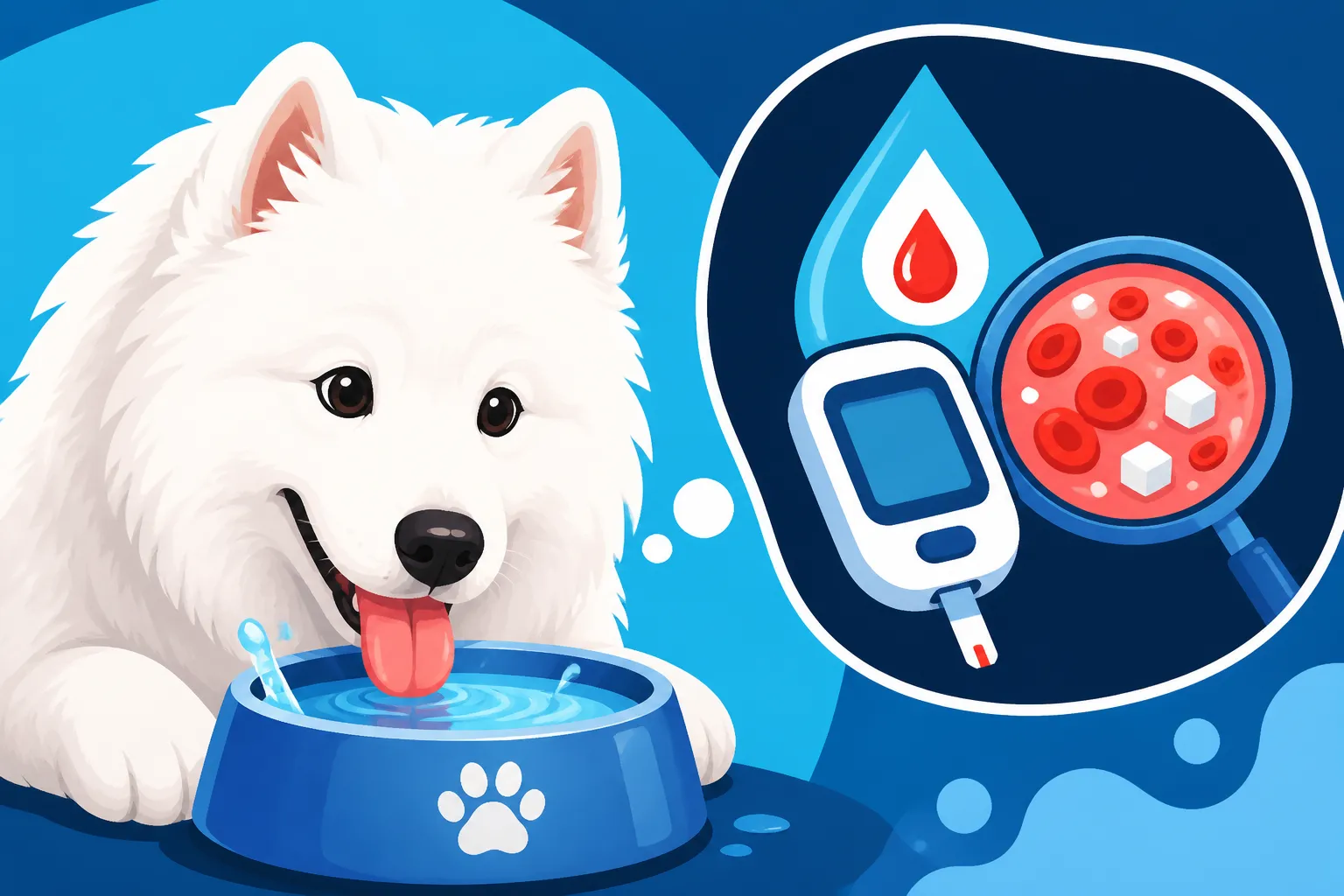
When Sudden Thirst in a Samoyed Means Diabetes
One of the most unsettling things for any Samoyed owner is noticing a sudden, drastic change in their beloved dog's habits, especially when it comes to something as fundamental as drinking water. You know your Samoyed's routine, and when they suddenly can't seem to get enough water, pacing to the bowl every few minutes, it sends a chill down your spine. This kind of sudden, insatiable thirst can indeed be a red flag, and often, it points straight to a serious health concern: diabetes. This guide will walk you through what to look for, why this intense thirst happens, and what steps you need to take if you suspect your furry cloud is showing signs of diabetes.
Understanding Normal vs. Excessive Thirst in Samoyeds
It’s easy to second-guess yourself when you notice a change. Is this really more water, or am I just overthinking it? Samoyeds, being active dogs with thick coats, might naturally drink a good amount, especially after a romp in the yard or on a warmer day. But there’s a distinct difference between healthy hydration and truly excessive thirst, which veterinarians call polydipsia.
What "Normal" Thirst Looks Like
A healthy Samoyed will typically drink a volume of water proportionate to their activity level, diet, and ambient temperature. For an average adult Samoyed, this might be anywhere from 0.5 to 1 ounce of water per pound of body weight per day. So, a 50-pound Samoyed could easily drink 25-50 ounces (around 3-6 cups) daily. This water intake helps them regulate body temperature, aids digestion, and keeps their kidneys functioning properly.
You'll see them drink after meals, following a play session, or perhaps first thing in the morning. Their drinking is usually satisfied after one session at the bowl, and they don't seem overly preoccupied with finding water throughout the day. If you have a The Twelve to Fourteen Years a Samoyed Lives, their normal intake might change slightly, often decreasing if their activity level slows down, but it usually remains consistent day-to-day.
When to Suspect Increased Thirst (Polydipsia)
The key here is sudden and significant increase. If you find yourself refilling the water bowl multiple times a day when you used to do it once, or if your Samoyed is draining the bowl completely within a short period, that's a sign. You might also notice them trying to drink from unusual sources – puddles outside, the toilet, or even licking condensation off surfaces. They might wake you up at night, pawing at their water bowl, or seem agitated if it's empty.
Another tell-tale sign is observing the volume. If your Samoyed is consistently drinking more than 1 ounce per pound of body weight daily, that's a definite alert. For that 50-pound Samoyed, that would be over 50 ounces (more than 6 cups) in a 24-hour period. Keeping a mental note, or even a literal log, of how much water you put down and how much is consumed can be incredibly helpful for your vet. This isn't just a slight uptick; it feels like they are Whether a Diabetic Samoyed Drinks Constantly.
Factors That Can Temporarily Increase Thirst
Before jumping to conclusions, it's worth considering a few temporary, less serious reasons your Samoyed might be drinking more. These usually resolve on their own once the underlying factor is removed.
- Increased Activity and Heat: This is probably the most common reason. A long hike, an intense game of fetch, or even just a particularly warm and humid day can make any dog drink more to cool down and rehydrate. Samoyeds, with their dense double coats, are especially susceptible to heat, so increased water intake after exercise or during summer months is expected.
- Dietary Changes: If you've recently switched to a drier kibble, or if their diet has become saltier (perhaps due to certain treats), your Samoyed might naturally drink more. Similarly, certain medications, particularly diuretics, can increase thirst.
- Stress or Anxiety: While less common for sudden and drastic thirst, some dogs may drink more when stressed or anxious, though this is usually accompanied by other behavioral signs.
- New Environment: Moving to a new home or even a temporary stay in a different location might slightly alter their drinking habits as they adjust.
However, if none of these apply, or if the increased thirst is persistent and truly excessive, it's time to consider more serious possibilities, with diabetes often being at the forefront.
The Link Between Sudden Thirst and Diabetes in Samoyeds
When a Samoyed develops sudden, profound thirst, it's often the most noticeable symptom leading owners to seek veterinary attention. This isn't just a minor inconvenience; it's a critical sign that their body's delicate internal balance has been thrown off.
How Diabetes Causes Excessive Thirst
Diabetes Mellitus in dogs is primarily a condition where the body either doesn't produce enough insulin (Type I, which is most common in dogs) or doesn't use insulin effectively (Type II, rarer). Insulin is crucial because it acts like a key, allowing glucose (sugar) from food to enter the body's cells to be used for energy.
When there's not enough insulin, or the cells ignore it, glucose builds up in the bloodstream, leading to high blood sugar (hyperglycemia). The body then tries to get rid of this excess sugar, and the kidneys are tasked with filtering it out. However, glucose carries water with it, pulling large amounts of fluid into the urine. This leads to frequent and excessive urination (polyuria).
To compensate for this massive fluid loss, the Samoyed's body triggers an intense thirst mechanism, causing them to drink excessively (polydipsia). It's a vicious cycle: high blood sugar leads to more urination, which leads to more drinking, which leads to more urination. This is why Signs a Samoyed Has Become Diabetic almost always include both excessive thirst and frequent urination.
Other Key Diabetes Symptoms to Watch For
While sudden thirst and increased urination are often the first signs, diabetes rarely travels alone. Keep an eye out for these other symptoms that often accompany polydipsia and polyuria:
- Increased Appetite with Weight Loss: This can be particularly confusing. Your Samoyed might be ravenously hungry, begging for more food, yet steadily losing weight. This is because their cells aren't getting the glucose they need for energy, even though they're eating. The body starts breaking down fat and muscle for fuel, leading to weight loss despite a good, or even increased, appetite. It's like having a full gas tank but the engine can't access the fuel.
- Lethargy and Weakness: Without proper glucose utilization, your Samoyed's body is running on empty. They might seem unusually tired, less enthusiastic about walks or playtime, and generally have a lower energy level. Their typical Samoyed bounce might be replaced with sluggishness. How a Samoyed Hides Illness Behind a Smile is a real phenomenon, but even the happiest Samoyed can't hide profound lethargy for long.
- Vision Changes or Cloudy Eyes: Diabetes can lead to rapid cataract formation, causing the lenses of the eyes to become cloudy. This can happen quite quickly, sometimes even over a few weeks, leading to vision impairment or blindness.
- Urinary Tract Infections (UTIs): The high sugar content in the urine creates a perfect breeding ground for bacteria, making diabetic dogs more prone to recurrent UTIs. You might notice straining to urinate, bloody urine, or more frequent small urinations.
- Sweet-Smelling Breath: In advanced or uncontrolled diabetes, the body starts breaking down fats for energy at an accelerated rate, producing ketones. These ketones can give the breath a distinct fruity or sweet odor, similar to nail polish remover. This is a sign of a very serious complication called diabetic ketoacidosis (DKA), which requires immediate emergency veterinary care.
Why Samoyeds Can Be Prone to Diabetes
While diabetes can affect any dog, some breeds appear to have a higher predisposition, and Samoyeds are sometimes mentioned in this group. There isn't one single, simple answer to why this is the case, but several factors contribute to a breed's risk.
- Genetic Predisposition: Like many health conditions, genetics can play a role. Certain genetic markers might make some Samoyeds more susceptible to developing the disease. This is why good breeders focus on health testing and knowing the lineage of their breeding dogs. While there isn't a specific "diabetes gene" test for Samoyeds like there is for other conditions, awareness is key.
- Pancreatitis: Interestingly, acute or chronic pancreatitis can sometimes precede the onset of diabetes in dogs. The pancreas is responsible for producing both digestive enzymes and insulin. If the pancreas becomes inflamed (pancreatitis), the cells that produce insulin can be damaged, leading to a deficiency. Why Pancreatitis Precedes Samoyed Diabetes is a well-documented phenomenon in veterinary medicine, and Samoyeds, possibly due to their dietary sensitivities or genetic factors, might have a higher risk for pancreatitis compared to some other breeds.
- Obesity: While not a direct cause of Type I diabetes (the most common form in dogs), obesity can exacerbate insulin resistance and overall metabolic stress, potentially contributing to diabetes development or making management more difficult. Keeping your Samoyed at a healthy weight is crucial for their overall health, including reducing the risk of various conditions.
- Autoimmune Factors: In many cases of canine diabetes, it's thought to be an autoimmune disease where the body's own immune system attacks and destroys the insulin-producing cells in the pancreas. Samoyeds, like other Nordic breeds, can sometimes have a higher incidence of various autoimmune conditions.
It's important to note that while Samoyeds might have an increased risk, it doesn't mean every Samoyed will develop diabetes. Awareness, early detection, and proactive care are your best tools. The Age a Samoyed Develops Diabetes often varies, but it's most commonly seen in middle-aged to senior dogs, typically between 7-10 years old.
What to Do If Your Samoyed Develops Sudden Thirst
Discovering your Samoyed has sudden, excessive thirst can be alarming, but panicking won't help. What will help is swift, informed action. Getting an accurate diagnosis quickly is paramount for a good prognosis.
Immediate Steps to Take at Home
While you can't diagnose diabetes at home, you can gather crucial information and ensure your Samoyed is as comfortable as possible before seeing the vet.
- Monitor Water Intake: This is perhaps the most important thing you can do. Measure exactly how much water you put into the bowl and how much is left over each day. Do this consistently for 24-48 hours. This objective data is invaluable for your veterinarian. Write it down, including times and any associated behaviors (e.g., "drank 2 cups immediately after dinner").
- Observe Other Symptoms: Keep a close eye on your Samoyed for any of the other symptoms discussed above: changes in appetite (especially increased hunger despite weight loss), increased urination, lethargy, cloudy eyes, or changes in breath odor. Note how often they are urinating and if there's any straining or discomfort.
- Maintain Their Routine (as much as possible): Don't drastically change their food or exercise unless advised by a vet. Stick to their usual meals to avoid further metabolic upset. Ensure they have constant access to fresh water. While you're monitoring intake, it's critical they don't become dehydrated.
- Avoid Self-Diagnosis and Self-Treatment: Do not try to medicate your dog or change their diet drastically based on internet searches. This can complicate the diagnosis and potentially harm your Samoyed.
- Contact Your Veterinarian Immediately: This is not a "wait and see" situation. Sudden, excessive thirst warrants an urgent vet visit. Explain the symptoms clearly over the phone when you call to schedule an appointment.
Preparing for the Vet Visit
A well-prepared owner can significantly help the veterinarian arrive at a diagnosis faster.
- Bring Your Notes: Those detailed notes on water intake, urination frequency, and other observed symptoms are gold. Don't rely on memory.
- Discuss Their History: Be ready to talk about your Samoyed's full medical history, including any recent illnesses, medications (even over-the-counter supplements), diet changes, and previous episodes of pancreatitis or other conditions.
- Ask Questions: Write down any questions you have beforehand. It's easy to forget things when you're stressed.
- Consider a Urine Sample: If you can collect a fresh urine sample (first morning urine is often best) within an hour or two of your appointment, this can save time at the vet's office. Your vet can test it for glucose, ketones, and specific gravity right away. Many vets prefer a "free catch" sample that hasn't been contaminated by walking on the ground.
Understanding the Diagnostic Process
When you arrive at the vet, they will likely start with a thorough physical examination and then recommend diagnostic tests.
- Physical Exam: The vet will check your Samoyed's overall condition, weight, hydration status, and look for signs like cataracts.
- Blood Tests:
- Complete Blood Count (CBC): Checks for infection, anemia, and other blood cell abnormalities.
- Chemistry Panel: This is crucial. It measures blood glucose levels. Consistently elevated glucose is the hallmark of diabetes. It also assesses kidney and liver function, which can be affected by diabetes or point to other underlying issues. Whether a Samoyed Needs Yearly Kidney Bloodwork is a good practice, especially as they age, as early detection of problems can save lives.
- Urine Tests (Urinalysis):
- Urine Glucose: Presence of glucose in the urine confirms that blood glucose levels are high enough to "spill over" into the urine.
- Ketones: Tests for ketones, which, if present, suggest the body is breaking down fat for energy and can indicate diabetic ketoacidosis.
- Specific Gravity: Measures how concentrated the urine is. In diabetes, the urine is often dilute because of excessive water loss.
- Urine Culture (if indicated): To check for a urinary tract infection, which, as mentioned, is common in diabetic dogs.
The combination of persistently high blood glucose levels, glucose in the urine, and characteristic symptoms like excessive thirst, urination, and weight loss, typically confirms a diagnosis of diabetes. From there, your vet will discuss Managing a Diabetic Samoyed, which usually involves insulin injections and dietary changes. Tools like continuous glucose monitors are even becoming more accessible, though the cost can be a factor. You can often find supplies like syringes and specialty foods from online retailers like Chewy or Amazon, but always with your vet's guidance.
Beyond Diabetes: Other Causes of Increased Thirst
While diabetes is a primary concern with sudden, excessive thirst in Samoyeds, it's essential to remember that it's not the only cause. A good veterinarian will consider a differential diagnosis, ruling out other significant health issues that can manifest with similar symptoms.
Kidney Disease and Thirst
The kidneys play a vital role in filtering waste and regulating water balance in the body. When kidneys start to fail, they lose their ability to concentrate urine. This means the body excretes more water than it should, leading to increased urination (polyuria) and, consequently, increased thirst (polydipsia) as the dog tries to compensate for the fluid loss. This can be a chronic, progressive condition, or sometimes an acute issue.
- Symptoms: Besides increased thirst and urination, you might notice other signs like decreased appetite, weight loss, lethargy, vomiting, and a dull coat. Unlike diabetes where the appetite might increase, with kidney disease, appetite often decreases.
- Diagnosis: Blood tests (creatinine, BUN, phosphorus) and urinalysis (looking at urine specific gravity and protein levels) are crucial for diagnosing kidney disease. Your vet might also recommend an ultrasound to examine the kidneys. Certain genetic conditions, like The Kidney Disease That Kills Samoyed Males Before Fifteen Months, can predispose Samoyeds to kidney problems early in life. This condition specifically targets the collagen in the kidney's filtering units.
- Management: Management depends on the stage and type of kidney disease but often involves a prescription renal diet (which you might find at specialty pet stores or online at places like Chewy), medications to manage symptoms, and ensuring adequate hydration. Whether a Renal Diet Extends an Affected Samoyed's Life is a question many owners face, and for many, it can indeed help manage the progression.
Other Medical Conditions
Several other conditions can also trigger excessive thirst in dogs.
- Cushing's Disease (Hyperadrenocorticism): This occurs when the adrenal glands produce too much cortisol. It's quite common in older dogs. Symptoms include increased thirst and urination, increased appetite, a pot-bellied appearance, hair loss, and thinning skin.
- Liver Disease: A failing liver can disrupt various bodily functions, including metabolism and waste removal, leading to increased thirst. You might also see jaundice (yellowing of skin/eyes), vomiting, and lethargy.
- Pyometra (Uterine Infection): This is a severe bacterial infection of the uterus, almost exclusively seen in intact (unspayed) female dogs. Increased thirst and urination are classic signs, along with vaginal discharge, lethargy, and fever. It's a life-threatening condition requiring immediate veterinary intervention, often emergency surgery.
- Hyperthyroidism: While less common in dogs than cats, an overactive thyroid can also lead to increased thirst, weight loss despite increased appetite, and hyperactivity.
- Certain Cancers: Some types of cancer can cause hypercalcemia (high calcium levels in the blood), which in turn can lead to increased thirst and urination. Which Cancers Samoyeds Get is a concern for many owners as their dogs age.
Medications and Diet as Factors
Sometimes, the cause isn't a disease but a side effect.
- Medications: As mentioned, certain drugs like corticosteroids (e.g., prednisone) or diuretics can significantly increase thirst and urination. If your Samoyed is on any long-term medication, discuss this possibility with your vet.
- Excessive Salt Intake: While not usually leading to disease-level polydipsia, a diet very high in salt could contribute to increased thirst. However, this is rarely the sole cause of sudden, drastic changes.
It's clear that sudden, excessive thirst is never something to ignore. Whether it's diabetes, kidney disease, or another underlying condition, early diagnosis and intervention are critical for your Samoyed's health and well-being. Your veterinarian will work diligently to pinpoint the cause and develop the best treatment plan to get your furry companion back to their happy, healthy self.
| Symptom Category | Normal Samoyed | Samoyed with Suspected Diabetes |
|---|---|---|
| Thirst Level | 0.5-1 oz/lb body weight daily; satisfied after drinking | Consistently >1 oz/lb daily; insatiable, seeking water |
| Urination | Regular, appropriate for intake; no accidents | Frequent, large volumes; accidents possible |
| Appetite | Consistent, healthy | Increased, often ravenous |
| Weight | Stable, healthy body condition | Weight loss despite increased eating |
| Energy Level | Active, playful, typical Samoyed bounce | Lethargic, tired, less enthusiastic |
| Eye Appearance | Clear, bright | Cloudy lenses (cataracts) possible |
| Breath Odor | Neutral dog breath | Sweet/fruity odor (ketones) possible |
| Overall Behavior | Happy, engaged, part of the family | Pacing, restless (due to thirst), withdrawn |
Disclaimer
This article is for general informational purposes only and does not constitute professional advice. Laws, prices and regulations vary by location and change over time. Consult a qualified professional for guidance on your specific situation.