How Often a Samoyed’s Water Bowl Needs Refilling
It’s a constant worry for us Samoyed parents, isn't it? We look at those beautiful, thick coats and those happy smiles, and we can’t help but wonder if our fluffy companions are getting enough to drink, especially on a warm day or after a vigorous play session. Ensuring your Samoyed's water bowl is adequately filled isn't just about topping it off; it's about understanding their unique hydration needs and establishing a routine that keeps them healthy and happy. This guide will walk you through the many factors influencing how often your Samoyed needs fresh water and how to best manage their hydration.
Understanding Your Samoyed's Thirst Signals
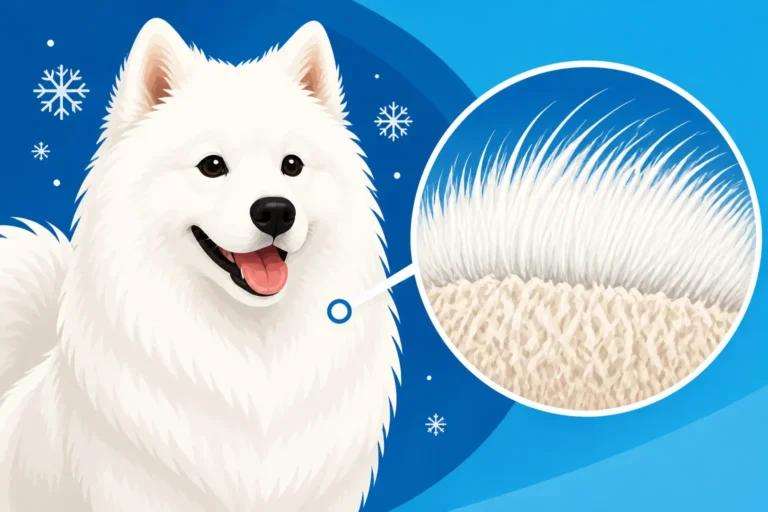
Our Samoyeds, with their arctic heritage, have evolved to thrive in cold climates, which means their bodies handle heat differently than many other breeds. While their magnificent double coat provides insulation against both cold and heat, they still need plenty of water to regulate their body temperature and maintain vital functions, especially when the mercury rises. You might think it's as simple as filling the bowl when it's empty, but there's a lot more nuance to it.
Why Hydration is Crucial for Samoyeds
Proper hydration isn't just about quenching thirst; it’s fundamental to every bodily process in your Samoyed. Water helps regulate body temperature, lubricates joints, aids in nutrient absorption, and flushes toxins from the system. For a breed like the Samoyed, known for its high energy and thick coat, these functions are even more critical. Dehydration can quickly become a serious issue, leading to lethargy, loss of appetite, and in severe cases, life-threatening conditions. We often see them panting more vigorously after a run or even just a warm afternoon nap, and that panting is their primary way of cooling down, which also depletes their water stores faster.
One of the less obvious but equally important roles of water is in kidney function. Just like with people, a well-hydrated dog has kidneys that are better able to filter waste products from the blood. This is particularly relevant when we consider health concerns like The Kidney Disease That Kills Samoyed Males Before Fifteen Months. While proper hydration won't prevent genetic diseases, it certainly supports overall kidney health and can make a difference in their general well-being.
Recognizing Signs of Dehydration
It’s easy to overlook subtle signs of dehydration when you’re used to seeing your Samoyed's mouth open in that characteristic smile. But an astute owner knows the difference. Mild dehydration can manifest as a slight decrease in energy, a less enthusiastic wag, or even a drier-than-usual nose. As it progresses, you might notice more distinct symptoms.
A classic test is checking their gum moisture. Gently lift their lip; healthy gums should be slick and moist. If they feel sticky or dry, your Samoyed is likely dehydrated. Another indicator is skin elasticity. When you gently pinch the skin on their back or neck and release it, it should snap back quickly. If it takes a moment to return to normal, that’s a sign of dehydration. Also, pay attention to their eyes – sunken eyes can be a red flag. Darker, more concentrated urine, or less frequent urination, can also indicate they're not getting enough fluids. Being proactive here is key, as a truly dehydrated Samoyed needs veterinary attention. Signs a Samoyed Is in Heat Distress often include advanced dehydration symptoms, which is why early intervention with water is so vital.
Factors Influencing How Often Your Samoyed Needs Water
There isn't a single, magic answer to "how often" because so many variables play into your Samoyed's individual hydration needs. It's a bit like asking how often you need a drink – it depends on what you're doing, where you are, and even what you've eaten!
Environmental Conditions
The temperature and humidity outside are huge players in your Samoyed's water intake. On a scorching summer day, even if your Samoyed is just lounging in the shade, they'll need significantly more water than on a crisp, cool autumn morning. Their dense double coat, while amazing insulation, can also trap heat, making them more susceptible to overheating. This means they'll pant more to cool themselves, and panting rapidly depletes their water reserves. If you live in a hot climate, like those folks in Florida or Texas, you'll be refilling that bowl constantly. How Long a Samoyed Can Be Outside at Ninety Degrees is often not long at all, precisely because of these hydration concerns.
Humidity levels also matter. High humidity makes it harder for dogs to cool themselves through evaporation, leading to more panting and thus, greater water loss. Even indoors, if your home is warm, they'll seek out cool spots, often lying on tile floors, and will need access to plenty of water. If you've got the air conditioning running for your furry friend, which many Samoyed owners do, that dry air might also subtly increase their need for water, albeit less dramatically than extreme heat.
Activity Level and Lifestyle
A Samoyed that spends its days mostly napping by your feet versus one that's tearing around the dog park or joining you for a vigorous hike will have vastly different water requirements. This breed was bred for work and has a surprising amount of stamina. If your Samoyed is engaging in high-energy activities like running, Whether a Samoyed Suits Bikejoring, or even just an extended game of fetch, their metabolism ramps up, body temperature rises, and they'll naturally need to drink more to compensate for fluid loss through panting and urination.
Consider this: after a 30-minute off-leash run in the local park, my own Samoyed, Nimbus, will practically drain his large water bowl in one go. On a quiet day, he might just take sips throughout the morning. It's about being observant. If you've just come back from a big adventure, don't just fill the bowl; expect to fill it multiple times in the hour or two following. They're replenishing, and that's exactly what you want to see. An active Samoyed is a thirsty Samoyed.
Diet and Food Type
What your Samoyed eats also has a direct impact on how much supplemental water they need. This is a factor often overlooked by owners.
Dry Kibble vs. Wet or Fresh Food
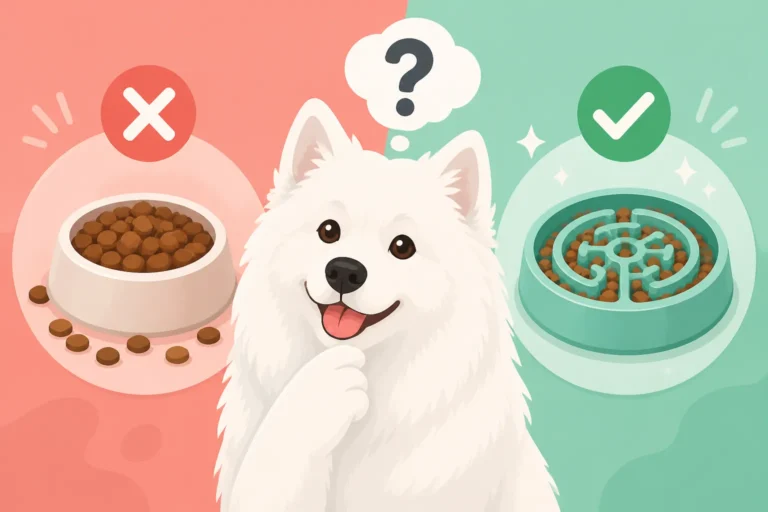
Most dry kibbles contain a very low moisture content, typically around 10% or less. If your Samoyed is primarily eating kibble, they will naturally need to drink a significant amount of water to stay hydrated. Their body has to work harder to process that dry food and extract what little moisture it contains. This is why a full water bowl needs to be available at all times if kibble is the main diet.
On the other hand, if you feed a diet rich in wet food, or perhaps a fresh food option from a brand like Ollie, the moisture content is much higher – often 70-80% or more. Dogs on these diets still need access to water, but you might observe them drinking less frequently because a good portion of their daily fluid intake is coming directly from their meals. This doesn't mean you can slack on providing water, but it's a factor in the overall equation. Just don't confuse less frequent drinking with not needing water at all.
Treats and Supplements
Even treats can play a small role. Many commercial treats are dry, adding to the overall "dry" intake. If your Samoyed is on any supplements, particularly those that might have a diuretic effect (though this is less common with standard pet supplements), it could slightly increase water loss. Whether a Samoyed Needs Joint Supplements is a common question, and while these usually don't affect water intake, it's always good to be aware of everything going into their system.
Age and Health Status
A Samoyed puppy has different needs than a senior dog, and any underlying health conditions can significantly alter their thirst.
Puppies and Senior Samoyeds
Young puppies, with their boundless energy and rapidly developing bodies, often need more frequent access to water. They might not drink as much in one sitting, but they'll visit the bowl more often. Their smaller bodies can also dehydrate faster. It's a learning curve for them too, figuring out when and how much to drink.
As Samoyeds age, their bodies can become less efficient at maintaining hydration. Senior dogs, often discussed in topics like Caring for a Samoyed Past Nine, might drink less, not because they don't need it, but because their thirst drive diminishes, or they might have mobility issues making it harder to get to the bowl. Conversely, some older dogs might drink more due to health issues, which brings us to the next point.
Medical Conditions
Certain medical conditions can drastically impact a Samoyed's water consumption. Diabetes Mellitus, for instance, is characterized by excessive thirst (polydipsia) and frequent urination (polyuria). If your Samoyed suddenly starts drinking vast amounts of water and needing to go out more often, this could be a sign of Diabetes Mellitus in a Samoyed and warrants an immediate vet visit. Signs a Samoyed Has Become Diabetic almost always include increased thirst.
Kidney disease can also alter water intake. While early stages might show little change, as the disease progresses, damaged kidneys struggle to concentrate urine, leading to increased thirst as the body tries to compensate for fluid loss. Liver disease, certain infections, and even some medications can affect a dog's hydration levels. Always discuss any sudden changes in drinking habits with your veterinarian.
Best Practices for Samoyed Water Management
So, how do we put all this knowledge into action? It's about creating a routine and environment that makes it easy for your Samoyed to stay hydrated.
Frequency of Refilling and Cleaning
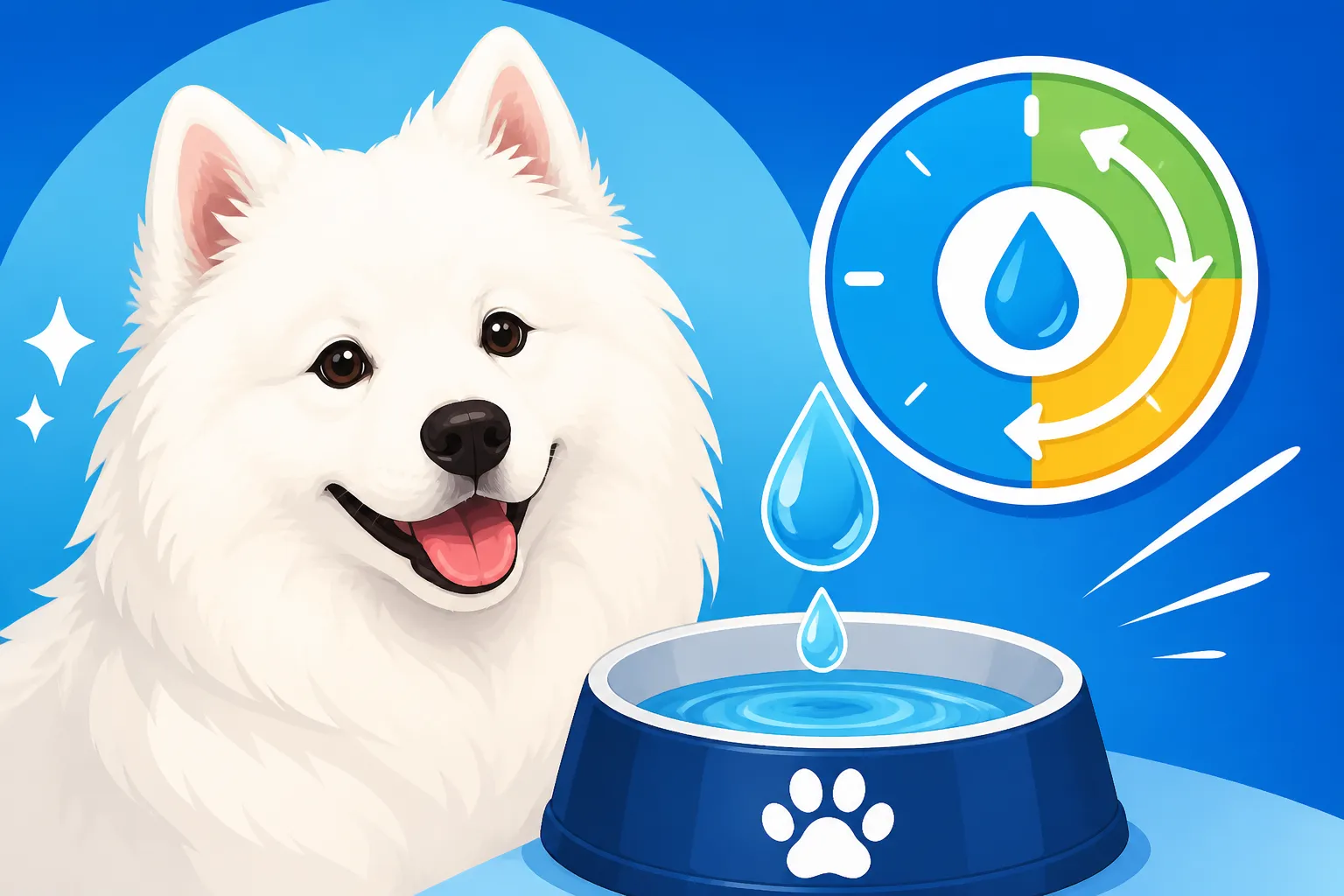
The golden rule for Samoyeds is to always have fresh, clean water available. This means at least one full bowl available 24/7, even overnight. In practice, for many households, this translates to refilling the main water bowl 2-3 times a day, and more often during hot weather or after exercise.
Cleaning the bowl is just as important as refilling it. A slimy bowl isn't appealing, and it can harbor bacteria that might make your Samoyed sick. Aim to wash the water bowl daily with warm, soapy water. If you use a water fountain, follow the manufacturer's guidelines for filter changes and cleaning frequency, which is typically weekly for the basin and monthly for the filter. This simple habit goes a long way in promoting good health.
Choosing the Right Water Bowl or Dispenser
Not all water bowls are created equal, and some might be better suited for a Samoyed's needs and an owner's lifestyle.
Types of Bowls
- Stainless Steel: This is often the gold standard. Stainless steel bowls are durable, easy to clean, non-porous (so they don't harbor bacteria), and don't impart any taste to the water. They're also less likely to tip over. They are widely available from retailers like Chewy.
- Ceramic: These are heavy and stable, preventing spills. They can be aesthetically pleasing but are porous, so they need very frequent cleaning to prevent bacterial growth. They can also chip or break.
- Plastic: While inexpensive, plastic bowls are generally not recommended. They can scratch easily, creating crevices for bacteria to grow, and some dogs might develop an allergic reaction or "plastic acne" on their chin. They can also leach chemicals into the water, especially if left in the sun.
- Water Fountains: Many dogs, including Samoyeds, are enticed by moving water. A fountain can encourage more frequent drinking, and built-in filters help keep the water clean. They do require regular cleaning and filter replacement, which you can often find on Amazon or other pet supply sites.
- Elevated Bowls: For larger breeds like Samoyeds, elevated bowls can be more comfortable, especially for older dogs or those with joint issues like Hip Dysplasia in a Samoyed. There's some debate about their link to bloat (GDV), so always discuss with your vet if you have concerns.
Here's a quick comparison of common water bowl types:
| Bowl Type | Pros | Cons | Maintenance |
|---|---|---|---|
| Stainless Steel | Durable, hygienic, easy to clean, no taste imparted | Can be noisy if dog bumps it, less decorative | Daily wash, inspect for dings |
| Ceramic | Heavy, stable, aesthetically pleasing | Porous, can harbor bacteria, chips/breaks easily | Daily rigorous wash, inspect for cracks |
| Plastic | Inexpensive, lightweight | Scratches easily, harbors bacteria, potential for plastic acne/leaching | Daily wash, replace frequently, inspect for scratches |
| Water Fountain | Encourages drinking, filters water, aerates | Requires electricity, regular filter changes, more complex cleaning | Weekly basin wash, monthly filter replacement |
Strategic Placement and Multiple Stations
Don't just have one water bowl in the kitchen. Place multiple water stations around your home, especially if you have a larger house or multiple floors. One in the kitchen, one in the living room, and perhaps one near their favorite napping spot. This makes it convenient for your Samoyed to grab a drink whenever they feel like it, without having to travel far. If you have a yard, a water bowl outside, kept in the shade, is essential.
For outdoor adventures, always carry a portable water bottle and a collapsible bowl. Even a short walk can be dehydrating for a Samoyed, particularly in warmer weather. I never leave home without a water source for Nimbus, whether it's a quick stroll around the block or a longer outing.
Encouraging Water Intake
Sometimes, despite your best efforts, your Samoyed might not be drinking as much as you'd like.
Adding Flavor and Ice
A little flavor can go a long way. You can try adding a splash of low-sodium chicken or beef broth (check ingredients to ensure no onion or garlic!), or even some juice from canned tuna (in water, not oil). Some dogs also love ice cubes in their water, which can keep it cool and make it more enticing, especially on a hot day. Just ensure the ice cubes aren't too large to be a choking hazard.
Hydrating Snacks
Beyond the water bowl, you can boost hydration through snacks. Small pieces of water-rich fruits and vegetables like watermelon (seedless!), cucumber, or apple slices (no seeds!) are great options. Just offer them in moderation as treats. You can even freeze pureed pumpkin or plain yogurt into silicone molds for a refreshing, hydrating snack.
Monitoring Water Consumption
It's a good habit to have a general idea of how much your Samoyed drinks. This doesn't mean meticulously measuring every drop, but being aware of their usual patterns. If you notice a sudden, significant increase in thirst – where they're draining the bowl far more frequently than usual – or a sudden decrease, it’s time to call the vet. These changes can be early indicators of health issues like Signs a Samoyed Has Become Diabetic or other underlying conditions. Keeping a mental log, or even a literal one if you're concerned, can help you detect anomalies quickly.
Ultimately, ensuring your Samoyed has constant access to fresh, clean water is one of the most fundamental aspects of their care. It’s a simple act that has profound impacts on their health and happiness, keeping that beautiful smile bright and those fluffy tails wagging for years to come.
Disclaimer
This article is for general informational purposes only and does not constitute professional advice. Laws, prices and regulations vary by location and change over time. Consult a qualified professional for guidance on your specific situation.