Why a Samoyed Follows You Everywhere
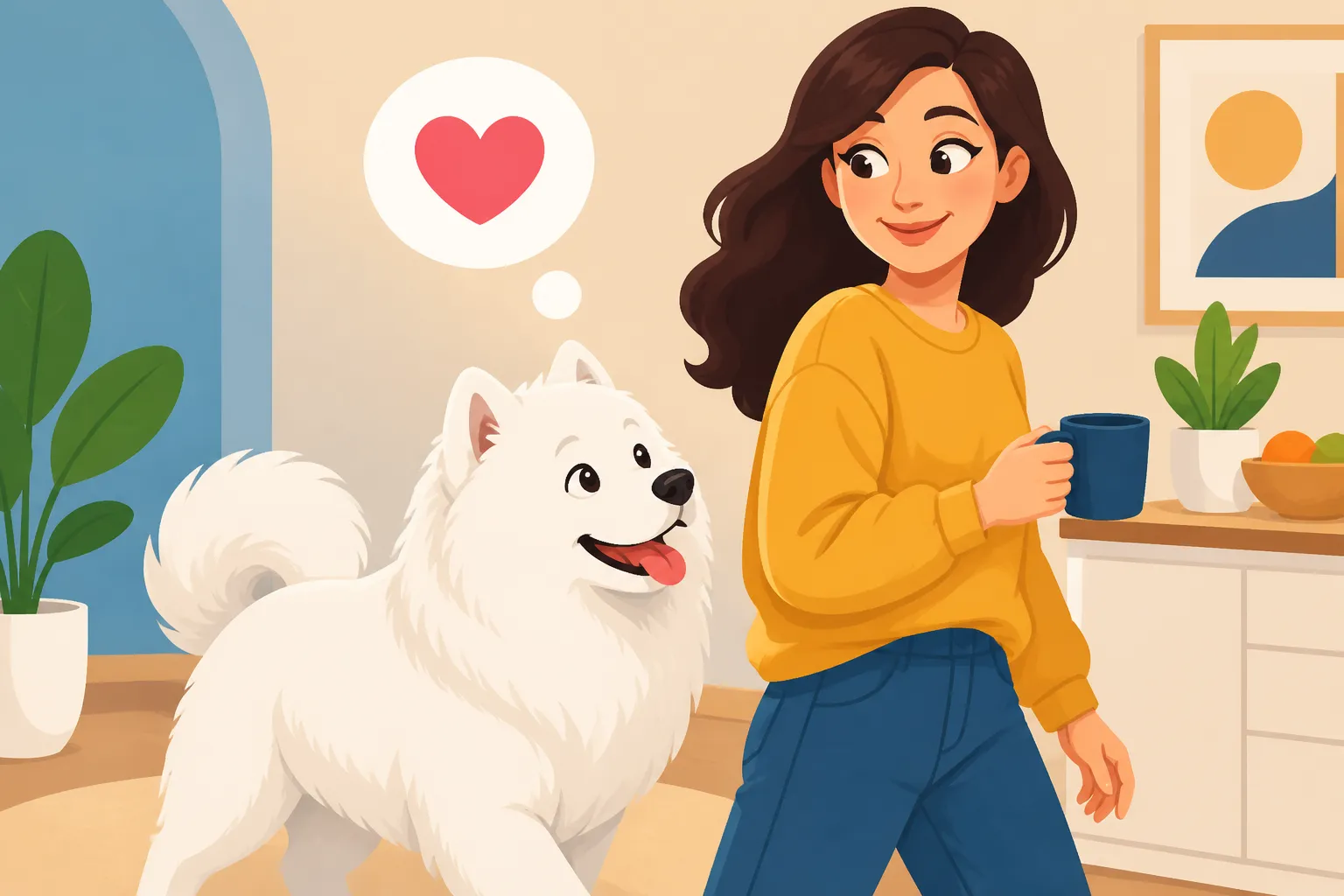
If you're a Samoyed owner, you've probably noticed it: the fluffy white shadow that accompanies you from room to room, settling at your feet the moment you stop, and often nudging your hand for attention when you dare to sit down. It's charming, sometimes a little much, and it leaves many of us wondering, "Why does my Samoyed follow me everywhere?" This isn't just a quirky habit; it's deeply ingrained in their history and nature, and understanding it can help you appreciate your furry companion even more.
The Samoyed's Historical Roots: A Companion Animal Above All Else
To truly understand why your Samoyed is practically glued to your side, we need to take a trip back in time to their ancestral home in Siberia. These aren't just pretty faces; they are working dogs with a history that speaks volumes about their need for companionship.
Bred for Proximity, Not Independence
Unlike some other working breeds that were sent off to guard flocks or hunt independently, Samoyeds were developed by the Nenets people of northern Russia for a life lived in extremely close quarters. Imagine harsh, unforgiving Arctic conditions where survival depended on cooperation between humans and animals. These dogs weren't simply tools; they were family members who slept inside the tents with their human counterparts.
This wasn't just for comfort; it was a matter of survival. Their thick, luxurious coats provided warmth to the nomadic families, while their keen senses offered an early warning system against predators or other dangers. This constant, physical proximity fostered an incredibly strong bond between Samoyed and human. They were literally The Samoyed Slept in the Tent to Keep People Alive, sharing body heat and space. This intimate history means that a Samoyed's instinct is to be right there with you, participating in the warmth and safety of the "pack." It's not clinginess as we might define it; it's a historical imperative for survival and social cohesion.
A History of Deep Bonds
The Nenets didn't just use Samoyeds for herding reindeer and pulling sleds; these dogs were integral to daily life. They were partners, confidantes, and often, gentle guardians of children. This deep integration into the family unit meant that the Samoyed learned to derive immense comfort and security from human presence. Their happiness was, and still is, intrinsically linked to their humans' proximity.
Consider a breed developed to spend its days working closely with people, then its nights sharing a small tent with those same people. Every interaction, every moment of rest, was shared. This created a breed that thrives on connection and often finds itself restless or uncertain when separated from its chosen "pack leader." Their entire genetic blueprint is designed for shared experiences. This is why when you get up to grab a snack, your Samoyed is often up with you, just in case. They're not just following you; they're upholding centuries of learned behavior about what it means to be part of the family.
Understanding the Samoyed's Pack Mentality
Beyond their historical context, the Samoyed's social structure and inherent desire to be part of a group play a massive role in their shadow-like behavior.
You are Their Pack Leader (and Also Their Friend)
Samoyeds are intelligent, social animals with a strong pack drive. In your home, you are their pack. This means they look to you for guidance, security, and companionship. Following you isn't just about curiosity; it's about being present and accounted for within the pack hierarchy. They want to know what you're doing, where you're going, and how they can be involved.
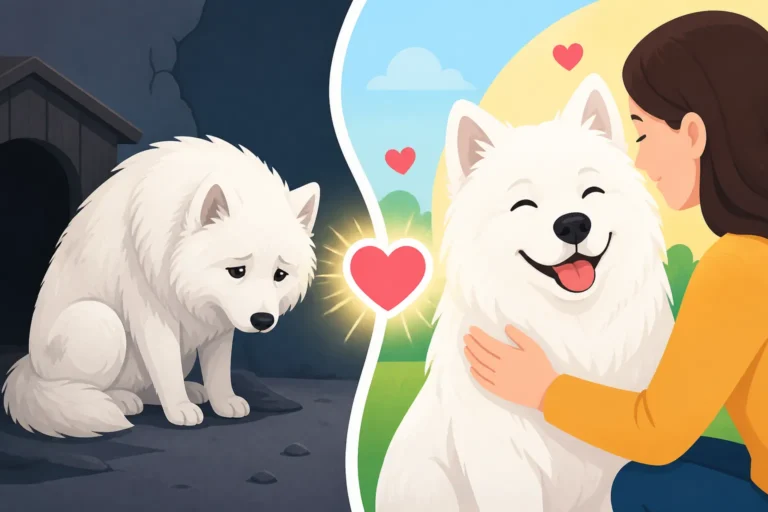
But it's not just about hierarchy; it's about friendship. Samoyeds, with their famous "Samoyed smile," are inherently people-oriented. They crave interaction and approval. Every time you glance down and offer a kind word, or even just acknowledge their presence, you reinforce that bond. They perceive your movements as potential invitations for activity, affection, or simply continued shared space. If you've ever had a Samoyed nudge your hand with their nose or rest their chin on your lap, you know exactly how much they value that direct connection. It's part of Why a Samoyed Wants to Be in the Room With You. They’re not just occupying space; they’re participating in the emotional landscape of your home.
The Need for Constant Connection
For many Samoyeds, simply being in the same house isn't enough; they need to be in the same room. This constant physical connection provides them with a sense of security and belonging. They don't just want to be near you, they want to be with you. This can manifest as them lying under your desk while you work, stretching out across the bathroom floor while you shower, or even waiting patiently outside the door if they can't quite squeeze in.
This behavior isn't always about getting something specific, like a treat or a walk, although they're certainly opportunists! More often, it's about reassurance. They feel safe and content when they are aware of your location and activities. It's a natural extension of their history as tent dogs, where their world revolved around the immediate presence of their human family. This is why How a Samoyed Bonds to One Person can be so intense, making that person their perpetual shadow target. They're constantly checking in, silently confirming that their world is still in order because their human is right there.
Sensory Exploration and the Samoyed's Curiosity
Beyond history and pack drive, Samoyeds are incredibly intelligent and curious creatures. Their constant shadowing can also be attributed to their desire to understand and participate in their environment.
Keeping Tabs on Their World
Samoyeds are naturally observant. They process a lot of information through their senses: the subtle changes in your scent as you move, the sounds of your footsteps, the visual cues of your body language. By following you, they are effectively gathering intelligence about what's happening in their world. Are you headed to the kitchen (potential food!), the door (potential walk!), or just to another room to sit down (potential cuddle!)?
This "keeping tabs" behavior is a way for them to stay mentally engaged and anticipate what might come next. They are active participants in their environment, not passive observers. It’s their way of interacting with their world through your actions. They want to be involved in everything, from you doing laundry to checking the mail. Their desire to be present isn't about controlling you; it's about experiencing life with you, maximizing their opportunities for interaction and fun.
The "Samoyed Scan" for Opportunity
Let's be honest, Samoyeds are smart, and they quickly learn routines and associations. If you frequently drop crumbs while cooking, or if a trip to the bathroom often means a moment of quiet petting, they'll pick up on that. Following you allows them to be strategically positioned for any opportunities that might arise. This is where their cleverness truly shines.
They're not just cute fluff-balls; they're constantly evaluating situations for potential benefits. An open door? A dropped toy? A moment of inactivity that could be filled with a belly rub? Their keen observation skills are always "on," and being close to you maximizes their chances of capitalizing on these moments. This isn't manipulative; it's intelligent animal behavior. Think of it as their subtle, sweet way of staying connected and ready for action.
Managing the "Velcro" Trait in Your Samoyed
While the Samoyed's devotion is incredibly endearing, there are times when their constant shadow act might become a little challenging. It's important to set healthy boundaries and ensure they also learn some independence.
Setting Healthy Boundaries
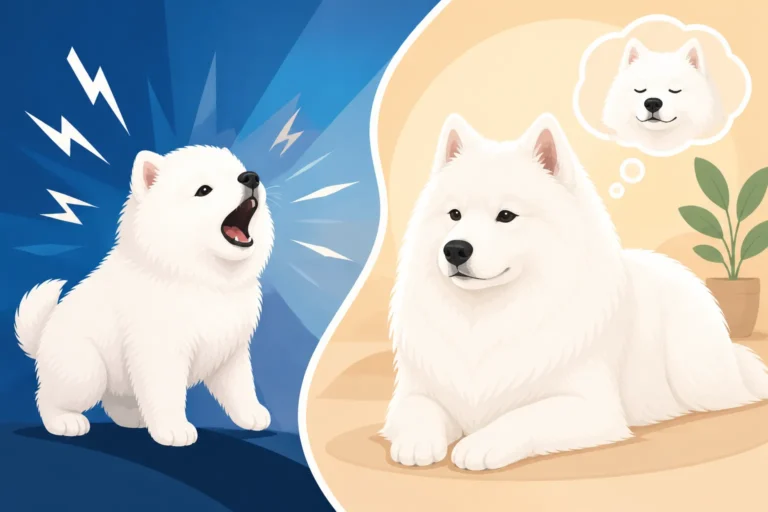
It's absolutely okay to love the fact that your Samoyed adores you, but a dog that cannot be left alone or settle independently can develop issues. For instance, if your Samoyed gets frantic when you step out of sight for just a moment, it might be heading towards Separation Anxiety in a Samoyed. Teaching a "place" command is incredibly valuable. This involves training your Samoyed to go to a designated spot (like a bed or mat) and stay there calmly, even when you move around the room. Consistency is key, and positive reinforcement with high-value treats works wonders with Samoyeds.
For comprehensive online training resources that can guide you through teaching commands like "place" and building a strong foundation, platforms like BAXTER & Bella offer structured programs. They can provide the step-by-step instructions and support you need to gently encourage independence without breaking that beautiful bond. It’s about teaching them that your absence from their immediate vicinity doesn't mean you've disappeared forever. You can start with short durations, praising and rewarding them for staying, and gradually increase the time.
Enriching Their Environment for Independent Play
A Samoyed that is constantly seeking your attention might simply be under-stimulated. Providing them with engaging activities that don't require your direct involvement can encourage independent play and self-settling. Interactive puzzle toys, durable chew toys, or long-lasting chews can keep their minds and mouths busy.
Consider rotating toys to keep things fresh and exciting. A great place to find a variety of durable, engaging toys is on Amazon. Look for toys designed for strong chewers, as Samoyeds can be quite enthusiastic! Freezing Kongs filled with peanut butter or yogurt can provide a substantial, calming activity that can keep them occupied for a good stretch of time. This helps them learn to enjoy their own company, even if they still prefer to do it in the same room as you.
Ensuring Adequate Exercise and Mental Stimulation
A tired Samoyed is generally a more settled Samoyed. These dogs were bred for endurance and activity, and a lack of proper exercise can lead to restless behavior, including excessive shadowing due to boredom or pent-up energy. Ensure your Samoyed is getting a good mix of physical activity and mental challenges every day.
This could mean long walks, supervised playtime in a secure yard, or engaging in dog sports. Samoyeds often excel in activities like Sledding, Herding and What a Working Samoyed Costs to Campaign, Whether a Samoyed Can Do Agility, or Whether a Samoyed Takes to Scent Work. Even simple obedience training sessions or learning new tricks can provide valuable mental stimulation. Regularly exercising their bodies and minds can significantly reduce their need to be your constant shadow, allowing them to relax more independently. Remember, How Much Exercise a Samoyed Needs is often more than new owners anticipate.
Here's a quick look at why your Samoyed might be following you, and what it might mean:
| Behavior Trait | Common Motivation | Potential Interpretation / Management |
|---|---|---|
| Always in the same room | Strong pack drive, desire for companionship, security | Normal, healthy bond. Reinforce with positive attention. |
| Following to every room | Curiosity, monitoring activities, seeking opportunities | Part of their nature. Set boundaries with "place" command. |
| Nudging for attention | Seeking interaction, affection, or a need being met | Acknowledge, respond appropriately. Ensure needs (potty, food, water) are met. |
| Whining/Pawing when you move away | Anxious, fear of missing out (FOMO), lack of independence | May indicate early signs of separation distress. Practice short separations, independent activities. |
| Intense staring/Anticipation | Learning routines, looking for cues, waiting for action | Channel this intelligence into training, puzzle toys. Keep them mentally stimulated. |
Ultimately, your Samoyed following you everywhere is a testament to the incredible bond they form with their human families. It's a blend of ancient instincts, a deep-seated need for companionship, and a healthy dose of canine curiosity. By understanding these motivations, you can both appreciate their devotion and gently guide them to become well-adjusted, confident companions who cherish your presence, but can also thrive when you're momentarily out of sight.
Disclaimer
This article is for general informational purposes only and does not constitute professional advice. Laws, prices and regulations vary by location and change over time. Consult a qualified professional for guidance on your specific situation.