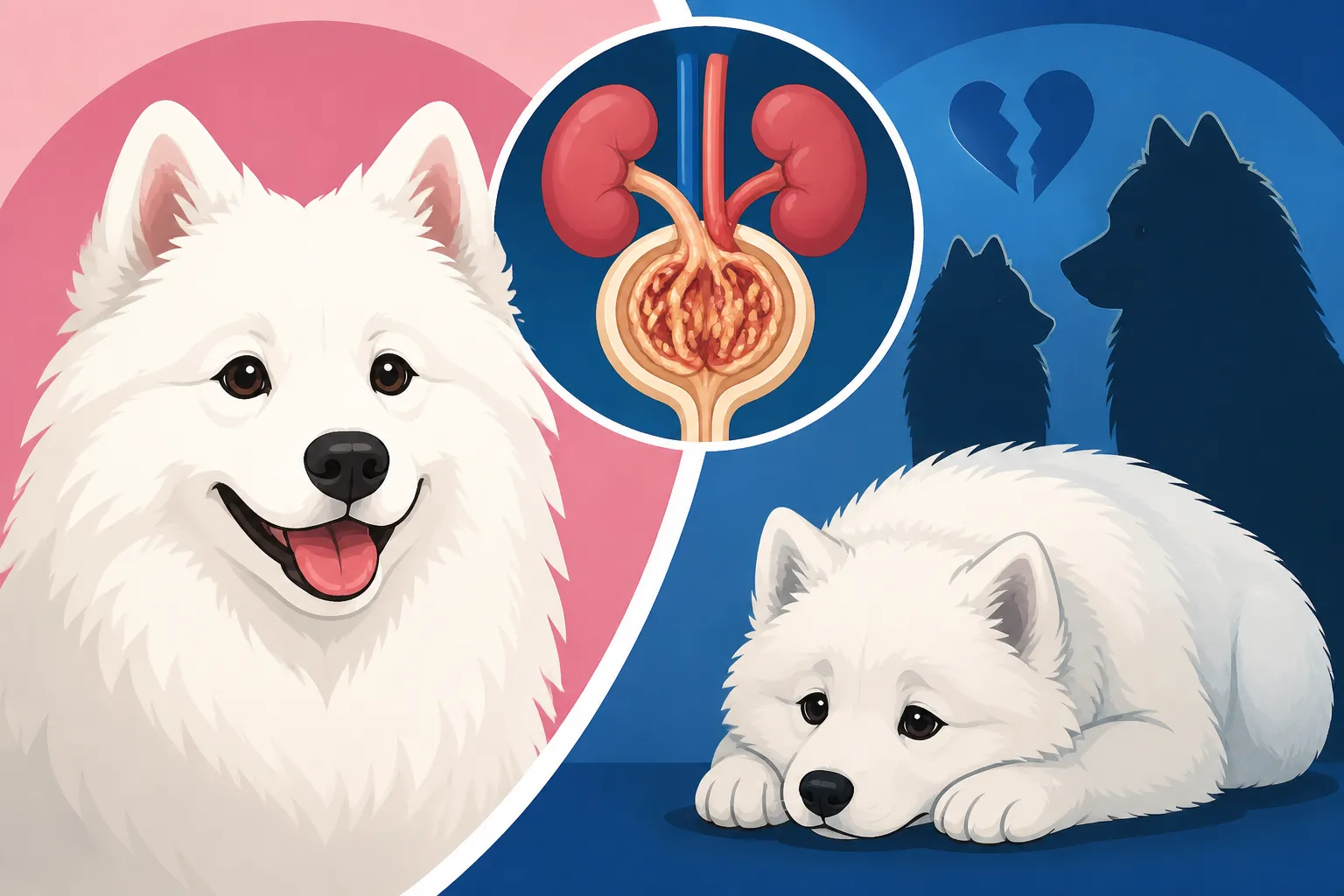
Why Samoyed Hereditary Glomerulopathy Only Devastates the Boys
It's absolutely heartbreaking when you bring home a fluffy Samoyed puppy, full of life and promise, only to have them fall ill and pass away far too young. This devastating scenario is a harsh reality for many families who encounter Samoyed Hereditary Glomerulopathy (SHG), a specific, inherited kidney disease that tragically impacts male Samoyeds with a severity not seen in their female counterparts. Understanding this complex condition and its unique genetic footprint is crucial for every Samoyed owner and prospective buyer. This comprehensive guide will shed light on why SHG primarily devastates the boys.
Understanding Samoyed Hereditary Glomerulopathy SHG
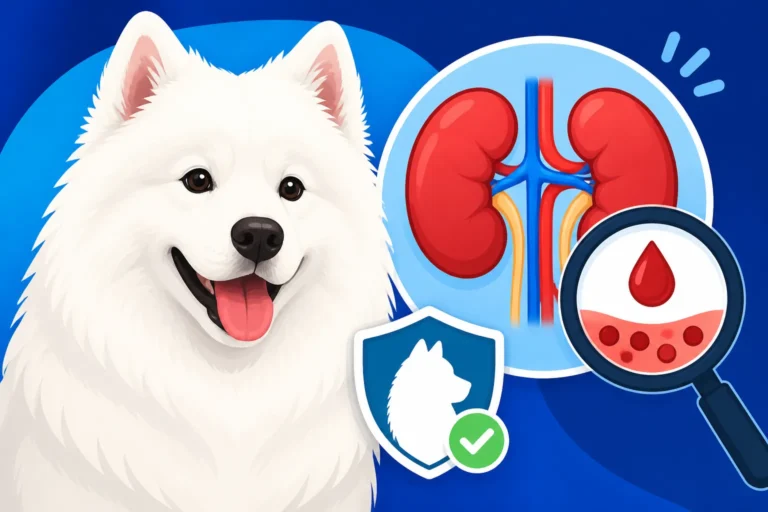
When we talk about Samoyed Hereditary Glomerulopathy, we're discussing a very specific and severe form of kidney disease that targets the glomeruli – the tiny filtering units within the kidneys. These microscopic structures are responsible for filtering waste products from the blood while retaining essential proteins. Imagine them as incredibly fine sieves. In a dog affected by SHG, these sieves start to break down, leading to a cascade of problems that ultimately result in kidney failure. It’s a silent thief of health, often progressing unnoticed until significant damage has occurred.
What Exactly Is SHG?
At its core, SHG is a genetic disorder unique to the Samoyed breed, though similar conditions exist in other breeds and even humans (known as Alport Syndrome). It's not just "bad kidneys" in a general sense; it's a very specific defect in the collagen structure that forms the essential basement membrane of the glomeruli. This membrane is like the delicate mesh of our sieve analogy. When this mesh is faulty, it can't perform its critical job. The disease name itself tells us a lot: "hereditary" means it's passed down genetically, and "glomerulopathy" refers to disease of the glomeruli.
The Collagen Failure at the Heart of the Problem
The real culprit behind SHG is a defect in collagen, specifically type IV collagen. This particular type of collagen is a major component of the glomerular basement membrane. Think of collagen as the structural scaffolding of many tissues in the body. If the instructions for building this scaffolding are flawed, the structure itself will be weak and crumble. In the case of SHG, this genetic mutation means the Samoyed's body can't produce normal, robust type IV collagen for its kidney filters.
Initially, these tiny filters might still manage to do their job, but over time, as the abnormal collagen accumulates and the structures weaken, they become "leaky." This leakiness allows vital proteins, which should remain in the bloodstream, to pass into the urine and be lost. This protein loss is one of the earliest and most significant signs of the disease. You might want to learn more about Why Collagen Failure Destroys a Samoyed's Kidney. The body desperately tries to repair the damage, but it's a losing battle against a fundamental structural flaw.
How SHG Differs from Other Kidney Diseases
It's easy to lump all kidney problems together, but SHG is distinct. Many kidney diseases in dogs are acquired later in life due to infections, toxins, age-related wear and tear, or other underlying health issues. SHG, however, is present from birth, an insidious ticking clock due to a genetic predisposition. While other kidney conditions might be managed or even cured depending on the cause, SHG is a relentlessly progressive disease with no cure, ultimately leading to terminal kidney failure. This makes early detection and understanding its genetic nature paramount, especially since other Samoyeds can get ordinary kidney failure too, making accurate diagnosis vital.
The Genetic Basis: An X-Linked Inheritance Pattern
To truly grasp why SHG devastates male Samoyeds, we need to delve into the fascinating (and sometimes frustrating) world of genetics. This isn't just a random bad luck gene; it follows a very specific pattern of inheritance called X-linked recessive, which has profound implications for how the disease manifests.
Unpacking X-Linked Recessive Inheritance
Dogs, like humans, have sex chromosomes that determine their biological sex. Females have two X chromosomes (XX), while males have one X and one Y chromosome (XY). An X-linked recessive disease means the faulty gene responsible for the condition is located on the X chromosome, and it takes two copies of the faulty gene (in females) or one copy (in males) to express the full disease.
In the context of SHG, this means:
- Males (XY): Since males only have one X chromosome, if that single X carries the faulty gene, they will be affected by the disease. There's no "backup" X chromosome to compensate.
- Females (XX): Females have two X chromosomes. If one X carries the faulty gene and the other X carries a normal gene, the normal gene typically compensates. These females are called "carriers" – they don't usually show severe signs of the disease themselves, but they can pass the faulty gene on to their offspring. If, by a rare chance, a female inherited two faulty X chromosomes (one from each parent), she would be affected, but this is incredibly rare due to how the disease impacts males. This is why Whether a Carrier Samoyed Female Develops Kidney Disease is a frequently asked question.
The Specific Gene Responsible: COL4A5
The specific gene identified as responsible for Samoyed Hereditary Glomerulopathy is called COL4A5. This gene provides the instructions for making a particular type of collagen protein, specifically the alpha-5 chain of type IV collagen. As discussed earlier, this collagen is crucial for the integrity of the glomerular basement membrane in the kidneys. When there's a mutation in the COL4A5 gene, these instructions are flawed, leading to the production of defective collagen.
This isn't a gene that affects all breeds; it's a known, specific mutation within the Samoyed population. The discovery of this gene was a monumental step forward, as it allowed for the development of genetic tests to identify carriers and affected individuals, moving us away from simply observing symptoms and towards proactive prevention. If you're considering a Samoyed, understanding The COL4A5 Test Every Samoyed Buyer Should Ask About is non-negotiable.
How This Pattern Leads to Male-Specific Severity
The X-linked recessive inheritance pattern of the COL4A5 mutation is precisely why male Samoyeds bear the brunt of SHG. Because males only have one X chromosome, they are hemizygous for X-linked genes. If that single X carries the defective COL4A5 gene, there's no healthy gene on a second X chromosome to mask its effects. It's a direct, unfiltered expression of the faulty gene.
Imagine it like this: A female has two blueprints for building the collagen scaffolding. If one blueprint is faulty, she can still largely rely on the good one to get the job done, perhaps with minor imperfections. A male, however, only has one blueprint. If that single blueprint is flawed, the scaffolding will be built wrong, every single time. This fundamental genetic difference explains why you rarely see severe SHG in females, and why male Samoyeds are, heartbreakingly, the ones most devastated by this inherited condition.
Why Males Are Devastated While Females Are Carriers
The stark difference in how Samoyed Hereditary Glomerulopathy manifests between male and female Samoyeds is a direct consequence of their chromosomal makeup. It's a classic example of X-linked inheritance in action, where one sex is profoundly affected, and the other typically carries the trait.
The Single X Chromosome in Males: No Backup
For male Samoyeds, inheriting the faulty COL4A5 gene on their single X chromosome is a death sentence, though a delayed one. They receive their X chromosome from their mother, and if she is a carrier, there's a 50% chance that her son will inherit the affected X. Because male Samoyeds only have one X chromosome and a Y chromosome (which doesn't carry a functional COL4A5 gene), they lack a second, healthy X chromosome to provide a correct copy of the gene.
This means that every cell in their body that relies on the COL4A5 gene for producing collagen in the glomerular basement membrane will be working with faulty instructions. There's no "backup system" to compensate for the defect. Consequently, their kidneys begin to fail, typically showing signs of protein loss in their urine around 3-6 months of age, and progressing rapidly thereafter. This is the tragic reason The Kidney Disease That Kills Samoyed Males Before Fifteen Months exists as a reality for some.
The Protective Second X Chromosome in Females
Female Samoyeds, with their two X chromosomes, have a distinct advantage. If a female inherits one X chromosome with the faulty COL4A5 gene (from a carrier mother or an affected father, though affected fathers rarely breed), she also has a second X chromosome, usually carrying a healthy, functional copy of the COL4A5 gene. This healthy gene acts as a protective shield.
Through a process called X-chromosome inactivation, one of the two X chromosomes in each cell of a female is randomly "turned off." This means that some cells will express the healthy gene, and some will express the faulty gene. However, enough cells with the healthy gene are typically active to produce sufficient normal collagen, preventing the severe, rapid kidney deterioration seen in males. This is why Why a Carrier Female Samoyed Stays Mild is the typical outcome. These females are carriers, meaning they carry the gene, but their own health isn't typically devastated by it.
The Mild Signs a Carrier Female Might Exhibit
While carrier females generally don't develop life-threatening kidney disease, they aren't entirely untouched by the gene. They might exhibit very mild, subclinical signs of kidney changes, often detectable only through sensitive diagnostic tests. For instance, some carrier females may show slightly elevated levels of protein in their urine later in life, particularly as they age. This is usually not severe enough to cause clinical illness or significantly shorten their lifespan, but it serves as a reminder that the gene is present.
It's crucial for breeders to identify these carrier females, not for their own health, but to prevent them from passing the faulty gene to their male offspring. While they may live a full and healthy life, they are still a link in the chain of inheritance. Regular monitoring, including urine tests to check for protein loss, can be a part of comprehensive care for carrier females, especially as they get older.
Recognizing the Signs and Symptoms in Male Samoyeds
Early detection of Samoyed Hereditary Glomerulopathy in male puppies is absolutely vital, though incredibly challenging. The disease can be insidious, with early signs being subtle and easily dismissed, mimicking common puppy ailments. Owners need to be vigilant and aware of what to look for, as time is of the essence.
Early, Subtle Indicators: When to Pay Close Attention
The frustrating thing about SHG is that by the time overt symptoms appear, significant kidney damage has often already occurred. However, there are some early indicators that, while non-specific, should prompt immediate veterinary attention, especially in a male Samoyed puppy. These usually begin to show up between 3 and 6 months of age, though sometimes a bit later.
One of the earliest and most critical signs, though often invisible to the naked eye, is proteinuria – the loss of protein in the urine. A puppy might seem perfectly normal, full of energy, and eating well, but their kidneys are already leaking vital protein. This is why regular urine testing, particularly a urine protein:creatinine (UPC) ratio, is so important. Other subtle signs might include:
- Slight decrease in appetite or pickiness: They might not eagerly finish their meals as they used to.
- Increased thirst or urination: You might notice their water bowl emptying faster, or they need to go out more frequently. This is often an early sign that the kidneys are struggling to concentrate urine.
- Reduced energy levels: A previously boisterous puppy might seem a little less enthusiastic about play, though this can be hard to distinguish from normal growth spurts or "lazy" puppy days.
- Poor growth or "failure to thrive": They might not be growing at the expected rate for their age, appearing a bit smaller or thinner than their littermates. This is directly related to the protein loss and general kidney dysfunction.
These early signs are why proactive testing is far more effective than waiting for obvious symptoms. This is why The Age a Samoyed Male First Shows Kidney Signs is crucial information for new owners.
Progressive Symptoms as Kidney Damage Worsens
As the disease progresses and kidney function deteriorates further, the symptoms become more pronounced and alarming. This stage typically occurs between 6 and 15 months of age, leading to What Samoyed Hereditary Glomerulopathy Does to the Kidneys. At this point, the kidneys are struggling severely to remove waste products, leading to a build-up of toxins in the blood, a condition known as uremia.
Look out for:
- Vomiting and diarrhea: The accumulation of toxins can cause gastrointestinal upset.
- Significant weight loss: Despite eating, the dog continues to lose muscle mass and appears emaciated.
- Pale gums: Anemia can develop as the kidneys fail to produce erythropoietin, a hormone that stimulates red blood cell production.
- Poor coat quality: The normally lustrous Samoyed coat might become dull, dry, and brittle.
- Lethargy and weakness: The dog becomes increasingly tired, listless, and unwilling to move or play.
- Fluid retention: Swelling in the legs or abdomen (ascites) can occur due to severe protein loss, leading to a condition like a "swollen belly." This is a late-stage sign.
- Oral ulcers and bad breath (halitosis): Uremic toxins can cause sores in the mouth and a distinct ammonia-like odor on the breath.
- Muscle twitching or seizures: In very advanced stages, neurological symptoms can manifest due to severe toxin buildup.
Witnessing this decline in a young dog is incredibly difficult, and it happens with alarming speed, as detailed in How Fast a Samoyed Male Declines.
Behavioral Changes That Signal Trouble
Beyond the physical symptoms, pay attention to any changes in your Samoyed's behavior. A dog in pain or discomfort, or one feeling the effects of systemic illness, will often alter their routine and demeanor.
Behavioral red flags include:
- Loss of interest in play: A Samoyed, especially a puppy, is usually eager for interaction. A sudden or sustained lack of interest in toys, walks, or family activities is a major concern.
- Increased clinginess or seeking solitude: Some dogs might become unusually clingy, seeking comfort, while others might withdraw and try to hide their discomfort, going off by themselves.
- Irritability or changes in temperament: A previously sweet-natured Samoyed might become grumpy or reactive when touched, especially if they are feeling nauseous or generally unwell.
- Reluctance to eat favorite treats: Even the most food-motivated Samoyed might turn up their nose at a beloved treat or meal, which is a strong indicator something is wrong.
Any of these signs, particularly when combined with physical symptoms like increased thirst or weight loss, warrant an immediate visit to your veterinarian. Early intervention won't cure SHG, but it can potentially manage symptoms and provide comfort for a short time.
Diagnosis and Progression of SHG
Diagnosing Samoyed Hereditary Glomerulopathy requires a combination of careful observation, routine veterinary tests, and, crucially, specific genetic testing. The insidious nature of the disease means that by the time overt clinical signs are visible, the kidneys are often already severely compromised.
Initial Veterinary Examination and Bloodwork
When you bring a Samoyed puppy with suspected SHG symptoms to the vet, the initial examination will be thorough. The vet will assess their overall condition, hydration status, listen to their heart and lungs, and palpate their abdomen. Standard bloodwork, including a Complete Blood Count (CBC) and a biochemistry panel, will be performed.
While bloodwork might appear normal in the very early stages, as the disease progresses, it will reveal classic signs of kidney failure:
- Elevated Blood Urea Nitrogen (BUN) and Creatinine: These are waste products that healthy kidneys filter out. High levels indicate the kidneys aren't doing their job effectively. You'll definitely want to know Whether a Samoyed's Creatinine Should Be Watched.
- Elevated Phosphorus: Failing kidneys struggle to excrete phosphorus, leading to high levels in the blood.
- Low Albumin: Albumin is a crucial protein. If the kidneys are leaking protein, albumin levels in the blood will drop, contributing to fluid retention and swelling.
- Anemia: As mentioned, poor kidney function can lead to a reduced production of red blood cells.
These blood values help confirm kidney dysfunction, but they don't definitively diagnose SHG itself, as many kidney diseases can cause similar blood changes.
The Importance of Urine Testing and Proteinuria
This is where urine testing becomes absolutely paramount. In the early stages of SHG, before BUN and creatinine levels are elevated, proteinuria is almost always present. Proteinuria means excessive protein in the urine, and it's the smoking gun for glomerular disease.
Your vet will likely recommend a few urine tests:
- Urinalysis: This basic test looks at the urine's concentration (specific gravity), pH, and checks for the presence of protein, blood, glucose, and cells. A dilute urine with protein is a strong indicator of kidney problems.
- Urine Protein:Creatinine (UPC) Ratio: This is the most crucial test for early detection of SHG. It's a quantitative measurement that helps determine how much protein is being lost in the urine. A UPC ratio above certain thresholds, especially when no inflammation or infection is present, is a red flag for glomerular disease. Signs a Samoyed Is Losing Protein in Its Urine are subtle, but this test can confirm it. It's so vital that Why a Samoyed's Urine Should Be Tested Young is strongly advised for male Samoyed puppies from affected lines or those with unknown genetic status.
Advanced Diagnostics: Biopsy and Genetic Confirmation
While blood and urine tests can strongly suggest SHG, definitive diagnosis usually involves one of two things:
- Kidney Biopsy: This is considered the "gold standard" for confirming glomerular disease. A small sample of kidney tissue is taken and examined under a microscope by a veterinary pathologist. With SHG, the pathologist will observe characteristic changes in the glomerular basement membrane, consistent with the collagen defect. This is an invasive procedure and is typically reserved for cases where the genetic test is unavailable or when other conditions need to be ruled out.
- Genetic Testing: The most straightforward and non-invasive way to confirm SHG is through a DNA test that directly looks for the COL4A5 mutation. A simple cheek swab or blood sample can be sent to a specialized laboratory. This test can identify affected males, carrier females, and clear individuals. Knowing The DNA Test That Finds the Samoyed Kidney Gene is absolutely critical for owners and breeders to make informed decisions. It confirms the specific hereditary nature of the disease, guiding both prognosis and breeding choices.
Living with an Affected Male and Management Strategies
Receiving a diagnosis of Samoyed Hereditary Glomerulopathy for your beloved male Samoyed is a devastating blow. It means facing a terminal illness with a limited prognosis. However, with supportive care, dietary adjustments, and specific medications, you can help manage symptoms, improve quality of life, and perhaps extend their time with you, albeit marginally.
Supportive Care and Dietary Adjustments
Since there's no cure for SHG, management focuses on alleviating symptoms and slowing the progression of kidney damage. Diet plays a critical role here.
- Renal Diet: Your veterinarian will likely prescribe a prescription renal diet. These diets are specifically formulated to be low in protein, phosphorus, and sodium, and often supplemented with omega-3 fatty acids and B vitamins.
- Low Protein: While protein is essential, too much protein can put a strain on already damaged kidneys. The goal is to provide high-quality protein in controlled amounts to meet the dog's needs without overwhelming the kidneys.
- Low Phosphorus: High phosphorus levels are toxic to dogs with kidney disease and contribute to further kidney damage. Renal diets carefully restrict phosphorus.
- Balanced Sodium: Controlled sodium levels can help manage blood pressure and fluid retention.
- Whether a Renal Diet Extends an Affected Samoyed's Life is a common question, and while it's not a cure, it's a cornerstone of management that can provide comfort and slow progression. Brands like Hill's Prescription Diet k/d or Royal Canin Renal Support are common recommendations.
- Hydration: Ensuring your Samoyed stays well-hydrated is paramount. Kidney disease often leads to increased thirst, and encouraging water intake helps flush toxins. Always provide fresh, clean water, and consider adding water to their food.
- Monitoring: Regular weigh-ins, appetite monitoring, and close observation of urination and drinking habits are crucial. Any changes should be reported to your vet.
Medications to Slow Progression and Manage Symptoms
Beyond diet, several medications can be used to manage the symptoms of SHG and try to slow the decline, though they cannot halt it entirely.
- ACE Inhibitors: Medications like enalapril or benazepril (Angiotensin-Converting Enzyme inhibitors) are often prescribed. These drugs help reduce protein loss in the urine and can lower blood pressure, which is often elevated in kidney disease, further protecting the kidneys. Whether an ACE Inhibitor Slows a Samoyed's Kidney Loss is a complex question, but they are a standard part of managing proteinuria.
- Omega-3 Fatty Acids: Supplements containing omega-3 fatty acids, like those found in fish oil, have anti-inflammatory properties that can be beneficial for kidney health. They may help to reduce inflammation in the glomeruli. Consider discussing Whether Omega Threes Help a Samoyed's Kidneys with your veterinarian.
- Phosphate Binders: If dietary phosphorus restriction isn't enough, your vet might prescribe phosphate binders. These medications are given with food and work by binding to phosphorus in the gut, preventing its absorption into the bloodstream.
- Anti-nausea Medications: As uremia progresses, nausea and vomiting are common. Medications like maropitant (Cerenia) can help alleviate these symptoms, improving appetite and comfort.
- Appetite Stimulants: If appetite severely wanes, a vet might prescribe an appetite stimulant to encourage eating.
- Fluid Therapy: In later stages, subcutaneous (under the skin) or intravenous (IV) fluid therapy might be recommended to help hydrate the dog and flush toxins, especially during acute crises.
The Emotional Toll and End-of-Life Decisions
Living with a male Samoyed affected by SHG is an emotionally grueling experience. You watch a young, once-vibrant dog decline rapidly. The prognosis is poor, with most affected males succumbing to the disease by 12-15 months of age, though some may live a few months longer with intensive care.
The discussions about quality of life and euthanasia are incredibly difficult but necessary. It's about ensuring your Samoyed doesn't suffer needlessly as their kidneys fail. You'll need to decide Whether an Affected Samoyed Should Be Euthanized Early when the time comes. This decision is deeply personal, made in consultation with your veterinarian, focusing entirely on your dog's comfort and dignity. Support groups for owners dealing with chronic illness in their pets can be invaluable during this heartbreaking time.
Financially, the costs associated with managing SHG can be significant, even with medications. Pet insurance, such as Healthy Paws, if acquired before diagnosis, can be a lifesaver, helping to cover the extensive veterinary bills for diagnostics, medications, and specialized diets. While it can't cure the disease, it can relieve some of the financial burden during an already stressful time.
The Critical Role of Genetic Testing and Ethical Breeding
Given the devastating nature of Samoyed Hereditary Glomerulopathy, genetic testing and responsible breeding practices are not just important; they are absolutely critical to eradicating this disease from the Samoyed population. Every decision made by breeders and buyers has a ripple effect on the future health of the breed.
The DNA Test That Finds the Samoyed Kidney Gene
The good news is that a highly reliable DNA test exists to detect the COL4A5 mutation responsible for SHG. This test, often available through specialized veterinary genetic labs like Embark Veterinary or Wisdom Panel, can precisely identify a dog's genetic status:
- Clear (or Normal): The dog does not carry the COL4A5 mutation and cannot pass it on to offspring.
- Carrier: The dog carries one copy of the COL4A5 mutation on one of its X chromosomes. This typically applies to females, who usually remain healthy or show only mild, late-onset signs. They can pass the gene to their offspring.
- Affected: The dog carries the COL4A5 mutation on its single X chromosome (in males) or on both X chromosomes (in extremely rare cases for females). Affected males will develop SHG.
The availability of this test means there is no excuse for unknowingly breeding carrier females or affected males. The DNA Test That Finds the Samoyed Kidney Gene empowers breeders with the knowledge to make informed mating decisions.
Screening Parents to Prevent Affected Litters
The primary goal of genetic testing for SHG is to prevent the birth of affected male puppies. Ethical breeding protocols for SHG are straightforward:
- Test all breeding stock: Every male and female Samoyed intended for breeding should be DNA tested for the COL4A5 mutation before being bred.
- Avoid mating carrier females with any male: Since males get their X chromosome from their mother, a carrier female will pass the affected gene to 50% of her sons, who will then be affected. Even if a male is clear, if the female is a carrier, male puppies will still be affected.
- Breed carrier females only with clear males, and consider the implications: If a breeder chooses to breed a carrier female (perhaps because she possesses exceptional qualities in other areas, and removing her from the gene pool entirely would be detrimental), she must only be bred to a male who has been tested and confirmed as "clear." All female offspring from such a pairing should also be tested, and any found to be carriers should be spayed or only bred under the most stringent guidelines. Any male offspring would be clear. This is the essence of How a Samoyed Breeder Avoids Producing Affected Males.
By following these guidelines, breeders can ensure that no affected male puppies are ever produced. It’s a simple genetic equation that, when followed, saves lives and prevents heartbreak.
The Responsibility of Breeders and Buyers
The responsibility lies on both sides of the coin:
- For Breeders: Ethical breeders are transparent about health testing. They will readily provide DNA test results for both parents of a litter, proving they are clear or that appropriate pairings were made to avoid affected puppies. They educate prospective buyers about SHG and other health concerns. They understand that breeding is a commitment to the health and future of the breed, not just about producing puppies.
- For Buyers: Prospective Samoyed owners have a crucial role to play. You should always ask to see the genetic test results for both parents for SHG. If a breeder cannot or will not provide these results, it is a significant red flag. Be wary of breeders who offer puppies at unusually low prices, as this can sometimes indicate a lack of proper health testing, including the essential SHG DNA test. Insist on seeing documented proof, not just verbal assurances. You might be interested in Whether a Samoyed Puppy Should Be Tested Before Purchase or Whether a Breeder Should Show the Samoyed Kidney Results. Choosing a puppy from health-tested parents is the best way to ensure you're bringing home the healthiest possible companion.
Remember, early pet insurance coverage from providers like Healthy Paws can offer peace of mind, but it's essential to understand that pre-existing conditions (like a genetic disease diagnosed before policy effective dates) are usually not covered. Therefore, preventing the disease through responsible breeding and thoroughly vetting your breeder is the most powerful preventative measure.
Hope for the Future: Research and Prevention
While Samoyed Hereditary Glomerulopathy remains a devastating disease for affected male Samoyeds, the future is not without hope. Advances in genetic understanding, coupled with dedicated research and the widespread adoption of preventative measures, are slowly but surely changing the landscape for this beloved breed.
Ongoing Research into Treatments and Cures
Currently, there is no cure for SHG, but research continues globally. Scientists are exploring various avenues, including:
- Gene Therapy: This cutting-edge field holds promise for genetic diseases. Researchers investigate ways to introduce a healthy copy of the COL4A5 gene into affected cells, potentially repairing the defect. While still in experimental stages for most complex conditions, it offers a long-term vision.
- Pharmacological Interventions: Studies are ongoing to identify new drugs or drug combinations that might more effectively slow the progression of kidney damage or mitigate the severe symptoms. This includes looking at anti-fibrotic agents that could prevent the scarring in the kidneys characteristic of the disease.
- Stem Cell Therapy: While not a cure, stem cell research in veterinary medicine explores its potential to regenerate damaged kidney tissue or reduce inflammation. This is also largely experimental.
While these advanced treatments are not yet readily available for SHG, the scientific community's persistent efforts give hope that one day, options beyond palliative care might emerge. However, it is important to be realistic about Whether an Affected Samoyed Can Be Treated at present, as treatments are supportive rather than curative.
The Impact of Widespread Testing on Breed Health
The most significant and immediate impact on the future of SHG comes from widespread genetic testing. The COL4A5 DNA test has been available for some time, and responsible breeders are diligently using it. As more and more breeders commit to testing their breeding stock and making informed mating decisions, the prevalence of SHG in the Samoyed population will inevitably decrease.
Every "clear" puppy born is a victory against this disease. As the pool of carrier females and affected males shrinks through careful breeding practices, the gene can, theoretically, be bred out of the population entirely over several generations. This requires unwavering commitment from the entire Samoyed community – breeders, owners, and breed clubs alike. Pet insurance providers, like Healthy Paws, also often advocate for responsible breeding and health testing as part of a broader strategy for pet wellness.
Advocacy and Education for Samoyed Owners
Beyond scientific research and breeding practices, advocacy and education are paramount.
- Informed Owners: Educating prospective and current Samoyed owners about SHG, its inheritance, and the importance of health testing empowers them to make responsible choices. Knowledge is power when it comes to preventing genetic diseases.
- Breed Club Initiatives: Samoyed breed clubs, such as the Samoyed Club of America, play a vital role in promoting health testing, funding research, and providing educational resources to their members. They set the standard for responsible breeding.
- Veterinarian Awareness: Ensuring veterinarians are aware of SHG in Samoyeds and the specific diagnostic protocols (like the UPC ratio and genetic test) is also crucial for early detection and counseling.
By working together, supporting research, and insisting on rigorous health testing, we can collectively ensure that fewer Samoyed families experience the devastation of SHG. The goal is to make this heart-wrenching condition a rarity, allowing future generations of male Samoyeds to live long, healthy, and happy lives, free from this inherited burden.
| Condition Feature | Samoyed Hereditary Glomerulopathy (SHG) | Other Forms of Kidney Failure (e.g., Acute, Chronic) |
|---|---|---|
| Cause | Genetic (COL4A5 mutation, X-linked) | Infections, toxins, age, injury, other diseases |
| Affected Sex | Primarily male Samoyeds (devastating) | Males & females equally |
| Onset of Symptoms | Typically 3-15 months of age | Any age, often older for chronic forms |
| Progression | Rapid, relentless, terminal | Variable, can be slow; some treatable/reversible |
| Early Detection | Urine Protein:Creatinine (UPC) ratio, DNA test | Bloodwork (BUN, Creatinine), Urinalysis |
| Prognosis | Poor, typically fatal by 12-20 months | Variable, depends on cause & severity |
| Curable? | No (management only) | Sometimes, depending on the underlying cause |
| Prevention | Genetic testing of breeding stock | Lifestyle, avoiding toxins, good veterinary care |
Disclaimer
The information provided in this article is for educational and informational purposes only and does not constitute medical advice. Always consult with a qualified veterinarian for any health concerns or before making any decisions about your pet's health or treatment.