Whether the Samoyed Will Stay Popular
A Samoyed’s bright smile and cloudlike coat can make the breed look like an easy choice, but popularity depends on more than good looks. Grooming, exercise, vocal habits, climate, and health all shape whether people want to live with one. This guide explains what may keep Samoyeds in the public eye, what could limit their growth, and how to judge breed popularity realistically.
Why Samoyeds Keep Attracting Attention
A distinctive look travels well
Samoyeds are easy to recognize: a white or biscuit-toned double coat, upright ears, curled tail, and characteristic smiling expression. Those features make striking photos and videos, and social media can introduce the breed to people who have never met one in person. Their appearance has helped make Samoyeds familiar beyond the circles of dog-show enthusiasts and northern-breed fans.
But an appealing image can create an incomplete impression. A photograph does not show the coat blowing across the sofa, the brushing routine, or a dog that needs meaningful activity and company. Someone who falls for the look without researching daily care may discover that the lifestyle is a poor fit. That gap between online appeal and at-home reality is one reason visibility does not automatically translate into steady, responsible demand.
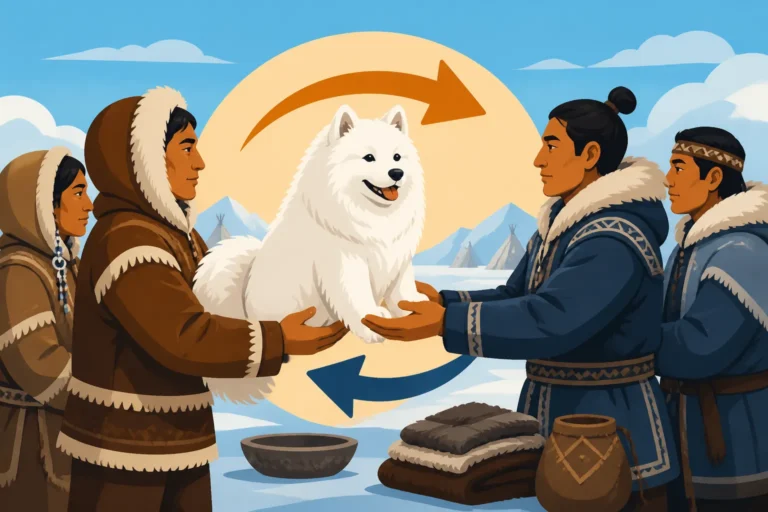
The breed’s public image also has roots beyond appearance. Samoyeds have a long history as working dogs, and their connection to northern peoples and polar exploration gives them a story that many people find compelling. For background, The Nenets of the Yamal Peninsula Bred the Samoyed and How Polar Explorers Took Samoyeds Out of Siberia offer useful context for the breed’s history.
Friendly behavior broadens their appeal
Many people are drawn to the Samoyed’s sociable, people-oriented reputation. A dog that enjoys being near its family can suit households looking for an involved companion, particularly when the household has time to include the dog in everyday life. The breed’s expressive face and playful manner can also make it memorable to visitors, neighbors, and people who meet one on a walk.
That friendliness should not be mistaken for low effort or automatic good manners. Samoyeds are active, intelligent dogs, and they may become noisy, bored, or inventive when their needs are not met. They often enjoy interaction, but that can make long stretches alone difficult. A prospective owner should consider work schedules, exercise habits, housing rules, and tolerance for vocal behavior—not just temperament descriptions.
People also tend to encounter Samoyeds through broader “northern dog” interest, alongside Siberian Huskies and Alaskan Malamutes. Comparing those breeds can help someone figure out what they actually want. The Samoyed Against the Husky and the Malamute explores some of the differences, while What Samoyed Owners Wish They Had Known captures practical ownership realities that glossy breed portraits may leave out.
What Could Limit Samoyed Popularity
Grooming and shedding are real lifestyle factors
A Samoyed’s thick double coat is part of what makes the breed visually distinctive, but it demands regular care. Brushing helps manage loose undercoat and prevent tangles, especially in areas where friction and moisture can encourage mats. During heavy shedding periods, the amount of fur around the home can surprise even people who have owned other dogs.
This is not simply a matter of deciding whether white fur bothers you. Grooming takes time, and some owners use professional help for bathing, drying, or coat maintenance. A person who expects to brush only occasionally or who wants a low-shedding home may find the reality frustrating. The breed’s upkeep is a practical reason its appeal may remain strong while its suitability stays limited to households prepared for the routine.
It can help to learn what the coat actually does before deciding how to manage it. A Samoyed's Coat Is Insulation, Not Decoration explains why the double coat should be treated as functional protection, and How Often a Samoyed Needs Brushing offers a starting point for understanding the regular work involved. Grooming needs should be part of the decision before bringing a dog home, not a surprise after the first coat blow.
Exercise, noise, and climate narrow the fit
Samoyeds were developed as working dogs, and many still need more than a quick trip around the block. They benefit from regular physical activity and opportunities to use their brains. That does not mean every Samoyed needs to pull a sled, but a household should be ready to provide walks, training, play, and other suitable activities. Without enough engagement, a bored dog may find its own entertainment in ways the family would rather avoid.
Vocal behavior can also be a deciding factor. Some Samoyeds are talkative, and a dog’s sounds may be difficult to manage in a building with thin walls or strict noise rules. Training can help with routines and cues, but it cannot promise that an individual dog will never bark, howl, or “talk.” People considering the breed should be realistic about their neighbors and their own comfort with a lively, audible companion.
Climate is another consideration, though it is not as simple as assuming every Samoyed must live in a cold region. Owners in warm areas need careful heat management, including shade, water, appropriately timed exercise, and a cool place to rest. A Samoyed Built for Sixty Below in an American Summer discusses the contrast between the breed’s origins and modern homes, while Whether a Samoyed Suits an Apartment helps readers consider how space, noise, and activity needs interact.
| Factor | Why it can increase interest | Why it can limit ownership |
|---|---|---|
| Appearance | A distinctive coat and smile are memorable | Coat care and shedding require ongoing effort |
| Temperament | A sociable companion can fit an involved household | Company, training, and activity take time |
| Working background | Northern history and activity appeal to enthusiasts | A dog may need more engagement than a casual owner expects |
| Climate adaptability | The breed can live in varied settings with sensible care | Heat management requires planning in warm weather |
| Online visibility | Photos and videos introduce the breed to new audiences | Online impressions can understate everyday responsibilities |
How to Read Breed Popularity Without Guessing
Popularity has more than one measure
When people ask whether the Samoyed will stay popular, they may mean different things. They might be asking whether the breed will remain recognizable, whether registrations will rise, whether puppies will be easy to find, or whether Samoyeds will keep appearing in online content. Those are related questions, but they are not interchangeable.
Registration figures, search interest, breeder waitlists, rescue placements, and social media visibility each reveal something different. A breed can be highly visible online without becoming a common household dog. Conversely, a breed may have committed enthusiasts and responsible breeders while remaining less familiar to the general public. Availability can also vary by region, so a Samoyed may be relatively easy to encounter in one area and much harder to find in another.
Retail presence is another weak signal, not a direct measure. A person browsing general dog supplies at Chewy may see products that suit large, active, or heavily coated dogs, but that does not tell them how many Samoyeds live in a particular community. Chewy’s product range can reflect broad pet-owner needs rather than demand for one breed. Likewise, reviews on Chewy or other shopping sites are not a reliable substitute for registration or population data.
Trends can change while the breed stays familiar
Breed popularity often rises and falls with culture, media, and changing household preferences. A viral dog can prompt a burst of curiosity, but the lasting effect depends on whether people are prepared for the breed’s real needs. If new owners discover that grooming, noise, or exercise is harder to manage than expected, some may reconsider ownership or seek help through breed clubs and rescues.
Chewy and similar retailers may make routine supplies more accessible to owners, but convenience does not remove the time involved in caring for a Samoyed. A new owner still needs to learn coat maintenance, choose safe equipment, and build an activity routine. Looking at Chewy listings can help someone understand the kinds of products dog households commonly shop for, but it should not be treated as evidence that the breed is becoming more popular.
A more useful way to think about the future is to separate visibility from responsible ownership. The Samoyed is likely to remain recognizable because of its striking appearance and established history. Whether its popularity grows substantially is harder to predict and may depend on factors such as housing, access to experienced breeders, owner education, and willingness to take on the breed’s care requirements.
What Prospective Owners Should Take From the Trend
Choose the individual dog and lifestyle match
If you are considering a Samoyed because you keep seeing them online, pause before treating popularity as a recommendation. Ask how much time you can commit to grooming and exercise, whether your home can accommodate a vocal dog, and how you will handle warm weather. Consider ordinary weeks, not just an ideal weekend when you have plenty of free time.
Talk with owners and responsible breeders about the parts of daily life that are less photogenic. Ask how they manage coat care, training, alone time, and activity. If possible, spend time around adult Samoyeds, not only puppies. A puppy’s soft coat and playful behavior can be enchanting, but adult temperament and maintenance provide a better sense of the long-term fit.
Popularity should never replace health and welfare questions. Learn what health screening is appropriate, ask to see relevant records, and be wary of sellers who rely on demand or appearance while avoiding practical questions. The Health Tests Both Samoyed Parents Should Have can help frame that conversation, and Whether a Samoyed Suits a First Time Owner offers another perspective on matching the breed to a household’s experience and expectations.
Support demand that puts welfare first
Interest in the breed is not inherently good or bad. Responsible demand can support breeders who prioritize health, stable temperament, and suitable homes. Uninformed demand can encourage rushed purchases, poor breeding decisions, or owners who are unprepared for the breed’s needs. The difference is not how many people admire Samoyeds; it is how carefully they approach ownership.
If a Samoyed does not suit your household, that does not mean you have failed the breed or missed out on the “right” dog. It means you have taken its needs seriously. Another breed—or an adult dog with a known personality—may be a more comfortable match. People who are set on a Samoyed can take their time, learn from experienced owners, and look beyond the first appealing puppy listing.
The breed’s long-term appeal will depend partly on whether its image continues to be balanced by honest information. Its coat and smile may draw attention, but informed owners are more likely to sustain a healthy community around the breed. In that sense, the most useful question is not simply whether Samoyeds will stay popular. It is whether the people drawn to them understand what a Samoyed needs to thrive.
Disclaimer
This article is for general informational purposes only and does not constitute professional advice. Laws, prices and regulations vary by location and change over time. Consult a qualified professional for guidance on your specific situation.