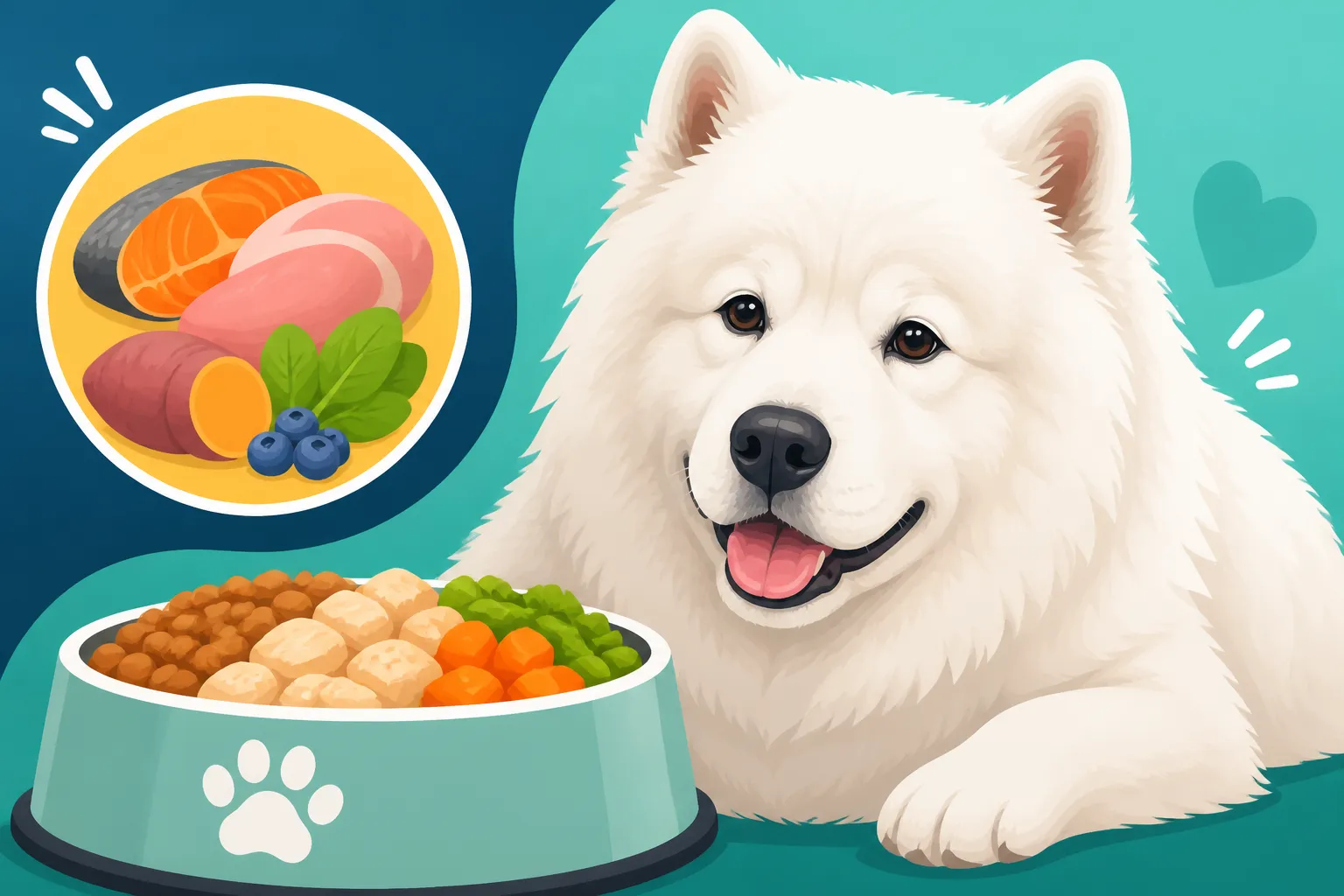
Feeding an Old Samoyed
Seeing your beloved Samoyed begin to slow down, perhaps losing that youthful bounce or showing a little less enthusiasm for mealtime, can be a really challenging transition for any owner. It often sparks a lot of questions about how best to support them, especially when it comes to their diet. This comprehensive guide is here to walk you through the nuances of feeding an old Samoyed, ensuring they receive the proper nutrition to maintain their health, comfort, and signature smile well into their golden years.
The Shifting Nutritional Landscape for Your Senior Samoyed
Just like us, Samoyeds experience significant physiological changes as they age. What worked for them as a rambunctious puppy or a vigorous adult might not be the best choice as they reach their senior years. Ignoring these shifts can lead to weight gain, muscle loss, or exacerbate existing health conditions, making their senior life less comfortable. It's about recognizing these subtle (and sometimes not-so-subtle) signs and adapting their care accordingly.
Recognizing the Slowdown: Metabolic Changes and Energy Needs
One of the first things you'll likely notice in your senior Samoyed is a general reduction in activity levels. Those hour-long, high-energy romps might turn into leisurely strolls, and nap times grow longer and more frequent. This natural slowdown is accompanied by a decrease in their metabolic rate. Essentially, their bodies aren't burning as many calories as they used to, even if their appetite seems the same. If their food intake isn't adjusted, those extra calories quickly translate into unwelcome weight gain.
Many owners feel guilty cutting back on food, worried their beloved companion will feel deprived. It's a natural instinct to want to indulge them, especially when they give you those soulful, pleading eyes. However, an overweight senior Samoyed faces increased strain on its joints, a higher risk of conditions like diabetes, and generally a lower quality of life. It’s a delicate balance: providing enough to satisfy them and maintain a healthy weight without overfeeding. Knowing The Age a Samoyed Counts as a Senior is a good first step in preparing for these changes.
Muscle Maintenance and the Protein Imperative
While a reduced caloric intake is often necessary, it doesn't mean slashing protein. In fact, maintaining adequate muscle mass is incredibly important for older Samoyeds. As dogs age, they can experience sarcopenia, which is the age-related loss of muscle mass and strength. This isn't just about looking fit; strong muscles support joints, help with mobility, and contribute to overall vitality. If an older Samoyed isn't getting enough high-quality protein, their body will start to break down its own muscle tissue to meet its needs, leading to weakness and frailty.
This is where the quality of the protein matters immensely. Look for highly digestible protein sources like lean meats (chicken, turkey, beef), fish, and eggs. These provide the essential amino acids necessary for muscle repair and maintenance without adding excessive fat or calories. Some senior dog foods specifically formulate with slightly higher protein percentages relative to calories to help counteract muscle wasting. It's a common misconception that less protein is always better for older kidneys, but for most healthy seniors, ample, high-quality protein is vital for healthy aging.
Digestive Sensitivities and Gut Health
Another area that can change with age is your Samoyed's digestive system. What they once tolerated with no issue might now cause a sensitive stomach, loose stools, or constipation. Their digestive efficiency can decline, meaning they might not absorb nutrients as effectively from their food. This is where fiber plays a crucial role. A moderate amount of soluble and insoluble fiber can help regulate bowel movements, prevent constipation, and support a healthy gut microbiome.
Many senior dog foods will include prebiotics and probiotics to aid digestion and nutrient absorption. If your Samoyed starts experiencing digestive upset, it's worth discussing with your vet whether a dietary change or supplement is needed. Sometimes, simply switching to a food with easier-to-digest ingredients, or one specifically designed for sensitive stomachs, can make a world of difference. Observing their stool consistency and frequency can give you valuable clues about how well their digestive system is coping.
Deciphering Senior Dog Food Labels: Key Ingredients and Formulations
The sheer number of dog food options on the market can be overwhelming, and it only gets more complicated when you're looking for something specific for a senior Samoyed. Understanding what to look for on those labels can empower you to make the best choices for your furry family member.
Protein, Fat, and Fiber: Balancing the Macros
When scrutinizing a senior dog food label, the macronutrient breakdown of protein, fat, and fiber is paramount. As discussed, protein should remain a high-quality cornerstone, often in the 25-30% range on a dry matter basis, to support muscle mass. However, the fat content typically needs to be slightly lower than in adult formulas to account for reduced energy expenditure. Excess fat means excess calories, leading to weight gain. Look for fat content in the 10-15% range for most senior Samoyeds, unless your vet advises otherwise for a specific condition.
Fiber is another critical component. While adult dog foods might have lower fiber, senior formulas often increase it to 3-7% to support digestive regularity and satiety. This helps prevent constipation, which can be a common issue in less active older dogs, and can also make your Samoyed feel fuller on fewer calories. Just be careful not to choose a food with excessively high fiber, as this can sometimes hinder nutrient absorption.
The Role of Antioxidants and Joint Support Ingredients
Beyond the basic macros, senior dog foods often boast additional ingredients aimed at supporting aging bodies. Antioxidants, like vitamins E and C, selenium, and beta-carotene, help combat cellular damage from free radicals, which increases with age. This can support immune function and cognitive health, helping your Samoyed stay sharp and healthy.
Joint support ingredients are practically non-negotiable for an older Samoyed. Glucosamine and chondroitin sulfate are two of the most common and widely recognized compounds aimed at maintaining cartilage health and reducing inflammation in the joints. Many high-quality senior foods will include these at therapeutic levels. Omega-3 fatty acids, particularly EPA and DHA from fish oil, are also incredibly beneficial for their anti-inflammatory properties, supporting not only joint health but also skin, coat, and cognitive function. This ties into managing conditions like Arthritis in an Older Samoyed.
Dry Kibble vs. Wet, Fresh, or Homemade Options
The format of your senior Samoyed's food also warrants consideration. Dry kibble is convenient and can help keep teeth cleaner, but some older dogs with dental issues or reduced appetite might find it hard to chew or less appealing. Wet food is often more palatable, easier to chew, and provides extra hydration, but it can be more expensive and typically offers less dental benefit.
Freshly prepared or homemade diets are gaining popularity, and for a senior Samoyed, they can be fantastic for palatability and digestibility. Services like Ollie deliver fresh, customized meal plans right to your door, which can be incredibly helpful for owners seeking human-grade ingredients and precise nutritional balance tailored to their dog's age and health needs. If you go the homemade route, it’s absolutely critical to work with a veterinary nutritionist to ensure the diet is complete and balanced. Simply cooking chicken and rice isn't enough for long-term health and can lead to serious nutrient deficiencies. Each option has its pros and cons, and the best choice is often a blend or what your Samoyed tolerates and thrives on.
Practical Feeding Strategies for Optimal Health
Beyond what you feed your senior Samoyed, how you feed them can significantly impact their health and happiness. Simple adjustments to routine and presentation can make a world of difference as they navigate their golden years.
Portion Control and Preventing the Senior Spread
One of the biggest challenges with an aging Samoyed is managing their weight. They still have that gorgeous, thick coat, which can easily hide a few extra pounds, making it hard to spot Signs a Samoyed Is Overweight. As their activity levels naturally decrease, their caloric needs drop, sometimes significantly. Sticking to the feeding guidelines on the bag is a good start, but remember those are just averages. Your individual Samoyed's metabolism and activity level will dictate their true needs.
It's crucial to measure their food precisely. Guessing with a scoop can lead to overfeeding by hundreds of calories each day. Invest in a proper measuring cup or, even better, a kitchen scale to weigh their portions. Regularly checking their weight at home and during vet visits will help you fine-tune their food intake. If they start to put on weight, a slight reduction in portion size (think 10-15%) is often the first step. For more guidance, you might find Getting Weight Off a Samoyed helpful. Consistent feeding times can also help regulate their metabolism and manage their weight effectively, as detailed in Whether a Samoyed Needs a Consistent Feeding Schedule.
Encouraging Appetite in the Picky Eater
Some senior Samoyeds, especially those with underlying health issues or dental pain, might become a bit finicky with their food. It's frustrating when they turn their nose up at a meal you know is good for them. Before assuming pickiness, always rule out medical causes with your vet. Dental pain is a huge culprit here – imagine trying to eat kibble with a toothache!
Once medical issues are addressed, there are several tricks to encourage a lagging appetite. Warming wet food or adding a bit of warm water to kibble can release aromas that entice them. Mixing in a spoonful of low-sodium chicken broth, plain yogurt, or canned pumpkin can also make meals more appealing. Sometimes, a completely different texture, like moving from dry kibble to a fresh food option from a brand like Chewy, can reignite their interest. Presenting food in a quiet, undisturbed area, perhaps with a soft mat to make them comfortable while eating, can also help.
Hydration Beyond the Bowl: Importance for Older Dogs
Hydration is always important, but it becomes absolutely critical for senior Samoyeds. Older dogs are more prone to dehydration due to reduced thirst drive, less efficient kidney function, and potential medication side effects. Dehydration can exacerbate kidney problems, make constipation worse, and generally make them feel unwell.
Don't just rely on a single water bowl. Place multiple water bowls around the house in easily accessible locations. Consider a pet fountain, as the moving water can entice some dogs to drink more. Adding water or broth to their meals, especially if you're feeding dry kibble, is an excellent way to boost their fluid intake. For those who are resistant to drinking, offering ice cubes as treats can be a fun way to get a little extra water into them. Any sudden increase in thirst, however, should be reported to your vet, as it can be a sign of underlying conditions like diabetes or kidney disease.
Tailoring the Diet to Common Senior Ailments
As Samoyeds age, they become more susceptible to certain health conditions, many of which can be significantly managed or supported through specific dietary adjustments. This isn't about curing disease with food, but rather using nutrition as a powerful tool to improve their quality of life and slow progression.
Dietary Support for Arthritis and Mobility Issues
Arthritis is a common bane of older dogs, and Samoyeds are no exception. The stiffness, pain, and reduced mobility can severely impact their enjoyment of life. While medication and physical therapy are often necessary, diet plays a huge supportive role. The primary goal is weight management – keeping your Samoyed lean reduces strain on already compromised joints. Even a few extra pounds can make a significant difference in their comfort level. Whether a Samoyed Gains Weight Easily is something every owner should be mindful of as their dog ages.
Beyond weight, foods rich in anti-inflammatory ingredients are key. As mentioned, glucosamine, chondroitin, and omega-3 fatty acids (specifically EPA and DHA) are paramount. Look for senior foods that include these at higher levels or consider adding them as separate supplements. Turmeric and green-lipped mussel extract are other natural anti-inflammatory compounds often found in joint support formulas. Providing a diet that helps reduce systemic inflammation can make moving around much less painful for your old friend.
Kidney Health and Reduced Protein Considerations
Kidney disease is another common issue in aging dogs, including Samoyeds. Early detection is vital, so Whether a Samoyed Needs Yearly Kidney Bloodwork is a discussion you should definitely have with your veterinarian. If your Samoyed is diagnosed with kidney disease, dietary changes are one of the most impactful management strategies. Historically, extremely low protein diets were prescribed, but modern veterinary understanding emphasizes controlled levels of high-quality protein. The goal is to reduce the workload on the kidneys by minimizing phosphorus and sodium, while still providing enough high-quality protein to prevent muscle wasting.
Prescription renal diets achieve this balance and are specifically formulated to support kidney function. These diets are typically lower in phosphorus, controlled in protein, and often have added omega-3 fatty acids and antioxidants. Discuss with your vet if and when a prescription renal diet is appropriate. Brands like Purina Pro Plan Veterinary Diets or Royal Canin Veterinary Diet offer specific renal formulas that are vet-recommended. Never put your Samoyed on a renal diet without veterinary guidance, as inappropriate restriction can be harmful. For more information, explore Whether a Renal Diet Extends an Affected Samoyed's Life.
Managing Dental Challenges and Sensitive Gums
Dental health often deteriorates with age, leading to pain, infection, and difficulty eating. Many senior Samoyeds develop periodontal disease, which can cause them to drop food, chew on one side, or completely refuse hard kibble. Regular dental care, including professional cleanings, is paramount throughout their lives, but especially as they age. Whether a Samoyed Needs Its Teeth Brushed daily is something every owner should consider.
If your senior Samoyed has significant dental issues, transitioning to softer foods can be a game-changer. Wet food, soaked kibble, or fresh food diets are much easier to chew and swallow. If they're still eating kibble, look for smaller kibble sizes or shapes that are easier to manage. Soft treats are also important to prevent choking or pain. Addressing their dental pain directly with your vet through cleaning or extractions, then adjusting their diet, will vastly improve their comfort and nutritional intake.
Essential Supplements and Monitoring Your Samoyed's Progress
Even with a high-quality senior diet, some older Samoyeds can benefit from targeted supplementation. However, it's a field rife with marketing claims, so understanding what might genuinely help and how to monitor their response is key.
When to Consider Supplements: Omega-3s and Probiotics
Supplements aren't a substitute for a balanced diet but can provide an extra boost where needed. As discussed, omega-3 fatty acids are almost universally beneficial for older dogs. They are powerful anti-inflammatories, excellent for joint health, promote a healthy coat, and support cognitive function. If your dog's food doesn't contain sufficient levels, adding a fish oil supplement can be very effective. Look for products that list EPA and DHA content. You can often find reputable brands on Chewy or Amazon.
Probiotics can be valuable for senior Samoyeds experiencing digestive sensitivities or those on medications that disrupt gut flora. A healthy gut microbiome is crucial for digestion, nutrient absorption, and even immune function. If your Samoyed has frequent bouts of loose stool, gas, or constipation, a probiotic supplement might help restore balance. Always choose supplements specifically formulated for dogs and consult your vet before starting any new regimen. Joint Supplements for a Samoyed is a good resource for more detailed information.
Regular Vet Check-ups and Adjusting the Diet
The best "supplement" for your senior Samoyed is regular veterinary care. As they age, annual check-ups should ideally become biannual. These visits allow your vet to monitor their weight, conduct bloodwork (including kidney and liver panels), and screen for early signs of common senior ailments. This proactive approach means you can catch issues before they become severe and make dietary adjustments much more effectively.
Your vet is your best partner in tailoring your Samoyed's diet. They can help you interpret blood test results, assess body condition, and recommend specific therapeutic diets or supplements based on your dog's unique health profile. Don't hesitate to ask them about calorie calculations, ideal protein levels, or specific brands they trust for senior dogs. Adjusting a diet isn't a one-time event; it's an ongoing process as your Samoyed's needs continue to evolve.
Creating a Feeding Routine That Works
Consistency is key, especially for older dogs. A predictable feeding routine can help manage their digestion, maintain a healthy weight, and provide a sense of security. Aim for two or three smaller meals per day rather than one large one. Smaller meals are often easier for older digestive systems to process and can help prevent bloat, a serious concern for deep-chested breeds like Samoyeds, even in their senior years.
| Aspect | Young Adult Samoyed (1-7 years) | Senior Samoyed (8+ years) |
|---|---|---|
| Activity Level | High, energetic, long walks/runs | Moderate to low, leisurely strolls, more naps |
| Metabolic Rate | Higher, burns calories efficiently | Lower, prone to weight gain |
| Caloric Needs | Higher, 20-30 calories per pound of body weight | Lower, 15-20 calories per pound of body weight (approx.) |
| Protein Focus | Growth & maintenance, often higher for active dogs | Maintenance of muscle mass, high quality, digestible |
| Fat Content | Moderate to high (e.g., 15-20%) for energy | Lower (e.g., 10-15%) to prevent weight gain |
| Fiber Content | Moderate | Higher (e.g., 3-7%) for digestion & satiety |
| Key Supplements | Optional (e.g., joint if active/predisposed) | Recommended (e.g., Glucosamine, Chondroitin, Omega-3s) |
| Meal Frequency | 2 meals per day | 2-3 smaller meals per day (easier digestion) |
| Dental Health | Regular checks, chewing aids | Crucial monitoring, softer food options may be needed |
| Hydration Focus | Fresh water available | Constant vigilance, multiple bowls, water added to food |
| Vet Visits | Annual | Biannual or more frequent as needed |
This table highlights the general shifts you'll likely see.
Consider using slow feeders if your Samoyed tends to gulp down their food too quickly, as this can lead to digestive upset or even bloat. Puzzle feeders can also offer mental stimulation, which is particularly beneficial for older dogs who might not be as physically active. And remember, treats still have a place, but they need to be factored into their daily calorie count. Opt for low-calorie, healthy options, or use a portion of their regular kibble as training rewards. Caring for an Old Samoyed is a marathon, not a sprint, and a consistent, thoughtful feeding routine is a cornerstone of that journey.
Disclaimer
This article is for general informational purposes only and does not constitute professional advice. Laws, prices and regulations vary by location and change over time. Consult a qualified professional for guidance on your specific situation.