Whether a Renal Diet Extends an Affected Samoyed’s Life
It's heartbreaking to face the news that your beautiful, smiling Samoyed is battling kidney disease, especially when it's a condition like Samoyed Hereditary Glomerulopathy (SHG) that seems so relentless. As devoted Samoyed parents, we cling to any hope, any intervention that might grant our beloved companions more time and comfort. This guide dives deep into whether a specialized renal diet can truly extend the life of an affected Samoyed, helping you understand the science, the realities, and the best approaches to care.
Understanding Samoyed Hereditary Glomerulopathy (SHG)
When you have a Samoyed, you're not just getting a dog; you're getting a family member with a lineage as deep as the Arctic snow. But unfortunately, some of these lineages carry a specific genetic predisposition that can lead to devastating health challenges. Samoyed Hereditary Glomerulopathy is one such challenge, a condition that targets the kidneys with a particularly cruel efficiency, especially in our male pups.
The Basics of SHG and Kidney Function
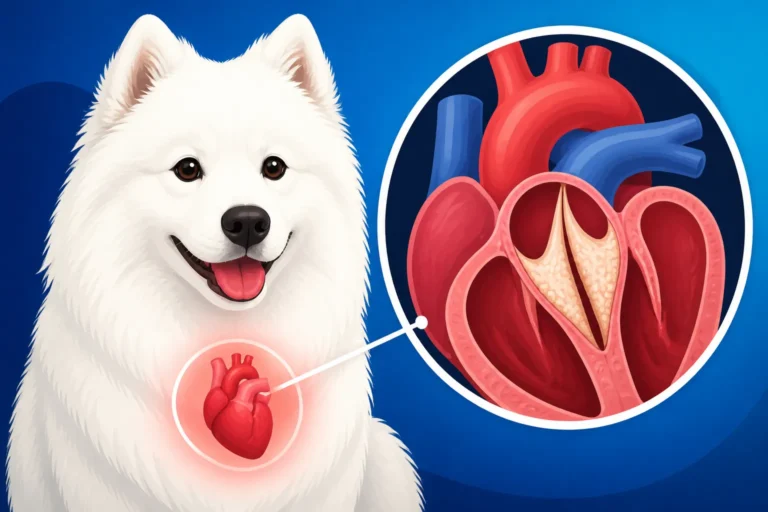
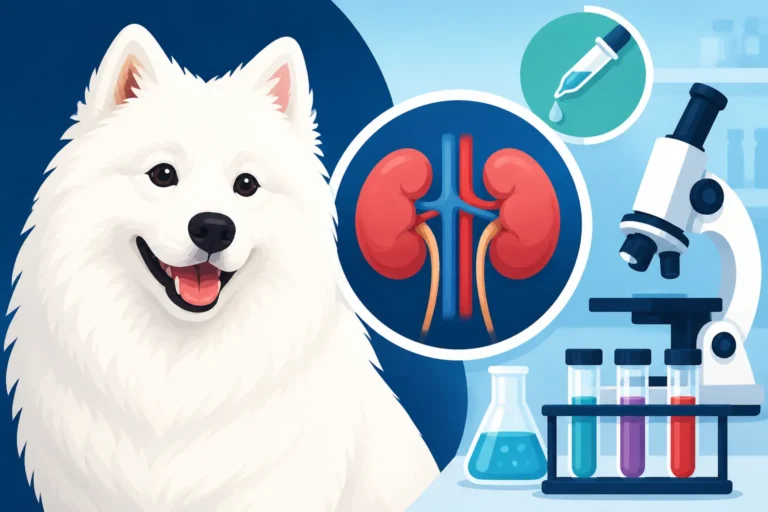
Let's get a little scientific for a moment, but I promise to keep it grounded in what matters for our furry friends. Samoyed Hereditary Glomerulopathy is a genetic disorder, specifically an X-linked inherited condition. This means it's passed down through the X chromosome, making it far more severe and rapidly progressive in males. The core of the problem lies in a defective gene (COL4A5) responsible for producing a specific type of collagen, Type IV collagen. This collagen is absolutely vital for the structural integrity of the glomeruli – tiny, intricate filtering units within the kidneys. Think of the glomeruli as super-fine sieves that meticulously filter waste products from the blood while keeping essential proteins, like albumin, where they belong in the bloodstream.
When this collagen is faulty, these delicate filters become leaky. Instead of retaining crucial proteins, they start letting them escape into the urine. Initially, this protein loss might be silent, but it's a relentless process. If you want to dive deeper into the specifics, understanding Why Collagen Failure Destroys a Samoyed's Kidney can really help clarify the mechanics. The kidneys, marvelous organs that they are, perform a host of critical functions beyond just filtration. They regulate blood pressure, produce hormones, help create red blood cells, and maintain the delicate balance of electrolytes and fluids in the body. When they fail, it's not just a filtration problem; it's a systemic breakdown.
How SHG Progresses in Affected Samoyeds
The progression of SHG is what makes it so heart-wrenching. In male Samoyeds, signs often begin to appear alarmingly early, sometimes as young as 3 to 6 months of age. The earliest, and often the most crucial, indicator is that leakage of protein into the urine, a condition called proteinuria. You might not see visible symptoms at this stage, which is why early and regular urine testing is so critical. For more on this, check out Why a Samoyed's Urine Should Be Tested Young. As the disease advances, the damage to the glomeruli worsens, leading to increased protein loss and a gradual decline in overall kidney function.
Affected males typically progress to severe kidney failure and pass away before reaching 15 months of age. This rapid and often devastating trajectory is what makes SHG so different from other forms of chronic kidney disease, which might progress over many years. The condition, sadly, is known as The Kidney Disease That Kills Samoyed Males Before Fifteen Months. Initially, your Samoyed might just seem a little "off" – perhaps slightly less energetic, or drinking a bit more water. As the disease truly takes hold, you'll start noticing more obvious symptoms like increased thirst and urination, decreased appetite, weight loss, lethargy, and even vomiting. The body's inability to properly filter toxins means they build up in the bloodstream, leading to a general feeling of malaise. It’s important to know the Signs a Samoyed Is Losing Protein in Its Urine so you can be proactive.
The emotional toll on owners witnessing How Fast a Samoyed Male Declines is immense. It's a rapid, unfair race against time, and finding ways to support them, even if it's just for comfort, becomes paramount.
The Role of a Renal Diet in Kidney Disease Management
When kidney disease strikes, one of the primary interventions veterinarians recommend is a change in diet. This isn't just about feeding them something different; it's a carefully formulated approach designed to support compromised kidneys and potentially slow the progression of the disease.
Key Components of a Kidney-Friendly Diet
A truly kidney-friendly or renal diet for dogs isn't a "one-size-fits-all" solution you can pick up off any shelf. These are typically prescription diets, precisely balanced to specific nutritional goals. Here's a breakdown of the key components and why they matter:
- Restricted but High-Quality Protein: This is often the most misunderstood aspect. The goal isn't to remove protein entirely, but to provide just enough high-quality protein to meet the dog's needs without creating an excessive workload for the kidneys. High-quality protein means it's highly digestible, so less waste product (like urea) is generated. Excessive protein, especially lower-quality protein, produces more nitrogenous waste that the struggling kidneys have to filter, accelerating damage.
- Restricted Phosphorus: This is arguably the most critical dietary modification for kidney disease. Damaged kidneys struggle to excrete phosphorus, leading to high levels in the blood (hyperphosphatemia). This imbalance can cause severe secondary issues, including bone demineralization, calcification of soft tissues (including kidney tissue), and contribute to lethargy and nausea. Limiting phosphorus intake is crucial for slowing disease progression and improving quality of life.
- Controlled Sodium: While not as aggressively restricted as phosphorus, controlling sodium intake helps manage blood pressure and fluid retention, both of which can be issues with kidney disease. High sodium can worsen hypertension, putting more strain on the kidneys.
- Increased Omega-3 Fatty Acids: These "good fats" found in fish oil (like EPA and DHA) have anti-inflammatory properties. Inflammation plays a role in kidney damage, so supplementing with Omega-3s can help reduce inflammation within the kidneys and potentially improve blood flow.
- Increased B Vitamins: Dogs with kidney disease often lose water-soluble B vitamins through increased urination. Supplementing these can help address deficiencies that might lead to anemia or lack of energy.
- Higher Caloric Density (from fats and carbohydrates): With restricted protein, it's vital to ensure the dog is still getting enough calories to prevent muscle wasting and maintain a healthy weight. This means increasing healthy fats and complex carbohydrates.
How a Renal Diet Aims to Support Failing Kidneys
The underlying principle of a renal diet is to reduce the workload on the kidneys while still providing complete and balanced nutrition for your Samoyed. By carefully controlling protein and phosphorus, these diets aim to:
- Reduce Nitrogenous Waste: Less protein in the diet means less urea and other nitrogenous byproducts for the kidneys to filter. This directly lessens the burden on the already compromised filtering units, theoretically slowing down further damage.
- Minimize Phosphorus Buildup: As mentioned, phosphorus control is paramount. By limiting dietary phosphorus, the diet helps prevent the harmful effects of hyperphosphatemia, protecting against further kidney and systemic damage.
- Manage Blood Pressure: The controlled sodium content can help keep blood pressure in check, which is vital because high blood pressure can further harm delicate kidney tissues.
- Counteract Inflammation: The addition of Omega-3 fatty acids helps to combat the chronic inflammation that often accompanies kidney disease, potentially preserving remaining kidney function.
- Support Overall Well-being: By providing appropriate calorie levels and supplementing B vitamins, a renal diet aims to maintain body condition, energy levels, and overall comfort, even as kidney function declines.
It's crucial to understand that a renal diet is a supportive therapy. It's designed to manage the symptoms and progression of kidney disease, not to cure it. For a condition like SHG, where the underlying structural defect is so profound, the expectations for diet alone need to be carefully managed.
Does a Renal Diet Actually Extend Life for Samoyeds with SHG?
This is the million-dollar question for any Samoyed owner facing SHG. The emotional weight of this diagnosis makes us desperate for any shred of hope that our dogs can defy the odds.
Scientific Evidence and Expert Opinion
For many forms of chronic kidney disease (CKD) in dogs, particularly those that are age-related or slower-progressing, prescription renal diets have been scientifically proven to extend lifespan and improve quality of life. Studies have shown that dogs on renal diets can live significantly longer and have fewer uremic crises compared to those on maintenance diets. This is because these diets effectively manage the metabolic imbalances that contribute to CKD progression.
However, Samoyed Hereditary Glomerulopathy is a different beast. It’s not simply "ordinary kidney failure" that develops later in life. This is a severe, genetically driven structural defect in the collagen of the kidney's filtering units. The damage is inherent and rapidly progressive, particularly in males. While a renal diet can help manage the symptoms—reducing the buildup of toxins, controlling phosphorus levels, and supporting remaining kidney function—it cannot fix the underlying collagen defect that causes the kidneys to fail.
Veterinary nephrologists often recommend a renal diet as part of a comprehensive management strategy for SHG, but with realistic expectations. The goal shifts more towards improving the dog's quality of life and comfort for the time they have, rather than a significant extension of life in the face of such aggressive disease. Other treatments, such as ACE inhibitors (like enalapril or benazepril) which help reduce protein loss in the urine, are often prescribed concurrently. For more on this, you might look into Whether an ACE Inhibitor Slows a Samoyed's Kidney Loss. While these medications and diet can offer some symptomatic relief and potentially a slight slowing of progression, the aggressive nature of SHG means that the overall prognosis for male Samoyeds remains guarded, and a dramatic extension of life purely from diet is uncommon.
Practical Considerations and Limitations
Even with the best intentions, implementing a renal diet for a Samoyed with SHG comes with its own set of practical challenges:
- Palatability Issues: Prescription renal diets are often not as palatable as regular dog food because of their altered protein and fat content. Samoyeds, with their sometimes discerning palates, can be notoriously picky eaters. A dog with kidney disease often feels nauseous and has a reduced appetite, making it even harder to convince them to eat a novel, less appealing diet. This can lead to frustration for owners, who just want their dog to eat something.
- Cost and Availability: Renal diets are prescription-only and can be significantly more expensive than regular dog food. They are typically available through your veterinarian or approved online pharmacies. This added cost, alongside other veterinary care, can quickly add up. Understanding What Treating an Affected Samoyed Male Costs Before He Dies is important for preparing for these financial realities.
- Holistic Management: A renal diet is never a standalone solution. It must be integrated with other treatments, such as medications (ACE inhibitors, phosphorus binders, anti-nausea drugs), fluid therapy, and regular monitoring of blood and urine values. This requires frequent veterinary visits and a dedicated commitment from the owner.
- Disease Aggression: The fundamental limitation for SHG specifically is the sheer aggression of the disease. While a renal diet can help reduce the burden on kidneys, the relentless nature of collagen degradation means that, particularly in males, the kidneys simply fail too rapidly for the diet to have a profound impact on overall lifespan. It's akin to trying to hold back a tsunami with a sandcastle; you can manage some of the immediate impact, but the underlying force is overwhelming.
Integrating a Renal Diet into a Samoyed's Care Plan
If your Samoyed has been diagnosed with SHG, or any form of kidney disease, incorporating a renal diet is a significant step in their care. It's not a decision to be taken lightly or implemented without professional guidance.
Working with Your Veterinarian and a Veterinary Nutritionist
The absolute first step is a thorough diagnosis and discussion with your veterinarian. They will confirm the kidney disease stage and discuss appropriate treatment protocols. Given the complexity of kidney disease and nutrition, working with a board-certified veterinary nutritionist can be incredibly beneficial. They can help:
- Formulate a Tailored Plan: While commercial prescription renal diets are available, a nutritionist can help create a custom diet plan that might be more palatable or better suited to your Samoyed's specific needs, especially if they have other health conditions.
- Guide the Transition: Switching to a new diet can be tricky. Your vet or nutritionist can provide strategies for a slow, gradual transition to minimize digestive upset and encourage acceptance. This might involve mixing small amounts of the new food with the old, or even adding palatable toppers approved by your vet.
- Monitor Progress: Regular follow-up appointments, including bloodwork (to check kidney values like BUN, creatinine, and phosphorus) and urine tests (to monitor protein loss and specific gravity), are essential. These tests help your veterinary team assess how well the diet and other treatments are working and make any necessary adjustments. You'll likely be asked to do Whether a Samoyed Needs Yearly Kidney Bloodwork as part of routine preventative care, but with kidney disease, this frequency increases dramatically.
Table: Comparison of Typical Adult Dog Food vs. Prescription Renal Diet
| Feature | Typical Adult Dog Food | Prescription Renal Diet | Purpose in Renal Diet |
|---|---|---|---|
| Protein Level | Moderate to High (20-30% on a dry matter basis) | Restricted (12-18% on a dry matter basis) | Reduce nitrogenous waste, decrease kidney workload |
| Protein Quality | Varies, can include less digestible sources | High quality, highly digestible | Minimize waste products, provide essential amino acids |
| Phosphorus Level | Moderate to High (0.8-1.5% on a dry matter basis) | Significantly Restricted (0.2-0.5% on a dry matter basis) | Prevent hyperphosphatemia, slow disease progression |
| Sodium Level | Moderate (0.25-0.5% on a dry matter basis) | Controlled/Reduced (0.15-0.3% on a dry matter basis) | Manage blood pressure, reduce fluid retention |
| Omega-3 Fatty Acids | Variable, often low unless specifically added | Increased | Reduce inflammation, improve kidney blood flow |
| B Vitamins | Adequate for healthy dogs | Increased | Replace vitamins lost through increased urination |
| Calorie Source | Balanced protein, fat, carbs | Higher fat and carbohydrate content | Ensure adequate calorie intake with less protein |
Beyond Diet: Holistic Support for an Affected Samoyed
Caring for a Samoyed with SHG extends far beyond just feeding them a special diet. It requires a holistic approach focused on comfort, dignity, and maximizing their quality of life for as long as possible.
- Hydration is Key: Encourage water intake. Ensure fresh water is always available in multiple locations. Some dogs benefit from filtered water, or even a pet fountain to encourage drinking. In later stages, subcutaneous fluids administered at home can provide vital hydration and help flush toxins.
- Managing Nausea and Appetite: Kidney disease often causes nausea, which further reduces appetite. Your vet can prescribe anti-nausea medications or appetite stimulants to help your Samoyed feel more comfortable and encourage eating. Offering small, frequent meals can also be more appealing than one or two large ones.
- Pain Management: While SHG itself isn't typically painful, the secondary effects of kidney disease can cause discomfort. Your vet can help identify and manage any pain your Samoyed might be experiencing.
- Environmental Comfort: Ensure your Samoyed has a comfortable, quiet place to rest. Minimize stress and maintain a consistent routine. For an owner, this is about Caring for a Samoyed Past Nine, even if the reality of SHG means they won't reach that age. The principles of comfort and care remain the same.
- Emotional Support: This journey is tough on both you and your Samoyed. Shower them with love, give them gentle attention, and cherish every moment. Allow them to still enjoy their favorite gentle activities, within reason.
- Proactive Planning: While we hope for the best, it's wise to plan for the long-term realities. This includes financial planning for ongoing vet care, medications, and specialized food. While a hereditary condition like SHG might not be covered if diagnosed before insurance enrollment, a good plan from a provider like Healthy Paws can be invaluable for unexpected illnesses or accidents that might occur down the road, ensuring you can focus on care rather than cost. Furthermore, if you're considering a Samoyed puppy, always ask about The COL4A5 Test Every Samoyed Buyer Should Ask About to help prevent this heartbreaking situation in the first place. You can learn more about What Samoyed Hereditary Glomerulopathy Does to the Kidneys and why early testing is paramount for the breed.
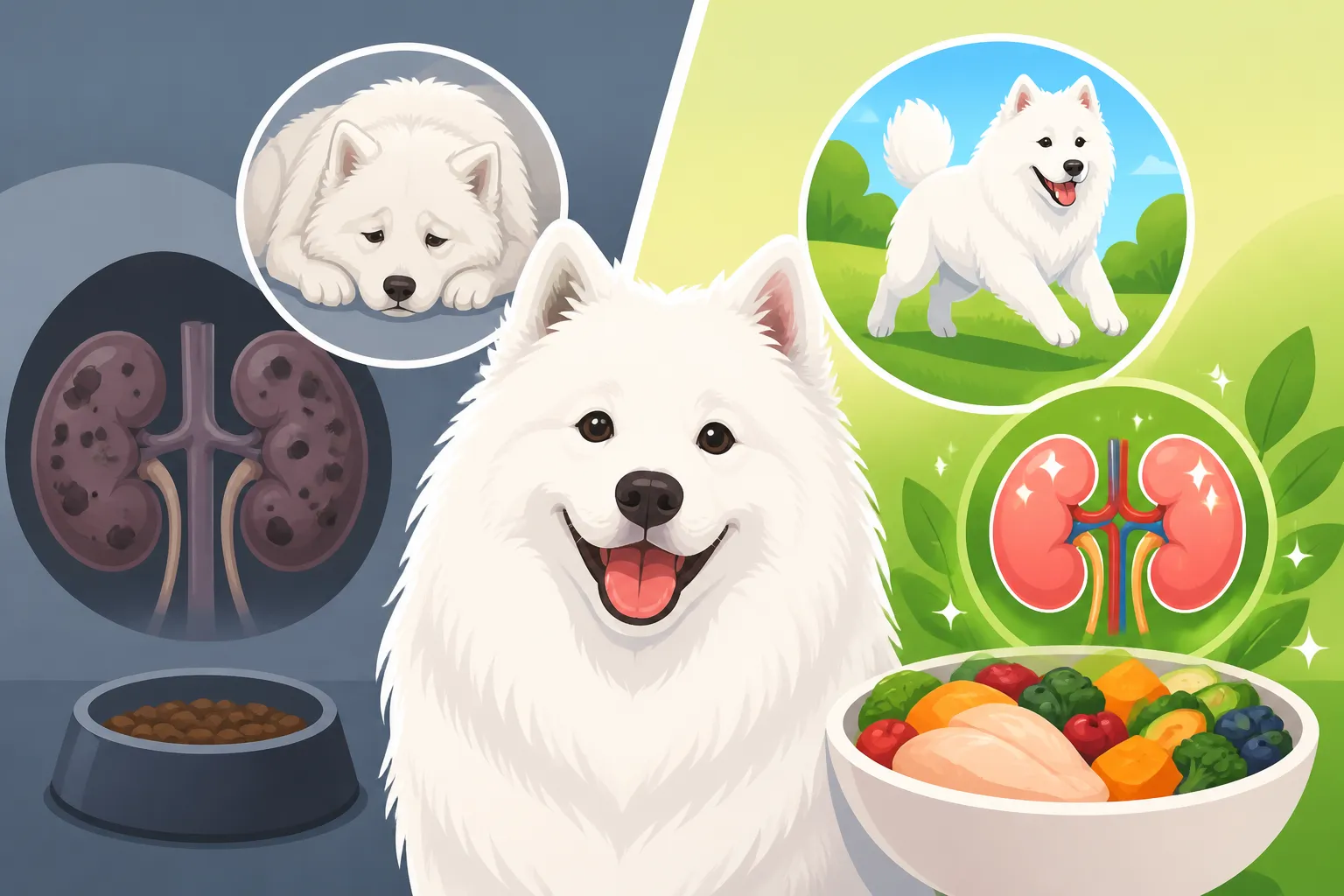
Ultimately, a renal diet, combined with other treatments, provides invaluable support to a Samoyed battling SHG. While it may not dramatically extend their life due to the aggressive nature of the disease, it plays a crucial role in managing symptoms, improving comfort, and giving your beloved companion the best possible quality of life during the time you have together.
Disclaimer
This article is for general informational purposes only and does not constitute professional advice. Laws, prices and regulations vary by location and change over time. Consult a qualified professional for guidance on your specific situation.