Whether a Samoyed’s Coat Really Keeps It Cool
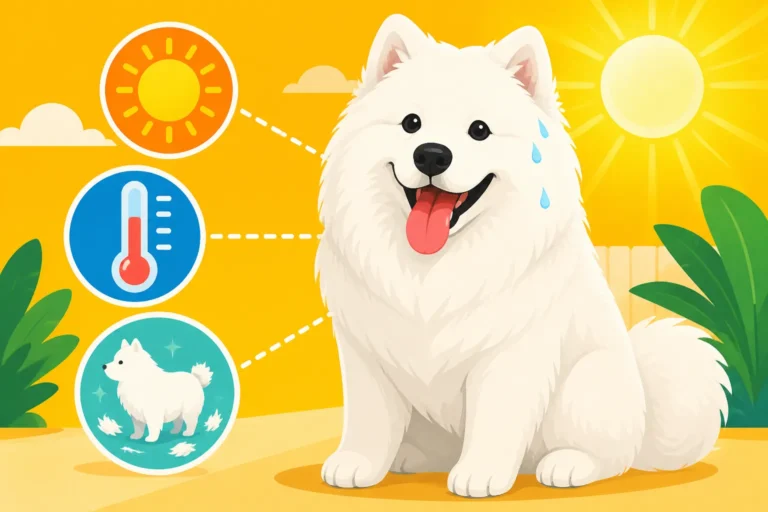
It’s a common sight during the warmer months: a beautiful, fluffy Samoyed panting away, and a well-meaning but misinformed owner wondering if shaving that magnificent coat would make them more comfortable. This is a profound misunderstanding of how a Samoyed’s unique double coat actually functions, leading many to accidentally make their beloved companion less comfortable and even put them at risk. This guide will dive deep into the incredible engineering of the Samoyed's fur, explaining exactly how it works to regulate their temperature, and offering practical, realistic advice on how to keep your Sammy cool and happy without resorting to harmful shortcuts.
The Science Behind the Samoyed's Double Coat and Its Arctic Design
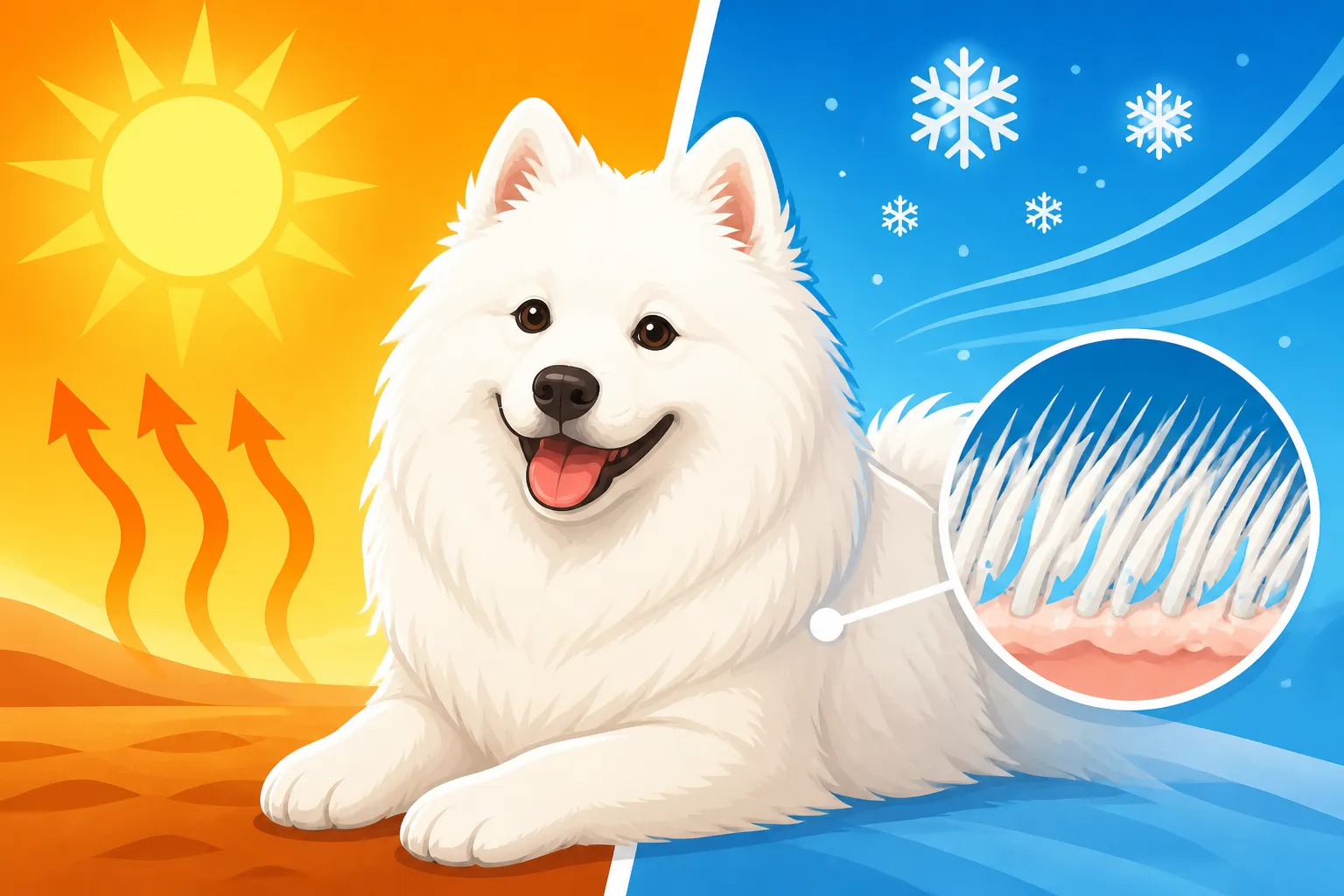
When you look at a Samoyed, the first thing you notice is that luxurious, snow-white fur. It looks thick, warm, and utterly delightful for snuggling. But don't let its appearance fool you into thinking it's only designed for bitter Arctic winters. The Samoyed's coat is a marvel of natural insulation, a sophisticated system perfected over centuries in the harsh Siberian environment, designed to protect them from both extreme cold and, perhaps surprisingly, significant heat. It’s not just fur; it's an advanced climate control system, woven directly onto their skin.
Guard Hairs: The Outer Layer of Protection
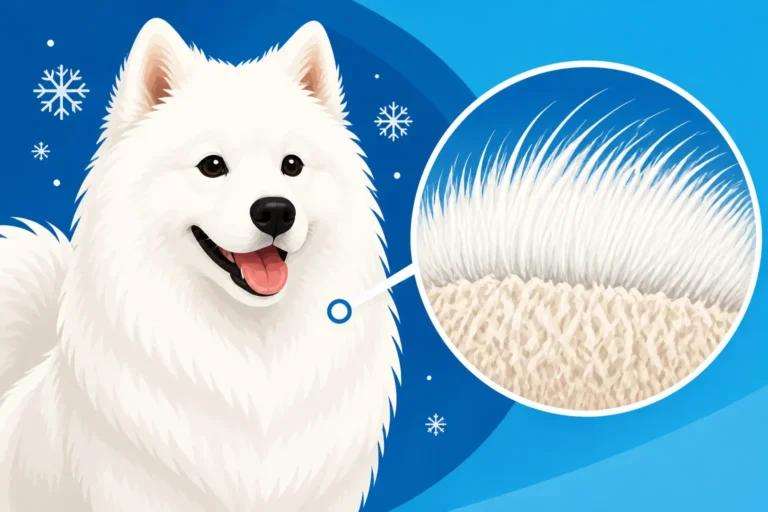
The outermost layer of a Samoyed's coat consists of long, coarse, and incredibly resilient guard hairs. These are the hairs that give the Samoyed its pristine white appearance and that characteristic 'sparkle' in the sunlight. You might think they're just for show, but they have a crucial job to do, especially when it comes to warmer weather.
Think of these guard hairs as the outer shell of a high-tech winter jacket, or better yet, a reflective sun shield. Their texture is slightly stiff, which helps them stand away from the body, creating a natural air pocket. This space is vital for thermal regulation. But more than that, these hairs are designed to be water-repellent, shedding rain and snow to keep the dog dry right down to the skin. In the summer, this means they help prevent moisture from soaking through and weighing down the coat, which can be a huge factor in overheating. Crucially, their light color is not just beautiful; it's functional. White reflects sunlight, pushing away those scorching UV rays before they can penetrate to the skin and heat the body. Removing these guard hairs, even partially, instantly compromises this natural sun protection, leaving the underlying skin vulnerable to sunburn, just like our own skin without sunscreen.
The Undercoat: Nature's Thermostat
Beneath those protective guard hairs lies the true secret to the Samoyed's temperature regulation: the dense, soft, woolly undercoat. This isn't just a fluffy layer; it's a meticulously crafted thermal barrier. Imagine millions of tiny, crimped fibers working together to create an incredibly effective air trap. This trapped air is the key to insulation.
When it's cold, this layer traps warm air close to the body, preventing heat loss and keeping the Samoyed toasty. But here's the brilliant part: when it's warm, this same mechanism works in reverse. The trapped air acts as a buffer against external heat. It prevents the warmer outside air from reaching the skin directly, much like the insulation in your house keeps the heat out in summer. This is often misunderstood by owners who believe the thickness must make the dog hotter. In reality, a properly maintained undercoat allows a thin layer of air to circulate near the skin, actually cooling the dog. This is why a Samoyed will often lie in a cool spot, allowing the air to move through their coat and carry away excess heat. To really dig into this, you might find Whether a Samoyed's Undercoat Traps Air a fascinating read, as it details this exact process. Without this undercoat, there's no air barrier, and the dog's skin is directly exposed to the ambient temperature, making them much more susceptible to overheating.
Debunking the Shaving Myth: Why It Makes Things Worse
It’s a heartbreakingly common scenario: you see your Samoyed panting on a warm day, looking a little uncomfortable, and your first thought might be, "They must be hot in all that fur! I should shave them to cool them down." While the intention is pure, the action itself can be incredibly detrimental to your dog's health and well-being. Shaving a Samoyed is one of the biggest mistakes an owner can make, and it completely undermines the natural cooling system their coat provides. In essence, you're taking away their best defense against the heat.
The Loss of Natural Insulation
When you shave a Samoyed, you're not just trimming hair; you're destroying the intricate double-coat system that has evolved over thousands of years to protect them. You remove both the reflective guard hairs and the insulating undercoat. This leaves their skin directly exposed to the elements.
Imagine trying to stay cool in the desert without clothes. You'd get sunburned, and the direct sun would make you feel even hotter. It's similar for a shaved Samoyed. The guard hairs are like a natural sun umbrella, reflecting harsh UV rays. Without them, the sun beats directly on their pale skin, causing it to absorb heat rather than reflect it. Simultaneously, you've removed the undercoat, which, as we discussed, traps air to create a thermal barrier. When that barrier is gone, there's nothing to stop the outside heat from directly warming their body. This loss of natural insulation means the dog's body has to work harder to cool itself, increasing the risk of overheating and heatstroke. It's a cruel irony that the very act intended to cool them down actually makes them hotter and more vulnerable. We've talked extensively about this before in Why Shaving a Samoyed Makes the Heat Worse, and it's a topic that really can't be stressed enough.
Risks of Sunburn and Skin Issues
Beyond making them hotter, shaving a Samoyed introduces a host of other serious problems. Their skin, accustomed to being protected by a dense coat, is not equipped to handle direct sun exposure.
One of the most immediate and painful risks is sunburn. Samoyed skin is typically pink and highly susceptible to UV damage, just like fair human skin. Sunburn isn't just uncomfortable; it can lead to peeling, infections, and even increase the risk of skin cancer over time. Think about trying to slather sunscreen on a dog every few hours – it's just not practical or safe. Furthermore, the shaved coat can often grow back incorrectly. The delicate balance between guard hairs and undercoat is disrupted. Sometimes, the undercoat grows back thicker and coarser, while the guard hairs may not grow back at all, or only sparsely. This condition, often called "clipper alopecia," can leave patches of dull, matted fur, or permanent bald spots. It can also make future grooming much more difficult, as the texture of the coat is fundamentally altered. Once shaved, it can take years for a Samoyed's coat to potentially return to its original glory, and sometimes, it never fully recovers. This permanent damage makes the dog even less able to regulate its temperature effectively in the future. If you're curious about what happens next, take a look at Whether a Samoyed's Coat Grows Back After a Shave for more details on this challenging recovery process.
Practical Strategies for Keeping a Samoyed Comfortable in Warm Weather
Since shaving is off the table, what can you do to help your glorious Samoyed stay comfortable when the temperatures rise? A lot, actually! It’s all about working with their coat, not against it, and making smart environmental adjustments. Being a responsible Samoyed owner means understanding their needs and adapting your routine to suit their natural defenses.
Strategic Grooming and Maintenance
The key to your Samoyed's natural cooling system working efficiently is a well-maintained, healthy coat. This means regular and thorough grooming, especially when they are "blowing coat," which they typically do twice a year, though some shed year-round.
First and foremost, invest in good quality grooming tools. A slicker brush, a wide-toothed comb, and an undercoat rake are your best friends. These tools, readily available on sites like Amazon or Chewy, are designed to penetrate that dense undercoat and remove dead, loose fur. Regularly brushing your Samoyed, ideally several times a week, especially during heavy shedding periods, is paramount. This process removes the old, shed undercoat that would otherwise become trapped and compact, creating a dense, mat-like barrier that actually prevents air circulation. When the dead undercoat is removed, it allows fresh air to flow closer to the skin, helping your Samoyed dissipate heat more effectively.
If your Samoyed is blowing coat heavily, or if you're struggling to keep up with the shedding, consider a professional deshedding treatment. Groomers use specialized techniques and high-velocity dryers to remove an incredible amount of loose fur, truly opening up the coat for better airflow. While this comes with a cost, it's an investment in your dog's comfort and health. You can learn more about the specifics of this routine in How Often a Samoyed Needs Brushing and get an idea of the expense in What a Deshedding Treatment Costs on a Samoyed. A force dryer, like those you can find on Amazon, is also an excellent tool for home groomers to help blast out that loose undercoat after a bath, ensuring the coat is completely dry and aerated.
Environmental Adjustments and Cooling Aids
Beyond grooming, creating a cool environment is crucial. This often involves a multi-pronged approach to maximize comfort.
- Shade and Water: This seems obvious, but it's the absolute foundation. Ensure your Samoyed always has access to plenty of fresh, cool water, refreshing it often. Providing ample shade in your yard is non-negotiable. If you don't have natural shade from trees, invest in a good quality shade sail or canopy. Never leave your Samoyed outside in direct sun during the hottest parts of the day. For a complete guide on this, check out Water, Shade and the Summer Plan for a Samoyed.
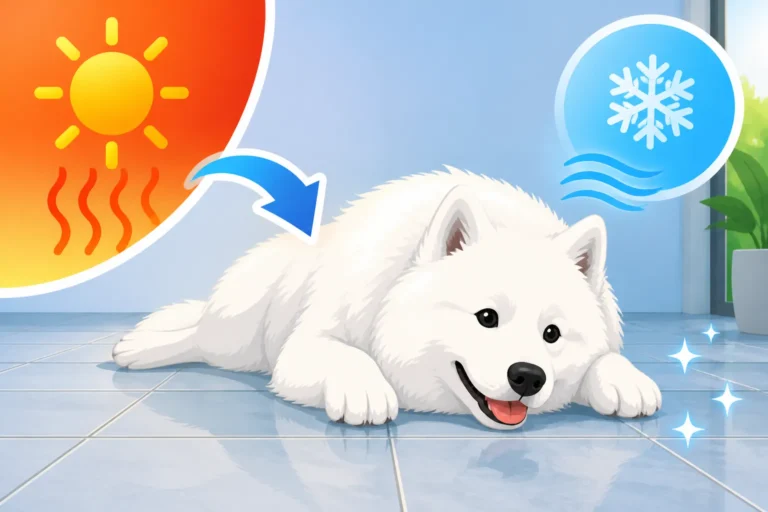
- Cool Surfaces: Samoyeds instinctively seek out cool surfaces. If you have tile or concrete floors inside, they will gravitate towards these. Consider purchasing a cooling mat, readily available from retailers like Chewy or Amazon. These mats often contain gel that activates with pressure, providing a cool spot for your dog to lie on. They can make a huge difference, and you can see more in Whether a Cooling Mat Helps a Samoyed.
- Air Conditioning and Fans: For many Samoyed owners, air conditioning is not a luxury, but a necessity during hot spells. Keeping your home at a comfortable temperature is essential. Fans can also help circulate air and create a cooling breeze, especially if placed strategically in areas where your Samoyed likes to rest. We dive deeper into this topic in Whether a Samoyed Needs Air Conditioning.
- Kiddie Pools: A shallow plastic kiddie pool filled with a few inches of water can be a fantastic way for your Samoyed to cool off. Many Samoyeds love to splash and wade, cooling their paws and bellies without getting their entire thick coat drenched (which can lead to skin issues if not dried properly). Always supervise them during water play.
Exercise Safely in the Heat
Your Samoyed still needs exercise, even in warmer weather, but timing and intensity are everything. Ignoring these factors can quickly lead to dangerous overheating.
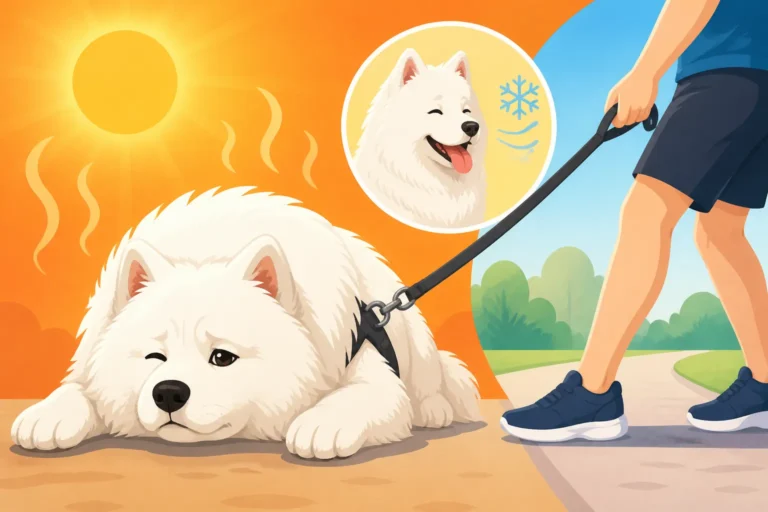
- Timing is Key: Restrict walks and strenuous play to the coolest parts of the day: early morning, before the sun gets too high, and late evening, after the pavement has cooled down. Avoid midday walks completely, even if it feels "not too hot" to you. The ground can absorb and radiate heat much more intensely than the air temperature suggests.
- Pavement Check: Always check the pavement temperature with your hand before walking your dog. If it's too hot for your bare hand, it's too hot for their paws. Hot pavement can cause painful burns and rapidly transfer heat to their body.
- Watch for Overheating Signs: Learn the signs of overheating, which include excessive panting, drooling, lethargy, bright red gums, and stumbling. If you notice any of these, stop immediately, get your dog to a cool, shaded area, offer water, and consider cooling them down with cool (not ice cold) water on their paws, belly, and inner thighs. Knowing Signs a Samoyed Is in Heat Distress is critical.
- Limit Duration and Intensity: Even in cooler parts of the day, keep exercise sessions shorter and less intense than you would in winter. A leisurely stroll is far safer than a vigorous jog. Remember, their magnificent coat means they have a harder time shedding heat than short-coated breeds, even with optimal care. Understanding limits, such as How Long a Samoyed Can Be Outside at Ninety Degrees, is important for their safety.
Understanding the Samoyed's Needs in Different Climates
While a Samoyed's coat is a marvel, its effectiveness can be severely tested by modern climates, particularly those far removed from their Arctic origins. Recognizing the challenges and being proactive is part of responsible Samoyed ownership.
Adapting to Southern Climates
Let's be real: a Samoyed in a consistently hot and humid climate, like many parts of Florida or Texas, faces a significant uphill battle. It's not impossible to keep them comfortable, but it requires an extraordinary level of dedication and lifestyle adaptation. It's not just about a few hot days; it's about months of relentless heat.
In such environments, an air-conditioned indoor living space isn't just a suggestion; it's a non-negotiable requirement. These dogs simply cannot thrive, or even survive safely, if left outdoors for extended periods in summer heat. Owners must be vigilant about monitoring their dog for any signs of heat stress, even indoors if the AC struggles to keep up. Walks must be relegated to the absolute earliest morning hours or after dusk. Many owners in these regions find themselves planning their entire day around their dog's comfort, which often means very limited outdoor time. Considerations like Whether a Samoyed Should Live in Florida or Texas are serious questions for anyone contemplating getting this breed in a warm climate. It's a commitment that goes far beyond typical dog ownership.
The Reality of "Warm" Seasons Everywhere
Even if you live in a state known for its colder winters, climate change means that heat waves are becoming more common and intense everywhere. So, even if you’re in, say, Minnesota or New England, your Samoyed will still experience significant periods of warm weather that require careful management.
The core message remains consistent: your Samoyed's coat is a fantastic insulator, but it's not magic. It needs your help to do its job. A well-groomed coat that allows air circulation, a constant supply of fresh water, ample shade, access to cool indoor spaces, and smart exercise routines are universal requirements for Samoyed owners. It's about being proactive and understanding that their natural defenses are remarkable, but they have limits, and it's our job as their guardians to ensure those limits are respected. Their happy "Sammy smile" can sometimes hide discomfort, so staying attentive to their behavior is crucial.
In conclusion, the answer to "Does a Samoyed's coat really keep it cool?" is a resounding yes, but with the critical caveat that proper grooming and environmental management are essential. Their double coat is an evolutionary masterpiece, designed to be a highly effective thermal regulator against both cold and heat. Shaving this coat is detrimental, stripping them of their natural defenses and increasing their risk of overheating and skin damage. Instead, embrace proactive grooming, provide a cool environment, and adjust exercise routines. By understanding and respecting the incredible design of their fur, you can ensure your Samoyed remains comfortable and healthy, radiating their characteristic joy, even when the mercury rises.
Disclaimer
This article is for general informational purposes only and does not constitute professional advice. Laws, prices and regulations vary by location and change over time. Consult a qualified professional for guidance on your specific situation.