Whether a Samoyed’s Coat Yellows in the Sun
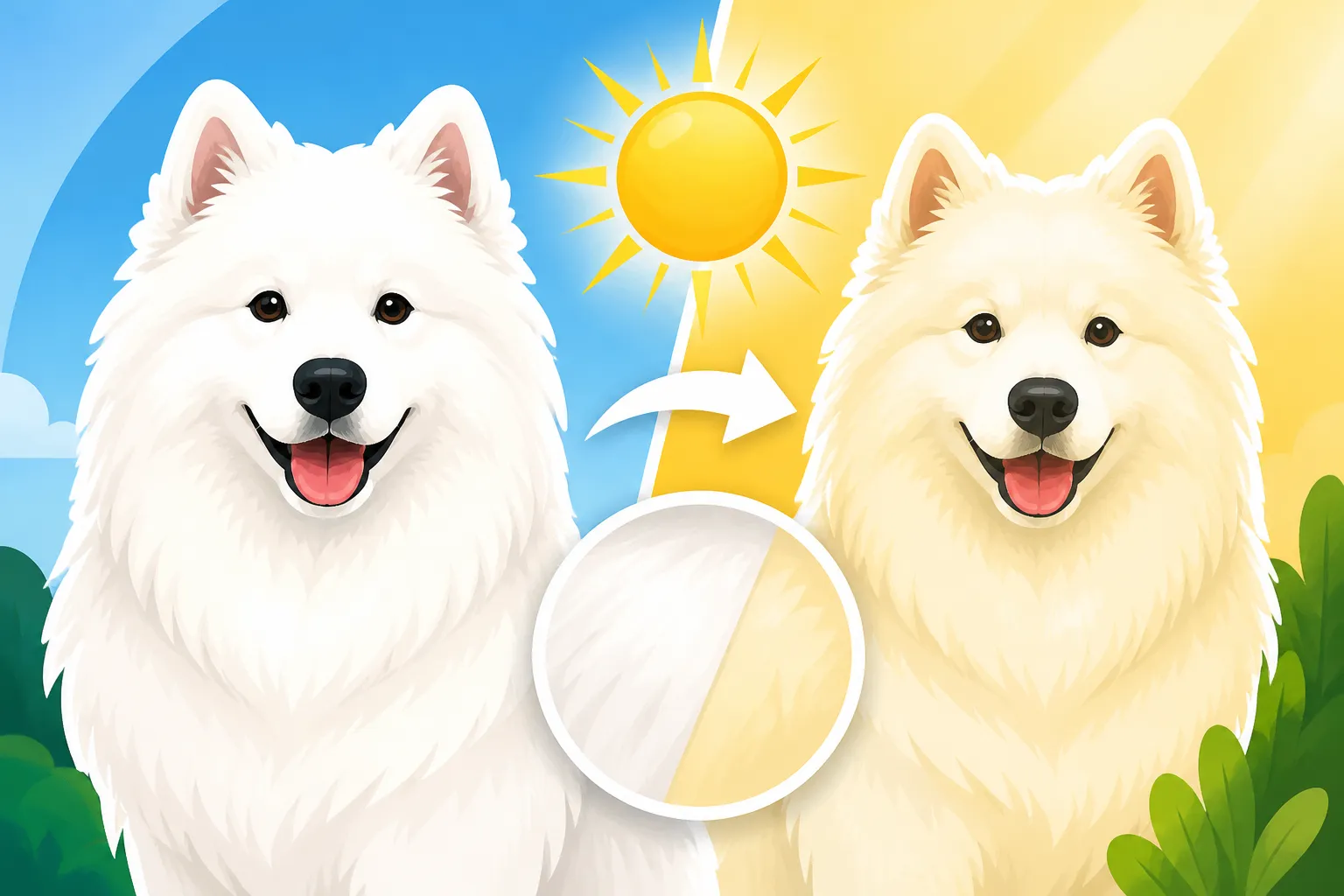
It's a common worry for Samoyed owners, isn't it? You cherish that pristine, snow-white coat, and then you start noticing a subtle, unwelcome yellowing. It makes you wonder if all those joyful hours spent frolicking in the park, soaking up the sun, are secretly bleaching or staining that beautiful fur. This guide dives deep into whether the sun is truly the culprit for a Samoyed's coat turning yellow and, more importantly, what you can actually do about it to keep your fluffy companion looking their absolute best.
The Marvel of the Samoyed's White Coat: Built for Extremes
When you look at a Samoyed, you're not just seeing a beautiful dog; you're seeing centuries of natural selection and intentional breeding by the Nenets people of Siberia. Their coat is a masterpiece of natural engineering, designed to withstand unimaginable cold and, surprisingly, to protect them from heat and sun. Understanding this inherent design helps us appreciate why yellowing shouldn't be a primary characteristic of a healthy Samoyed's coat.
The Double Coat's Natural Protection System
Every Samoyed boasts a magnificent double coat, and this is truly their superpower. It's composed of two distinct layers, each with a crucial role to play:
-
The Outer Guard Hairs: These are long, coarse, and straight hairs that form the visible topcoat. They are naturally resistant to dirt, water, and indeed, sunlight. Think of them as tiny, individual awnings that deflect environmental elements. Their structure means that dirt and debris often just sit on the surface, making it incredibly easy for them to "shed dirt" once dry. These guard hairs also provide a physical barrier against UV rays, much like a natural sunscreen. They're not just for show; they're the first line of defense, ensuring that the sun's harsh glare doesn't directly hit the skin or the delicate undercoat beneath. This outer layer is what gives the Samoyed its characteristic shimmer and pristine appearance, reflecting light rather than absorbing it, which also helps keep them cool. You can learn more about this incredible feature in A Samoyed's Coat Is Insulation, Not Decoration and Why a Samoyed's Coat Insulates Against Heat as Well as Cold.
-
The Dense Undercoat: Beneath those impressive guard hairs lies a thick, woolly, soft undercoat. This layer is all about insulation. In winter, it traps warm air close to the body, and in summer, it helps circulate air and prevent overheating by trapping cool air. While not directly exposed to the sun in the same way the guard hairs are, the undercoat is protected by them. This combination creates an incredibly efficient system that keeps the Samoyed comfortable and their coat largely protected from the elements, including excessive sun exposure that might otherwise lead to discoloration in less well-equipped breeds. This dense layer also plays a role in why certain stains might cling more readily if they manage to penetrate the guard hairs, creating a deeper, sometimes yellow-tinged appearance.
Pigmentation and Genetics: More Than Just White
It might seem like all Samoyeds are pure white, but if you look closely, especially in certain lighting, you'll notice subtle variations. The breed standard allows for white, cream, or biscuit colors.
-
White is Predominant: The ideal Samoyed coat is a dazzling white, and genetically, they are predisposed to produce very little pigment in their fur. This lack of pigment is what makes them white in the first place, rather than, say, a golden retriever. True sun bleaching implies a breakdown of existing pigment, but since Samoyeds have so little, it's not the same effect you'd see on a deeply pigmented black or brown coat fading to red. Instead, the concern for Samoyeds is often about staining or deposits on the coat, rather than the sun actively removing or changing the chemical structure of the white hair itself.
-
The Biscuit and Cream Nuances: Many Samoyeds carry genes for "biscuit" markings, which are subtle, light tan or cream patches, often appearing on the ears, back, or along the topline. These are perfectly natural and part of the breed's heritage. The sun won't "turn" a white Samoyed biscuit; rather, if your Samoyed has biscuit markings, the sun might make them appear more prominent due to the contrast, or it might slightly deepen the existing natural pigment over time. It's crucial to distinguish between natural color variations and actual damage or staining. A healthy Samoyed with its genetic predisposition for a white to cream coat will largely maintain its intended hue, thanks to that incredible double coat acting as a barrier. So, if you're seeing true yellowing, it's often something on the coat, not a change of the coat's pigment itself.
What Causes Samoyed Coats to Appear Yellow? (It's Not Always the Sun!)
While the sun might get a bad rap, it's usually not the primary culprit for a Samoyed's coat yellowing. More often, it's a combination of environmental factors, diet, and even underlying health issues that contribute to that unwanted yellowish tint. Owners frequently mistake these external factors for sun damage, leading to frustration and ineffective solutions.
Environmental Factors Mimicking Sun Damage
Think of your Samoyed's coat as a giant, beautiful, white sponge – it's going to show everything it comes into contact with!
-
Dirt, Grime, and Pollutants: This is by far the biggest offender. Whether it's the general urban grime in the air, dust, pollen from your garden, or simply the daily dirt from rolling around in the yard, these microscopic particles can settle into the fur. Over time, especially if not brushed out regularly, these can build up and create a dull, yellowish-brown cast. Imagine wearing a white shirt outside in a city all day; it won't be pristine white by evening. The same applies to your Samoyed! Even dry dirt, once it gets caught in that dense undercoat, can be hard to dislodge.
-
Urine and Tear Stains: This is particularly noticeable around the legs, belly, and face. If your Samoyed doesn't quite lift their leg high enough, or if a female squats in taller grass, urine can splash back onto their leg and belly fur. Urine contains compounds that, when exposed to air and light, can oxidize and cause a stubborn yellow or orange stain. Similarly, tear stains around the eyes, saliva stains from licking paws or chests, and even food residue around the mouth can lead to unsightly yellow or reddish-brown discoloration. These stains are very distinct from sun exposure and require targeted cleaning. Beard staining from food (Whether a Samoyed's Beard Stains From Food) is one aspect of this.
-
Chemical Exposure: Be mindful of what your Samoyed comes into contact with. Lawn treatments, certain pet-safe (or not-so-safe) cleaners used indoors, even chlorine from a swimming pool can potentially react with their coat or leave residues that alter its appearance. For instance, some flea and tick treatments applied topically can leave a greasy, yellowish residue on the fur. Even common household items like certain types of plastic bowls can sometimes contribute to beard staining.
-
Natural Oils: Believe it or not, your Samoyed's skin produces natural oils that keep their coat healthy and supple. While essential, an accumulation of these oils, especially in areas where the fur is thicker or less aerated, can sometimes lead to a slightly off-white or yellowish appearance. This is often more noticeable in areas like behind the ears or along the back. Regular grooming helps distribute these oils and prevent build-up, ensuring the coat remains vibrant and clean.
Dietary and Health Influences
Sometimes, the yellowing isn't external at all, but a symptom of something going on inside your Samoyed. A healthy coat is a reflection of overall health.
-
Poor Diet and Nutrition: A diet lacking in essential fatty acids, vitamins, and minerals can lead to a dull, dry, and potentially discolored coat. If your Samoyed isn't getting the right balance of nutrients, their coat might not produce the healthy, vibrant guard hairs that naturally repel dirt and maintain that bright white. Imagine trying to grow lush, strong hair on a poor diet; it just won't happen. A high-quality diet provides the building blocks for a healthy coat. Brands like Ollie, known for their fresh food options, prioritize nutrient-rich ingredients that can support overall coat health. While expensive, investing in quality food is key to maintaining a beautiful coat.
-
Skin Conditions and Allergies: Chronic skin irritation, allergies, or fungal/yeast infections can all contribute to coat discoloration. Yeast infections, for example, often manifest as reddish-brown staining, particularly between the paw pads or in skin folds, but can also affect larger areas of the coat, making it look dingy or yellowish. Excessive licking and scratching due to allergies can also lead to saliva staining and further irritation, perpetuating a cycle of discoloration. If you suspect a skin issue, a vet visit is essential to get to the root cause.
-
Underlying Health Issues: Less commonly, certain systemic health problems, particularly those affecting the liver or kidneys, can manifest in subtle changes to a dog's coat quality or color. For example, some conditions can cause excessive shedding, a greasy coat, or even a yellowish tinge to the skin and fur in severe cases. This is rare for simple yellowing, but if accompanied by other symptoms like lethargy, changes in appetite, or increased thirst, it's always worth a discussion with your veterinarian. This is why paying attention to your Samoyed's overall health, beyond just their coat, is so important.
Practical Steps to Maintain Your Samoyed's Dazzling White
Now that we've cleared up some misconceptions about the sun's role, let's talk about what truly works to keep your Samoyed's coat looking like a fresh blanket of snow. It’s all about a consistent, dedicated approach to grooming and mindful living.
Grooming Routines to Prevent Yellowing
A Samoyed's coat doesn't stay pristine by magic; it requires a commitment to regular, thorough grooming. This is your primary defense against staining and dullness.
-
Daily or Every-Other-Day Brushing: This is non-negotiable, especially during coat blow season. Regular brushing is key to removing loose hair, dirt, debris, and distributing natural oils evenly. An undercoat rake is your best friend for getting down into that dense undercoat and preventing mats, which can trap moisture and dirt, leading to discoloration. A good slicker brush can help with the guard hairs. Aim for a few minutes every day, or a longer, more thorough session every couple of days. This prevents the accumulation of the environmental culprits we discussed earlier. Remember, you're not just making them look pretty; you're maintaining the health and function of their incredible coat. How Often a Samoyed Needs Brushing provides more detail on this critical routine, and for tool specifics, you can check out What an Undercoat Rake Costs a Samoyed Owner if you're looking to upgrade your grooming kit.
-
Strategic Bathing: While Samoyeds are known for their self-cleaning coats, they still need baths. The key is when and how. You don't need to bathe them weekly, but a good bath every 4-8 weeks, or whenever they get particularly dirty, is usually sufficient.
- Shampoo Choice: Use a high-quality whitening or brightening shampoo specifically formulated for white coats. These shampoos often contain optical brighteners that reflect light and counteract yellow tones without actually bleaching the hair. However, use them judiciously and follow instructions, as overuse can sometimes leave a purple or blue tint. Avoid harsh detergents or human shampoos, which can strip natural oils. Many excellent options are available on Chewy or Amazon.
- Conditioning: Always follow with a good conditioner. This helps to seal the hair shaft, making it smoother, less likely to attract dirt, and easier to brush. It also prevents dryness and breakage, ensuring a healthier-looking coat.
- Thorough Rinsing: This is crucial! Any shampoo or conditioner residue left in the coat can dry down to a dull, yellowy film, ironically defeating the purpose of the bath. Rinse, rinse, and rinse again until the water runs completely clear and you feel no slippery residue on the fur.
- Drying to the Skin: Perhaps the most important step after bathing is completely drying your Samoyed down to the skin. Their dense undercoat can hold moisture for an incredibly long time, creating a breeding ground for yeast and bacteria, which will cause odors and staining. A high-velocity force dryer is indispensable for a Samoyed owner. It blasts water out, significantly reduces drying time, and helps "fluff" the coat, making it look fuller and brighter. Air drying is simply not an option for a Samoyed. Drying a Samoyed to the Skin explains this process in depth.
-
Spot Cleaning: For minor dirt or immediate stains, don't reach for the full bath tub. Keep a bottle of pet-safe dry shampoo or a damp cloth with a mild, diluted pet shampoo solution on hand. This allows you to tackle specific dirty areas like muddy paws or a stained patch on the chest without overwhelming your Samoyed with a full bath. Some owners even use cornstarch to absorb oils and light stains, brushing it out thoroughly afterward.
Lifestyle Adjustments and Protective Measures
Beyond grooming, certain daily habits and environmental considerations can make a big difference in maintaining that snow-white appearance.
-
Strategic Sun Exposure: While the sun isn't likely bleaching their coat, prolonged, intense sun exposure can still be harsh. It can dry out the coat and skin, and if the guard hairs are compromised, the undercoat could potentially be affected. Provide ample shade in your yard, especially during peak sun hours (10 AM to 4 PM). If your Samoyed loves to lounge outside, consider a dog house, an umbrella, or even a covered patio where they can enjoy the fresh air without direct, relentless sun. This also helps with heat management, a crucial concern for Samoyeds in warmer climates. Whether a Samoyed Needs Air Conditioning touches on the importance of managing their environment.
-
Diet for Coat Health: As mentioned, a healthy coat starts from within. Feed a high-quality dog food appropriate for their life stage and activity level. Look for formulas that include essential fatty acids like Omega-3 and Omega-6, often derived from fish oil, as these are vital for skin and coat health. A shiny, supple coat that produces healthy oils is more resistant to staining and dirt adhesion. Discuss your Samoyed's nutritional needs with your vet, especially if you're noticing persistent coat issues. How Many Cups a Day an Adult Samoyed Eats can help you determine appropriate portions to maintain a healthy weight, which indirectly impacts coat health.
-
Addressing Persistent Stains:
- Urine/Saliva Stains: For persistent yellowing on legs or around the mouth, specialized stain removers for pets can be helpful. Some enzymatic cleaners can break down the organic compounds causing the stain. Regular cleaning of these areas, perhaps daily with a damp cloth, can prevent buildup. Keep the hair around the genital area trimmed short for cleanliness.
- Tear Stains: Ensure your Samoyed's eyes are clean and free of discharge. If tear staining is severe and constant, it might indicate an underlying issue like allergies or blocked tear ducts, which a vet should investigate. For cosmetic cleaning, gentle tear stain wipes or solutions can be used, ensuring they are safe for use around the eyes.
- Chewing/Licking: If your Samoyed is constantly licking their paws or chest, turning the fur yellowish-brown, this could be due to allergies, boredom, or anxiety. Address the root cause. This could involve allergy management, increased exercise, or calming aids. The constant moisture and saliva will inevitably stain the coat.
Grooming Tools Checklist
To keep that Samoyed coat pristine, here's a quick rundown of essential tools you'll want on hand. You can find most of these readily available on sites like Amazon or Chewy.
| Tool Type | Purpose | Frequency of Use | Key Features |
|---|---|---|---|
| Pin Brush | Detangling guard hairs, general daily brushing | Daily | Rounded pins, comfortable handle, good for topcoat |
| Slicker Brush | Removing loose undercoat, dematting smaller knots | Daily/Every other day | Fine, wire bristles, good for fluffing and finishing |
| Undercoat Rake | Getting deep into the undercoat to remove loose hair | 2-3 times/week, more during coat blow | Long teeth, varies in spacing, crucial for shed management |
| Force Dryer | Drying thoroughly after baths, blowing out loose undercoat | After baths, weekly deshedding | Powerful airflow, essential for dense coats, significantly reduces drying time |
| Whitening Shampoo | Brightening white coats, removing yellowing | Every 4-8 weeks, or as needed | Optical brighteners, gentle formula, check ingredient list |
| Conditioner | Moisturizing coat, preventing mats, adding shine | After every shampoo | Hydrating, detangling, coat-strengthening properties |
| Blunt-nosed Scissors | Trimming paw pads, tidying up stray hairs (e.g., around feet, ears) | As needed | Safety tips, sharp blades, good for detail work |
| Nail Clippers/Grinder | Keeping nails short and healthy | Weekly/Bi-weekly | Sharp, comfortable to hold, can be clippers or rotary grinder |
| Stain Remover Spray | Spot cleaning urine, saliva, or minor dirt stains | As needed | Pet-safe, enzymatic or mild cleansing formula |
Debunking Myths and Setting Realistic Expectations
It’s easy to get caught up in the quest for the perfectly white Samoyed coat. But it's important to differentiate between preventable issues and natural occurrences, as well as to understand the limitations of what we can control.
The "Sun Bleaching" Misconception
We've all heard the term "sun bleached" applied to hair, usually meaning it lightens. With Samoyeds, the concern is often that the sun will yellow their coat. Let's clarify this.
-
Minimal True Bleaching: For a Samoyed, whose coat is already primarily white due to a lack of pigment, the sun's rays aren't going to significantly bleach it further in the way it might lighten a human's brown hair or fade a black fabric. The natural protective oils and the robust guard hairs are designed to prevent such damage. If anything, extreme, prolonged exposure to harsh UV could theoretically dry out and damage the hair shaft itself, making it more porous and susceptible to staining from environmental factors, but it's not truly changing the inherent color of the hair from white to yellow.
-
Focus on Prevention, Not Damage Repair: Instead of worrying about sun bleaching, focus your efforts on preventing the causes of yellowing that are truly within your control: dirt, grime, urine, and poor coat health. These are the real enemies of a pristine white Samoyed coat, not the sun actively turning it yellow. Your Samoyed's coat is incredibly resilient; it's the external forces it encounters that often give it that unwanted tint.
Accepting Natural Variations and Aging
Sometimes, what looks like yellowing is just part of your Samoyed's natural charm or the inevitable march of time.
-
Embrace the Biscuit: Many Samoyeds have natural biscuit markings. These aren't stains; they're genetic color points. If your puppy had faint biscuit tips on their ears, they might become a bit more prominent as they mature, especially if the guard hairs in that area are naturally slightly softer or receive more direct sun. These are features to be appreciated, not faults to be "cleaned" away. Don't try to scrub out natural color.
-
The Nuances of Cream: Similarly, some Samoyeds are a soft cream all over, rather than pure white. This is perfectly acceptable within the breed standard. If your Samoyed is genetically cream, no amount of whitening shampoo will make them stark white. Understanding your dog's inherent coloring helps manage expectations.
-
Aging and Coat Changes: Just like human hair, a Samoyed's coat can change slightly with age. As dogs become seniors, their coat can sometimes become a bit coarser, more prone to dryness, or even develop a slightly duller appearance. This isn't yellowing in the way a stain is, but a natural shift in coat texture and vibrancy that comes with maturity. Maintaining excellent nutrition and grooming becomes even more important for Caring for a Samoyed Past Nine as they age. Don't expect your 10-year-old Samoyed to have the exact same brilliance as a two-year-old, but you can certainly help them look their best through consistent care.
In conclusion, while the sun provides warmth and light that all living things need, it's rarely the direct cause of a Samoyed's coat turning yellow. Instead, a complex interplay of environmental factors, grooming habits, and occasionally underlying health issues are usually to blame. By understanding these true culprits and implementing a diligent grooming routine, a high-quality diet, and mindful lifestyle choices, you can ensure your beloved Samoyed maintains their stunning, snow-white beauty for years to come.
Disclaimer
This article is for general informational purposes only and does not constitute professional advice. Laws, prices and regulations vary by location and change over time. Consult a qualified professional for guidance on your specific situation.