Whether a Samoyed Needs Joint Support Early
It's a common worry for any Samoyed owner, especially when you see your fluffy friend bounding around with boundless energy: are we doing enough to protect those precious joints? The concern is real, and it’s valid to wonder if early joint support is something your Samoyed truly needs, or just another expense. This guide aims to clear up the confusion, delving deep into the considerations for supporting your Samoyed’s joint health from an early age, helping you make informed decisions for their long, joyful life.
Understanding Samoyed Joint Health Concerns
Samoyeds are magnificent dogs, known for their stunning white coats, ever-present smiles, and enthusiastic zest for life. But like many larger, active breeds, they can be predisposed to certain orthopedic conditions. This isn't to say every Samoyed will develop joint problems, but understanding the potential risks is the first step in proactive care.
Common Orthopedic Issues in Samoyeds
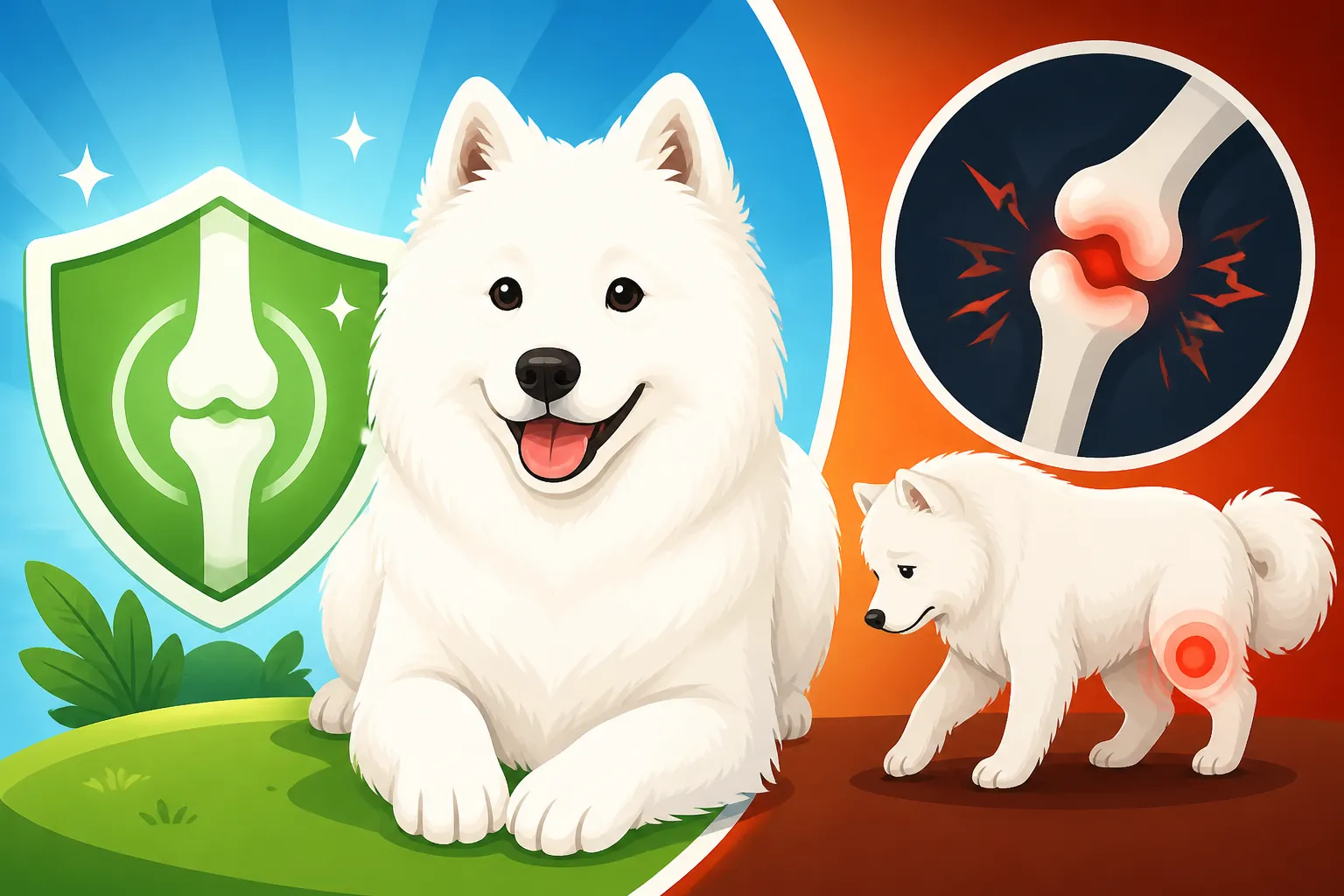
The primary concerns for Samoyed joint health often revolve around conditions like hip dysplasia and, to a lesser extent, elbow dysplasia. These aren't just minor aches; they are developmental conditions where the joint doesn't form correctly, leading to instability, pain, and eventually arthritis. It’s a heartbreaking reality that many owners face, often after their dog has already started showing signs of discomfort. You might notice a slight limp after a long walk, difficulty getting up, or a reluctance to jump. These subtle changes can be easy to miss in an otherwise playful Samoyed, especially given their stoic nature and tendency to hide discomfort, a trait some Northern breeds are known for. It truly highlights the importance of understanding How a Samoyed Hides Illness Behind a Smile.
Hip dysplasia, for instance, occurs when the ball and socket of the hip joint don't fit together snugly. Instead, they rub and grind, leading to deterioration over time. Elbow dysplasia is a more complex condition involving several possible developmental abnormalities in the elbow joint. Both are largely genetic, meaning they're passed down from parents to puppies. This is why responsible breeders emphasize health testing and why you should always look for The Health Tests Both Samoyed Parents Should Have. Knowing the genetic background of your Samoyed can provide valuable insight into their potential risks.
Growth and Development Considerations
Samoyeds grow remarkably fast during their puppy and adolescent stages. This rapid growth spurt, while exciting to witness, places significant stress on their developing bones and joints. Their bodies are literally racing to catch up, and during this period, factors like diet and exercise play a crucial role. Too much strenuous activity too soon, or a diet that promotes overly rapid growth, can exacerbate any underlying genetic predispositions to joint issues. It's a delicate balance; you want your Samoyed puppy to be active and happy, but not overtaxing their immature skeletal system.
Imagine a growing teenager who plays competitive sports every day without proper rest or nutrition. Their developing body is under immense pressure. It's similar for Samoyed puppies. Their growth plates, which are areas of cartilage at the ends of long bones, are soft and vulnerable to injury until they close, usually around 12 to 18 months of age. Mishaps or excessive impact during this time can lead to lasting joint problems. This rapid development is a key reason why many owners begin considering early joint support, hoping to provide a cushion for their growing furry family member.
Defining "Early" Joint Support for Samoyeds
When we talk about "early" joint support for Samoyeds, what exactly does that mean? It's not a one-size-fits-all answer, but generally, it refers to interventions and practices implemented during puppyhood and adolescence, before any overt signs of joint disease appear. This proactive approach aims to build a strong foundation for lifelong joint health.
Puppyhood: Laying the Groundwork
The journey towards healthy joints truly begins the moment your Samoyed puppy comes home. For many, this is around 8 to 12 weeks of age. At this stage, "early joint support" isn't necessarily about supplements, but primarily about proper nutrition and controlled exercise. A high-quality puppy food formulated for large breeds is crucial, as it provides the right balance of nutrients to support steady, healthy growth, rather than excessively fast growth. Rapid growth spurts can put undue strain on developing joints. Whether a Samoyed Puppy Should Grow Slowly is a valid concern that good nutrition helps address.
Think of it like building a house: you want a strong foundation, not one that's rushed and flimsy. For puppies, this means avoiding high-impact activities like excessive jumping, long runs on hard surfaces, or repetitive stair climbing. While their energy seems limitless, their bones and joints are still soft and susceptible. Short, frequent play sessions on soft ground are far better than a marathon hike. This early period is also about establishing good body condition – keeping your Samoyed lean, avoiding puppy fat that adds extra stress to their joints.
Adolescence: Critical Development Phase
As your Samoyed transitions from puppy to adolescent (roughly 6 months to 18-24 months), their bones continue to mature, and their growth plates are still closing. This is a critical window where genetic predispositions might start to manifest, or where improper care can lead to future issues. This phase is often when owners start thinking more seriously about introducing joint supplements, especially if they know their Samoyed comes from lines with a history of hip or elbow dysplasia, or if their vet flags any early concerns during routine check-ups.
During adolescence, their energy levels usually skyrocket, making it tempting to engage in more rigorous activities. However, it's still vital to be mindful. While they can handle more activity than a tiny puppy, intense, jarring movements like frisbee jumping, agility obstacles, or long, forced runs on pavement should still be approached with caution and moderation until their growth plates have fully closed and their skeletal structure is mature. Your vet can often give you a clearer idea of when your individual Samoyed's growth plates are closing, often confirmed with X-rays. Many Samoyeds are still growing and filling out even after their first birthday, so patience is key.
Types of Early Joint Support for Samoyeds
When it comes to supporting your Samoyed's joints from an early age, it's not just about one magic bullet. It’s a holistic approach that includes diet, supplements, exercise management, and creating a supportive home environment. Each element plays a vital role in cushioning and strengthening those crucial joints.
Nutritional Foundations: Diet for Joint Health
A balanced, high-quality diet is the cornerstone of joint health for a growing Samoyed. This goes beyond just "good dog food"; it means selecting a formula appropriate for large breed puppies or all life stages, which often contains specific nutrient ratios to support controlled growth. Look for brands that emphasize quality ingredients and have undergone feeding trials.
- Controlled Growth: Avoid foods that are excessively high in calories or calcium, which can promote too rapid growth and lead to skeletal abnormalities. Many large breed puppy foods are formulated to ensure a slower, steadier growth rate. This is important for preventing issues like osteochondritis dissecans (OCD) and reducing strain on developing joints.
- Essential Nutrients: Some dog foods, especially those marketed for joint health, will include natural sources of glucosamine and chondroitin, or omega-3 fatty acids like EPA and DHA. These are known for their anti-inflammatory properties and their role in cartilage health. While diet alone might not provide therapeutic levels, it contributes to overall well-being. Always check the ingredient list and consider discussing specific dietary needs with your veterinarian, especially if your Samoyed has known predispositions. For specialized diets or a wide range of options, retailers like Chewy often provide detailed ingredient breakdowns, making comparisons easier.
Joint Supplements: When and What?
The decision to start joint supplements "early" is one that often sparks debate among owners and even veterinarians. While there's no universal agreement on the exact age or necessity for every Samoyed, many choose to introduce them as a preventative measure, particularly if their dog is from lines with known joint issues or is particularly active.
-
Common Ingredients:
- Glucosamine and Chondroitin: These are natural compounds found in healthy cartilage. Supplementation aims to support cartilage repair and maintenance, potentially reducing the breakdown of cartilage over time. They are often sourced from shellfish (glucosamine) and bovine or shark cartilage (chondroitin).
- Omega-3 Fatty Acids (EPA/DHA): These powerful anti-inflammatory agents can help reduce inflammation within the joints, which is crucial for comfort and slowing disease progression. Fish oil is a common source.
- MSM (Methylsulfonylmethane): This is a sulfur compound that can help reduce inflammation and pain, often working synergistically with glucosamine and chondroitin.
- Green-Lipped Mussel: A natural source of glucosamine, chondroitin, and omega-3s, often touted for its comprehensive joint support.
-
Starting Age: Some owners begin around 6-12 months, especially if their Samoyed is very active or displays any early signs of stiffness. Others wait until senior years or if specific issues arise. The key is to discuss this with your vet. They can help assess your individual Samoyed's risk factors, activity level, and growth stage, and recommend appropriate dosages or specific products. When looking for reputable brands, many owners turn to retailers like Amazon for reviews and product information, but always cross-reference with veterinary advice. Joint Supplements for a Samoyed can be a complex topic, and professional guidance is invaluable.
Exercise Management: Quality Over Quantity
For an energetic breed like the Samoyed, exercise is non-negotiable, but how they exercise is paramount for joint health. During their critical growth phases, it’s all about controlled activity that builds muscle and coordination without undue stress on developing joints.
- Controlled and Low-Impact: Focus on activities like leash walks, swimming (excellent low-impact exercise), and playtime on soft, even surfaces (grass, sand). Avoid repetitive jumping, hard stops, and starts, or long-distance running on pavement. While The Age a Samoyed Can Start Sledding is generally older, casual pulling activities on a harness can be introduced gently, as long as the dog is mature and the weights are appropriate.
- Building Muscle: Strong muscles around the joints provide natural support and stability. Regular, moderate exercise helps develop this musculature. Short, frequent walks are often better than one long, intense session. As your Samoyed matures (typically after 18-24 months), you can gradually increase intensity and duration, but always listen to your dog and watch for any signs of fatigue or discomfort.
- Weight Management: Keeping your Samoyed at a lean, healthy weight is one of the most impactful things you can do for their joints at any age. Extra pounds put immense stress on hips, elbows, and knees, accelerating wear and tear. Regularly check their body condition – you should be able to easily feel their ribs without seeing them, and they should have a discernible waist. Discuss your Samoyed's ideal weight and feeding plan with your vet.
Environmental Adjustments: Creating a Joint-Friendly Home
Your Samoyed’s home environment can also contribute significantly to their joint health, especially during vulnerable growth periods. Simple adjustments can make a big difference.
- Appropriate Flooring: Slick floors (hardwood, tile) can be treacherous for growing puppies and older dogs alike, as they force joints into unnatural positions and increase the risk of slips and falls. Consider runners or rugs in high-traffic areas.
- Comfortable Bedding: A supportive, orthopedic bed, even for a young Samoyed, can provide cushioning and support for their joints during rest. Brands often offer various memory foam or orthopedic options, easily found on sites like Chewy or Amazon.
- Stair and Jump Management: Limit stair climbing for young puppies, or consider ramps for beds and cars if your Samoyed frequently jumps. Preventing unnecessary impact can save wear and tear over years. While Samoyeds love to jump and play, reducing the height of jumps or providing steps can minimize strain.
Making the Decision: Is Early Joint Support Right for Your Samoyed?
Deciding whether to implement early joint support for your Samoyed is a personal choice, but one that should be made in consultation with your veterinarian. There's no single right answer for every dog, as individual factors play a significant role.
Consulting Your Veterinarian
Your vet is your best resource for personalized advice. During routine puppy visits and annual check-ups, they can assess your Samoyed's growth, gait, and overall orthopedic health. Don't hesitate to bring up your concerns about joint health, especially if your Samoyed's pedigree includes a history of hip or elbow dysplasia.
- Risk Assessment: Your vet can help evaluate your Samoyed's individual risk factors, taking into account breed predisposition How Common Hip Dysplasia Is in Samoyeds, genetic background (if known), current activity level, and growth trajectory. They might recommend specific tests, such as preliminary X-rays around 6-12 months of age, especially if there's a strong family history of joint problems. While official certifications like OFA The Age a Samoyed Is Certified by OFA are typically done later, preliminary X-rays can give an early indication of joint conformation.
- Tailored Recommendations: Based on their assessment, your vet can recommend a tailored plan. This might include specific dietary adjustments, a particular joint supplement, guidelines for exercise, or environmental modifications. They can also advise on appropriate dosages for supplements and help you distinguish between reputable products and those that might not be worth your money.
Weighing Benefits and Risks of Early Intervention
The potential benefits of early joint support are often seen as preventative – aiming to delay the onset of conditions, reduce their severity, or maintain comfort. However, it's also important to consider any potential downsides.
-
Potential Benefits:
- Proactive Protection: For breeds predisposed to joint issues, early intervention might help support cartilage health and joint lubrication before significant damage occurs.
- Reduced Inflammation: Ingredients like omega-3s can help manage low-grade inflammation that might be present even in young, active joints.
- Improved Quality of Life: By supporting joint health, you're potentially contributing to a longer, more comfortable, and active life for your Samoyed. This could mean more years of happy play, joyful runs, and fewer painful moments as they age.
- Muscle Development: Proper exercise management ensures muscle development without joint strain, which is critical for long-term stability.
-
Considerations and Risks:
- Cost: Joint supplements can be an ongoing expense. You'll need to factor this into your budget. While some brands are more affordable, quality often comes at a price.
- Effectiveness Varies: Not all supplements work the same way for every dog. The efficacy of some ingredients, especially as a preventative in young, healthy dogs, is still an area of ongoing research. Some dogs might show no noticeable benefit, while others thrive.
- Potential for Over-Supplementation: While generally safe, giving too many supplements or incorrect dosages could lead to imbalances or digestive upset. Always follow veterinary advice and product guidelines carefully.
- False Sense of Security: Relying solely on supplements without addressing diet, exercise, and weight management can create a false sense of security. Supplements are aids, not replacements for comprehensive care.
Monitoring and Adjusting Over Time
Joint support isn't a "set it and forget it" kind of deal. Your Samoyed's needs will evolve as they grow and age. Regular monitoring is essential.
- Watch for Subtle Signs: Pay close attention to your Samoyed's behavior and movement. Are they enthusiastic about walks, or do they seem a little stiff getting up after a nap? Do they hesitate before jumping into the car or onto the couch? Even subtle changes in gait, reluctance to play, or changes in how they carry themselves can be indicators. Remember, Samoyeds are incredibly good at masking pain, so you need to be observant.
- Regular Vet Check-ups: Continue with annual (or more frequent, if advised) veterinary check-ups. Your vet can monitor their joint health, evaluate the effectiveness of any interventions, and make adjustments as needed. They might suggest additional diagnostics if concerns arise.
- Lifestyle Adjustments: Be prepared to adjust your Samoyed's exercise routine, diet, or supplement regimen as they mature or if circumstances change. A senior Samoyed, for example, will have different joint support needs than a rambunctious adolescent. Caring for a Samoyed Past Nine will definitely involve ongoing attention to joint comfort.
Ultimately, the question of whether a Samoyed needs joint support early comes down to a proactive, informed approach. By understanding their breed-specific predispositions, managing their growth carefully, considering dietary and supplemental aids, and collaborating closely with your veterinarian, you can give your Samoyed the best possible chance at a lifetime of healthy, happy mobility.
Joint Support Options: A Quick Comparison
Here's a simplified look at different aspects of joint support for your Samoyed, and when they might be most relevant.
| Support Category | Primary Benefit | When to Consider Early | Key Considerations |
|---|---|---|---|
| High-Quality Diet | Controlled growth, essential nutrients | Puppyhood (8 weeks+) | Choose large breed puppy or all life stages formula. Avoid overfeeding. Look for balanced calcium/phosphorus. |
| Glucosamine/Chondroitin | Cartilage support, repair, and maintenance | Adolescence (6-12 months+), high risk | Discuss with vet. Look for reputable brands (e.g., those found on Chewy or Amazon with good reviews and third-party testing). Dosage is crucial. |
| Omega-3 Fatty Acids | Anti-inflammatory, overall joint health | Puppyhood (from weaning), ongoing | Important for general health, not just joints. Look for high EPA/DHA content. Often included in quality foods or available as separate supplements. |
| MSM | Pain and inflammation reduction | Adolescence (6-12 months+), high risk | Often paired with glucosamine/chondroitin. Discuss with vet, especially regarding appropriate dosing for young dogs. |
| Controlled Exercise | Muscle building, prevent joint trauma | Puppyhood (8 weeks+) | Avoid forced, high-impact activities. Focus on short, frequent, low-impact play on soft surfaces. Gradually increase as they mature. |
| Weight Management | Reduces joint stress, prevents early arthritis | Puppyhood (8 weeks+), ongoing | Keep your Samoyed lean. Avoid obesity at all costs. Regular body condition scoring. Adjust food as needed. An overweight Samoyed is far more prone to joint issues. |
| Orthopedic Bedding | Cushioned rest, pressure relief | Puppyhood (from day one), ongoing | Provides comfort and support during rest, beneficial for all ages, especially growing puppies and seniors. Many excellent options available from retailers like Ollie which offers tailored dog products. |
| Slick Floor Covers | Prevents slips, reduces joint strain | Puppyhood (from day one), ongoing | Use rugs, runners, or non-slip mats on hard surfaces to improve traction and stability. |
Disclaimer
This article is for general informational purposes only and does not constitute professional advice. Laws, prices and regulations vary by location and change over time. Consult a qualified professional for guidance on your specific situation.