The Year the AKC Recognized the Samoyed
It’s easy to look at our fluffy, smiling Samoyeds today, pampered pets lounging on our sofas, and forget that they have a long, rich history tied to some of the harshest environments on Earth. Understanding when a breed like the Samoyed was formally recognized by a major kennel club like the American Kennel Club (AKC) isn't just a fun historical tidbit; it marks a pivotal moment when these incredible dogs transitioned from working partners in remote lands to cherished companions and show dogs in a new world. This guide delves into the journey of the Samoyed from the icy plains of Siberia to becoming a recognized and celebrated breed in America.
The Long Journey from Siberia to Western Shores
Before the Samoyed ever graced an American show ring, it was an indispensable part of life for the nomadic peoples of Siberia, particularly the Nenets. These were not just dogs; they were family, companions, and survival tools rolled into one furry package. Their journey to Western recognition is a tale of exploration, admiration, and careful preservation.
Indigenous Roots and Early Roles
For centuries, the Samoyed-type dog was vital to the existence of the indigenous Samoyede peoples, from whom the breed eventually took its name. These dogs lived in the unforgiving cold, herding reindeer, pulling sleds, and even providing warmth to their human companions by sleeping inside the tents. This close bond forged a remarkably gentle and intelligent canine, perfectly adapted to both hard work and intimate family life. If you've ever wondered about their ancestral home, you might be interested in The Nenets of the Yamal Peninsula Bred the Samoyed. They were a true multi-purpose breed, their thick coats, keen intelligence, and friendly disposition making them ideal partners in a challenging world.
Imagine trying to survive in temperatures that plummet far below freezing without the aid of these animals. Their ability to herd vast numbers of reindeer, sometimes over immense distances, was crucial for food, clothing, and shelter for the nomadic tribes. They weren't just following commands; they were making intelligent decisions, working alongside their human counterparts with an almost telepathic understanding. This deep history explains so much about the Samoyed's inherent traits today, from their love of being with their people to their incredible endurance.
The Arrival in the Western World
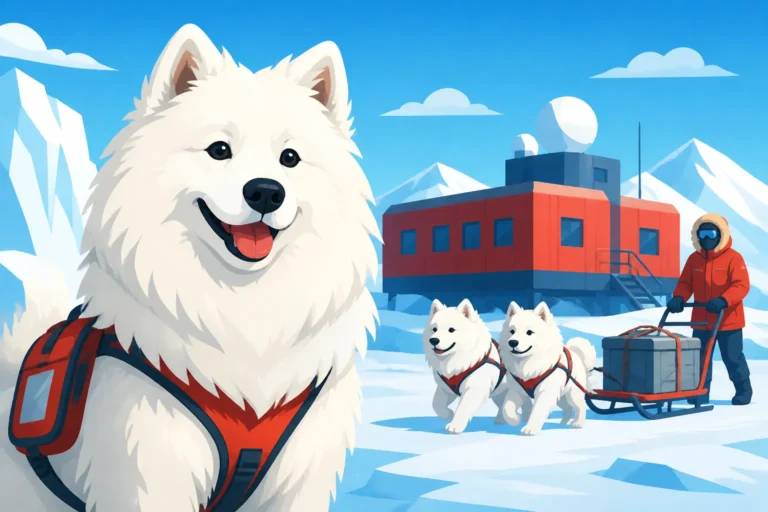
The late 19th and early 20th centuries saw the Samoyed’s introduction to the Western world, largely through intrepid polar explorers. Men like Fridtjof Nansen and Ernest Shackleton relied heavily on these sturdy dogs for their expeditions to the Arctic and Antarctic. It was these explorers who brought some of the first Samoyeds back to Europe and North America, captivating onlookers with their beauty and charming personalities. Many people forget that these beautiful, white dogs were literally saving lives on these perilous journeys. How Polar Explorers Took Samoyeds Out of Siberia is a fascinating read if you want to know more about this critical period.
Once these dogs arrived in Western countries, they quickly garnered attention. Their striking appearance—the pure white coat, the intelligent dark eyes, and of course, that famous "Samoyed smile"—made them instant celebrities. People were enchanted by their dignified yet approachable demeanor. However, at this point, they weren't a standardized "breed" in the sense we understand it today; they were more a collection of working dogs from a specific region, varying in size and type. The journey from working companion to recognized breed was just beginning.
Pioneers and Early Breed Development
Bringing a working dog from its native land and establishing it as a recognized breed in a new country is a monumental task. It requires dedicated individuals who see the potential, document the characteristics, and advocate for their beloved dogs. For the Samoyed, this effort was spearheaded by a few key figures.
Ernest Kilburn Scott and the Foundation of the Breed
One of the most instrumental figures in establishing the Samoyed breed in the Western world was Ernest Kilburn Scott. A British zoologist, Scott had lived among the Samoyede people in Russia and became deeply enamored with their dogs. He brought several Samoyeds back to England in the late 1800s and early 1900s, including a famous dog named Sabarka. These dogs formed the foundation of the breed outside of Siberia. Scott’s dedication was unwavering; he was passionate about preserving the working qualities and unique characteristics of these dogs. It was his efforts, alongside his wife Clara, that truly set the stage for the Samoyed as we know it today.
The Scotts were meticulous in their breeding, focusing on dogs that embodied the true spirit and physical attributes of the Siberian working dogs. They weren’t just breeding for pretty faces; they understood the importance of maintaining the breed’s health, temperament, and functionality. This foresight was crucial, as it meant the Samoyeds introduced to the Western world were robust and true to their heritage. Without individuals like the Scotts, the Samoyed might have remained an obscure working dog, unknown to most of the world. Their influence cannot be overstated in How the English Standard Shaped the Modern Samoyed.
The Role of Queen Alexandra
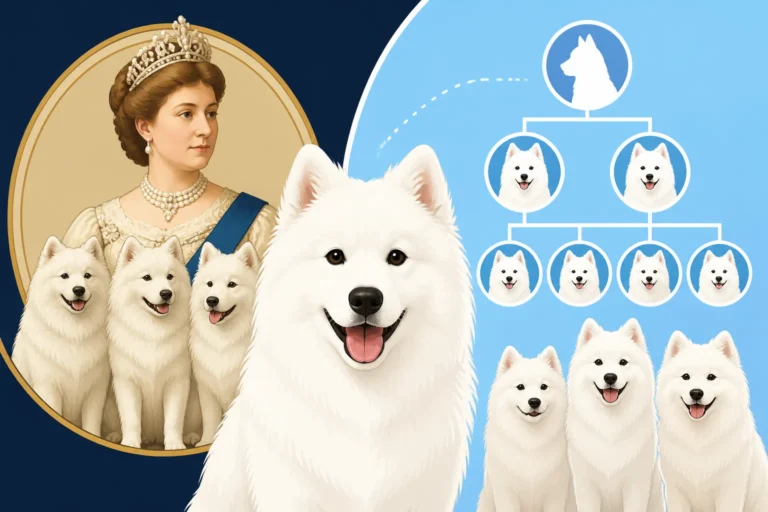
Adding a touch of royal prestige to the emerging breed was Queen Alexandra of England. She acquired several Samoyeds, including one named Musti, from the explorer Ernest Kilburn Scott. Her affection for the breed undoubtedly boosted its profile and popularity among the British aristocracy and beyond. This royal endorsement gave the Samoyed a significant leg up in gaining wider acceptance and interest.
The Queen's patronage was a game-changer. Suddenly, these magnificent white dogs were not just expeditionary animals but symbols of elegance and companionship. Her ownership helped to dispel any notions that they were merely utilitarian working dogs, highlighting their affectionate and charming nature suitable for a royal household. This public visibility was invaluable for a breed looking to establish itself. Knowing Whether Queen Alexandra Kept Samoyeds sheds light on this important connection.
The American Kennel Club and Breed Recognition
The journey from a beloved animal in a foreign land to a fully recognized breed in the American Kennel Club is a detailed process, involving careful documentation, a consistent breed type, and a growing community of enthusiasts. For the Samoyed, this process culminated in official recognition.
Establishing the Breed Standard
For a breed to be recognized by the AKC, a detailed breed standard must be established. This standard describes the ideal physical characteristics, temperament, and movement of the dog. It acts as a blueprint for breeders to follow and for judges to evaluate dogs in the show ring. The early pioneers, particularly the Scotts, played a crucial role in drafting these initial standards, drawing directly from the dogs they knew and brought from Siberia. This included defining everything from the specific characteristics of the double coat to the desired shape of the famous Samoyed smile.
Developing this standard was not just about aesthetics; it was about ensuring the breed's functional integrity. The standard emphasizes the dense, weather-resistant coat, the strong, athletic build, and the intelligent, friendly expression—all traits essential for a working dog in harsh climates. It’s fascinating to see how the early descriptions still resonate with the Samoyed we see today. For example, the famous smile isn't just endearing; Why a Samoyed's Mouth Curls Upward actually helps prevent drooling and icicle formation in frigid temperatures. This functional beauty is a hallmark of the breed.
The Year of Official Recognition
After years of dedicated effort by breeders and enthusiasts, the Samoyed received official recognition from the American Kennel Club. This pivotal moment occurred in 1906. This wasn't just a formality; it meant the Samoyed was now formally acknowledged as a distinct breed, eligible to compete in AKC-sanctioned dog shows and events. It marked a significant milestone, opening doors for the breed to grow in popularity and ensuring its characteristics would be preserved according to a national standard.
This recognition was the culmination of efforts from early American fanciers who worked to gather enough registered dogs and present a consistent type to the AKC. It provided a framework for responsible breeding and allowed the breed to flourish. Without this official stamp, the Samoyed might have remained a rare curiosity rather than becoming the beloved breed it is today. It gave breeders a shared goal and a formal platform to showcase these magnificent dogs.
What AKC Recognition Meant for the Samoyed
AKC recognition brought with it a host of implications for the Samoyed breed, both positive and, in some cases, challenging. It fundamentally changed the trajectory of the breed in North America.
Increased Popularity and Visibility
One of the most immediate and undeniable effects of AKC recognition was a significant boost in the Samoyed’s popularity and visibility. Once recognized, the breed could be shown at prestigious events like the Westminster Kennel Club Dog Show, bringing it to the attention of a much wider public. This exposure led to increased demand for Samoyed puppies, as more people learned about their charming personalities and striking looks.
As the breed became more visible, magazines and newspapers began to feature them, further cementing their status as desirable companions. This newfound fame meant more people had the opportunity to welcome a Samoyed into their homes, enjoying their distinctive "smile" and affectionate nature. It was a rapid shift from being a niche breed owned by a handful of enthusiasts to one that captivated the hearts of many across the country. And with this growing popularity came a need for quality supplies, easily accessible from retailers like Chewy, for everything from specialized brushes for their magnificent coats to durable toys that could stand up to a Samoyed’s playful energy.
The Growth of a Dedicated Fancier Base
Recognition also fostered the growth of a dedicated community of Samoyed fanciers, breeders, and exhibitors. These individuals formed breed clubs, shared knowledge, and worked tirelessly to promote the breed's health and welfare. The American Kennel Club's structure encouraged such communal effort, providing resources and guidelines for responsible breeding practices.
These clubs became invaluable hubs for people passionate about Samoyeds. They organized specialty shows, educational seminars, and rescue efforts, all aimed at protecting and advancing the breed. This collective passion ensured that as the Samoyed grew in popularity, there was a strong foundation of knowledgeable individuals committed to its long-term health and integrity. They understood that mere popularity wasn't enough; responsible guardianship was key.
Challenges and Considerations Post-Recognition
While AKC recognition brought many benefits, it also introduced new challenges that the Samoyed community had to navigate. Every popular breed faces these hurdles, and the Samoyed was no exception.
Managing Popularity and Responsible Breeding
With increased popularity often comes the risk of irresponsible breeding. When a breed becomes highly sought after, individuals sometimes enter the breeding world without sufficient knowledge or dedication, prioritizing profit over the health and temperament of the dogs. This can lead to a decline in breed quality, an increase in genetic health issues, and dogs with temperaments that don't align with the breed standard.
Dedicated Samoyed breeders have consistently worked to counter this by adhering strictly to the breed standard, conducting health clearances, and carefully selecting breeding pairs. They understand the importance of preserving the breed's legacy, not just its looks. This means staying vigilant about genetic diseases and prioritizing sound health over fleeting trends. It's why reputable breeders are so crucial; they are the guardians of the breed’s future. For owners, it also means being diligent in researching breeders and understanding things like The Health Tests Both Samoyed Parents Should Have.
Preserving Working Dog Traits
Another challenge for a breed transitioning from a purely working role to a companion and show dog is preserving its innate working instincts and physical capabilities. While the Samoyed found its place in homes, many enthusiasts felt strongly about keeping its sledding and herding heritage alive. This led to the establishment of performance events within the AKC and other organizations, allowing Samoyeds to continue demonstrating their original talents.
These activities, like sledding, carting, and even herding trials, provide vital outlets for the Samoyed's energy and intelligence. They also help breeders ensure that the physical structure and mental fortitude required for these tasks are maintained in their breeding lines. A Samoyed that excels in performance events often embodies the very traits that made its ancestors so valuable to the Nenets. It's a way to honor their past while embracing their present. Even if your Samoyed isn't pulling a sled, providing mental and physical challenges, perhaps with enrichment toys from Chewy, is essential for their well-being.
The Samoyed Today: A Legacy of Loyalty and Laughter
From the cold expanses of Siberia to the warmth of homes across America, the Samoyed has carved out a special place in the hearts of dog lovers. Its journey, marked by AKC recognition in 1906, is a testament to its enduring appeal and the dedication of those who championed the breed.
A Beloved Companion and Show Dog
Today, the Samoyed remains a cherished companion, known for its gentle nature, striking beauty, and, of course, that iconic smile. They are popular participants in dog shows, excelling in conformation, obedience, agility, and other canine sports. Their adaptability and intelligence make them wonderful family pets, thriving on interaction and companionship. The Samoyed Slept in the Tent to Keep People Alive and their innate need to be close to their humans is still very much a part of their charm.
Bringing a Samoyed into your life means committing to their needs for exercise, mental stimulation, and regular grooming. Their magnificent double coat requires diligent care to prevent matting and maintain its pristine condition. Owners often find themselves investing in high-quality grooming tools, easily found at places like Chewy, to keep their Samoyed looking its best. Despite the grooming demands, the reward of their boundless affection and joyful presence makes every effort worthwhile.
Continuing the Legacy
The legacy of the Samoyed is one of resilience, loyalty, and unparalleled charm. The year 1906 might have been a formality on paper, but it was a crucial step in ensuring this incredible breed would thrive for generations to come. Modern breeders and owners continue the work of those early pioneers, striving to maintain the breed's health, temperament, and adherence to the standard.
For anyone considering a Samoyed, understanding their history and the journey to AKC recognition provides valuable insight into the breed's enduring characteristics. They are not just pretty faces; they are dogs with a profound heritage, capable of immense love and endless joy. Their cheerful demeanor and unwavering loyalty make them truly unique, always ready to greet you with a happy "Samoyed smile."
| Aspect of Samoyed Breed | Before AKC Recognition (Pre-1906) | After AKC Recognition (Post-1906) |
|---|---|---|
| Primary Role | Working dog (herding, pulling, warmth) | Companion, show dog, performance athlete |
| Visibility | Known to polar explorers, limited Western exposure | Widespread recognition, public interest |
| Standardization | Varied types from indigenous populations | Defined breed standard established by AKC |
| Breeding Focus | Survival and utility in harsh environments | Conformation to standard, health, temperament |
| Community | Tribal groups, individual explorers | Dedicated breed clubs, national organizations |
| Genetic Records | Minimal or anecdotal | Formal pedigrees, health testing encouraged |
Disclaimer
This article is for general informational purposes only and does not constitute professional advice. Laws, prices and regulations vary by location and change over time. Consult a qualified professional for guidance on your specific situation.