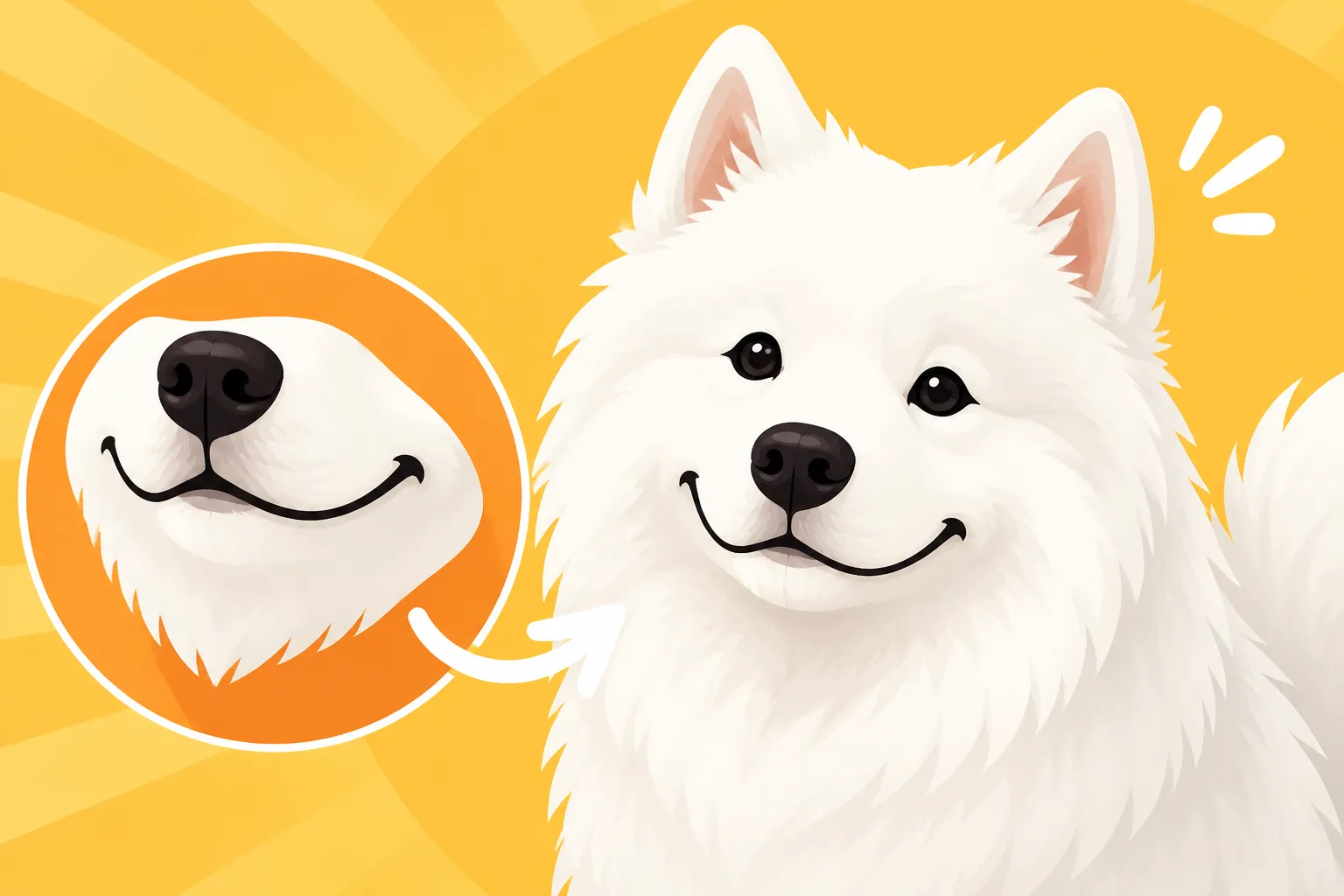
Why a Samoyed’s Mouth Curls Upward
That charming, seemingly perpetual grin on a Samoyed's face isn't just an adorable quirk that melts hearts; it's a vital feature rooted deep in their ancestral survival. Many Samoyed owners and admirers wonder about this distinct upturned mouth, and frankly, it's more than just a pretty picture for Instagram. This comprehensive guide will delve into the fascinating reasons behind the Samoyed's unique facial structure, exploring its historical, functional, and even emotional significance for this beloved arctic breed.
The Iconic Samoyed Smile: More Than Just a Pretty Face
When you first meet a Samoyed, or even just see a photograph, one of the most striking features is that undeniable "smile." Their lips naturally curl upward, creating an expression that universally conveys joy and friendliness. It’s a huge part of their charm and why so many people fall head over heels for the breed, but to truly understand it, we need to look past the immediate visual appeal and consider the intricate design that nature—and dedicated breeding—has perfected over centuries.
Where the Smile Begins: A Look at Facial Anatomy
The Samoyed's iconic smile isn't just a trick of the light or a fleeting expression; it's deeply embedded in their physical anatomy. Unlike many other breeds where a "smile" might be a momentary lift of the corners of the mouth in response to excitement, the Samoyed's facial structure ensures a permanent, upward curve. This is primarily due to the way their lips are set, particularly around the corners of the mouth, which are naturally drawn slightly upward even when the dog is at rest. The muscles and tendons around the muzzle are structured in a way that maintains this characteristic arch.
Think of it as a natural predisposition, much like the distinct ear set or tail carriage. This inherent curvature means that even when a Samoyed is completely relaxed, perhaps snoozing soundly or observing its surroundings calmly, that pleasant, upward-curving expression remains. It's a permanent fixture, not just a fleeting emotion. This consistent look is what often leads people to describe Samoyeds as always looking happy, even when they're simply being themselves.
The Historical Context of the Samoyed's Expression
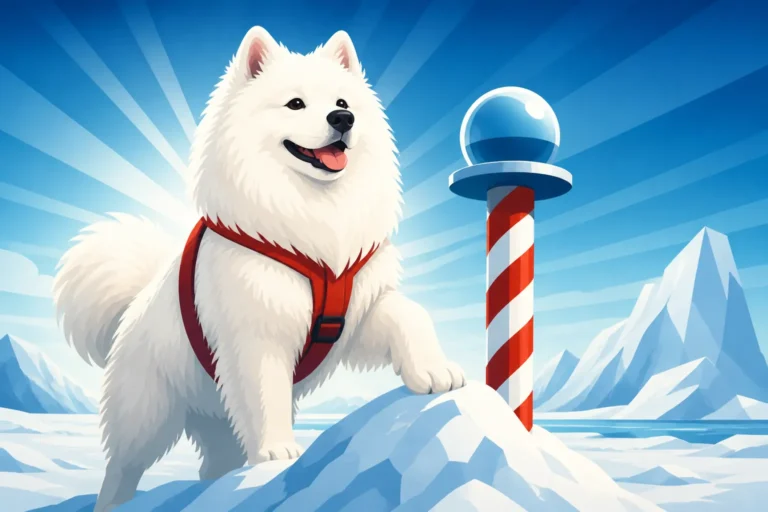
To truly appreciate the Samoyed's smile, we need to journey back to their origins with the Nenets people in the harsh Arctic regions of Siberia. These dogs weren't bred for looks alone; every physical trait served a critical purpose for survival and work. The Nenets of the Yamal Peninsula Bred the Samoyed to be versatile partners—herding reindeer, pulling sleds, and even sleeping with families in their tents to provide warmth. In an environment where temperatures could plummet to sixty degrees below zero, every anatomical detail was a matter of life or death.
The facial structure, including the mouth, was honed over countless generations to withstand extreme cold. While the smile might seem purely aesthetic to us today, it was a functional adaptation that helped these dogs thrive in some of the most unforgiving conditions on Earth. This natural selection favored traits that enhanced survival, and as we'll explore, the upturned mouth was one such ingenious solution to a very serious problem: frostbite. The smile is a testament to their history, a living link to their ancient purpose and the environment that forged them.
Functional Design: Why the Smile is Crucial in Harsh Climates
It might sound strange, but that beautiful Samoyed smile is actually a brilliant piece of biological engineering, specifically designed to protect them from the brutal cold of their Siberian homeland. It's not just about looking cheerful; it's about staying alive and functional when the temperatures drop far below freezing.
Preventing Drooling and Ice Build-up
Imagine a typical dog, with loose flews and a mouth that sags slightly at the corners. When such a dog pants or simply has saliva in its mouth, gravity takes over, and drool escapes. Now, picture that happening in temperatures of minus forty degrees Fahrenheit. Any moisture escaping the mouth would immediately freeze, forming icicles on the fur around the muzzle and potentially causing severe frostbite to the lips and gums. This isn't just uncomfortable; it could lead to tissue damage and infection, making it impossible for the dog to eat or drink.
This is precisely where the Samoyed's upturned mouth comes into play. The natural curl of their lips, often referred to as Why a Samoyed's Upturned Mouth Stops Drool, creates a barrier that helps to keep saliva inside the mouth. This unique anatomical design minimizes drooling, preventing that critical moisture from escaping and freezing on their facial fur. It’s a remarkable adaptation that ensures their delicate oral tissues remain protected from the elements, allowing them to pant effectively to regulate body temperature without risking frostbite around their muzzle.
Protecting the Mucous Membranes
Beyond just preventing visible drool, the tightly drawn, upward-curving lips also serve to protect the sensitive mucous membranes of the mouth and gums. In extreme cold, exposed skin and soft tissues are highly susceptible to frostbite. Think of how quickly your own lips can chap and crack in dry, cold air. For a working dog spending hours out in fierce winds and freezing temperatures, this protection is paramount.
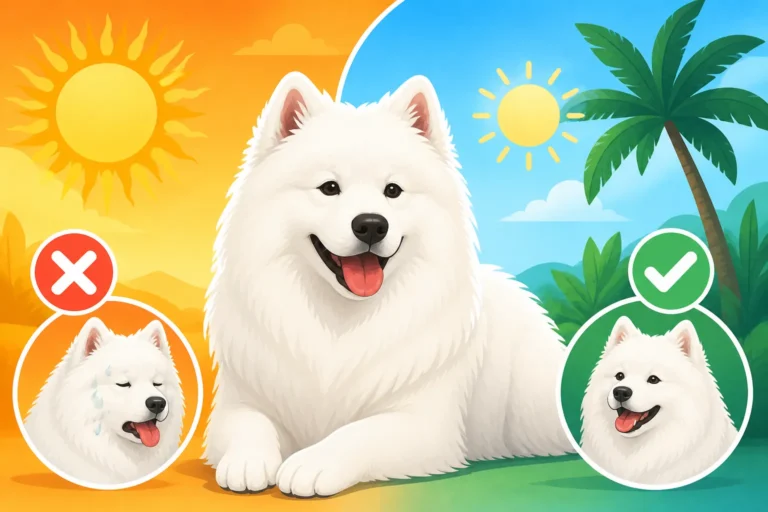
The Samoyed's smile effectively tucks away the more vulnerable parts of the lips and gums, keeping them covered and warmer than if they were exposed. This reduces the surface area susceptible to direct contact with freezing air and wind. This isn't just about comfort; it's a vital health mechanism, preventing painful injuries that could compromise a working Samoyed’s ability to eat, drink, or even communicate. It's part of the complete package of adaptations that allow a Samoyed to be A Samoyed Built for Sixty Below in an American Summer, even if they're now living far from the tundra.
How the Smile Contributes to Overall Health in Cold Environments
The functional benefits of the Samoyed smile extend beyond immediate frostbite prevention. By keeping saliva contained and mucous membranes protected, it contributes to the dog's overall resilience and health in cold climates. A dog with a damaged, frostbitten mouth would be in pain, unable to consume enough food or water, and more susceptible to infections. This would severely impact its ability to perform its duties, whether herding reindeer or pulling a sled.
Furthermore, minimizing drooling also means less ice build-up on the surrounding facial fur. Ice can weigh down fur, reducing its insulating properties and making the dog colder overall. What a Samoyed's Double Coat Is Made Of is a marvel of insulation, and keeping it free from external ice is crucial for its effectiveness. The smile, therefore, plays a small but significant role in maintaining the integrity of their thermal regulation system, allowing them to remain warm and efficient in their demanding environment. It’s one piece of a larger puzzle that makes the Samoyed so perfectly suited for life in the extreme cold.
The Samoyed Standard: What Breed Clubs Say About the Smile
When we talk about the Samoyed's appearance, especially that endearing smile, it's not just about what looks cute or feels friendly to us. Breed standards, established by organizations like the American Kennel Club (AKC) and national Samoyed clubs, meticulously define the ideal physical traits of the breed. These standards aim to preserve the original purpose and functionality of the dog, ensuring that future generations maintain the characteristics that make a Samoyed a Samoyed. The smile is, of course, a critical component of this.
Describing the Ideal Samoyed Expression
The official breed standard for the Samoyed places significant emphasis on the dog's expression, with the "Samoyed smile" being a hallmark feature. It's not just implied; it's specifically called out. The standard often describes the desired expression as intelligent, alert, and, crucially, reflecting a "smiling" appearance due to the upturned corners of the mouth. This upward curl, coupled with dark, almond-shaped eyes that sparkle, contributes to the overall impression of cheerfulness and goodwill that defines the breed.
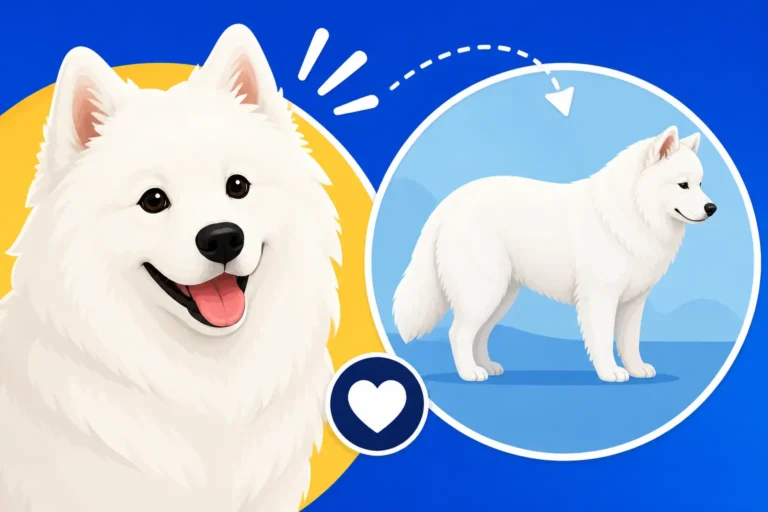
The description goes beyond a simple smile; it's about the entire facial package. The placement of the eyes, the breadth of the skull, and the moderate muzzle length all work together to create that harmonious, inviting look. Breeders strive to produce dogs that embody this ideal, not only for show ring success but also to honor the historical essence of the breed. It's a key part of why Why the Samoyed Smiles is so central to their identity, both aesthetically and historically.
How Judges Evaluate the Smile
In the conformation show ring, a Samoyed's smile is not just a bonus; it's a specific characteristic that judges actively look for and evaluate. While a dog's overall structure, movement, and coat quality are paramount, the expression is the cherry on top, completing the picture of a true Samoyed. A judge will observe the dog's face both at rest and in motion, looking for that characteristic upward curve of the lips, which should be natural and unforced. They're looking for authenticity in the expression, ensuring it's an inherent feature rather than a strained or temporary look.
A Samoyed with flat or downturned lips, or an expression that appears glum, might be considered less typical of the breed standard. The smile contributes significantly to the breed's reputation for being friendly and approachable, and a lack of it can detract from that expected image. Furthermore, the pigment of the lips is also noted; Whether a Samoyed's Lips Must Be Black is often a part of the standard, providing a sharp contrast to the white fur and framing that charming smile even more distinctly.
Distinguishing a True Smile from a Grimace
While we affectionately call it a "smile," it's important for owners to understand that not every baring of teeth is a friendly grin. A true Samoyed smile is relaxed and natural. However, sometimes a dog might pull back its lips in a way that resembles a smile but is actually a grimace of discomfort, fear, or even aggression. This is especially true if accompanied by other body language cues like stiff posture, flattened ears, or whale eye (where the whites of the eyes are visible).
A savvy owner learns to differentiate between the breed's characteristic expression and a sign of stress. The Samoyed's inherent good nature means true aggression is rare, but misinterpreting body language can lead to misunderstandings. Generally, a happy Samoyed with its signature smile will have a soft, relaxed body, a wagging tail (often curled over its back), and an overall aura of approachability. If you're ever in doubt about your Samoyed's expression, always consider the complete picture of their body language. How a Samoyed Hides Illness Behind a Smile can also be a subtle signal that things aren't quite right, even with that upward curve.
Beyond Aesthetics: The Smile's Role in Samoyed Temperament
The Samoyed's smile isn't just a physical trait; it's intrinsically linked to their well-known temperament. It shapes how people perceive them, how they interact with the world, and even how their personality is described. This connection between appearance and disposition is one of the most charming aspects of owning a Samoyed.
The Perception of Constant Happiness
It's almost impossible to look at a Samoyed's face without feeling a surge of warmth. That ever-present upward curve of the mouth gives them an aura of constant happiness, cheerfulness, and geniality. This perception is so strong that it often influences people's expectations of the breed. They're seen as the perpetually joyful dogs, and for the most part, this isn't far from the truth! Samoyeds generally are good-natured, friendly, and outgoing dogs, and their facial expression perfectly complements this disposition.
This outward appearance can be a wonderful icebreaker, making them approachable and loved by nearly everyone they meet. It's a powerful visual cue that reinforces their reputation as affectionate, gentle companions. This perceived happiness is part of what makes them such popular family dogs, as they seem to radiate positivity wherever they go. It's truly a case where the outside matches the inside, creating a consistent and endearing persona.
How the Smile Influences Interaction with Humans and Other Animals
The "Samoyed smile" naturally fosters positive interactions. People are drawn to a dog that looks happy and welcoming, and this often leads to more positive attention, more gentle greetings, and a willingness to engage. For a breed that thrives on social interaction and being part of the family, this is a huge advantage. Their smiling faces tend to disarm strangers, making them seem less intimidating than some other large breeds might appear.
This also extends to interactions with other animals. While a Samoyed's primary role was with reindeer and people, their friendly demeanor, often underlined by that soft facial expression, generally makes them good candidates for multi-pet households, provided they are properly socialized. While they might occasionally vocalize with What a Samoyed Sounds Like When It Talks or attempt to herd, their overall approachable look helps to diffuse tension and encourage friendly overtures from other dogs and even cats. The inherent friendliness reflected in their smile can make introductions smoother and contribute to a harmonious home environment.
When a "Smile" Might Be Misinterpreted
While the Samoyed's smile is overwhelmingly positive, there can be rare instances where it's misinterpreted, or where the dog itself isn't feeling as cheerful as its face suggests. New owners, or those unfamiliar with dog body language, might assume a Samoyed is always happy and miss subtle cues of discomfort or stress. As mentioned earlier, while their mouth naturally curls up, the rest of their body language is crucial. A dog that is stressed or in pain might still have that upward-curling mouth, but its eyes could be wide, its ears pinned back, or its body tense.
It's vital for Samoyed owners to learn to read their individual dog's entire emotional spectrum, not just rely on the "smile." Sometimes, what looks like a playful grin could be an anxious pant or a polite appeasement gesture. Educating oneself on canine body language is important for any dog owner, but particularly for Samoyeds whose default expression can sometimes mask deeper feelings. Taking the time to observe your Samoyed's unique communication style will ensure you respond appropriately to their needs, truly understanding whether their smile reflects genuine joy or something else entirely.
Caring for the Samoyed Mouth: Health and Hygiene Considerations
Even with that perfect smile, a Samoyed's mouth and teeth require diligent care, just like any other dog's. Good oral hygiene is paramount for their overall health, preventing issues that can cause pain, lead to more serious medical conditions, and even impact that famous grin.
Keeping the Lips and Gums Healthy
The unique structure of the Samoyed's mouth, with its tight, upward-curling lips, generally means they don't have the same issues with excessive drooling or lip fold dermatitis that breeds with loose jowls might experience. However, their lips and gums still need attention. Regular visual checks are essential to ensure there are no cuts, scrapes, or irritations, especially if they enjoy chewing on hard toys or sticks.
It's also important to monitor the color of their gums. Healthy gums should be a pale pink, and any redness, swelling, or unusual discoloration could be a sign of a problem, from gingivitis to an allergic reaction. While their lips provide excellent protection from the elements, they still need to be kept clean. After meals, especially if your Samoyed has been enthusiastically diving into a bowl of wet food, a quick wipe with a damp cloth can help prevent food particles from accumulating, which could lead to staining or irritation.
Addressing Staining Around the Mouth
While Samoyeds are renowned for their pristine white coats, the fur around their mouth can sometimes develop a yellowish or brownish tint. This staining is typically caused by saliva, food particles, or sometimes even tear stains if they are prone to tearing. While the upturned mouth helps minimize drool, some still occurs, and over time, the natural enzymes and pigments in saliva can discolor the white fur. Beard staining from food (Whether a Samoyed's Beard Stains From Food) is a common concern for owners striving to maintain that brilliant white.
Regular grooming is key here. Wiping the area around the mouth daily with a damp cloth, or even a specialized pet wipe, can make a huge difference. For more persistent stains, some owners use specific whitening shampoos designed for dogs or natural remedies like cornstarch paste (always consult your vet or a professional groomer before using any new product). Keeping the area dry and clean is the best defense against staining, ensuring that the Samoyed's smile is framed by dazzling white fur. Products from trusted retailers like Chewy often include gentle cleaning solutions specifically formulated for sensitive facial areas.
Dental Care for a Smiling Canine
Beyond the lips and gums, a Samoyed's teeth require consistent care to prevent periodontal disease, which is incredibly common in dogs. Just like in humans, plaque and tartar build-up can lead to gingivitis, infections, tooth loss, and even systemic health problems affecting organs like the heart and kidneys. Regular brushing is the gold standard for canine dental hygiene. Whether a Samoyed Needs Its Teeth Brushed isn't a question of if, but how often. Ideally, daily brushing with a vet-approved dog toothpaste and toothbrush is recommended.
If daily brushing isn't feasible, aiming for several times a week is still beneficial. Dental chews, water additives, and specialized dental diets can also play a supportive role, but they are not a substitute for brushing. Regular veterinary dental check-ups, often yearly, are also crucial. During these visits, your vet can assess your Samoyed's oral health, recommend professional cleanings under anesthesia if necessary, and address any developing issues. Maintaining good dental health ensures your Samoyed's smile stays not just beautiful, but truly healthy from the inside out. For all your dental care needs, from toothbrushes to dental-specific treats, reliable online stores like Chewy offer a comprehensive selection to keep your Samoyed's pearly whites gleaming.
Oral Health Considerations Table
| Aspect | Description | Importance | Care Tip |
|---|---|---|---|
| Lip Structure | Upward curl, tight to the jaw. | Prevents drooling and frostbite in cold climates. | Monitor for cuts or irritation, especially after chewing. |
| Gum Health | Naturally pink, firm tissue. | Indicator of overall health, prevents gingivitis. | Daily visual checks for redness, swelling, or discoloration. |
| Teeth | Strong, scissor bite. | Essential for chewing food and overall digestion. | Regular brushing (daily best), dental chews, vet check-ups. |
| Saliva Production | Normal canine saliva, but less prone to outward drooling. | Aids in digestion, but can stain fur if not managed. | Wipe muzzle area daily to prevent staining. |
| Pigmentation | Dark lips and eye rims common for breed standard. | Defines the "smile" and protects sensitive areas from sun. | Ensure black pigment is maintained, note any fading (e.g., "snow nose"). |
The Samoyed's upturned mouth is a truly fascinating trait, a perfect blend of form and function. It’s a testament to centuries of natural selection and selective breeding, creating a dog that is not only undeniably beautiful but also perfectly equipped for the challenges of its original environment. So, the next time you see that famous Samoyed smile, remember there's a whole lot of history, survival, and pure canine charm behind it!
Disclaimer
This article is for general informational purposes only and does not constitute professional advice. Laws, prices and regulations vary by location and change over time. Consult a qualified professional for guidance on your specific situation.