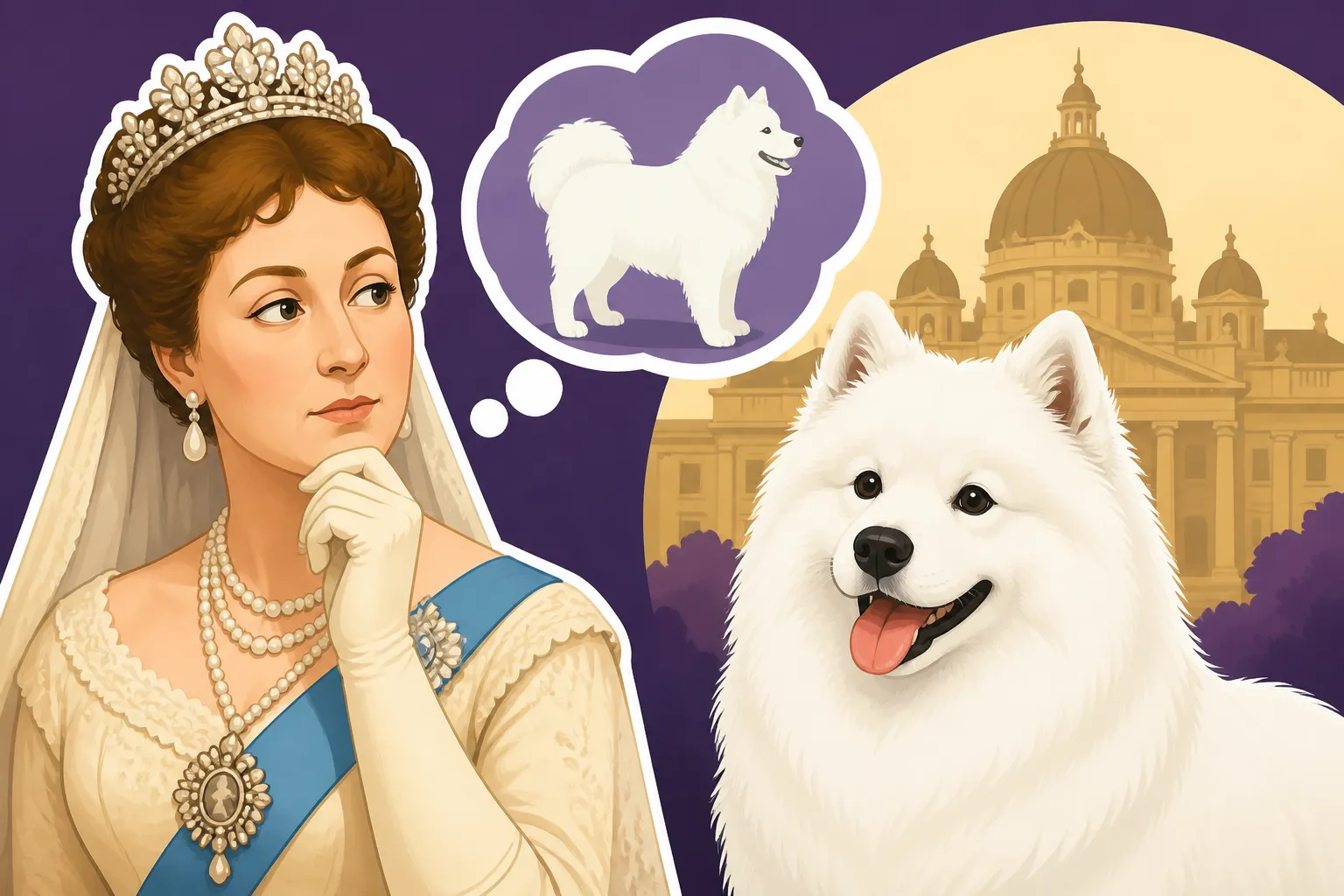
Whether Queen Alexandra Kept Samoyeds
It's a common bit of Samoyed lore, isn't it? The idea that Queen Alexandra, with her regal charm and love for animals, was a devoted owner of our beloved smiling Samoyeds. Many an owner has heard this whispered or read it in passing, perhaps even told it to their friends at the dog park, feeling a little flutter of pride that their fluffy companion shares a lineage, however indirect, with royalty. But as with many stories passed down through generations, especially in the dog world, the truth can be a little more nuanced, and sometimes, entirely different from the charming tale we've come to believe. This guide aims to clear up the confusion surrounding Queen Alexandra's supposed Samoyed ownership, delving into the actual history of the breed's arrival in England and the royal family's true canine preferences.
The Royal Connection: Unraveling the Myth and Reality
The allure of a breed having a direct link to royalty is incredibly powerful. It lends an air of prestige, history, and often, a sense of validation for those who cherish the breed today. For Samoyed enthusiasts, the mention of Queen Alexandra often brings a proud smile, cementing the breed's status as something truly special. However, while royalty certainly played a part in popularizing many breeds throughout history, the direct connection between Queen Alexandra and the Samoyed breed as owners is, unfortunately, more a persistent myth than historical fact. The reality is that while she certainly admired dogs and had an undeniable soft spot for various breeds, her direct involvement with Samoyeds in her personal kennels isn't quite what the popular narrative suggests.
The Allure of the Samoyed in Early 20th Century Europe
Imagine Europe at the turn of the 20th century. Exploration was at its peak, and tales of daring adventurers venturing into the icy, unknown reaches of the Arctic and Antarctic captivated the public imagination. These expeditions often brought back not just incredible stories, but also exotic animals, and none more captivating than the magnificent, snow-white dogs that pulled sleds across vast, frozen landscapes. The Samoyed, with its thick coat, enduring spirit, and characteristic "smile," quickly became a symbol of the untamed north and incredible resilience.
The breed represented strength, beauty, and a certain wild elegance that was vastly different from the more common hunting or companion breeds of the era. As these dogs started to trickle into European cities from their Siberian homeland, first as working dogs for expeditions, then slowly as companions, they naturally drew attention. Their unique appearance and friendly demeanor made them instant celebrities among a populace eager for novelty and a connection to the heroic tales of polar exploration. People saw these majestic dogs and were simply smitten.
Who Was Queen Alexandra?
Queen Alexandra of Denmark became the Queen Consort of the United Kingdom and Empress of India as the wife of King Edward VII. Born in 1844, she was known for her elegance, compassion, and deep love for animals, especially dogs. Her era was one of significant social change and burgeoning interest in purebred dogs, with dog shows and kennel clubs gaining immense popularity. She was a trendsetter in many ways, and her choice of pets often influenced public taste.
Alexandra was indeed a fervent animal lover, establishing royal kennels that housed a variety of breeds. She was often photographed with her beloved dogs, which included everything from terriers to larger, more exotic breeds. Her compassion extended beyond just her own pets; she was a patron of several animal welfare organizations, demonstrating a genuine concern for animal well-being. It's this widely acknowledged love for dogs and her influential position that likely led to the persistent, yet inaccurate, association with Samoyeds. People knew she loved dogs, and Samoyeds were becoming fashionable, so the leap in logic was easy to make.
Early Samoyed Arrivals in England and Their Advocates
While Queen Alexandra's personal kennels may not have housed Samoyeds, the breed certainly found its way to English shores through other dedicated individuals. The story of the Samoyed in England is far more about the passion and perseverance of specific breeders and enthusiasts who saw the unique qualities of these northern dogs and worked tirelessly to establish them. These early pioneers were the true champions of the breed, bringing them from the vast Siberian wilderness to the hearts and homes of the British public. Their efforts laid the groundwork for the Samoyed's eventual popularity, allowing the breed to flourish decades later, long after the initial introduction.
Ernest Kilburn Scott: The True Pioneer
If there's one name truly synonymous with the introduction and establishment of the Samoyed breed in England, it's Ernest Kilburn Scott. He was a zoologist and an explorer, and he brought the first Samoyed-type dogs to England in the late 19th and early 20th centuries. Scott was passionate about the breed, having acquired several dogs directly from the Samoyede people (now known as the Nenets) during his travels in Siberia. He didn't just bring them back; he dedicated himself to understanding their nature, preserving their working traits, and promoting them as a distinct and valuable breed.
Scott was meticulous in his efforts, publishing articles, giving talks, and actively breeding his imported dogs. He even established one of the earliest breed clubs. It was his vision and unwavering commitment that truly put Samoyeds on the map in Britain. Without his extensive efforts, it's highly likely that the breed's journey to recognition and popularity would have been far slower and perhaps even taken a different path entirely. His legacy is the foundation upon which the modern Samoyed in the West was built. The Year the First Samoyed Reached England marks a pivotal moment, largely thanks to individuals like Scott.
The First Samoyeds to Set Paw on English Soil
The very first Samoyed-type dogs that arrived in England were not glamorous show dogs or royal companions, but rugged, resilient working animals. These dogs were initially brought back by explorers returning from daring expeditions to the Arctic. Many were a mix of the various Spitz-type dogs found in the northern regions, truly embodying the spirit of The Nenets of the Yamal Peninsula Bred the Samoyed.
One of the most famous early Samoyeds, credited to Ernest Kilburn Scott, was a male dog named Musti, imported around 1889. Later, he imported other significant foundation dogs, including a female named Whitey, and another pair, Ole and Sabarka. These dogs formed the initial breeding stock for the breed in England. It's a fascinating thought, isn't it? That the fluffy, smiling Samoyed you might see trotting down the street today likely traces its lineage back to these intrepid travelers who endured incredible journeys across vast continents and oceans. These were dogs bred for function, for survival, and for companionship in the harshest environments. Their introduction was less about regal aesthetics and more about their extraordinary capabilities, a testament to How Polar Explorers Took Samoyeds Out of Siberia.
Queen Alexandra's Known Canine Companions
While the story of Samoyeds and Queen Alexandra is a charming one, it's important to differentiate between legend and the well-documented reality of her personal preferences. Her love for dogs was undeniable, but her choices often leaned towards breeds that were either smaller, more fashionable at the time, or had a direct connection to her Danish and Russian royal heritage. It speaks to a broader historical truth that while certain breeds gain public attention, personal tastes, even for royalty, are often quite distinct.
The Queen's Beloved Pekingese and Borzoi
Queen Alexandra's true canine affections were famously directed towards breeds such as the Pekingese and the Borzoi. She was instrumental in popularizing the Pekingese in England, receiving several as gifts from China. These tiny, lion-like dogs with their luxurious coats and independent personalities became her constant companions, often seen perched on her lap or following her through the palace. Her fondness for them helped cement their status as a fashionable pet among the British aristocracy.
Similarly, she had a strong affinity for the elegant and aristocratic Borzoi, a breed with strong ties to Russian nobility. Her sister, Empress Maria Feodorovna of Russia, also bred Borzoi, further strengthening this connection. The Borzoi, with its graceful lines and impressive size, presented a stark contrast to the small Pekingese, showcasing the queen's diverse taste in dogs. These were her preferred breeds, well-documented through photographs, historical accounts, and the official records of the royal kennels. She truly embraced these breeds, influencing their popularity and solidifying their place in canine history, whereas the Samoyed, for all its charm, simply didn't hold the same personal appeal for her.
The Royal Kennel's Diverse Inhabitants
Beyond her specific favorites, Queen Alexandra’s royal kennels were, in fact, quite diverse, housing a variety of breeds that reflected both personal interests and diplomatic gifts. It was common for monarchs to receive dogs as tokens of friendship or alliance, leading to a rich tapestry of canine residents. This meant that while Samoyeds might not have been her personal pets, it’s not to say that a distant relative or acquaintance within the broader royal circle never encountered or owned one.
However, the significant presence and sustained breeding efforts of Samoyeds at the royal kennels, which would firmly establish her as a prominent owner, simply aren't supported by historical records. The dogs she chose to champion, to breed, and to promote were consistently other breeds. This doesn't diminish her love for animals, but it clarifies her specific associations within the canine world. Modern pet owners today have an almost unimaginable array of choices, from rare breeds to readily available supplies on platforms like Chewy, but in Alexandra's time, specific breeds often gained prominence through more direct, personal royal endorsement.
| Breed | Royal Endorsement | Primary Role (Historical) | Key Characteristics (at the time) |
|---|---|---|---|
| Pekingese | Queen Alexandra | Lapdog, Companion | Small, long-haired, "lion-like," independent, aristocratic demeanor. |
| Borzoi | Queen Alexandra | Sighthound, Hunting (wolves) | Large, elegant, sighthound build, calm, dignified, strong prey drive. |
| Samoyed | (None directly from Q.A.) | Sledding, Herding, Companion | Medium-large, thick white double coat, "smiling" expression, friendly, intelligent, strong working drive. |
| Terriers (Various) | General royal popularity | Hunting vermin, Companions | Varies by type (e.g., Fox Terrier, Cairn Terrier); feisty, energetic, loyal. |
The Rise of the Samoyed Breed in the UK
Even without direct royal patronage from Queen Alexandra herself, the Samoyed breed was destined for success in the UK, thanks to its striking looks, charming personality, and the tireless efforts of early enthusiasts. The breed's journey from obscure Siberian working dog to beloved family pet and show ring contender is a testament to its intrinsic appeal and the dedication of those who recognized its potential. It's a story of grassroots passion turning into widespread admiration. The breed slowly but surely carved out its own niche, captivating hearts long after its initial introduction.
Forming the First Breed Clubs
As more Samoyeds arrived in England and dedicated breeders like Ernest Kilburn Scott began to solidify their presence, the need for formal organization became clear. This led to the formation of the first breed clubs, crucial institutions that aimed to protect, promote, and standardize the Samoyed. These clubs were not just social gatherings for dog lovers; they played a vital role in defining the breed's characteristics, establishing breeding practices, and ensuring its healthy development. How the English Standard Shaped the Modern Samoyed is a direct result of these early club efforts.
The Samoyed Club (later known as The Samoyed Club of England) was established in 1909, largely through Scott's initiative. These clubs provided a platform for breeders to share knowledge, register their dogs, and organize shows. They set the breed standard, which described the ideal physical and temperamental traits of a Samoyed, guiding future breeding decisions and helping to maintain the breed's integrity. This foundational work was essential for the breed to gain official recognition and to flourish beyond the hands of a few dedicated individuals. Without these clubs, the breed's distinct characteristics might have been lost or diluted over time.
The Samoyed's Ascent in Popularity
From its humble beginnings as an exotic import, the Samoyed gradually climbed the ranks of popularity in Britain. Its captivating appearance – that gorgeous white coat, intelligent eyes, and ever-present smile – made it a standout. People were drawn to their friendly and outgoing personalities, discovering that beneath the Arctic working dog exterior lay a gentle and devoted companion. Their ability to adapt from pulling sleds to becoming cherished family members showcased their versatility.
The increasing visibility of Samoyeds in dog shows, coupled with articles and features in popular canine publications, further fueled their ascent. Owners proudly showcased their dogs, and word-of-mouth spread about these enchanting "smiling dogs." Over time, the breed moved from being a curiosity to a highly sought-after companion, cherished for its beauty, intelligence, and affectionate nature. This rise in popularity was a natural evolution, driven by the breed's inherent charm and the enthusiasm of its growing fan base, rather than a single royal endorsement. Today, owning a Samoyed is a significant commitment, and resources like Chewy make it easier for modern owners to get everything they need to care for these beautiful dogs.
The Lingering Myth: Why the Queen Alexandra Story Persists
Myths and legends have a way of clinging on, especially when they involve beloved historical figures and animals. The story of Queen Alexandra owning Samoyeds is a prime example of how a widely accepted narrative can develop and persist, even in the face of contradictory historical evidence. It’s not just a harmless anecdote; it reveals something about how we connect with history and the powerful role of association in shaping our understanding.
The Power of Association and Royal Endorsement
The reason this particular story has such staying power lies in the inherent human tendency to associate prestige and status with things we admire. Queen Alexandra was undeniably a celebrated figure, known for her grace, compassion, and profound love for animals. The Samoyed, a stunning and distinctive breed, was also gaining recognition and admiration. It's a natural leap, almost an instinctive desire, to link two beloved entities. If the Queen loved dogs, and Samoyeds are wonderful dogs, then surely she must have owned them, right?
Royal endorsement, whether real or imagined, provides a powerful stamp of approval. For a breed like the Samoyed, relatively new to the Western world, such an association would have been incredibly valuable, lending credibility and an air of aristocratic charm. People would have been more inclined to consider owning a Samoyed if they believed it was good enough for the Queen. This subconscious desire for validation and the romantic notion of a royal connection contribute significantly to the myth's enduring nature, making it a difficult narrative to entirely dispel. The Year the AKC Recognized the Samoyed further solidified the breed's official standing, but stories like this myth continued to add to its mystique.
Misinterpretations and Anecdotal Evidence
The myth also likely grew from a combination of misinterpretations and the spread of anecdotal evidence. It's possible that someone within the wider royal household or a close acquaintance did own a Samoyed, and over time, this connection was mistakenly attributed directly to the Queen herself. In an era before widespread photographic documentation and easy access to historical records, hearsay and oral traditions often filled the gaps, leading to unintentional inaccuracies.
Furthermore, there were indeed instances of Queen Alexandra interacting with Samoyeds or Samoyed-type dogs, especially those brought back by polar expeditions. While she may have admired them or even posed with them, this is different from actively owning, breeding, and keeping them in her private kennels. These brief interactions could easily have been exaggerated or misinterpreted over time, solidifying the narrative that she was a Samoyed owner. Think of it like a game of telephone; a small kernel of truth can easily evolve into a much grander story as it's retold.
The Impact on Early Breed Marketing
Regardless of its factual basis, the belief that Queen Alexandra owned Samoyeds undoubtedly had a positive impact on the breed's early marketing and public perception. In a time when breed fads were heavily influenced by celebrity and aristocratic endorsement, even a rumored connection to royalty could significantly boost a breed's appeal. It added a layer of intrigue and desirability that money couldn't buy.
Breeders and enthusiasts, eager to promote their beloved Samoyeds, likely didn't rush to correct the story, perhaps even subtly encouraged it. Why wouldn't they? It lent a certain cachet to the breed, helping it gain traction and distinguish itself among the many other breeds vying for public attention. While the Samoyed's inherent qualities – its beauty, temperament, and working history as a dog that The Samoyed Slept in the Tent to Keep People Alive – were ultimately what secured its lasting popularity, the royal myth certainly provided an extra sprinkle of fairy dust in its early days. It's a reminder that sometimes, perception can be as powerful as reality, especially in the world of purebred dogs.
Samoyed Ownership: Considerations for Today's Enthusiast
So, while Queen Alexandra might not have personally ushered Samoyeds into royal favor, their journey to becoming cherished companions is a fascinating one, paved by dedicated individuals and the breed's own undeniable charm. For those of us considering bringing one of these magnificent dogs into our lives today, understanding their history, and particularly the costs and care involved, is crucial. It's a far cry from the days of simple subsistence living in Siberia; modern Samoyeds come with modern responsibilities.
The Investment in a Samoyed Puppy
Bringing a Samoyed puppy home is a significant financial decision, and it’s important to be prepared for the initial outlay. Reputable breeders invest heavily in the health and welfare of their breeding stock and puppies, which is reflected in the purchase price. This initial cost often covers health testing for parents, proper nutrition for the mother and puppies, veterinary care, vaccinations, and sometimes even microchipping. When you’re looking at puppies, a higher price often correlates with a breeder who is dedicated to ethical practices and the long-term health of the breed, helping to avoid costly issues down the line. Why a Samoyed Puppy Costs What It Does is a question many prospective owners grapple with, and understanding the breeder's investment provides a clear answer.
Beyond the purchase price, there are immediate costs like crates, beds, collars, leashes, toys, and initial food supplies. Many modern pet owners rely on convenient options for these essentials, with online retailers offering a vast selection. For example, Chewy provides a comprehensive range of quality products, making it easier to equip yourself for your new Samoyed's arrival. It's a good idea to budget generously for this initial setup phase to ensure your puppy has everything it needs to thrive in its new home.
Ongoing Care and Maintenance Expenses
The initial costs are just the beginning; Samoyeds require ongoing care that comes with a price tag. Their glorious double coat, while self-cleaning to a degree, demands regular grooming to prevent mats and keep it healthy. This can involve professional grooming sessions, which can add up, or investing in quality grooming tools like a powerful force dryer and specialized brushes if you plan to do it yourself. The Grooming Bill on Twenty Pounds of Samoyed Undercoat is a reality every Samoyed owner quickly learns.
Then there are the regular vet visits for wellness checks, vaccinations, and preventative medications. Samoyeds, like all purebreds, can be prone to certain health conditions, making regular veterinary care essential. Food is another major ongoing expense; a large, active dog like a Samoyed needs a high-quality diet. Consider also the cost of training classes, toys, and potentially pet insurance to cover unexpected emergencies. The goal isn't to scare you, but to provide a realistic picture: a Samoyed is a lifelong commitment, and budgeting for their needs ensures they live a happy, healthy life.
Disclaimer
This article is for general informational purposes only and does not constitute professional advice. Laws, prices and regulations vary by location and change over time. Consult a qualified professional for guidance on your specific situation.