Whether Samoyeds Reached the South Pole
Many Samoyed owners today cherish their fluffy companions for their friendly smiles and playful antics, often unaware of the incredible history these dogs share with some of humanity's most ambitious and perilous expeditions. The question of whether Samoyeds were part of the brave teams that first reached the South Pole is a fascinating one, and it unveils a gripping tale of survival, sacrifice, and the unparalleled dedication of these magnificent animals. This guide will dive deep into the heroic age of polar exploration, specifically focusing on the pivotal role Samoyeds played in the race to the bottom of the world.
The Heroic Age of Polar Exploration and the Sled Dog
The late 19th and early 20th centuries marked a fervent period known as the Heroic Age of Antarctic Exploration. Explorers from various nations embarked on incredibly dangerous journeys, driven by scientific curiosity, national pride, and the sheer challenge of conquering the Earth's last uncharted territories. These expeditions were monumental undertakings, requiring immense resources, unparalleled courage, and, crucially, reliable methods of transport across vast, icy landscapes.
The Indispensable Role of Sled Dogs
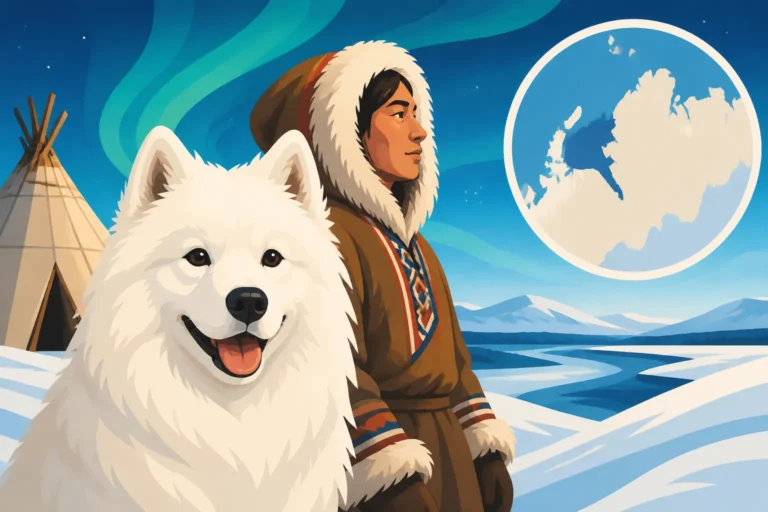
In the brutal, unforgiving environment of the polar regions, traditional modes of transport were often useless. Horses, while effective in some snowy terrains, struggled in the deep snow and extreme cold of Antarctica, often succumbing to the harsh conditions. Mechanical vehicles were still in their infancy and proved notoriously unreliable in such freezing temperatures. This left one tried and true method: the sled dog. For centuries, indigenous peoples in Arctic regions had relied on dogs for hunting, travel, and hauling, proving their incredible resilience and efficiency in cold climates. It was only natural that polar explorers would turn to these incredible animals. The Nenets of the Yamal Peninsula Bred the Samoyed, establishing a lineage of dogs perfectly suited for this work.
Early polar explorers quickly recognized the intrinsic value of sled dogs. These animals were not merely beasts of burden; they were essential members of the team, providing companionship, alarm systems against predatory animals, and, most importantly, the muscle power to pull heavy sleds laden with supplies across endless ice and snow. Without them, many expeditions would have been utterly impossible. The success or failure of an expedition often hinged on the health, training, and sheer number of dogs available.
Selecting the Ideal Polar Companion
When explorers set their sights on the poles, they looked for specific qualities in their canine companions: strength, endurance, a thick coat for insulation, and a tractable disposition. Breeds like the Siberian Husky, Alaskan Malamute, and, of course, the Samoyed, quickly rose to prominence. Each breed brought its unique advantages, but the Samoyed, with its dense double coat, incredible stamina, and famously cheerful demeanor, was a top contender. These dogs were adapted to extreme cold, capable of working long hours on minimal rations, and possessed an innate ability to navigate treacherous terrain. How Polar Explorers Took Samoyeds Out of Siberia outlines how these incredible animals came to be known to the Western world.
Many expedition leaders meticulously researched and acquired the best dogs they could find, often traveling to the Arctic regions themselves to select animals directly from indigenous populations. They understood that the genetic fortitude and centuries of adaptation in these working dogs were non-negotiable for survival in the most hostile environments on Earth. The tales of these early expeditions are filled with accounts of the dogs' incredible bravery and loyalty, reminding us that the bond between humans and these animals was paramount to their shared survival.
Amundsen's Triumphant Dash to the South Pole
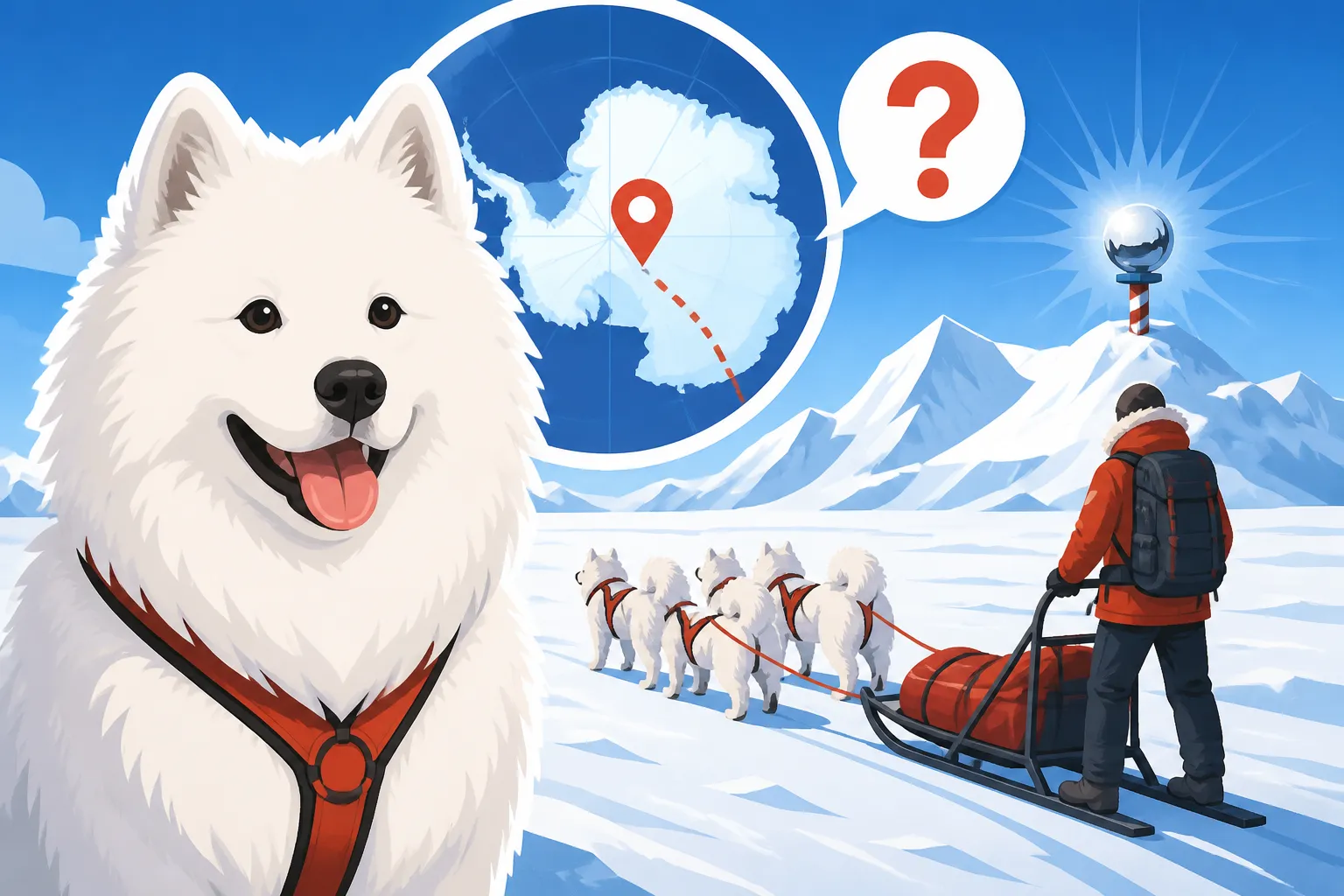
When we talk about Samoyeds reaching the South Pole, one name immediately comes to mind: Roald Amundsen. The Norwegian explorer, famous for his careful planning and mastery of Arctic survival techniques, successfully led the first expedition to reach the geographic South Pole on December 14, 1911. His strategy was fundamentally centered around the effective use of sled dogs.
Amundsen's Strategic Reliance on Dogs
Amundsen’s entire plan for reaching the South Pole was built on a thorough understanding of dog power, a stark contrast to some of his contemporaries. He understood that success hinged on maximizing efficiency and minimizing unnecessary risks. He brought a large team of Greenland dogs, a type of Arctic sled dog, known for their toughness and stamina. While often categorized broadly as "Greenland dogs," many of these working dogs would have shared a common ancestry and physical characteristics with breeds like the Samoyed and Siberian Husky, which were specifically bred for pulling sleds in harsh conditions. Amundsen's Samoyeds played a direct and crucial role in this historic achievement.
Amundsen's approach was pragmatic and, some might say, brutal by modern standards, but it was incredibly effective for survival in that era. He brought more dogs than he initially needed, with the grim but necessary intention of culling the weaker animals along the way, using their meat to feed the remaining dogs and men. This strategy ensured that his main team always had fresh, high-quality food, a critical factor for maintaining strength and endurance over such a grueling journey. His meticulous planning extended to everything from sled design to dog harnesses, ensuring every element was optimized for the treacherous polar terrain.
The Journey to the Pole and Back
Amundsen's team made swift progress across the Antarctic plateau. Their dogs, well-fed and expertly handled, pulled heavy sleds across the icy expanse, covering remarkable distances each day. The Samoyed-type dogs, with their thick coats and robust physiques, were perfectly suited for the immense cold and strenuous exertion. They endured blizzards, crevasses, and the sheer monotony of endless white landscapes, driven forward by their handlers and their own incredible working instinct. Etah, the Samoyed That Reached the South Pole First is a famous example of the courage and capability of these dogs.
Upon reaching the South Pole, Amundsen's party raised the Norwegian flag, achieving a feat that had eluded countless others. The journey back was equally challenging, but thanks to their strategic reserves and the dogs' unwavering strength, the entire human party returned safely. This success was a testament not only to Amundsen's leadership but also to the remarkable resilience and capability of his sled dog teams. Their paws were truly the first to touch the geographic South Pole, making history alongside their human companions.
Scott's Ill-Fated Expedition and Its Canine Contingent
While Amundsen's expedition stands as a triumph of dog power, Robert Falcon Scott's parallel British expedition, which reached the South Pole just weeks after Amundsen, paints a more complex and ultimately tragic picture regarding his use of animals, including Samoyeds.
Scott's Mixed Transport Approach
Scott's expedition employed a "mixed transport" strategy, a decision that would ultimately contribute to its tragic outcome. He brought ponies, motor sledges, and a relatively smaller team of dogs, including some Samoyeds, intending to use each for different stages of the journey. The motor sledges proved unreliable in the extreme cold and quickly broke down. The ponies, while robust on certain terrains, struggled immensely in the soft snow of the Ross Ice Shelf, sank deeper, and were less efficient in the brutal cold. Many perished early in the journey, leaving Scott increasingly reliant on man-hauling.
His approach to dogs was also different. Unlike Amundsen, Scott and his team were not as experienced in handling large dog teams in such extreme conditions. There was also a prevailing sentiment among some British explorers at the time that man-hauling, where men pulled the sleds themselves, was a more honorable or "manly" way to explore, sometimes viewing the reliance on dogs as less heroic. This cultural attitude likely influenced Scott's less dog-centric strategy. The Samoyeds on Scott's Expedition were present, but their role was not as central as in Amundsen's plan.
The Tragic End for Scott's Dogs
Despite having Samoyeds and other sled dogs, Scott's expedition failed to fully leverage their capabilities. The dogs were used primarily for depot laying, helping to establish supply caches for the main polar journey, but were not taken all the way to the Pole by the final party. As the expedition pushed further inland, the extreme conditions, coupled with logistical challenges and a lack of sufficient experience in dog management, took a heavy toll on the animals.
Many of Scott's dogs succumbed to the cold, exhaustion, or were culled to feed the remaining dogs and men, a common, albeit grim, practice of the time. The ultimate tragedy saw Scott and his final four companions perish on their return journey, just miles from a critical supply depot. While the dogs weren't directly with the final party that died, their limited and less effective use in the grand scheme contributed to the overall struggle of the expedition. The harsh realities of polar exploration meant that What Happened to Expedition Samoyeds on the Ice was often a story of immense hardship and sacrifice, regardless of the expedition.
Why Samoyeds Were the Ideal Polar Companions
The Samoyed's inherent characteristics made them one of the most sought-after breeds for polar expeditions. Their genetic makeup and centuries of working alongside humans in the extreme conditions of Siberia had perfectly prepared them for the challenges of the Arctic and Antarctic.
An Unmatched Coat for Unforgiving Cold
A Samoyed's double coat is nothing short of an engineering marvel of nature. It consists of a dense, soft, woolly undercoat that provides incredible insulation, trapping warm air close to the body, and a longer, harsher outer coat of guard hairs that are coarse and stand away from the body. This outer layer repels water, snow, and ice, preventing the undercoat from getting wet and losing its insulating properties. It's truly a testament to natural selection.
This unique coat allows a Samoyed to thrive in temperatures that would be fatal to most other breeds. How a Samoyed Survives Sixty Below isn't just a fascinating fact; it was a survival necessity for these expedition dogs. Their coats protected them from frostbite, blizzards, and biting winds, allowing them to rest in open snow, curled up against the elements. This natural insulation was invaluable for explorers who couldn't always provide elaborate shelter for their canine teams in the middle of a vast ice sheet.
Enduring Stamina and a Willing Spirit
Beyond their incredible coats, Samoyeds possess remarkable stamina and a deep-seated desire to work. Bred for centuries to herd reindeer, pull sleds, and even The Samoyed Slept in the Tent to Keep People Alive, they are accustomed to long hours of physical activity in challenging terrain. Their muscular build, coupled with their endurance, made them excellent choices for hauling heavy loads over vast distances. They might not have the sheer brute force of a Malamute, but their consistent, tireless pace made them incredibly reliable.
What truly set Samoyeds apart, however, was their temperament. Unlike some other working breeds that could be more aloof or challenging, Samoyeds are known for their friendly, eager-to-please, and adaptable nature. This "Samoyed smile" isn't just for show; it reflects a resilient and generally good-natured dog. This willing spirit made them easier to handle, more cooperative in a team, and offered much-needed companionship to men facing isolation and unimaginable stress in the polar wilderness. Their ability to form strong bonds with their human handlers was not just a bonus; it was a psychological anchor in those desolate landscapes.
Intelligence and Adaptability on the Ice
Samoyeds are intelligent dogs, a trait that was vital for navigation and problem-solving in an environment where mistakes could be fatal. They could learn complex commands, anticipate shifts in terrain, and work cohesively as a team. This intelligence also meant they were adaptable, able to adjust to varying conditions and unexpected challenges. When an explorer needed to make a quick decision about route changes or dealing with an obstacle, a smart, responsive dog team was paramount.
Their innate ability to read the environment, perhaps detecting thinner ice or hidden crevasses, could literally save lives. While human intuition and navigation were crucial, the dogs' senses and instinct provided an extra layer of safety. This blend of physical prowess, mental fortitude, and a cooperative temperament solidified the Samoyed's reputation as one of the quintessential polar expedition dogs, capable of facing down the harshest conditions Earth could throw at them. You can really see how they compare to other breeds when looking at The Samoyed Against the Husky and the Malamute.
The Lasting Legacy of the Polar Samoyeds
The contributions of Samoyeds to polar exploration left an indelible mark, not just on the history books but also on the breed itself. Their bravery and resilience captured the imagination of the public and played a significant role in their transition from working dogs in Siberia to beloved companions and show dogs around the world.
From Expedition Hero to Domestic Companion
After the age of heroic polar exploration, the Samoyed breed gained considerable renown. Tales of their courage and crucial role in expeditions, particularly Amundsen's success, spread widely. This newfound fame sparked interest in bringing these beautiful, hardy dogs into homes beyond their traditional working environments. People were captivated by their striking white coats, their "smiling" faces, and the romantic notion of a dog that had faced the ends of the Earth.
Breeders in Europe and North America began to establish dedicated breeding programs, often relying on the descendants of these very expedition dogs. The shift was gradual but profound, moving them from solely working animals to dogs valued for their aesthetics and temperament in a domestic setting. This meant a focus on maintaining their distinctive appearance and their friendly, gentle nature, which made them wonderful family pets.
Preserving the Legacy in Modern Samoyeds
Today's Samoyed still carries the legacy of those brave polar explorers. Reputable breeders understand the importance of preserving the breed's working heritage, even if most modern Samoyeds live as cherished companions rather than sled dogs. They strive to maintain the physical characteristics that made them so successful in the polar regions – the robust bone structure, the dense double coat, and the keen intelligence. At the same time, the wonderful, outgoing temperament that made them such valuable companions on those lonely expeditions is still a hallmark of the breed today.
Even as pet owners, we benefit from this history. The traits that allowed Samoyeds to survive and thrive at the poles are what make them such sturdy, active, and engaging pets today. For example, their dense coat still requires regular grooming, a task that can be simplified with proper tools, perhaps sourced from a reputable online retailer like Chewy, who offers a wide selection of grooming brushes and specialized conditioners. Understanding their heritage can also help owners appreciate their need for exercise and mental stimulation, recognizing that the drive to work and explore is still deeply ingrained in their DNA. How the English Standard Shaped the Modern Samoyed shows how these traits were formalized.
The Enduring Allure and Modern Care
The Samoyed's story is one of incredible versatility and enduring charm. From the freezing tundra of Siberia to the desolate landscapes of Antarctica, they have proven themselves to be loyal, capable, and utterly captivating companions. Understanding their history helps us appreciate the depth of their character and the specific needs that come with sharing our lives with such a magnificent breed.
Meeting the Needs of a Polar Breed in a Modern Home
Caring for a Samoyed today means acknowledging their heritage. While most won't be pulling sleds to the South Pole, they still possess the energy, intelligence, and physical characteristics that allowed their ancestors to do so. This means they require significant exercise, mental stimulation, and consistent training. A bored Samoyed is often a destructive Samoyed, a truth that applies to many working breeds. Engaging them in activities like hiking, canicross, or even urban mushing can tap into their innate desire to pull and work.
Their glorious double coat, while a marvel of insulation, also demands dedicated grooming. Regular brushing is essential to prevent mats and control shedding. For those occasional muddy adventures or general upkeep, high-quality shampoos and conditioners are a must, and many owners find excellent options readily available at places like Chewy. Beyond physical needs, their inherently social nature means they thrive on companionship and being an integral part of the family. They were bred to live and work closely with humans, a trait that makes them wonderfully affectionate but also prone to separation anxiety if left alone for too long.
Samoyed Expeditions: Then and Now
The expeditions of Amundsen and Scott were feats of human and canine endurance, forever etching the Samoyed's place in history. Their role was critical, their sacrifices immense, and their spirit, truly heroic. Today, while few Samoyeds will ever venture to such extreme locales, their adventurous spirit lives on. Many owners engage them in recreational dog sports that echo their historical roles, such as sledding, skijoring, or carting. These activities not only provide excellent physical outlets but also strengthen the bond between dog and owner, much like the unbreakable bonds forged on the icy plains of the world's poles.
It's a beautiful reflection of their enduring legacy that a breed capable of such incredible feats of survival and labor can also be such a gentle, smiling presence in our homes. The fact that Samoyeds were indeed among the first dogs to reach the South Pole is a powerful reminder of their extraordinary capabilities and a testament to the incredible partnership between humans and these magnificent "snow angels."
| Expedition Leader | Primary Dog Use | Dogs Reached South Pole | Outcome for Humans | Dog Breed/Type |
|---|---|---|---|---|
| Roald Amundsen | Primary transport & food | Yes | Successful return | Greenland Dogs (Samoyed-type) |
| Robert Falcon Scott | Depot laying; support | No (final party used man-hauling) | Perished on return | Samoyeds, others |
Disclaimer
This article is for general informational purposes only and does not constitute professional advice. Laws, prices and regulations vary by location and change over time. Consult a qualified professional for guidance on your specific situation.