Whether a Samoyed Is Part Wolf
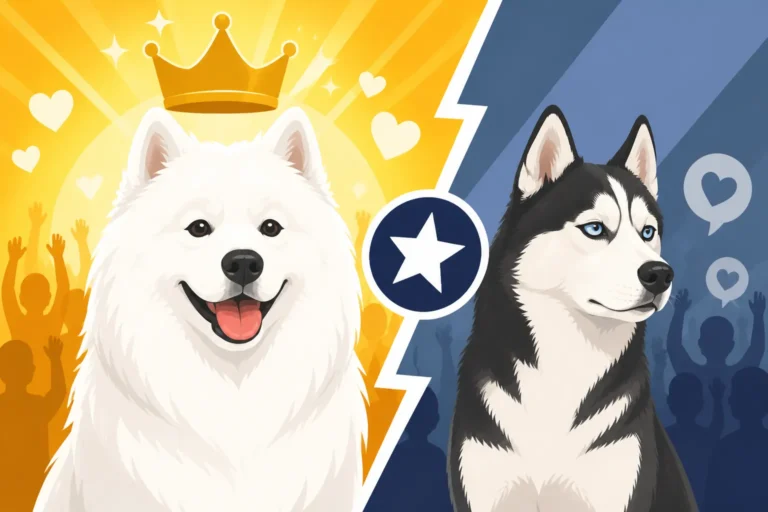
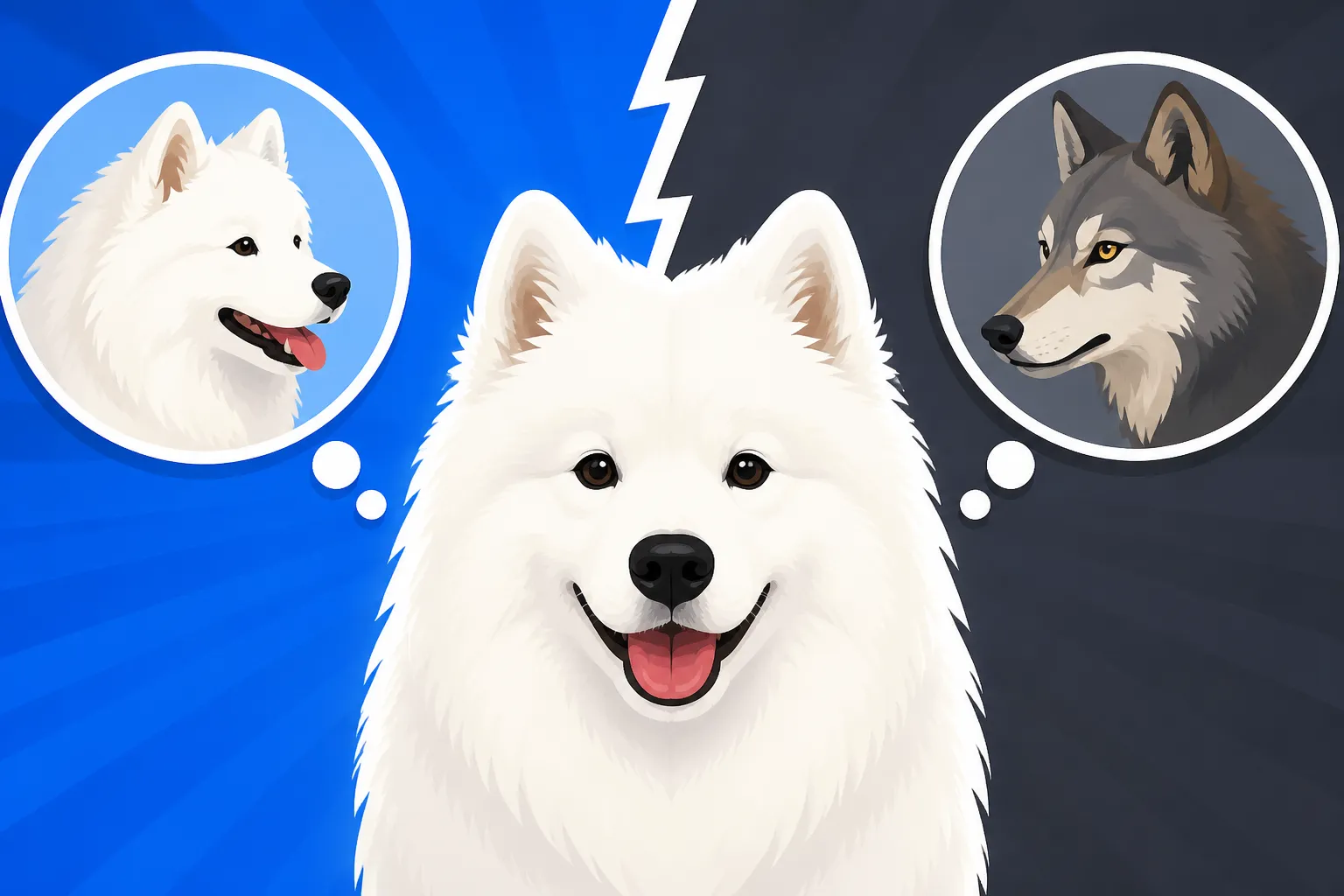
It's a common sight: someone spots a magnificent Samoyed, with its thick white coat and piercing gaze, and the immediate thought that springs to mind is often, "Wow, that looks like a wolf!" This striking resemblance sometimes leads people to wonder if Samoyeds, with their ancient lineage and wild beauty, might actually be part wolf. It’s a fascinating question, and one that often causes a fair bit of confusion among prospective owners and even seasoned dog enthusiasts. This guide aims to clear up that very common misconception, diving deep into the Samoyed's true history, genetics, and behavioral traits to show why they are, unequivocally, dogs through and through, not wolf-hybrids.
The Enduring Allure of Wolf-Like Dogs
There's no denying the magnetic pull of animals that retain a touch of the wild. For centuries, humans have been captivated by creatures embodying strength, independence, and a primal connection to nature. When we see a dog that echoes the majestic appearance of a wolf, it taps into something deep within us.
Why We See Wolves in Our Pets
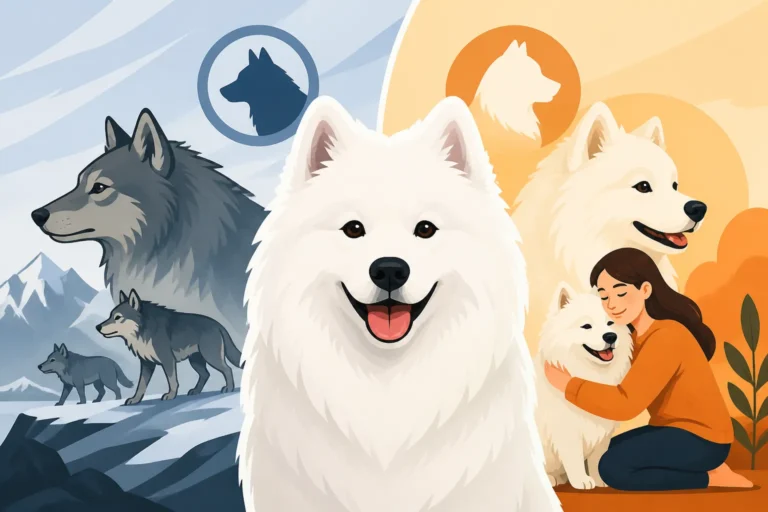
The visual similarities between certain dog breeds and their distant wolf ancestors are undeniable. Dogs, including the Samoyed, do share a common ancestor with the gray wolf. This isn't a secret; it's a fundamental aspect of canine evolution. However, the path of domestication diverged from that wild ancestor tens of thousands of years ago. What we're seeing in many Northern breeds, like the Samoyed, Siberian Husky, and Alaskan Malamute, are retained ancestral traits that were either selectively bred for or simply remained prominent in their genetic makeup due to their geographical origins and the specific roles they played alongside humans. These breeds often come from regions where their survival and utility depended on traits that were, at one point, crucial for their wild forebears.
The Visual Similarities That Spark the Question
Let’s be honest, a Samoyed's pointed ears, often almond-shaped eyes, and powerful build certainly conjure images of a wild canid. Their luxurious double coat, designed for extreme cold, adds to this rugged, untamed aesthetic. The way they carry themselves, with a certain proud independence, can further fuel the idea that they are "closer to the wolf." You might see a Samoyed trotting through a snowy field, head held high, and momentarily mistake it for a creature straight out of the wilderness. It's an easy leap to make visually, especially if you're not deeply familiar with canine genetics or breed history. But these characteristics, while striking, are the result of thousands of years of careful selection and adaptation within the domestic dog species, not recent interbreeding with wolves.
Understanding Canine Evolution and Domestication
To really understand why a Samoyed is not part wolf, we need to take a step back and look at the bigger picture of how dogs came to be. It’s a story spanning millennia, deeply intertwined with human history.
The Divergence from the Gray Wolf
All domestic dogs, from the tiny Chihuahua to the massive Great Dane, share a common ancestor: the gray wolf. This divergence, however, happened a very, very long time ago – estimates vary, but it's generally accepted to be between 15,000 and 40,000 years ago. During this immense period, early wolves began a process of co-evolution with humans. Those wolves that were less fearful, perhaps even scavenging around human settlements, gained an advantage. Over countless generations, through both natural selection and early human intervention, their genetic makeup changed. They became smaller, their skulls shifted, their teeth became less formidable, and crucially, their temperament transformed. They learned to understand human cues, forming the foundational bond that defines the dog-human relationship today. This wasn't a sudden event but a gradual, ongoing process that resulted in a new species: Canis familiaris, the domestic dog, distinct from its wild wolf cousin.
How Breeds Developed Over Millennia
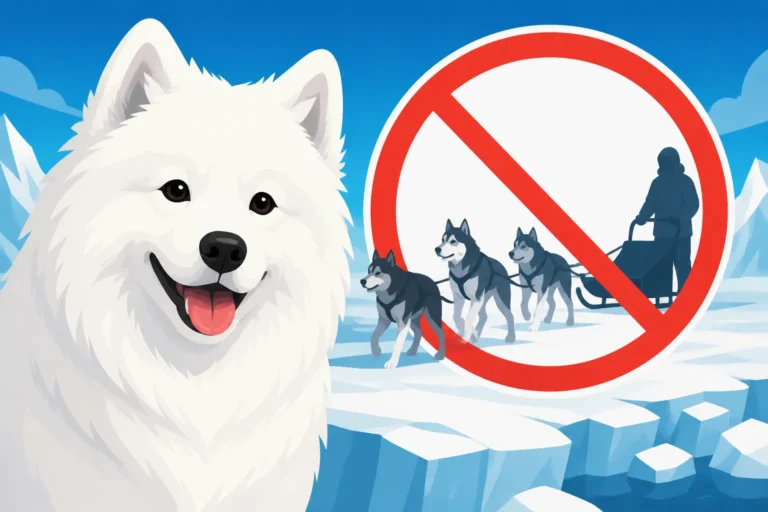
Once dogs were firmly established as a separate species, humans began to intentionally shape them for specific tasks. This is where the concept of "breeds" comes in. Different groups of people in different parts of the world needed dogs for different jobs: herding, hunting, guarding, pulling sleds, or simply providing companionship. Through selective breeding – choosing animals with desirable traits to reproduce – humans created the incredible diversity of dog breeds we see today. The Samoyed is a prime example of this. Its ancestors were selected for their ability to thrive in Arctic conditions, to herd reindeer, and to pull sleds, all while maintaining a gentle, cooperative temperament suitable for living closely with nomadic tribes. Each breed, therefore, represents a specialized branch of the domestic dog family tree, developed far removed from direct wolf influence. The Samoyed Slept in the Tent to Keep People Alive is a testament to this close domestication.
The Samoyed's Ancient Lineage
The Samoyed's story is one of profound partnership with humans, rooted deeply in the icy expanses of Siberia. Understanding this history is key to appreciating their true identity as dogs.
Tracing the Samoyed's True Ancestry
The Samoyed breed hails from the Arctic regions of Siberia, specifically with the nomadic Nenets people of the Yamal Peninsula. For thousands of years, these indigenous people relied heavily on their dogs for survival. These weren't just pets; they were integral members of the family and vital working partners. Their dogs were bred to herd reindeer, provide warmth in tents during brutal winters, and pull sleds across vast, snowy landscapes. This long and intimate relationship meant that temperament was just as important as physical prowess. A dog that was aggressive or unreliable wouldn't survive or be tolerated in such close quarters. The Samoyed's lineage is pure domestic dog, shaped by these specific needs, not by recent crosses with wild wolves. The Nenets of the Yamal Peninsula Bred the Samoyed highlights this incredible history.
The Role of the Nenets People
The Nenets people didn't just 'have' dogs; they lived with them. The dogs were an extension of their family unit, sleeping in the chums (tents) with them to keep both humans and dogs warm. This forced a level of docility, friendliness, and trainability that you simply wouldn't find in a wolf or a fresh wolf-hybrid. While the Samoyed retained its strength and endurance, it was always balanced with a cooperative and gentle nature. This co-habitation shaped the Samoyed's famous "smile" – a physical trait that prevented drooling and icicle formation in extreme cold, but also reflects their generally good-natured disposition. This centuries-long interaction with humans solidified their status as a deeply domesticated breed, distinct from any wild canine.
Genetic Studies and Samoyed Heritage
Modern genetic studies have provided even clearer insights into the Samoyed's ancestry. These studies consistently place the Samoyed among the "ancient breeds," meaning their genetic lineage diverged early from the wolf but before the development of most modern breeds. They are not direct wolf descendants in the way a wolfdog hybrid is a recent cross, but rather represent one of the oldest branches of the domestic dog family tree. DNA analysis shows a clear separation between these ancient dog breeds and contemporary wolf populations. While they share a deep common ancestor, the Samoyed's genetic profile is distinctly canine, showcasing a unique evolutionary path shaped by its human companions over thousands of years. They are as much a product of human civilization as any other purebred dog, just from a very specific and ancient one.
Dispelling the Myth: Samoyed vs. Wolf Hybrids
The confusion often arises because people don't fully understand the difference between a dog breed with ancient wolf ancestry (like the Samoyed) and an actual wolf-dog hybrid. Let's make that distinction clear.
Key Differences in Temperament and Behavior
This is perhaps the most crucial difference. Samoyeds, as mentioned, were bred for millennia to live and work closely with humans. They are known for their friendly, gentle, and often mischievous temperament. They are highly social, crave companionship, and despite their independent streak, are generally eager to please and can be trained, albeit sometimes with a charming stubbornness. Training a Samoyed That Finds Obedience Negotiable is a common experience for owners! They make fantastic family pets and are usually great with children and other animals, provided they are properly socialized.
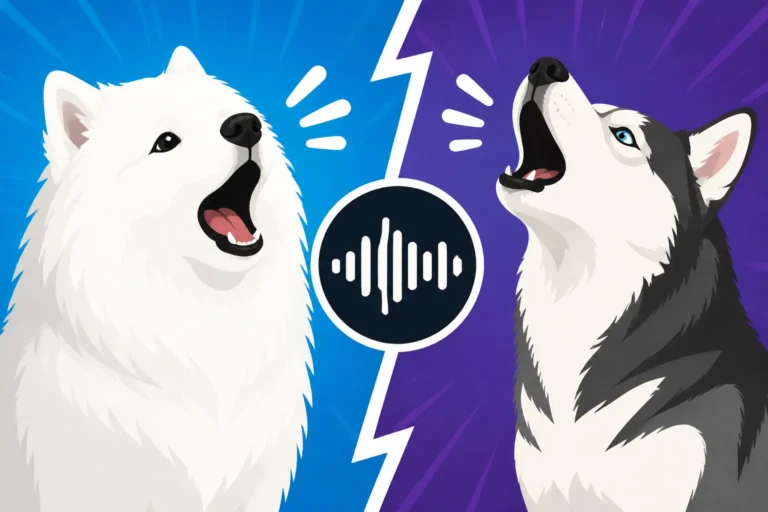
Wolf-dog hybrids, on the other hand, are a different story entirely. They possess an unpredictable mix of dog and wolf traits. Wolves are wild animals driven by instinct, caution, and a deeply ingrained fear of humans. They are not naturally inclined to please humans or fit into a domestic environment. A wolf-dog hybrid can exhibit extreme shyness, aggression, or a challenging level of independence that makes them incredibly difficult, if not impossible, to safely manage as pets. Their social structure is different, their reactions to stimuli are different, and their needs are entirely alien to a typical home environment. The Samoyed's famous "scream" might be loud, but it's not the territorial warning bark of a wolf. The Samoyed Scream and Why It Is Not Barking highlights this unique canine vocalization.
Physical Distinctions Beyond a Fluffy Coat
While a Samoyed's appearance can be wolf-like, there are clear physical distinctions when you compare them closely to true wolves or wolf-hybrids.
- Eyes: Samoyeds typically have dark, almond-shaped eyes, often with a gentle expression. Wolves usually have lighter, amber-colored eyes set at a different angle, conveying a more intense, wary gaze.
- Skull and Muzzle: While strong, a Samoyed's skull is typically broader and its muzzle shorter and less tapered than a wolf's.
- Ears: Samoyed ears are thick, erect, and well-furred, perfectly adapted to their cold environment. Wolf ears can appear relatively larger and less rounded.
- Tail: Samoyeds carry their tails curled over their backs when alert or happy – a classic Spitz trait. Wolves typically carry their tails lower, often tucked between their legs as a sign of submission, or straight out when running.
- Coat: While both have dense coats, the Samoyed's double coat is specifically designed for insulation in extreme cold, often presenting as pure white, cream, or biscuit. Wolves have coats designed for camouflage and protection in their specific wild habitats, typically displaying various shades of gray, brown, and black.
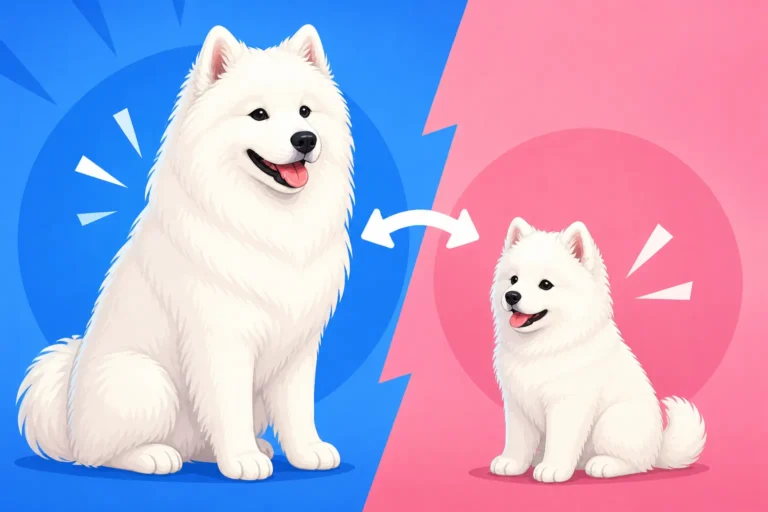
- Size and Build: Although Samoyeds are robust, they are generally smaller and less rangy than a typical gray wolf. Wolves are built for endurance hunting over vast distances, with a more athletic and lean physique. What a Samoyed Actually Weighs gives an idea of their typical size.
These differences, while subtle to the untrained eye, are distinct markers for those familiar with both species.
The Implications of Believing the "Part Wolf" Myth
Thinking a Samoyed is "part wolf" might seem harmless, but it can lead to significant misunderstandings and even dangerous situations for both the dog and its owners.
Unrealistic Expectations for Pet Ownership
When someone believes they are getting a "part wolf" dog, they might harbor unrealistic expectations about its behavior, trainability, and needs. A Samoyed, while strong and spirited, is a dog. It thrives on companionship, structure, and positive reinforcement. It needs appropriate exercise, socialization, and mental stimulation, like exploring new toys or treats from Chewy, just like any other dog. Expecting it to behave like a wild animal or a fearsome guard dog (which they absolutely are not – Why a Samoyed Will Never Guard Your House) will lead to frustration and potential behavioral problems. Owners might misinterpret a Samoyed's independence as wildness or its vocalizations as aggression, when in reality, these are simply breed-specific dog behaviors. This misconception can hinder proper training and bonding, leading to a breakdown in the human-animal relationship.
The Dangers of Wolfdog Ownership
Perhaps even more critically, the romanticized idea of owning a "part wolf" can lead individuals down the path of acquiring actual wolf-dog hybrids. This is a fraught and often heartbreaking endeavor. Wolfdogs are not suitable pets for the vast majority of people. Their needs are incredibly complex, often requiring specialized containment (they are expert escape artists!), diets, and behavioral understanding that far exceeds what a typical dog owner can provide. They are notorious for destructive behavior, difficulty with house-training, and unpredictable responses to social situations due to their conflicting genetic drives.
Many wolfdogs end up in rescues or euthanized because their owners were unprepared for the reality of their care. It’s a tragic outcome born from a misunderstanding of canine genetics and behavior. Laws regarding wolf-dog ownership vary widely and can be very strict, further complicating matters. It’s a stark reminder that while a Samoyed might look wild, it is a domesticated companion, and to equate it with a wolf or a wolf-hybrid is to do a disservice to both the dog and the majestic wild creature it distantly descended from.
Samoyed vs. Gray Wolf: A Quick Comparison
To further clarify the distinction, here's a brief overview of key characteristics:
| Feature | Samoyed (Domestic Dog) | Gray Wolf (Wild Animal) |
|---|---|---|
| Species | Canis familiaris | Canis lupus |
| Origin | Arctic Siberia, bred by Nenets people over millennia | North America, Eurasia; wild populations |
| Temperament | Friendly, gentle, social, playful, adaptable, trainable (with independent streak) | Shy, wary of humans, driven by instinct, highly territorial, requires vast space |
| Social Needs | Thrives on human companionship, integrates into family unit | Lives in complex pack structures with minimal human interaction |
| Eyes | Dark, almond-shaped, gentle expression | Lighter, amber, intense, often wary expression |
| Tail Carriage | Curled over back (when alert/happy) | Carried low, often tucked; rarely curls over back |
| Vocalizations | "Samoyed scream," barks, howls, chuffs, grumbles | Howls (communication), growls, snarls |
| Purpose | Herding, sled pulling, companionship, warmth | Hunting, survival in the wild, perpetuating the species |
| Trainability | Responsive to positive reinforcement, can be stubborn | Extremely difficult to train for domestic tasks, naturally independent |
| Diet | Domestic dog food (kibble, fresh food options like those found on Chewy) | Primarily fresh prey, scavenged carrion |
Conclusion
So, to definitively answer the question: no, a Samoyed is not part wolf in the sense of being a recent wolf-hybrid. While they share a very ancient common ancestor with the gray wolf, just like all domestic dogs, the Samoyed has been a distinct, domesticated canine breed for thousands of years. Their striking, wild appearance is a testament to their Arctic heritage and the specific traits that were carefully selected and nurtured by the Nenets people. They are magnificent, purebred dogs, known for their smiling faces and loving, albeit sometimes spirited, personalities. Appreciating a Samoyed means understanding and celebrating its unique and ancient journey as one of humanity's most beautiful and devoted companions, completely separate from the wild ways of the wolf.
Disclaimer
This article is for general informational purposes only and does not constitute professional advice. Laws, prices and regulations vary by location and change over time. Consult a qualified professional for guidance on your specific situation.