Whether a Female Samoyed Is Much Smaller
One common question that pops up in discussions among potential Samoyed owners, or even those just admiring these fluffy, smiling dogs from afar, is whether there's a significant size difference between males and females. It's a valid concern, not just for aesthetics, but for practical reasons like handling, space, and even how much food you'll be dishing out! This guide will dive deep into the nuances of Samoyed size, looking beyond simple measurements to understand what makes each gender unique and how those differences might impact your life with this wonderful breed.
Understanding the Samoyed Breed Standard for Size
When we talk about dog breeds, "standard" refers to the ideal characteristics outlined by kennel clubs. For Samoyeds, these standards provide a blueprint for what a healthy, well-conformed dog of the breed should look like, including their size. It's not just about winning ribbons in the show ring; it's about maintaining the health, function, and integrity of the breed as it was historically developed.
Official Height and Weight Guidelines for Males
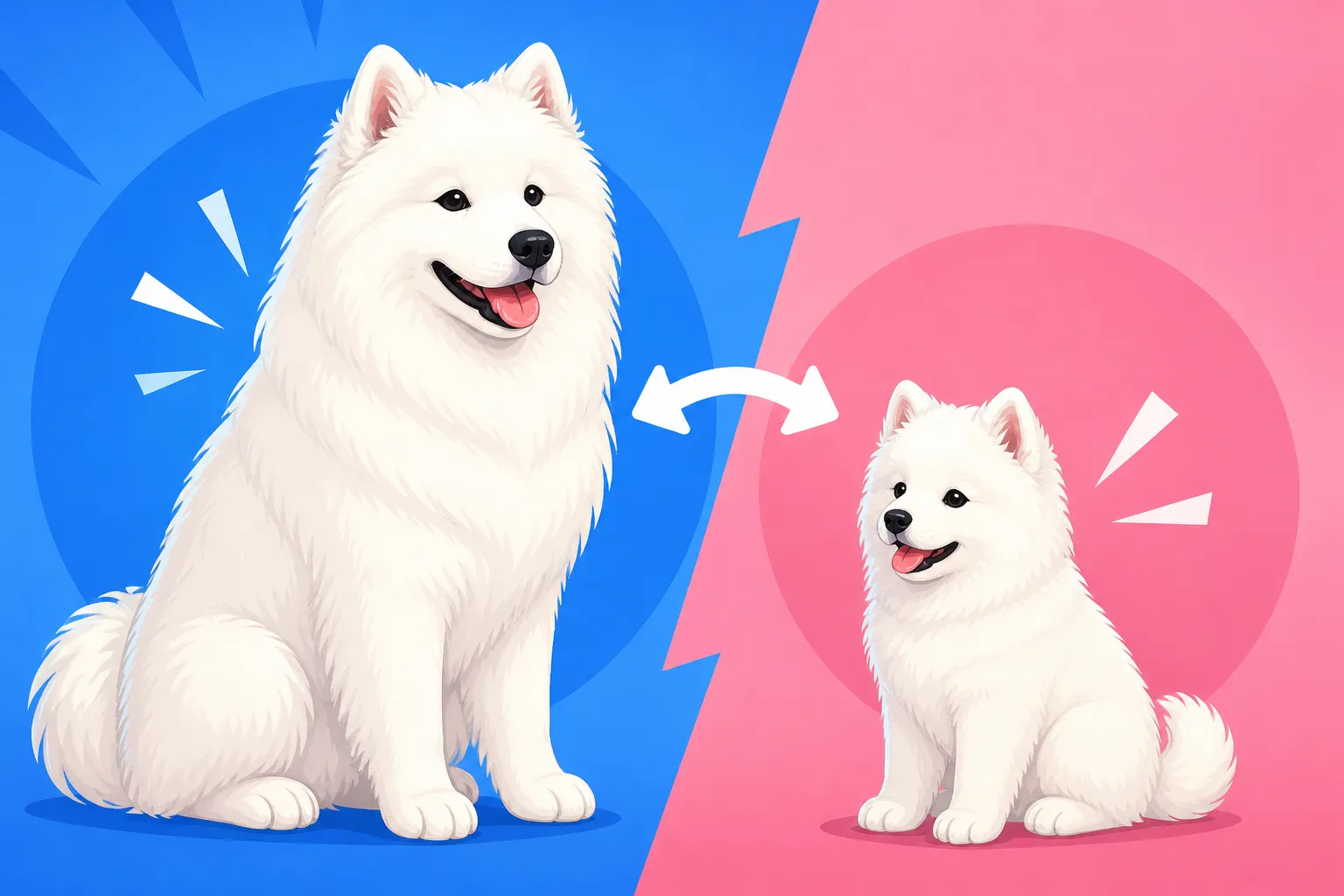
According to most breed standards, male Samoyeds are generally expected to be larger and more substantial than their female counterparts. The typical height range for a male Samoyed, measured at the highest point of the shoulder blades (the withers), usually falls between 21 and 23.5 inches. In terms of weight, you're looking at a range of about 45 to 65 pounds, sometimes even a bit more depending on their build and conditioning. This substantial size speaks to their historical role as powerful sled pullers and guardians of reindeer herds in the harsh Arctic. They needed that strength and bulk to perform their duties effectively, often in deep snow and challenging conditions. It's a build designed for endurance and power, making them truly magnificent animals to behold. You might be interested in reading more about How Much a Male Samoyed Weighs specifically.
Official Height and Weight Guidelines for Females
Female Samoyeds, while still robust and powerful, typically present a more refined and somewhat smaller silhouette compared to males. Their standard height range at the withers is generally between 19 and 21 inches. As for weight, females usually weigh in at about 35 to 50 pounds. This difference isn't just about height or scale weight; it often includes a noticeable difference in bone structure and overall presence. While they retain the same beautiful fluffy coat and iconic "Samoyed smile," a female will generally have a more elegant, less heavy-boned appearance. This doesn't mean they're delicate by any means; they are still incredibly strong and capable dogs, perfectly suited for the same working roles as males, albeit with a slightly different physical emphasis. To explore this further, check out How Much a Female Samoyed Weighs.
The "Overall Impression" Beyond the Numbers
It’s crucial to remember that breed standards aren't just a rigid list of numbers. They often emphasize an "overall impression" or "general appearance" that encompasses proportions, balance, and condition. For Samoyeds, this means looking at the dog as a whole. A male might be 22 inches tall and 60 pounds, presenting a powerful, masculine picture, while a female at 20 inches and 45 pounds would appear distinctly feminine but still strong and proportionate. Sometimes, you might see a particularly large female or a smaller male, but they should still possess the essential characteristics of the breed. The coat, for instance, can play a huge role in how large a Samoyed appears. A dense, full coat can make even a moderately sized dog look quite massive, especially during their "coat blow" periods. This "overall impression" ensures that the breed maintains its distinctive look and functional capabilities, regardless of slight variations within the acceptable size ranges. This goes hand-in-hand with What a Samoyed Actually Weighs and How Tall a Samoyed Stands.
More Than Just the Tape Measure: Body Proportions and Build
Beyond the numbers of height and weight, the actual build and proportions of a Samoyed are what truly distinguish the genders in terms of size and presence. It's about how that weight and height are distributed, and the underlying skeletal structure.
The Male's Stockier Frame
Male Samoyeds are, by nature, built to be more substantial. Think of a stocky, powerful build. They often have broader chests, heavier bone, and a more pronounced ruff of fur around their neck, which can make their heads appear larger and more masculine. Their bodies tend to be deeper and more barrel-chested, reflecting their history as working dogs that needed stamina and strength for pulling sleds and herding reindeer over long distances. This robust frame gives them an unmistakable presence, making them feel quite solid and imposing when you stand next to one. When you observe them, their gait often reflects this power, moving with purpose and strength. This is an intentional part of the breed's development, ensuring they could withstand the rigors of their original environment and tasks.
The Female's Finer Bone Structure
In contrast, female Samoyeds typically possess a finer, more elegant bone structure. While still strong and athletic, their build is generally less massive. They might have a slightly narrower chest and a less voluminous ruff, giving them a more graceful, feminine outline. Their bodies are often a bit longer in proportion to their height, and they carry themselves with a fluid, agile movement that differentiates them from their male counterparts. This isn't to say they are delicate; they are incredibly hardy dogs. However, their physical form is generally more refined, a distinction that breeders carefully consider to maintain proper breed type. It’s the subtle differences in their bone density and muscular development that contribute most to this perceived size difference, even if the actual height measurement isn't drastically varied.
How Coat Depth Can Deceive the Eye
Ah, the glorious Samoyed coat! It's one of their most defining features, but it's also a master of illusion when it comes to perceiving size. Samoyeds have a magnificent double coat: a harsh, straight outer coat and a dense, woolly undercoat. This plush coat can add several inches to their apparent circumference and make them look significantly larger and heavier than they actually are. Imagine seeing a male Samoyed with his full, majestic winter coat – he might look like a bear! Now imagine a female in full coat; she will also appear much larger than her lean, athletic frame underneath.
This effect is particularly noticeable when a Samoyed is "blowing coat," a seasonal process where they shed their entire undercoat. Suddenly, the dog you thought was a giant might look surprisingly svelte. Grooming also plays a huge role. A well-groomed Samoyed with a fluffed-out coat will always appear larger and more imposing than one whose coat is damp, matted, or simply not brushed out. So, while a female Samoyed is generally smaller, her expansive fur often makes her appear much closer in size to a male than her actual body mass would suggest. It's definitely something to consider if you're thinking about a Samoyed, as How Often a Samoyed Needs Brushing becomes a daily reality!
Factors Influencing a Samoyed's Adult Size
While genetics lay down the blueprint for a Samoyed's potential size, several other factors can influence whether they reach the upper or lower end of their breed's spectrum. It's a combination of nature and nurture that ultimately shapes your fluffy companion.
Genetics and Lineage: Looking at the Parents
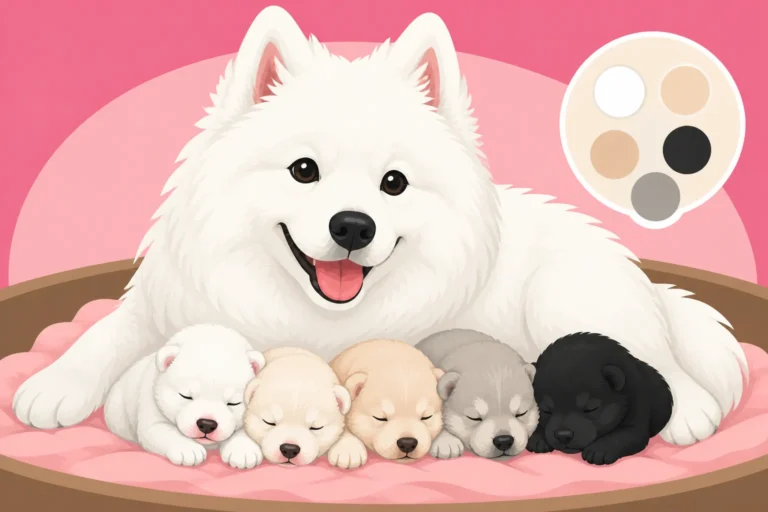
The most significant predictor of a Samoyed's adult size is their genetic heritage. Just like in humans, puppies tend to inherit traits, including size, from their parents and ancestors. If both parents are on the larger side of the breed standard, their offspring are more likely to also be larger. Conversely, if the parents are smaller, their puppies will likely follow suit. This is why a reputable breeder will be transparent about the size of their breeding dogs and their lineage. They understand the importance of maintaining breed type and producing healthy, well-proportioned puppies. Looking at the parents can give you a very good indication of The Age a Samoyed Stops Growing and whether they will keep growing into a larger adult. It's not just about the immediate parents, either; the size of grandparents and even great-grandparents can sometimes offer clues, as genetic traits can skip generations or express themselves differently.
Nutrition During Growth Stages
Proper nutrition during a Samoyed puppy's critical growth phases is absolutely vital for healthy development and reaching their full genetic potential. A diet that is too low in calories or essential nutrients can stunt growth, while overfeeding, especially with high-calorie foods not formulated for large breeds, can lead to excessively rapid growth. Rapid growth, while seemingly desirable, can put undue stress on developing bones and joints, potentially contributing to issues like hip or elbow dysplasia later in life. This is why many breeders and veterinarians recommend large-breed puppy formulas that promote slower, more controlled growth.
It's a delicate balance. You want to provide enough fuel for their development without pushing them to grow too quickly. High-quality food from brands like Chewy offers specialized formulas for large-breed puppies that are designed to support skeletal development without over-accelerating growth. Ensuring your Samoyed receives balanced meals, appropriate for their age and activity level, throughout their first couple of years is crucial. You want a steady, even growth curve, not a sudden spurt. This thoughtful approach to feeding contributes significantly to their eventual healthy adult size and overall well-being.
Spaying and Neutering Considerations
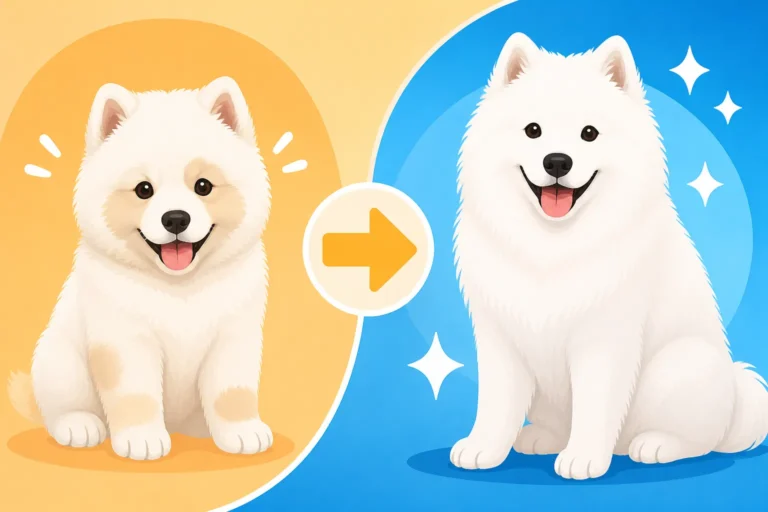
The timing of spaying or neutering can also have an impact on a Samoyed's final adult size and bone development. Studies in various breeds have indicated that dogs spayed or neutered before reaching skeletal maturity (which for Samoyeds can be around 18-24 months) tend to grow slightly taller than their intact counterparts. This is because sex hormones play a role in the closure of growth plates in long bones. When these hormones are removed early, the growth plates may remain open longer, resulting in slightly longer bones and thus a taller dog.
While the difference might not be dramatic, it's something to discuss with your veterinarian and breeder, especially if you're concerned about your Samoyed reaching a particular size. There are health benefits and risks associated with both early and late sterilization, and size is just one piece of that puzzle. For example, delaying neutering might reduce the risk of certain orthopedic conditions, but it could increase the risk of other health issues or behavioral challenges. It's a complex decision that requires careful consideration of all factors, not just size. Whether a Samoyed Fills Out After Two can also be influenced by these hormonal changes, affecting their overall bulk and maturity.
Practical Implications of Size Differences for Owners
Understanding the typical size differences between male and female Samoyeds isn't just an academic exercise; it has real, day-to-day implications for owners. From the moment you bring your fluffy companion home, their size will influence many practical aspects of your shared life.
Handling and Training Dynamics
The size and strength of your Samoyed will directly impact how you handle them, particularly during walks and training sessions. A fully grown male Samoyed, easily reaching 65 pounds or more with substantial muscle, can be a handful on a leash if not properly trained. Even a strong female, around 50 pounds, can exert considerable force. This isn't a breed known for being a dainty walker, especially with their natural instinct to pull. Therefore, solid leash training is non-negotiable, regardless of gender.
Consider equipment: a sturdy harness is essential, and the size will dictate the fit. Smaller females might fit into a wider range of standard harnesses, while larger males might need specialized sizes. The sheer physical presence of a larger male might also require more strength and confidence from the handler, especially in bustling environments or if they decide to chase a squirrel. While a female might be slightly easier to physically manage due to her typically smaller stature, neither sex is a "lap dog" when it comes to managing their strength and enthusiasm. This makes understanding their individual temperament and size crucial for effective and safe handling. You might also want to look into The Household a Samoyed Was Built For to ensure your living situation aligns with a Samoyed's needs.
Equipment and Gear Choices
From collars and leashes to crates and beds, the size of your Samoyed will dictate your equipment choices. A female Samoyed might comfortably use a medium-sized crate, while a large male will definitely need a large or even extra-large model to stand, turn around, and lie down comfortably. Trying to squeeze a big male into a crate that's too small is not only uncomfortable but can be detrimental to their joint health and overall well-being. Think about What a Crate Sized for a Samoyed Costs and ensure you budget for the right size.
Similarly, bowls need to be appropriately sized to prevent uncomfortable eating postures. Car restraints and ramps (especially for older or arthritic dogs) also need to accommodate their weight and height. Even toys need to be robust enough to withstand the chewing power of a larger dog. When shopping at places like Chewy, you'll notice that many products are categorized by dog size, and it's important to select items that are truly suitable for an adult Samoyed, regardless of whether it's a male or female. Opting for gear that is slightly too small is a common pitfall that can lead to discomfort, damage, or even injury for your Samoyed.
Space Requirements and Living Arrangements
While Samoyeds are incredibly adaptable, their size does have implications for their living space, both indoors and out. A larger male Samoyed, simply put, takes up more physical space. This might mean needing larger dog beds, more room for them to stretch out in front of the fireplace, or a more substantial area in the yard for them to run and play. For apartment dwellers, while a Samoyed can live in an apartment with sufficient exercise, a larger male might feel more cramped than a smaller female.
Outdoor space also matters. While no fence is truly Samoyed-proof, a taller, more substantial fence might feel more secure for a larger, more powerful male. Also, consider the impact of their shedding. A larger Samoyed means more fur, which translates to more vacuuming and grooming. While both genders shed extensively, the sheer volume of a larger male's coat can sometimes feel overwhelming. So, while females are generally smaller, both sexes require careful consideration of living arrangements to ensure they have enough room to thrive comfortably without feeling confined or imposing too much on your shared living areas.
Why the Size Difference Matters to Breeders and Enthusiasts
For those deeply involved in the Samoyed breed – breeders, exhibitors, and long-time enthusiasts – the size difference between males and females is more than a casual observation; it's a cornerstone of breed type and health.
Conformation Showing and Breed Type
In the world of dog shows, adhering to the breed standard is paramount. This includes maintaining the distinct sexual dimorphism – the difference in appearance between males and females – that is characteristic of the Samoyed breed. Judges look for males to be undeniably masculine, exuding strength and power, while females should be distinctly feminine, appearing graceful and elegant, yet still substantial. These differences are not just about raw size, but also about overall balance, bone structure, and expression.
A male that looks too delicate, or a female that appears too coarse and masculine, would be considered "out of type." Breeders carefully select breeding pairs to ensure they produce offspring that not only fall within the acceptable height and weight ranges but also embody these subtle yet critical gender-specific characteristics. It's about preserving the artistry and functionality embedded in the breed's physical form, ensuring that future generations maintain the iconic Samoyed look and capabilities.
Working Roles and Historical Context
Historically, the size and build differences between male and female Samoyeds were functional. Males, with their greater strength and endurance, were often the primary sled pullers, responsible for hauling heavier loads over vast, snowy distances. Their stockier frames and powerful muscles were ideally suited for this demanding work. Females, while also contributing to pulling, often played a crucial role in the survival of the nomadic Samoyede people by being agile herders of reindeer and, of course, reproducing the next generation of working dogs. Their slightly lighter build might have afforded them more agility for herding tasks, though both sexes were integral to the daily life of the tribes.
These ancient working roles shaped the physical characteristics we see today. The breed standard reflects this history, acknowledging that while both sexes are capable, there's a natural and advantageous divergence in their physical attributes that made them exceptionally versatile companions in the Arctic. To understand more about their background, you might want to read The Nenets of the Yamal Peninsula Bred the Samoyed.
Maintaining Breed Consistency
One of the core responsibilities of dedicated Samoyed breeders is to maintain consistency within the breed. This means ensuring that each generation produced closely adheres to the established breed standard, including the appropriate size ranges for males and females. If breeders start to disregard these guidelines, you could see a drift in the breed's characteristics – perhaps males becoming too small or females becoming excessively large, blurring the distinct lines that define a Samoyed.
This consistency is vital not only for aesthetics but also for health and temperament. Dogs bred far outside the standard might be more prone to certain health issues or may not embody the classic Samoyed personality. By carefully monitoring size, structure, and overall type in their breeding programs, reputable breeders work to preserve the Samoyed as we know and love it, ensuring that future owners can expect a dog with predictable characteristics, both physically and temperamentally. It's a continuous effort to safeguard the future of this ancient and beloved breed.
| Characteristic | Male Samoyed (Typical) | Female Samoyed (Typical) |
|---|---|---|
| Height (Wither) | 21-23.5 inches | 19-21 inches |
| Weight | 45-65+ pounds | 35-50 pounds |
| Bone Structure | Heavier, more substantial | Finer, more elegant |
| Chest Depth | Broader, deeper | Slightly narrower |
| Overall Impression | Powerful, masculine | Graceful, feminine |
| Ruff | More pronounced | Less voluminous |
| Strength | Greater pulling power | Agile, enduring |
Living with Both Genders: A Harmony of Sizes
Whether you decide on a male or a female Samoyed, or perhaps even have the joy of sharing your life with both, understanding their individual attributes, beyond just size, is key to a harmonious household. While size plays a role, it's just one piece of the rich tapestry of Samoyed companionship.
Temperament and Personality Beyond Size
It's tempting to generalize about temperament based on sex and size, but with Samoyeds, personality often transcends these physical distinctions. While some might observe that male Samoyeds can be a bit more rambunctious or "goofy" during their adolescent years, and females sometimes mature a touch faster, these are broad generalizations. Each Samoyed, regardless of sex, is an individual with their own unique quirks and charms.
Both male and female Samoyeds share the breed's hallmark traits: a friendly disposition, a playful nature, an innate desire to be part of the family, and that famous "Samoyed smile." They are intelligent, often mischievous, and highly social dogs. A smaller female can be just as strong-willed and independent as a larger male, and a big male can be a gentle, affectionate giant. Therefore, when choosing a Samoyed, it’s far more important to focus on the individual puppy’s temperament, the reputation of the breeder, and how well their personality aligns with your family’s lifestyle, rather than solely on their anticipated adult size or sex.
Managing Multi-Samoyed Households
For those fortunate enough to share their lives with multiple Samoyeds, the size differences between males and females can sometimes influence group dynamics. Often, an intact male and female can coexist peacefully, especially if spayed/neutered. However, two intact males, or even two strong-willed females, might sometimes challenge each other, regardless of size. This is less about their physical dimensions and more about their hormonal status and individual personalities.
In a multi-dog household, regardless of size, clear communication, consistent training, and providing ample resources (beds, toys, individual attention, food from Chewy!) are crucial for preventing conflict. Ensuring each dog has their own space and understands their place within the family unit helps maintain peace. While a larger male might physically dominate, it doesn't automatically mean he will be the "alpha" of the house; often, the smallest female might rule the roost with a flick of her ear! Understanding the specific personalities of your dogs and managing their interactions carefully is far more important than their height or weight when it comes to fostering a happy pack.
The Beauty of Individual Variation
Ultimately, the beauty of the Samoyed breed lies not just in its adherence to a standard, but in the delightful individual variations within that framework. While there are typical size ranges for males and females, every Samoyed is unique. You might meet a robust, slightly larger female, or a more compact, athletic male. These variations are what make each dog special.
Instead of getting hung up on precise measurements, it's more enriching to appreciate your Samoyed for who they are: a loyal, loving, and beautiful companion. Their size, whether they lean towards the larger male end or the more refined female end of the spectrum, is simply one characteristic of their overall magnificent presence. What truly matters is the bond you build with them, the joy they bring to your life, and the endless smiles they offer.
Disclaimer
This article is for general informational purposes only and does not constitute professional advice. Laws, prices and regulations vary by location and change over time. Consult a qualified professional for guidance on your specific situation.