Where the Samoyed Ranks in AKC Registrations
Many people who fall in love with the majestic Samoyed often wonder just how popular these beautiful, smiling dogs truly are. It seems like you see them everywhere on social media and in advertisements, their fluffy white coats and ever-present "Samoyed smile" capturing hearts globally. But does this online visibility translate into official recognition and high rankings in breed registries? This comprehensive guide will delve into where the Samoyed ranks within the American Kennel Club (AKC) registrations, exploring what these numbers truly signify, what factors influence a breed's standing, and what the ups and downs of popularity mean for the Samoyed breed itself.
Understanding AKC Registrations: More Than Just a Number
When we talk about a breed's "ranking" in the United States, we're almost always referring to its position on the American Kennel Club's annual list of most popular breeds. But what exactly does this list represent, and what are its limitations? It's crucial to understand the context before drawing conclusions about the Samoyed's standing.
What the AKC Registry Represents
The AKC registry is, at its core, a record of purebred dogs in the United States. To be registered with the AKC, a dog must be born from AKC-registered parents of the same breed, and its litter must also be registered. This system is designed to maintain pedigrees and track the lineage of purebred dogs, ensuring that breeders can verify the ancestry of their stock. When a breed climbs the AKC popularity ranks, it means that more puppies of that specific breed are being registered each year. This system is distinct from a general popularity contest of all dogs, as it focuses exclusively on purebreds and their documented heritage. It's about tracing back to foundational stock, ensuring breed type, and maintaining a verifiable record for the future of the breed.
How Rankings Are Determined
The AKC's annual popularity rankings are determined by the number of individual dogs registered within each breed during a given calendar year. So, if more Samoyed puppies are registered with the AKC than, say, Bernese Mountain Dogs in a particular year, the Samoyed would rank higher. This is a snapshot of new purebred dog ownership and breeding activity. It's a simple count: the more new registrations, the higher the rank. These rankings are eagerly anticipated by breed enthusiasts and breeders alike, as they can sometimes reflect trends in dog ownership and public perception. A breed that consistently ranks high often means it has widespread appeal and demand, while a lower-ranking breed might be more of a niche choice.
Limitations of AKC Data
While the AKC rankings offer valuable insight into purebred dog trends, they don't tell the whole story. The most significant limitation is that these numbers only account for AKC-registered purebreds. They do not include mixed-breed dogs, which make up a substantial portion of the canine population. They also don't count purebred dogs that might not be registered with the AKC, perhaps because their breeders chose not to register the litter or because the owners simply didn't see the necessity. Furthermore, the statistics don't factor in rescue dogs, many of whom are purebreds or purebred mixes, whose popularity might be soaring in adoption circles but wouldn't appear in the AKC's new registration data. So, while a breed might seem less popular on the AKC list, it could still be a beloved companion for many families, found through different avenues. It's important to remember that popularity within the registry isn't the sole indicator of a breed's presence in people's homes and hearts.
The Samoyed's Journey Through the Ranks: A Historical Perspective
The Samoyed, with its ancient lineage and striking appearance, has a fascinating history in the world of purebred dogs. Its journey through the AKC rankings reflects changing tastes, public awareness, and the dedicated efforts of breeders and enthusiasts.
Early Days and Gaining Recognition
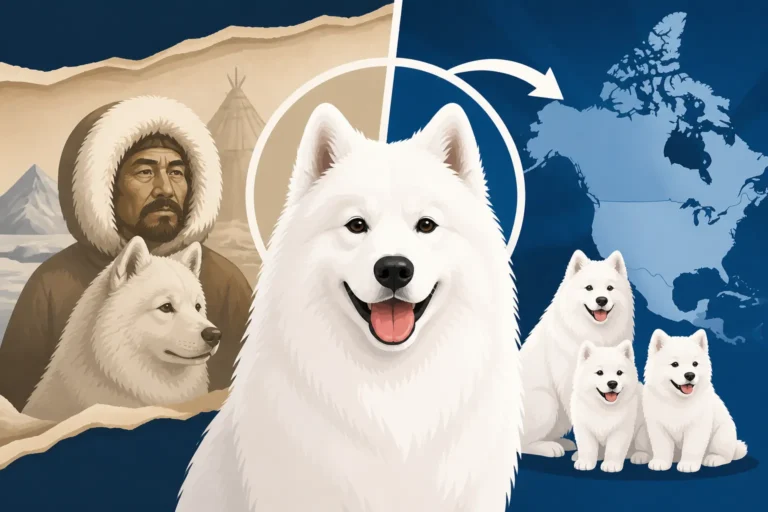
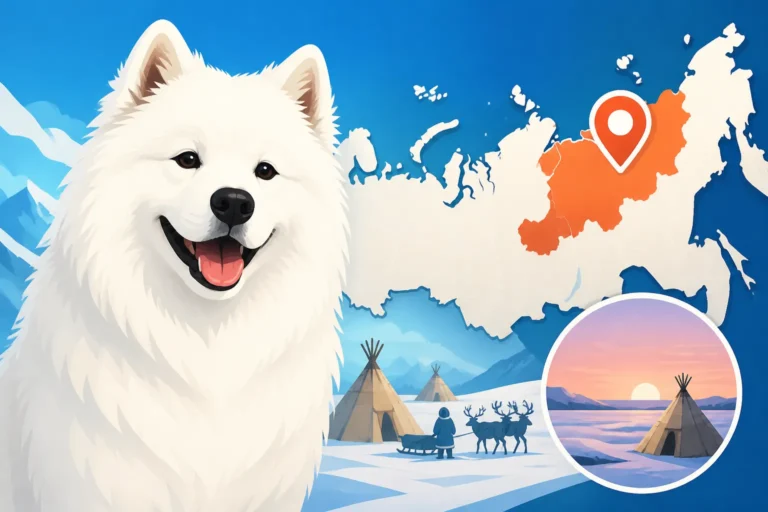
The Samoyed breed's presence in the Western world began in the late 19th and early 20th centuries, primarily through explorers returning from polar expeditions. These magnificent dogs, originally bred by the Nenets people for herding reindeer, sledding, and companionship, quickly captured the imagination of those who encountered them. The Nenets of the Yamal Peninsula Bred the Samoyed. The first Samoyed was registered with the AKC in 1906, and the breed officially received recognition in 1909. In those early years, the Samoyed was a relatively rare breed, a curiosity from distant lands. Its ranking would have been quite low, as only a handful of dedicated individuals were importing and breeding them. The breed was still establishing its foothold, and widespread awareness was limited. The initial popularity was driven by their unique beauty, their history as sled dogs, and the stories of their resilience in harsh conditions, such as those of Etah, the Samoyed That Reached the South Pole First.
Periods of Growth and Decline
Like many breeds, the Samoyed's popularity has seen its share of ebbs and flows. Throughout the mid-20th century, as more people became aware of the breed's charming temperament and stunning looks, their numbers slowly but steadily climbed. They gained a reputation as friendly, intelligent family dogs, making them appealing to a broader audience. However, owning a Samoyed comes with significant commitments, including extensive grooming and a need for considerable exercise, which can deter some potential owners. The Grooming Bill on Twenty Pounds of Samoyed Undercoat can be a real eye-opener! There have been periods where their popularity plateaued or even dipped slightly as other breeds captured the public's fancy. These fluctuations are often tied to shifts in lifestyle, housing trends (smaller homes mean smaller dogs), and the influence of media.
Current Standing: Where Do They Land?
In recent years, the Samoyed has enjoyed a resurgence in visibility, thanks in no small part to social media platforms. Their photogenic "smile" and fluffy appearance make them natural stars online, leading to increased interest. As a result, their AKC ranking has generally been on an upward trend. While they typically don't break into the top 10 or even top 20 (dominated by perennial favorites like Labradors, German Shepherds, and Golden Retrievers), they usually comfortably reside within the top 50, often hovering in the 40s. This position indicates a healthy and consistent level of interest without the overwhelming demand that can sometimes lead to irresponsible breeding practices. They are sought after enough to maintain a strong presence, but not so popular as to become a "fad" breed. This balance is often seen as a good thing by responsible breeders who prioritize health and temperament over sheer numbers.
Here’s an illustrative table of how the Samoyed might compare in AKC rankings over different periods, alongside a couple of other well-known breeds for context. Please remember these numbers are illustrative to show trends, as real-time data is not available.
| Breed | Early 1900s (Illustrative) | Mid-Century (Illustrative) | Early 2000s (Illustrative) | Recent Years (Illustrative) |
|---|---|---|---|---|
| Labrador Retriever | N/A (Not yet recognized) | Top 10 | 1 | 1 |
| German Shepherd Dog | Low | Top 5 | Top 5 | Top 5 |
| Beagle | Top 20 | Top 10 | Top 10 | Top 10-20 |
| Siberian Husky | Low | Top 50 | Top 20 | Top 15-25 |
| Samoyed | Low (New) | Mid-Range (50-70) | Mid-Range (60-80) | Upper Mid-Range (40-50) |
This table demonstrates that while the Samoyed hasn't reached the stratospheric heights of breeds like the Labrador, its journey has been one of gradual, steady growth and sustained appeal, solidifying its place as a cherished purebred.
Factors That Sway a Breed's Popularity (and the Samoyed's Place in Them)
The rise and fall of breed popularity are complex phenomena influenced by a myriad of factors, ranging from fleeting trends to inherent breed traits. Understanding these elements helps to explain where the Samoyed stands and why.
Media Influence and Social Media Trends
In today's interconnected world, media exposure plays an enormous role in a breed's popularity. A dog featured prominently in a movie, a TV show, or even a commercial can experience a massive surge in demand. More recently, social media has become an undeniable powerhouse. The "Samoyed smile," with its perpetually happy expression and fluffy white coat, is incredibly photogenic and goes viral easily on platforms like Instagram and TikTok. This visual appeal has undoubtedly contributed to a renewed interest in the breed. People see these adorable dogs online and immediately fall in love with their charming looks. This digital exposure creates a perception of widespread popularity, even if the actual AKC registration numbers don't place them in the top ten. It's a double-edged sword, as it raises awareness but can also lead to impulse buying without a full understanding of the breed's extensive needs.
Breed Characteristics and Lifestyle Fit
Beyond media glamor, the intrinsic characteristics of a breed and how well they fit into modern lifestyles are paramount. Samoyeds are known for their friendly, gentle, and intelligent nature. Why a Samoyed Wants to Be in the Room With You. They are also high-energy dogs that require significant exercise and mental stimulation. The Job a Samoyed Actually Needs. Their thick double coats demand extensive grooming to prevent matting and manage shedding. Caring for a Samoyed Past Nine requires commitment to coat care, for example. These factors, while endearing to dedicated owners, can be challenging for those with less time or experience. A person living in a small apartment with a demanding job might find it difficult to meet the needs of a Samoyed, despite loving their appearance. This reality often acts as a natural filter, preventing the Samoyed from reaching the absolute top of the popularity charts, which are often dominated by breeds perceived as easier to integrate into various family structures and activity levels. This self-selection helps ensure that many Samoyeds end up in homes that are better prepared for their unique requirements.
Breeding Practices and Availability
The availability of puppies and the practices of breeders also play a role in a breed's AKC ranking. Highly popular breeds often attract commercial breeders or "puppy mills" looking to profit from demand, which can increase the sheer number of registered puppies but often at the expense of health and temperament. For the Samoyed, while interest has grown, it hasn't reached the level of mass production. Most Samoyed puppies come from dedicated hobby breeders who prioritize health testing, genetic diversity, and finding suitable homes. The Health Tests Both Samoyed Parents Should Have. This responsible approach means there aren't an endless supply of Samoyed puppies, which inherently keeps their numbers from soaring too high. While this might mean a longer waitlist for prospective owners, it generally results in healthier, better-socialized puppies and helps maintain the integrity of the breed standard. A reputable breeder will also be transparent about the real costs and commitments, including potential lifetime expenses that a site like Chewy might help you budget for in terms of food, toys, and grooming supplies.
Comparing the Samoyed: Where They Stand Against Canine Giants
Understanding the Samoyed's position truly comes into focus when we compare them to other popular breeds. They inhabit a unique space, beloved by many but not quite reaching the ubiquitous status of some canine giants.
Against Top-Tier Breeds
When you look at the breeds that consistently hold the top spots in AKC rankings—Labrador Retrievers, French Bulldogs, German Shepherds, Golden Retrievers—you're looking at dogs that, for various reasons, have achieved broad appeal. Labradors and Goldens, for instance, are often perceived as universally friendly, adaptable, and relatively easy to train, making them ideal family pets for a wide range of households. German Shepherds offer loyalty and trainability, appealing to those seeking a working dog or a protective companion. These breeds often have extensive public recognition and are frequently chosen by first-time dog owners. The Samoyed, while possessing many wonderful qualities, has specific needs that differentiate it. Its high grooming requirements, vocal nature The Samoyed Scream and Why It Is Not Barking, and independent streak mean it isn't quite as "plug-and-play" as some of these top-tier breeds. This difference in perceived ease of ownership naturally keeps their numbers a bit lower.
Against Other Northern Breeds
A more appropriate comparison for the Samoyed is often with its fellow Northern breeds, such as the Siberian Husky and the Alaskan Malamute. These breeds share similar origins, cold-weather adaptations, and a distinct aesthetic. The Siberian Husky often ranks higher than the Samoyed, frequently landing in the top 15-25. Huskies are also highly visible on social media and have a slightly more "wild" or exotic appeal to some. They also come in a wider range of colors, which might add to their mass appeal. Alaskan Malamutes tend to be similar to or slightly below Samoyeds in popularity, often appealing to those looking for an even larger, more powerful sled dog. While all three are intelligent and active, How a Samoyed's Shedding Compares With a Husky's is a question many prospective owners of Northern breeds ask. The Samoyed's unique "smile" and perhaps slightly softer, more companion-focused history, as opposed to the purely working history of some other sled dogs, might give it a different kind of appeal within this niche. Ultimately, the choice between these breeds often comes down to personal preference for size, coat type, and subtle temperament differences, but they all share the commonality of needing dedicated owners who understand their heritage.
The Niche Appeal: Why Some Breeds Thrive Without Being Number One
Not every breed needs to be number one to be successful or well-loved. Many breeds thrive with a dedicated, smaller fanbase that appreciates their specific qualities. The Samoyed fits perfectly into this category. Its consistent placement in the upper mid-range of AKC rankings signifies a steady, informed demand rather than a fleeting trend. Owners who choose a Samoyed are often drawn to its specific blend of beauty, intelligence, and affectionate nature, knowing full well the commitment involved in grooming its glorious coat and providing adequate exercise. They understand that The Grooming Bill on Twenty Pounds of Samoyed Undercoat is part of the package. This niche appeal ensures that the breed remains cherished by those who truly understand and can meet its needs, rather than being mass-produced for an uneducated market. This focused appreciation often leads to stronger breed clubs, more responsible breeding, and a healthier future for the dogs themselves. Many Samoyed owners wouldn't trade their fluffy companions for any top-ranked breed, showcasing the power of specific, well-matched ownership.
The Double-Edged Sword of Popularity: What High Rankings Mean for Samoyeds
Any shift in a breed's popularity, whether upward or downward, brings with it a unique set of challenges and opportunities. For the Samoyed, its current standing presents both benefits for the breed and potential pitfalls to navigate.
Potential Benefits of Increased Awareness
When a breed gains more visibility, even if it’s not at the very top of the charts, several positive things can happen. Firstly, increased awareness means more people learn about the Samoyed's wonderful qualities, like their joyful disposition and beautiful appearance. This can lead to more inquiries for puppies from responsible breeders, ensuring the breed continues to flourish and find loving homes. Secondly, higher demand can support dedicated breeders who invest heavily in health testing, proper nutrition (easily found on sites like Chewy), and raising well-socialized puppies. This financial stability helps ensure the continuity of ethical breeding practices. Lastly, increased popularity often means more resources become available. We see more breed-specific clubs, rescue organizations Why Samoyeds Reach Rescue at Eighteen Months, and even specialized products tailored to the Samoyed's unique needs, from grooming tools designed for their thick coats to specialized harnesses for pulling activities. All these contribute to a better quality of life for individual Samoyeds and the breed as a whole.
The Risks of Over-Popularity
However, every silver lining has a cloud, and sudden, significant surges in popularity can pose serious risks to any breed. When a breed becomes a "fad," it attracts unscrupulous individuals seeking to profit quickly. These "backyard breeders" or commercial operations often bypass crucial health screenings, compromise on genetics, and neglect proper puppy socialization in their rush to meet demand. This can lead to an increase in hereditary health problems, such as hip dysplasia or eye diseases, and can also compromise the breed's famous temperament, resulting in shy or aggressive individuals. Furthermore, many people acquire a dog based on looks alone, without fully understanding the breed's needs. For a Samoyed, this could mean an owner unprepared for the extensive grooming, vocal tendencies, or high energy levels. Such mismatches often lead to dogs being surrendered to shelters or rescue organizations, placing a burden on these groups. Maintaining a balanced level of popularity, where demand meets responsible supply, is crucial for the breed's long-term health and welfare.
Maintaining Breed Integrity
The dedicated members of breed clubs, like the Samoyed Club of America, work tirelessly to maintain the integrity of the breed, regardless of its AKC ranking. These individuals focus on educating the public about the breed's true nature, promoting responsible breeding practices, and advocating for health testing. They establish and uphold the breed standard, which describes the ideal Samoyed in terms of appearance, temperament, and structure, ensuring that future generations remain true to their heritage. This includes preserving their original working abilities. Pulling: What a Samoyed Was Actually Bred to Do. They also provide resources for owners, host events, and support rescue efforts. This collective effort acts as a vital safeguard against the negative impacts of fleeting trends, ensuring that the Samoyed continues to be a healthy, happy, and authentic representation of its ancient heritage, rather than just a fleeting popular dog.
Beyond the Numbers: The True Measure of a Samoyed's "Success"
While AKC registration rankings offer a snapshot of a breed's presence in the purebred dog world, they are by no means the sole or even most important indicator of a breed's true "success." For Samoyed enthusiasts, the real measure lies in factors far more profound than numerical position.
Health and Longevity
Ultimately, what matters most to any dog owner is the health and lifespan of their beloved companion. A breed that is robust, relatively free from debilitating genetic diseases, and enjoys a good lifespan is far more "successful" than one that is numerically popular but plagued by health issues. The Samoyed typically enjoys a healthy lifespan, often The Twelve to Fourteen Years a Samoyed Lives, which is a testament to the conscientious breeding efforts within the community. While Samoyeds, like all breeds, can be prone to certain conditions such as hip dysplasia or eye problems, responsible breeders actively screen for these issues, helping to ensure the health of future generations. Owners are often encouraged to keep a close eye on their Samoyed's health throughout its life. After all, a long, healthy life with a happy dog brings far more joy than merely owning a "popular" one.
Temperament and Trainability
The Samoyed's temperament is arguably its most defining and cherished characteristic, even more so than its stunning looks. Known for being gentle, friendly, and utterly devoted to their families, Samoyeds are often described as having a joyful, almost clownish personality. Their affectionate nature means Why a Samoyed Wants to Be in the Room With You is a question many owners can answer with "because they love being close!" This delightful disposition makes them wonderful companions and great with respectful children and other animals, contributing immensely to their value as family pets. While they can be intelligent, their independent spirit and occasional stubbornness mean they are not always the easiest to train, requiring patience and consistency. Their vocal nature and propensity for "talking back" are also unique traits. These qualities, however, are what endear them to their owners. A Samoyed that fits well into a family, bringing joy and companionship, is a truly successful dog, regardless of where it ranks on a list.
Preserving Their Working Abilities
The Samoyed's heritage as a working dog, bred for herding reindeer and pulling sleds in the harsh Arctic, is an integral part of its identity. While many Samoyeds today live as cherished family pets, the preservation of their working abilities remains important to many within the breed community. Participating in activities like sledding, canicross, or even carting allows Samoyeds to express their natural instincts and utilize the strength and endurance for which they were originally bred. The Age a Samoyed Can Start Pulling is a common question for those interested in these sports. These activities not only provide excellent physical and mental stimulation but also help to maintain the breed's athletic build and sound structure. A breed that retains its functional capabilities, demonstrating its historical purpose, is a vibrant and truly successful one. It speaks to the integrity of its genetic code and the dedication of breeders to preserve the qualities that made the Samoyed so indispensable to the Nenets people centuries ago.
Ultimately, while the AKC registration rankings provide an interesting snapshot of purebred dog trends, they don't fully capture the essence of what makes a breed truly successful. For the Samoyed, true success is measured in its enduring health, its unwavering happy temperament, and the preservation of its remarkable working heritage. These are the qualities that truly matter to the families who welcome these magnificent, smiling dogs into their lives.
Disclaimer
This article is for general informational purposes only and does not constitute professional advice. Laws, prices and regulations vary by location and change over time. Consult a qualified professional for guidance on your specific situation.