Why a Samoyed Puppy’s Heart Should Be Listened To
Bringing home a Samoyed puppy is an experience filled with boundless joy, fluffy cuddles, and endless potential for adventure. But amidst all the excitement, it’s easy to overlook crucial health checks that can safeguard their future. One of the most important, and often anxiety-inducing, aspects of a puppy’s initial veterinary visits is the thorough examination of their heart. This guide is here to walk you through why your Samoyed puppy’s heart needs careful attention from day one, what veterinarians are listening for, and what to do if a concern arises.
Understanding Samoyed Heart Health Challenges
When you first bring your Samoyed puppy home, one of the earliest priorities is a visit to your veterinarian for a comprehensive check-up. This isn't just about vaccinations and deworming; it's about establishing a baseline for their health and catching any potential issues early. For Samoyeds, a breed known for its robust appearance and energetic spirit, heart health is a particularly important area of focus, and for good reason.
The Basics of a Puppy Heart Exam
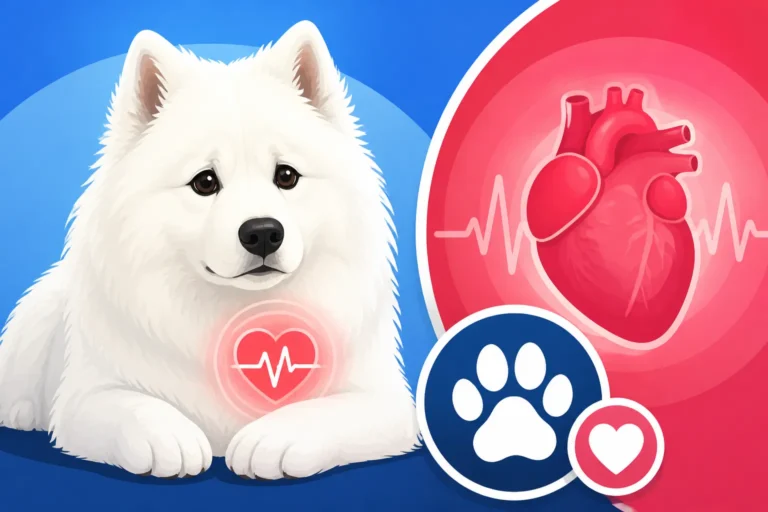
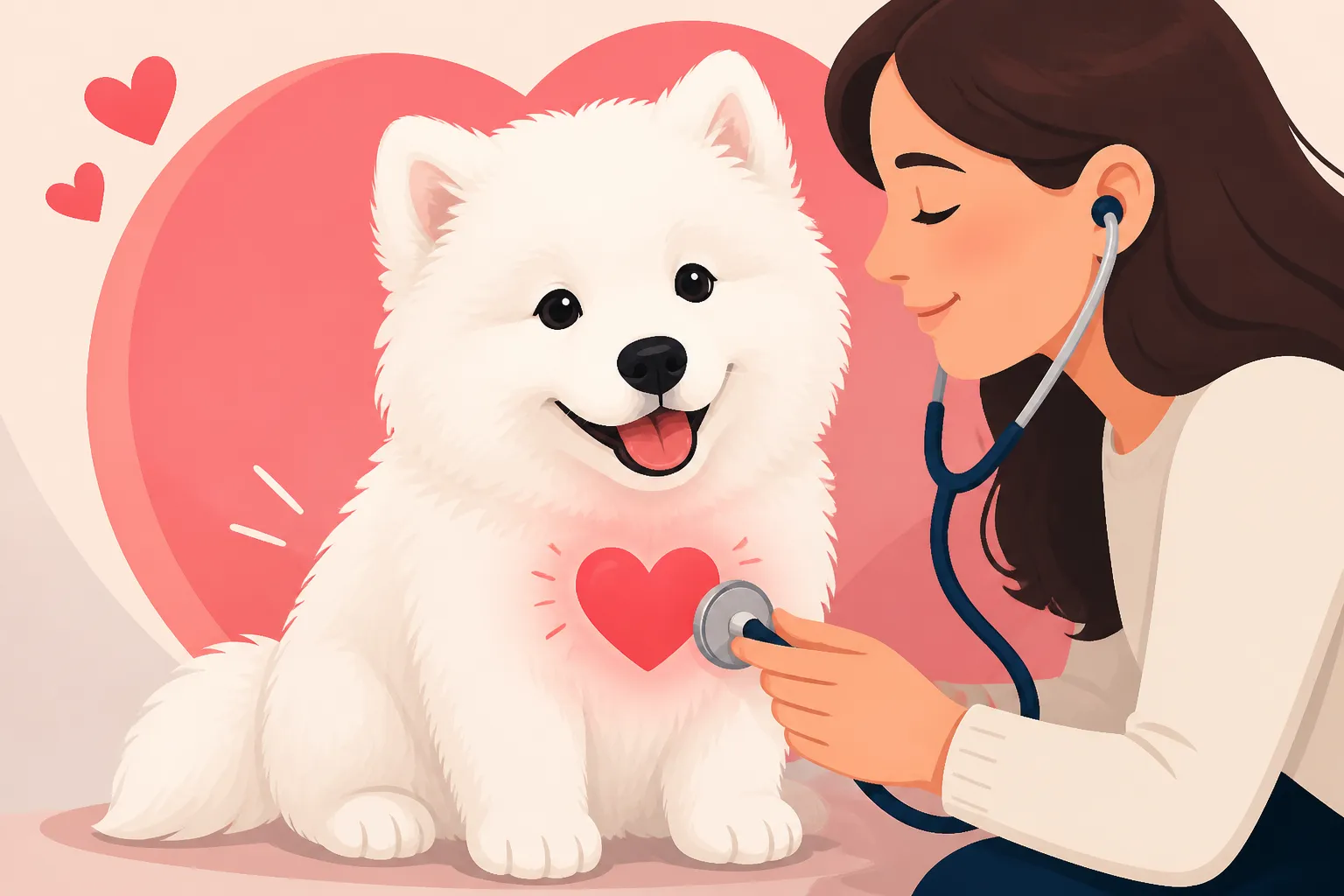
Every puppy's first vet visit should include a detailed physical examination, and listening to their heart is a central part of that. Your vet will use a stethoscope to listen to your puppy's chest, focusing on the distinct sounds of the heart valves opening and closing. They're not just listening for the general rhythm; they're trying to detect any anomalies, like extra sounds or interruptions in the normal "lub-dub." These additional sounds are commonly referred to as heart murmurs.
It's natural to feel a pang of worry if your vet mentions a murmur, but it’s crucial to remember that not all murmurs are indicative of serious problems. Sometimes, especially in young, rapidly growing puppies, "innocent" or "physiologic" murmurs can occur. These are often caused by the turbulence of blood flowing through the still-developing heart and major vessels, and they typically resolve on their own as the puppy matures. However, because Samoyeds can be predisposed to more significant cardiac conditions, distinguishing an innocent murmur from one that signals underlying heart disease is paramount. This initial listening serves as a vital first screening tool, guiding whether further investigation is needed to ensure your fluffy companion has a healthy start to life.
Why Samoyeds Might Be Prone to Heart Issues
While Samoyeds are generally considered a hardy breed, like many purebreds, they can be predisposed to certain genetic health conditions, and unfortunately, heart issues are among them. Specifically, conditions like subaortic stenosis (SAS) have a higher prevalence in Samoyeds compared to the general dog population. This isn't to say every Samoyed will develop a heart condition, but it does mean that breed-specific vigilance is necessary. Their genetics can play a significant role, passed down through generations. A responsible breeder will have performed The Health Tests Both Samoyed Parents Should Have and will be transparent about their lines' cardiac history.
The very traits that make Samoyeds so beloved – their active nature and strong working heritage – also mean that an undiagnosed heart condition could have more severe consequences. A Samoyed might be eager to pull, run, and play, but if their heart isn't functioning optimally, these activities could put undue strain on their system. Understanding this predisposition isn't about fear-mongering, but about empowering owners to be proactive. It emphasizes why that simple stethoscope check during a puppy visit is far from routine; it's a critical step in safeguarding their future well-being and ensuring they can enjoy the active lifestyle they were born for.
The Early Warning Signs Beyond a Murmur
While a veterinarian's stethoscope is the primary tool for detecting a heart murmur, it's equally important for owners to be aware of other subtle signs that might indicate a developing heart issue in their Samoyed puppy. Samoyeds, with their ever-present "Sammy smile" and stoic nature, can sometimes hide discomfort or illness remarkably well, making keen observation even more crucial. Early identification can make a world of difference in managing progression and improving quality of life.
Look for signs such as unusual lethargy or a decrease in activity level that isn't consistent with normal puppy napping. Is your normally boisterous pup suddenly struggling to keep up during playtime, or refusing walks they once enjoyed? Coughing, especially a soft, persistent cough that isn't associated with kennel cough or other respiratory infections, can be a red flag. Difficulty breathing, evidenced by increased effort, rapid breathing at rest, or a blueish tint to their gums, is an emergency. You might also notice exercise intolerance, where your puppy tires quickly, or even fainting spells, known as syncope, during excitement or exertion. Swelling in the abdomen or limbs, though less common in young puppies, could also indicate fluid retention due to heart failure. Observing these subtle changes and promptly communicating them to your vet can provide invaluable clues, even before a murmur becomes more pronounced or other diagnostic tests are performed.
The Specific Concern: Subaortic Stenosis in Samoyeds
Among the various heart conditions that can affect dogs, Subaortic Stenosis (SAS) stands out as a particular concern for Samoyeds. It's not the only cardiac issue they can face, but it's one of the most commonly identified congenital heart defects in the breed. Understanding what SAS is, how it impacts the heart, and its genetic basis is essential for any Samoyed owner or prospective owner.
What is Subaortic Stenosis?
Subaortic Stenosis, often abbreviated as SAS, is a congenital heart defect, meaning it's present at birth. In simple terms, it's a narrowing (stenosis) of the outflow tract from the left ventricle, just below the aortic valve (subaortic). This narrowing is typically caused by a fibrous ring or ridge of tissue that partially obstructs the flow of blood from the heart into the aorta, the body's main artery. Imagine a garden hose with a kink in it – the water still flows, but it has to work much harder to get through, and the pressure on the hose behind the kink increases significantly.
For a Samoyed with SAS, this obstruction means the left ventricle of the heart has to pump with much greater force to push blood past the narrowed area and out to the rest of the body. Over time, this increased workload causes the muscle of the left ventricle to thicken (left ventricular hypertrophy). While the heart muscle thickening might seem like it would make the heart stronger, it actually makes it less efficient, reducing its ability to fill properly and increasing the risk of abnormal heart rhythms and eventually heart failure. The degree of narrowing can vary greatly from mild to severe, directly influencing the symptoms and long-term prognosis for the affected Samoyed. It's a condition that can have significant implications for a puppy's future and is a primary reason Subaortic Stenosis in a Samoyed warrants such serious attention.
How SAS Affects the Samoyed Heart
The direct impact of Subaortic Stenosis on a Samoyed's heart is multifaceted and progressive. As mentioned, the primary issue is the increased workload on the left ventricle. This continuous struggle against the obstruction leads to a compensatory thickening of the heart muscle walls, a process known as hypertrophy. Initially, this thickening helps the heart maintain adequate blood flow, but it's a double-edged sword. An excessively thickened heart muscle becomes less flexible and less able to relax and fill properly with blood between beats. This impairs its efficiency, meaning less oxygenated blood can be pumped out to the body with each contraction.
The turbulent blood flow through the narrowed area can also damage the aortic valve itself, making it more susceptible to bacterial infections (endocarditis). Furthermore, the strain on the heart can lead to irregular heart rhythms, called arrhythmias, which can sometimes be life-threatening and can cause sudden collapse or even sudden death in severe cases. Over time, if the condition is severe and left unmanaged, the heart's ability to pump blood effectively diminishes, leading to congestive heart failure. This can manifest as fluid accumulation in the lungs, abdomen, or limbs, and a gradual decline in the Samoyed's overall health and energy levels. The severity of the SAS directly correlates with the rate of progression and the likelihood of these serious complications, underscoring the urgency of early diagnosis and careful monitoring.
Genetic Predisposition in the Breed
It's not just a coincidence that SAS is discussed so frequently in relation to Samoyeds; there's a recognized genetic component to the condition within the breed. This means that SAS is often inherited, passed down from parent dogs to their offspring. While the exact mode of inheritance can be complex, involving multiple genes or environmental factors, the pattern suggests that certain lines or families of Samoyeds may carry genes that predispose them to developing subaortic stenosis. This genetic link is precisely why ethical and responsible breeders go to great lengths to screen their breeding stock for cardiac health.
Breeders committed to improving Samoyed health will often have their breeding dogs evaluated by a board-certified veterinary cardiologist. These evaluations typically involve an echocardiogram, which is essentially an ultrasound of the heart, to detect any signs of SAS or other congenital heart defects. The results are often registered with organizations like the Orthopedic Foundation for Animals (OFA) to create a public database of health clearances. When you're looking for a Samoyed puppy, asking about these OFA cardiac clearances on both parents is incredibly important. If a breeder is unaware of SAS, dismisses its relevance, or hasn't performed the recommended health screenings, it should be a significant red flag. While genetic testing for SAS isn't as straightforward as it is for some other inherited conditions, careful screening of breeding pairs remains the best tool we currently have to reduce the incidence of this serious heart defect in future Samoyed generations.
Detecting Heart Murmurs During Puppyhood
The initial detection of a heart murmur is usually the first step in uncovering potential cardiac issues. It's a common scenario for new puppy parents, and knowing what to expect during this process can help alleviate some of the inevitable worry. It starts with your routine vet visit and may progress to more specialized diagnostics.
The Vet Visit and Initial Auscultation
During your Samoyed puppy's first few visits to the veterinarian, typically starting around 8 weeks of age for their initial vaccinations and check-ups, the vet will perform a full physical exam. A crucial part of this is auscultation – listening to the heart with a stethoscope. They will listen to various points on your puppy's chest, taking their time to distinguish normal heart sounds from any extra noises. This initial listen is often brief but highly skilled, as veterinarians are trained to pick up on even subtle abnormalities.
If your vet detects a murmur, they'll usually describe it to you and explain that it means there's turbulent blood flow. At this young age, many murmurs are considered "innocent" and resolve spontaneously. However, the vet will note its location, intensity, and timing within the cardiac cycle, as these details help determine the likelihood of it being a benign or pathological murmur. They might recommend re-evaluating the murmur at a subsequent visit, perhaps in a few weeks or months, to see if it has disappeared or changed. This wait-and-see approach is common for mild murmurs in young puppies, but if the murmur is loud or has concerning characteristics, they might recommend immediate further investigation with a veterinary cardiologist. This initial auscultation is the first, vital gateway to understanding your Samoyed's heart health.
Grading the Murmur: What the Numbers Mean
If your veterinarian detects a heart murmur, they will often assign it a "grade" on a scale from I to VI. This grading system describes the intensity or loudness of the murmur, and it's important to understand that a higher grade generally indicates a louder murmur, but not necessarily a more severe underlying heart condition. While a loud murmur (Grade V or VI) is almost always indicative of significant heart disease, a soft murmur (Grade I or II) could still be associated with a serious problem, or it could be an innocent one. It's the overall context that truly matters.
Here’s a general breakdown of the grading system:
| Murmur Grade | Description | Common Characteristics | Potential Significance in Puppies (especially Samoyeds) |
|---|---|---|---|
| Grade I | Very faint, barely audible | Requires a quiet room and careful listening; may come and go. | Often innocent/physiologic in young puppies and may resolve. However, could be an early sign of a mild congenital defect. |
| Grade II | Soft, but consistently audible | Easily heard with a stethoscope in a quiet room; still relatively localized. | Can be innocent, especially if puppy is active/excited, but warrants re-evaluation. Could also be a mild congenital defect that might not resolve. |
| Grade III | Moderately loud | Easily heard and consistent; typically audible over a wider area of the chest. | Less likely to be innocent. Often indicates a mild to moderate structural heart defect, such as Subaortic Stenosis (SAS) or a patent ductus arteriosus (PDA). |
| Grade IV | Loud, audible with thrill (palpable vibration) | Very distinct and widespread; a "thrill" (a vibration felt with the hand on the chest) may be present. | Almost always indicates significant structural heart disease. Requires immediate cardiology referral. In Samoyeds, often suggestive of moderate to severe SAS. |
| Grade V | Very loud, audible with thrill, can be heard with stethoscope partially off chest | Extremely loud; thrill is easily palpable. Can be heard even if the stethoscope is slightly lifted from the chest. | Severe structural heart disease. High likelihood of serious clinical signs and a guarded prognosis without intervention. Strong indicator of severe SAS or other major defects. |
| Grade VI | Extremely loud, audible with thrill, can be heard with stethoscope off chest | Loudest possible murmur; thrill is very strong. Can be heard without the stethoscope touching the chest at all. | Very severe, often life-threatening, structural heart disease. Requires urgent intervention. Indicates a critical condition such as severe SAS or a large PDA. |
It’s the character of the murmur – its timing, where it’s loudest, and whether it’s accompanied by a thrill – combined with the grade, that helps your vet decide if a referral to a specialist for further diagnostics is necessary.
Advanced Diagnostics: Echocardiogram and Specialist Referral
If your veterinarian detects a murmur that is louder, persistent, or has characteristics suggesting an underlying problem, or if you're particularly concerned due to your Samoyed's breed predisposition, the next crucial step is often a referral to a board-certified veterinary cardiologist. This specialist is equipped with advanced diagnostic tools and expertise to accurately assess your puppy's heart health. The primary diagnostic tool used in these cases is an echocardiogram.
An echocardiogram, often called an "echo," is a non-invasive ultrasound of the heart. It provides real-time images of the heart's structure, allowing the cardiologist to visualize the heart chambers, valves, major blood vessels, and the flow of blood through them. For a Samoyed puppy, an echo can precisely identify congenital defects like Subaortic Stenosis, showing the exact location and severity of any narrowing. It can also measure the thickness of the heart walls, assess the heart's pumping function, and detect any abnormal blood flow patterns. Unlike a simple X-ray, which gives a static image, an echo captures the heart in motion, providing a wealth of critical information. The procedure is typically painless and usually requires no sedation, although a very wiggly puppy might need a mild calming agent. Following the echocardiogram, the cardiologist will provide a detailed report, offering a definitive diagnosis, discussing prognosis, and outlining potential management or treatment plans, which is an invaluable step for any Samoyed owner facing a potential cardiac issue.
Interpreting a Heart Murmur Diagnosis
Receiving news that your Samoyed puppy has a heart murmur can be unsettling, but remember that a diagnosis is merely a starting point. The real work comes in understanding what that diagnosis means, whether it's truly a concern, and what steps you'll need to take next. This phase requires clear communication with your vet and potentially a cardiologist.
Differentiating Innocent vs. Pathological Murmurs
One of the most important distinctions a veterinary cardiologist will make is whether your Samoyed puppy's heart murmur is "innocent" (also called physiologic or benign) or "pathological" (meaning it indicates structural heart disease). Innocent murmurs are quite common in puppies, especially those under six months of age. They are often caused by the rapid growth rate, a slightly higher red blood cell count, or a temporarily turbulent blood flow due to the heart and great vessels still maturing. These murmurs are typically soft (Grade I or II), localized, and usually disappear by 4-6 months of age, posing no threat to the puppy's long-term health.
On the other hand, a pathological murmur is a cause for concern because it signals an underlying structural abnormality in the heart, like Subaortic Stenosis, a patent ductus arteriosus, or a ventricular septal defect. These murmurs tend to be louder, broader, and persist beyond puppyhood. An echocardiogram is the definitive tool for distinguishing between the two. The cardiologist can visualize the heart and confirm if there are any defects causing the murmur. For Samoyed owners, given the breed's genetic predisposition to SAS, a persistent or loud murmur should always be thoroughly investigated to rule out a pathological cause, even if it means additional appointments and testing. Understanding this distinction is key to making informed decisions about your puppy's care.
Prognosis Based on Severity
Once a definitive diagnosis of a heart condition like Subaortic Stenosis is made, the prognosis for your Samoyed puppy will largely depend on the severity of the condition. Heart defects can range from very mild to severe, and this spectrum directly impacts the outlook. A mild case of SAS, for example, might mean your Samoyed lives a relatively normal, full life with minimal or no clinical signs and only requires regular monitoring. The heart can often compensate for a slight narrowing without significant strain for many years.
However, a moderate to severe diagnosis of SAS carries a more guarded prognosis. With greater obstruction, the heart works harder, leading to more pronounced hypertrophy and a higher risk of complications such as arrhythmias, congestive heart failure, or even sudden cardiac death. In these cases, the Samoyed's life expectancy might be significantly reduced, and they may experience clinical signs earlier in life. The cardiologist will explain the specific implications of your puppy's condition, including potential lifespan, activity limitations, and the need for medical management. It's a heavy conversation, but having this clear understanding is essential for setting realistic expectations and preparing for the care your Samoyed will need. This is also where foresight in getting pet insurance like Healthy Paws can truly make a difference, covering diagnostics and ongoing treatments for a more secure future.
Financial Implications of Diagnosis and Treatment
Let's be realistic: a heart murmur diagnosis, especially a pathological one, can come with significant financial implications. The initial cardiology consultation and echocardiogram alone can range from several hundred to over a thousand dollars, depending on your location and the specific veterinary hospital. If the diagnosis confirms a condition like Subaortic Stenosis, the costs don't stop there. Managing a cardiac condition often involves lifelong medication, specialized prescription diets, and regular follow-up appointments with the cardiologist, including repeat echocardiograms to monitor progression. These costs can quickly add up to thousands of dollars over your Samoyed's lifetime. For instance, some medications for heart conditions can be daily and expensive, and the need for frequent rechecks means ongoing consultation fees.
This is where having a robust pet insurance plan can be a lifesaver. Many responsible pet owners choose plans from providers like Healthy Paws, which can help cover a significant portion of these unexpected veterinary bills. Planning ahead by insuring your Samoyed puppy before any pre-existing conditions are diagnosed is crucial, as most policies will not cover conditions already identified. Without insurance, owners need to be prepared for the financial commitment required to provide the best possible care for their heart-affected Samoyed. It’s a stark reminder that while the joy of a Samoyed is priceless, their health care can be a substantial investment, and understanding What a Samoyed's Vet Bills Look Like can help you budget accordingly.
Living with a Samoyed Puppy Diagnosed with a Heart Condition
Receiving a diagnosis of a heart condition for your Samoyed puppy is undoubtedly tough news, but it's not a death sentence. Many dogs with heart conditions, even serious ones, can live full, happy lives with proper management and care. It requires commitment, vigilance, and a close working relationship with your veterinary team.
Managing Daily Life with a Heart Murmur
If your Samoyed puppy is diagnosed with a heart condition, managing their daily life effectively becomes a paramount concern. This isn't about coddling them to the point of immobility, but rather about making informed adjustments to ensure their heart isn't unduly stressed while still allowing them to enjoy being a dog. The specific recommendations will vary based on the severity and type of heart condition. For a mild case of Subaortic Stenosis, for example, the main recommendation might be to simply avoid extremely strenuous activity, like competitive sledding, during the hottest parts of the day or for prolonged periods. Regular, moderate exercise, like daily walks in cooler weather, might still be encouraged to maintain overall fitness and muscle tone.
However, for a Samoyed with a more severe heart condition, daily life management might involve stricter limitations. This could mean shorter, more frequent walks, avoiding high-excitement situations, or even restricting intense play with other dogs. Monitoring their breathing rate at rest is also often recommended, as an elevated rate can be an early sign of congestive heart failure. Owners might need to be diligent about preventing obesity, as extra weight puts additional strain on the heart. Dietary modifications might also be suggested, such as a low-sodium diet to help manage fluid retention. The goal is always to find a balance between protecting their heart and preserving their quality of life, allowing them to participate in activities that bring them joy without compromising their health. This careful management plays a huge role in ensuring The Twelve to Fourteen Years a Samoyed Lives are as comfortable and happy as possible.
Treatment Options and Medications
For Samoyed puppies diagnosed with a pathological heart murmur, especially one due to conditions like Subaortic Stenosis, treatment options vary significantly depending on the specific diagnosis and severity. Unfortunately, for SAS, there isn't a simple cure; it's a structural defect that can't be reversed with medication. In some severe cases of SAS, surgical interventions are considered, such as balloon valvuloplasty to try and widen the narrowed area, or open-heart surgery to remove the obstructive tissue. However, these procedures are highly specialized, very expensive, and carry significant risks, so they are not commonly performed on all affected dogs.
More often, the treatment for conditions like SAS is focused on medical management to alleviate symptoms, reduce the heart's workload, prevent complications, and slow the progression of the disease. This typically involves a combination of medications. Beta-blockers, for instance, are commonly prescribed for SAS to help slow the heart rate and reduce the force of contraction, thereby decreasing the workload on the left ventricle and potentially delaying the onset of arrhythmias. Diuretics might be used if congestive heart failure develops, to help remove excess fluid from the body. ACE inhibitors can also be prescribed to help relax blood vessels and reduce the heart's overall effort. Your cardiologist will tailor a precise medication regimen for your Samoyed, and it's absolutely crucial to administer these medications exactly as prescribed, without missing doses, as consistency is key to managing heart disease effectively. Many owners benefit from pet insurance plans like Healthy Paws that can help with the recurring costs of these essential medications.
Long-Term Monitoring and Care
Living with a Samoyed puppy diagnosed with a heart condition means committing to long-term monitoring and ongoing care. This isn't a one-time fix; it's a partnership with your veterinary team for the remainder of your dog's life. Regular follow-up appointments with your veterinary cardiologist are essential, often every 6-12 months, or more frequently if the condition is severe or symptoms change. During these visits, the cardiologist will perform another physical exam, listen to the heart, and likely recommend repeat diagnostic tests, such as echocardiograms, chest X-rays to check for fluid in the lungs, and sometimes ECGs (electrocardiograms) to monitor heart rhythm. These tests allow the cardiologist to assess the progression of the disease, evaluate the effectiveness of current medications, and make any necessary adjustments to the treatment plan.
Beyond clinic visits, you, as the owner, play a vital role in daily monitoring at home. This includes observing your Samoyed for any changes in energy levels, appetite, coughing, breathing patterns, or any signs of exercise intolerance. Maintaining a detailed log of these observations can be incredibly helpful for your vet. Sticking to the prescribed medication schedule and dietary recommendations is also paramount. It's a continuous process of observation, communication, and adjustment, all aimed at ensuring your Samoyed maintains the best possible quality of life despite their heart condition. The dedication to this long-term care is truly a testament to the bond you share with your Samoyed and underscores the responsibility of dog ownership.
The Importance of Responsible Breeding and Health Clearances
The discussion around Samoyed puppy heart health inevitably leads back to the critical role of responsible breeding practices. As caring stewards of the breed, breeders hold a significant responsibility in mitigating the prevalence of inherited conditions like Subaortic Stenosis. For prospective Samoyed owners, understanding these practices is key to making an informed and ethical choice when bringing a new puppy into your home.
OFA Cardiac Clearances: What to Look For
When considering a Samoyed puppy, one of the most important health clearances to inquire about for the parent dogs is their cardiac health. This is typically done through the Orthopedic Foundation for Animals (OFA) cardiac database. The OFA provides a centralized public registry for health testing results, allowing prospective owners to verify the health status of a puppy's parents. For cardiac clearances, this usually involves an examination by a board-certified veterinary cardiologist, often including an echocardiogram, to screen for congenital heart diseases like Subaortic Stenosis. The results will then be registered with OFA, indicating whether the dog is "Clear" or "Affected."
A responsible Samoyed breeder will proudly show you the OFA cardiac clearances for both the mother and father of the litter. You should look for documentation that indicates both parents have been screened and found "Clear" of congenital heart disease by a cardiologist. If a breeder shows you only a "practitioner exam" or claims their vet just listened to the heart, it's not the same as a cardiologist's clearance, which is the gold standard for detecting SAS. While it doesn't guarantee a puppy will never develop an issue, breeding from health-cleared parents significantly reduces the risk. Ignoring these clearances can be a huge gamble, potentially leading to heartbreak and immense vet bills down the line. It's a non-negotiable step in ensuring you're supporting ethical breeding and increasing the chances of a healthy puppy.
Discussing Heart Health with Your Breeder
Engaging in open and honest conversations about heart health with your prospective Samoyed breeder is absolutely critical. This isn't just about asking if the parents have health clearances; it's about delving deeper into their understanding and commitment to breed health. A good breeder will welcome your questions and be eager to discuss the health history of their lines, not just the immediate parents. Ask them specifically about the incidence of Subaortic Stenosis (SAS) in their breeding program and their extended pedigrees. They should be knowledgeable about The COL4A5 Test Every Samoyed Buyer Should Ask About for kidney disease, and also about the prevalence of other hereditary conditions.
Inquire about their experience with puppies developing murmurs or being diagnosed with heart conditions. What steps do they take if a puppy in their litter is found to have a murmur? Do they follow up with buyers? A breeder's transparency and willingness to discuss potential health challenges are strong indicators of their integrity and dedication. They should be able to explain the genetic aspects of SAS and how they are working to minimize its occurrence. If a breeder seems evasive, defensive, or dismissive of your concerns about heart health, it should be a significant red flag. Choosing a puppy from a breeder who prioritizes heart health in their breeding program is one of the most impactful decisions you can make to help ensure a long, healthy life for your Samoyed companion. Considering Whether an Untested Samoyed Litter Is Worth Buying ultimately depends on the confidence you have in the breeder's practices.
The Broader Impact on the Breed
The efforts of individual Samoyed breeders to screen for heart conditions, particularly Subaortic Stenosis, have a much broader impact on the health and longevity of the entire breed. When breeders consistently test their breeding stock and make responsible decisions based on those results, they contribute to a healthier gene pool overall. Conversely, if breeders are lax with health testing or breed affected dogs, they inadvertently perpetuate and amplify these genetic predispositions within the breed. This can lead to a higher incidence of heart disease in future generations, causing more suffering for dogs and more heartache and financial strain for owners.
Organizations like the Samoyed Club of America and the OFA play a crucial role in encouraging health testing and compiling data that helps researchers understand breed-specific health challenges. By supporting breeders who actively participate in these health initiatives, prospective owners become part of the solution. This collective responsibility ensures that the beloved Samoyed, a breed cherished for its stunning appearance and joyful temperament, can continue to thrive for generations to come, free from preventable suffering due to inherited health issues. It's a powerful reminder that every puppy purchase can either strengthen or weaken the future health of the Samoyed breed as a whole.
Disclaimer
The information provided in this article is for general informational purposes only and is not intended as a substitute for professional veterinary advice. Always consult with a qualified veterinarian or veterinary cardiologist regarding any medical concerns or before making any decisions about your Samoyed's health.