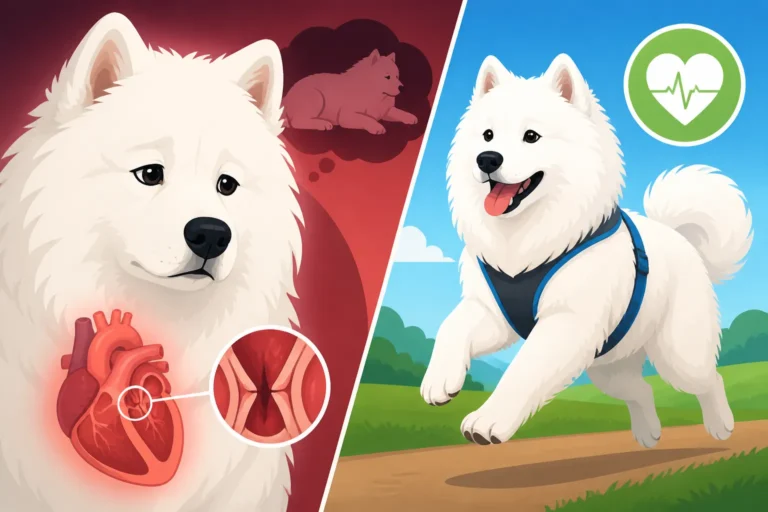
How Many Samoyeds Become Diabetic
One of the most heart-wrenching worries for any Samoyed owner is the thought of their beloved, fluffy companion falling ill. When it comes to complex metabolic conditions like diabetes, the questions can be overwhelming: how common is it, really, in our beautiful white dogs? This guide will dive deep into the prevalence of diabetes in Samoyeds, examining the factors that might put your dog at risk and what you need to understand to keep them healthy.
Understanding Diabetes Mellitus in Samoyeds
Diabetes mellitus, often simply called diabetes, is a serious condition where the body either doesn't produce enough insulin or can't properly use the insulin it does produce. Insulin is crucial because it allows glucose (sugar) from food to enter cells and be used for energy. Without enough effective insulin, glucose builds up in the bloodstream, leading to a cascade of health problems. For a Samoyed, a breed known for its robust health and active lifestyle, a diagnosis of diabetes can feel particularly jarring. It often leaves owners wondering if they missed something or if their dog was uniquely susceptible.
It's important to differentiate between Type I and Type II diabetes. In dogs, the vast majority of cases are Type I, meaning the pancreas is no longer producing sufficient insulin, often due to autoimmune destruction of the insulin-producing cells. This is different from Type II diabetes, which is more common in humans and involves insulin resistance, though dogs can sometimes exhibit a component of resistance, especially if they are overweight. This distinction is vital because Type I diabetes in dogs almost always requires lifelong insulin injections, a reality many Samoyed owners must come to terms with.
How Common is Canine Diabetes Generally?
Before we look at Samoyeds specifically, it's helpful to understand the general landscape of canine diabetes. Studies suggest that diabetes affects approximately 1 in 300 to 1 in 500 dogs in the general population. This makes it a significant health concern for dog owners across all breeds. However, certain breeds do show a higher predisposition, and that's where the focus on our Samoyeds becomes critical. It's not just about the raw numbers, but understanding if our specific breed faces a disproportionate risk. This knowledge helps us be more proactive in monitoring and preventative care, even if it feels a little daunting at times.
When we consider the genetic history and breeding practices of many popular breeds, it becomes clear that some traits, both physical and medical, can become more concentrated within a breed. This isn't necessarily anyone's fault but rather a consequence of closed gene pools and selection for certain characteristics. For conditions like diabetes, which can have both genetic and environmental components, this means breed-specific research is paramount for responsible ownership.
Samoyed Specific Diabetes Prevalence
While comprehensive, large-scale studies specifically on Samoyed diabetes prevalence can be challenging to pinpoint with exact percentages, veterinary epidemiologists and breed-specific health surveys suggest that Samoyeds do appear on lists of breeds with an elevated risk for developing diabetes. They are not as frequently cited as, say, Australian Terriers, Miniature Schnauzers, or Poodles, which consistently rank among the highest risk breeds. However, they are also not among the lowest risk breeds.
Anecdotal evidence from breeders and long-time Samoyed owners, along with various veterinary reports, indicates that diabetes is a recognized concern within the breed, though perhaps not to the same degree as some other health issues. It's not an everyday occurrence for every Samoyed owner, but it's certainly not rare enough to ignore. The fact that the condition is known within the breed community is a sign that vigilance is warranted. So, while you might not see official statistics stating "X% of Samoyeds get diabetes," the consensus is that they are more prone than the average mixed-breed dog. This subtly elevated risk means proactive monitoring of your Samoyed’s health and habits is especially important.
For example, a study might list Samoyeds in a group of "moderately predisposed" breeds, meaning their risk is higher than the general dog population but lower than those at the very top of the list. This categorization is still a call to action for owners to be aware of the signs and engage in preventative measures. Thinking about the long-term health plan for your fluffy friend, understanding these nuances can really make a difference. It helps inform decisions about diet, exercise, and regular veterinary check-ups, especially as your Samoyed approaches middle age. You might want to ask your vet about Whether a Samoyed Needs Yearly Glucose Bloodwork as part of their routine care.
Key Factors Contributing to Diabetes Risk in Samoyeds
Understanding that Samoyeds may have an elevated risk is one thing, but knowing why is even more crucial. Several factors, both genetic and environmental, play a significant role in a Samoyed's susceptibility to diabetes. It's rarely just one thing, but rather a combination of influences that culminate in the onset of the disease.
Genetic Predisposition
Genetics often play a foundational role in breed-specific diseases, and diabetes is no exception. While a specific "diabetes gene" hasn't been definitively isolated and widely tested in Samoyeds as it has for some other conditions like The COL4A5 Test Every Samoyed Buyer Should Ask About for kidney disease, the inherited component is widely accepted. Breeds with higher incidence often share common ancestors, suggesting a genetic lineage that carries a predisposition. This doesn't mean every Samoyed will get diabetes, but it means the blueprint they inherit might make them more vulnerable if other risk factors align.
This genetic factor is why responsible breeders focus not just on physical traits but also on health clearances and family health history. A breeder who can provide information on the health of their lines, particularly concerning conditions like diabetes, gives prospective owners a clearer picture of potential risks. Asking about the incidence of diabetes in the parents or grandparents of a puppy can offer valuable insight, although it’s not a guarantee. Some lineages might simply be more resilient to the condition than others, even within the same breed.
Obesity and Weight Management
One of the most significant environmental factors contributing to diabetes risk in any dog, including Samoyeds, is obesity. While canine diabetes is predominantly Type I (insulin-dependent), excess weight can exacerbate any underlying pancreatic issues and contribute to insulin resistance, making the pancreas work harder. Whether an Overweight Samoyed Is More Likely to Get Diabetes is a resounding yes. A Samoyed with its magnificent double coat can sometimes hide weight gain until it's quite advanced. It’s easy for their fluffy appearance to mask a thickening waistline.
A chunky Samoyed, though adorable, is a Samoyed at increased risk. The extra fat tissue can interfere with the body's ability to use insulin efficiently, placing additional stress on the pancreas. Over time, this chronic stress can wear down the insulin-producing cells, bringing forward the onset of diabetes in a genetically predisposed individual. Monitoring your Samoyed's weight diligently, even feeling for their ribs through that thick coat, is absolutely essential. We want to aim for a lean, athletic build, not a plush marshmallow.
Feeding a high-quality diet appropriate for their activity level and avoiding excessive treats are critical steps in managing weight. Samoyeds are incredibly food-motivated, which can make sticking to a diet challenging, but it's vital for their long-term health. Regular exercise, which we'll discuss, also plays a huge part in keeping them at a healthy weight and metabolically fit.
Pancreatitis Connection
There's a well-established link between pancreatitis and diabetes in dogs. The pancreas, a vital organ, has two main functions: producing digestive enzymes and producing hormones like insulin and glucagon. When the pancreas becomes inflamed (pancreatitis), the cells responsible for insulin production can be damaged. Why Pancreatitis Precedes Samoyed Diabetes in many cases is precisely this direct damage to the insulin-producing beta cells.
Samoyeds are not particularly singled out as a breed with an exceptionally high risk of pancreatitis compared to Miniature Schnauzers or Cocker Spaniels, but they are not immune. Episodes of pancreatitis, especially chronic or severe ones, can gradually destroy enough beta cells that the dog can no longer produce sufficient insulin, leading to diabetes. This makes any instance of pancreatitis a serious red flag and an indicator to monitor for signs of diabetes more closely afterward.
Recognizing the signs of pancreatitis—such as vomiting, diarrhea, abdominal pain, loss of appetite, and lethargy—and seeking prompt veterinary care is critical. Treatment often involves dietary management, pain relief, and supportive care. Preventing future episodes through a low-fat diet can also help safeguard pancreatic health and, by extension, reduce the risk of diabetes. It’s a complex interplay, but a healthy pancreas is crucial for preventing diabetes.
Recognizing the Early Signs of Diabetes in Your Samoyed
Catching diabetes early can make a significant difference in managing the condition and your Samoyed's quality of life. Unfortunately, the early signs can sometimes be subtle, or easily mistaken for other, less serious issues. As a Samoyed owner, being attuned to your dog's normal behavior and physical condition is your best defense.
The onset of diabetes usually develops over weeks or months, not overnight, giving you a window to intervene. Don't ignore persistent changes, even if they seem minor at first. Remember, How a Samoyed Hides Illness Behind a Smile, so you might not get dramatic indications of pain or discomfort until the disease is quite advanced. Their characteristic "Sammy smile" can inadvertently mask underlying health issues, making your observational skills even more important.
Increased Thirst and Urination (PU/PD)
One of the hallmark signs of diabetes in dogs is polyuria/polydipsia (PU/PD), which means increased urination and increased thirst. Owners often notice their Samoyed needing to go outside more frequently, having accidents in the house, or constantly emptying their water bowl. Whether a Diabetic Samoyed Drinks Constantly is one of the most common early indicators that something is amiss.
Here's what happens: with high glucose levels in the blood, the kidneys try to filter out the excess sugar. This process pulls more water with it, leading to increased urine production. To compensate for the fluid loss, your Samoyed will become excessively thirsty and drink much more than usual. This creates a vicious cycle. You might find yourself refilling the water bowl multiple times a day, or your dog might start trying to drink from unusual sources like the toilet bowl or puddles. Pay attention to how often you fill their water bowl, or if they're waking you up more frequently at night to go out.
Unexplained Weight Loss Despite a Good Appetite
This sign can be particularly confusing for owners. You might notice your Samoyed is eating just as much, if not more, than before, yet they are losing weight. Whether Sudden Weight Loss in a Samoyed Means Diabetes is a question that sends many owners to the vet. This happens because, without insulin, the body's cells can't access glucose for energy. Even though there's plenty of sugar in the blood, the cells are essentially starving.
To get energy, the body starts breaking down its own fat and muscle reserves, leading to weight loss. So, while your Samoyed might have a ravenous appetite (polyphagia) because their body thinks it's starving, they continue to shed pounds. This combination of eating a lot and losing weight is a strong indicator of diabetes and warrants immediate veterinary attention. You might notice their magnificent fur suddenly seems to drape over a leaner frame, or their ribs become more prominent under their coat.
Changes in Vision and Cloudy Eyes
Diabetes can have a profound impact on a dog's vision. One of the most common complications is the rapid development of cataracts. Whether a Samoyed's Cloudy Eye Is a Diabetic Cataract is a common concern, and often, it is. High glucose levels in the eye's lens cause water to be drawn into it, leading to swelling and cloudiness. This can happen quite quickly, sometimes over a matter of weeks, and can progress to blindness if left untreated.
You might notice a bluish-white opacity in your Samoyed's eyes, making them appear "cloudy." In some cases, owners might first realize their dog is struggling with vision—bumping into furniture, hesitating on stairs, or being less confident navigating familiar environments, especially in dim light. While other conditions can cause cataracts, rapid onset, especially when accompanied by increased thirst and urination, is highly suggestive of diabetic cataracts. Early diagnosis of diabetes can sometimes slow the progression of these cataracts, though surgery is often the definitive treatment for restoring vision once they are mature.
Lethargy and Weakness
A Samoyed is typically a vibrant, energetic dog. If your Samoyed starts to seem unusually tired, less interested in walks or playtime, or generally more lethargic, it could be a subtle sign of diabetes. Because their cells aren't getting the glucose they need for energy, diabetic dogs often experience generalized weakness and a lack of enthusiasm.
This can manifest as sleeping more, moving slower, or not greeting you with their usual exuberance. You might notice they're less keen to go on their regular adventures or tire out much more quickly during exercise. While lethargy can be a symptom of many health issues, when combined with other signs like increased thirst and weight loss, it reinforces the need for a veterinary check-up. Never dismiss prolonged lethargy in a Samoyed as "just getting old," especially if they are still in their middle years.
Diagnosing and Managing Diabetes in Your Samoyed
If you suspect your Samoyed might be diabetic based on the signs we've discussed, the next step is a prompt visit to your veterinarian. Early and accurate diagnosis is key to starting effective management and preventing severe complications.
The Diagnostic Process
Diagnosing diabetes in a Samoyed usually involves a combination of tests. Your vet will likely start with a thorough physical examination, discussing your observations about your dog's symptoms.
The primary diagnostic tools include:
- Blood Glucose Test: A simple blood test to measure the glucose level in your dog's blood. Persistently high blood glucose is a strong indicator of diabetes. Your vet might recommend a fasting blood glucose test.
- Urinalysis: A urine sample will be checked for the presence of glucose and ketones. Glucose in the urine (glucosuria) is abnormal and occurs when blood glucose levels are so high that the kidneys cannot reabsorb all the sugar. Ketones in the urine can indicate a more serious complication called diabetic ketoacidosis (DKA), which is a medical emergency. Signs a Samoyed Is Losing Protein in Its Urine is another important check for kidney health, often done alongside a diabetes screen.
- Fructosamine Test: This blood test provides an average of your dog's blood glucose levels over the past 1-3 weeks. It's incredibly useful because it's not affected by stress-induced spikes in glucose (which can happen during a vet visit) and gives a more accurate long-term picture.
Your vet might also perform other tests to check for concurrent conditions or complications, such as a complete blood count (CBC), biochemistry panel (to assess kidney and liver function), and imaging like abdominal ultrasound if pancreatitis is suspected.
Lifelong Management and Treatment
Once diagnosed, diabetes in Samoyeds, as in most dogs, is managed with a combination of daily insulin injections, a consistent diet, and a regular exercise routine. This is a lifelong commitment, but one that allows many diabetic Samoyeds to live full and happy lives.
1. Insulin Injections:
The vast majority of diabetic dogs require insulin injections, typically given once or twice a day, every day, at consistent times. Your vet will teach you how to administer the injections, which are given subcutaneously (under the skin) using small, fine-gauge needles. It sounds intimidating at first, but most owners quickly become proficient. Whether a Samoyed Owner Can Learn to Inject Insulin is a common concern, and the answer is almost always yes with proper guidance. There are several types of canine insulin available, such as Vetsulin or Novolin, and your vet will determine the best type and dosage for your Samoyed. Finding the right dose often requires careful monitoring, including glucose curves.
2. Dietary Management:
A consistent diet is crucial for managing canine diabetes. The goal is to provide a diet that helps stabilize blood glucose levels. This often means a high-fiber, complex carbohydrate diet that promotes a slow and steady release of glucose into the bloodstream. Your vet may recommend a prescription therapeutic diet specifically formulated for diabetic dogs. These diets are carefully balanced to help maintain optimal weight and glycemic control. Consistency is key: feeding the same food in the same amounts at the same times each day is vital to synchronize with insulin administration. Whether a Diabetic Samoyed Needs a Prescription Diet is often the case.
3. Exercise Routine:
Regular, consistent exercise is important for overall health and helps manage blood glucose levels. However, it's crucial that the exercise routine is consistent and not erratic. Sudden, intense bursts of exercise can lower blood glucose too rapidly, leading to hypoglycemia ( dangerously low blood sugar). Your vet will help you determine an appropriate exercise plan for your Samoyed that complements their insulin and diet. Keeping a log of their activity can be helpful. Whether a Diabetic Samoyed Can Still Exercise is often yes, but with careful planning.
4. Monitoring and Follow-ups:
Managing a diabetic Samoyed involves ongoing monitoring. This includes regular veterinary check-ups, blood glucose monitoring at home (if feasible), and periodic glucose curves at the vet's office to assess how well the insulin dose is working throughout the day. You'll also need to track your Samoyed's appetite, water intake, urination, and energy levels. Pet insurance providers like Healthy Paws can be a lifesaver in helping manage the ongoing costs of diabetes care, from insulin to vet visits and monitoring supplies. Knowing What a Glucose Curve Involves for a Samoyed will be a routine part of your life.
Here's a quick overview of what managing a diabetic Samoyed involves:
| Aspect of Care | Description | Frequency/Commitment |
|---|---|---|
| Insulin Injections | Administering prescribed insulin under the skin. | 1-2 times daily, lifelong |
| Consistent Diet | Feeding a vet-recommended diet (often prescription) at set times and amounts. | 2-3 meals daily, lifelong |
| Regular Exercise | Maintaining a predictable, moderate exercise schedule to avoid glucose fluctuations. | Daily, consistent |
| Blood Glucose Monitoring | Checking blood glucose levels via a handheld glucometer (at home) or lab tests. | Daily to weekly (home), monthly (vet) |
| Urine Monitoring | Checking for glucose and ketones, especially if symptoms worsen. | As needed, often daily initially |
| Veterinary Check-ups | Regular visits to adjust insulin dosage, assess overall health, and manage complications. | Every 1-3 months initially, then biannually |
| Emergency Preparedness | Knowing signs of hypoglycemia/DKA and having emergency supplies (e.g., Karo syrup). | Constant vigilance |
While a diabetes diagnosis is serious, with diligent care and a strong partnership with your vet, your Samoyed can continue to bring joy and companionship for many more years. It's a journey, but one well worth taking for our beloved furry family members. Insurance from providers like Healthy Paws can help cushion the financial impact of this chronic condition, allowing you to focus on providing the best care possible without constant worry about What Insulin Costs a Samoyed Owner Every Month for Life.
Living with a Diabetic Samoyed
Receiving a diabetes diagnosis for your Samoyed can feel overwhelming, but it's important to remember that it's a manageable condition. With dedication and the right approach, many Samoyeds live happy, fulfilling lives post-diagnosis. The initial learning curve is steep, but you'll soon find a rhythm that works for you and your beloved companion.
Adjusting to the New Routine
The biggest adjustment for most owners is incorporating daily insulin injections and a strict feeding schedule into their lives. Samoyeds, known for their cooperative but sometimes stubborn nature, usually adapt well to the routine. They quickly learn that the injection precedes their meal, turning a potentially scary procedure into a positive association with food. You'll find yourself measuring out food precisely and keeping track of injection times, but it quickly becomes second nature.
Your household might need to make some changes, particularly around feeding times and ensuring everyone knows the schedule. If you travel, finding a pet sitter or boarding facility experienced with diabetic dogs is essential. This new routine isn't just about administering medication; it's about establishing a consistent rhythm that helps your Samoyed's body regulate blood sugar as effectively as possible.
Potential Complications and What to Watch For
Even with excellent management, complications can arise. Being aware of them allows for quick action.
- Hypoglycemia (Low Blood Sugar): This is the most acute and dangerous complication. It occurs if your Samoyed receives too much insulin, misses a meal, or exercises excessively. Signs include weakness, disorientation, stumbling, tremors, seizures, and unconsciousness. If you suspect hypoglycemia, immediately rub Karo syrup or honey on your Samoyed's gums and contact your vet. Every diabetic Samoyed owner should have a small bottle of Karo syrup handy.
- Diabetic Ketoacidosis (DKA): This life-threatening condition occurs when the body, unable to use glucose, starts breaking down fat rapidly for energy, producing toxic ketones. Signs are severe lethargy, vomiting, diarrhea, refusal to eat, and a sweet, fruity smell on their breath. DKA requires immediate emergency veterinary care.
- Diabetic Neuropathy: Damage to nerves due to long-term high blood sugar. In dogs, this is less common than in humans, but can manifest as weakness in the hind limbs or difficulty walking.
- Cataracts: As mentioned, diabetic cataracts can develop rapidly and lead to blindness. While the diabetes is managed, surgical removal of the cataracts can restore vision.
Regular check-ups with your vet are crucial for monitoring for these complications and adjusting treatment as needed. It's also wise to have a discussion about pet insurance early on, as the costs associated with managing diabetes and any potential complications can add up. Providers like Healthy Paws often have plans that can cover chronic conditions like diabetes, helping to ease the financial burden over your Samoyed's lifespan.
The Long-Term Outlook for Diabetic Samoyeds
With consistent, dedicated care, a diabetic Samoyed can often maintain an excellent quality of life for many years. It's not a death sentence, but rather a condition that requires a new level of commitment. The average lifespan for a Samoyed is between 12 and 14 years, and many diabetic Samoyeds live well within this range, provided their diabetes is well-controlled.
Managing a Diabetic Samoyed successfully means being proactive, attentive, and patient. You'll become an expert in your dog's specific needs, and the bond you share will deepen through the care you provide. While the initial diagnosis can be scary, remember that you're not alone. Your veterinary team is your partner in this journey, and countless other Samoyed owners navigate this condition every day. The unwavering love and bright smile of your Samoyed make every effort worthwhile.
Disclaimer
This article is intended for informational purposes only and does not constitute veterinary advice. Always consult with a qualified veterinarian for any health concerns or before making any decisions about your Samoyed's medical care or treatment. The information provided here is not a substitute for professional veterinary examination, diagnosis, or treatment.