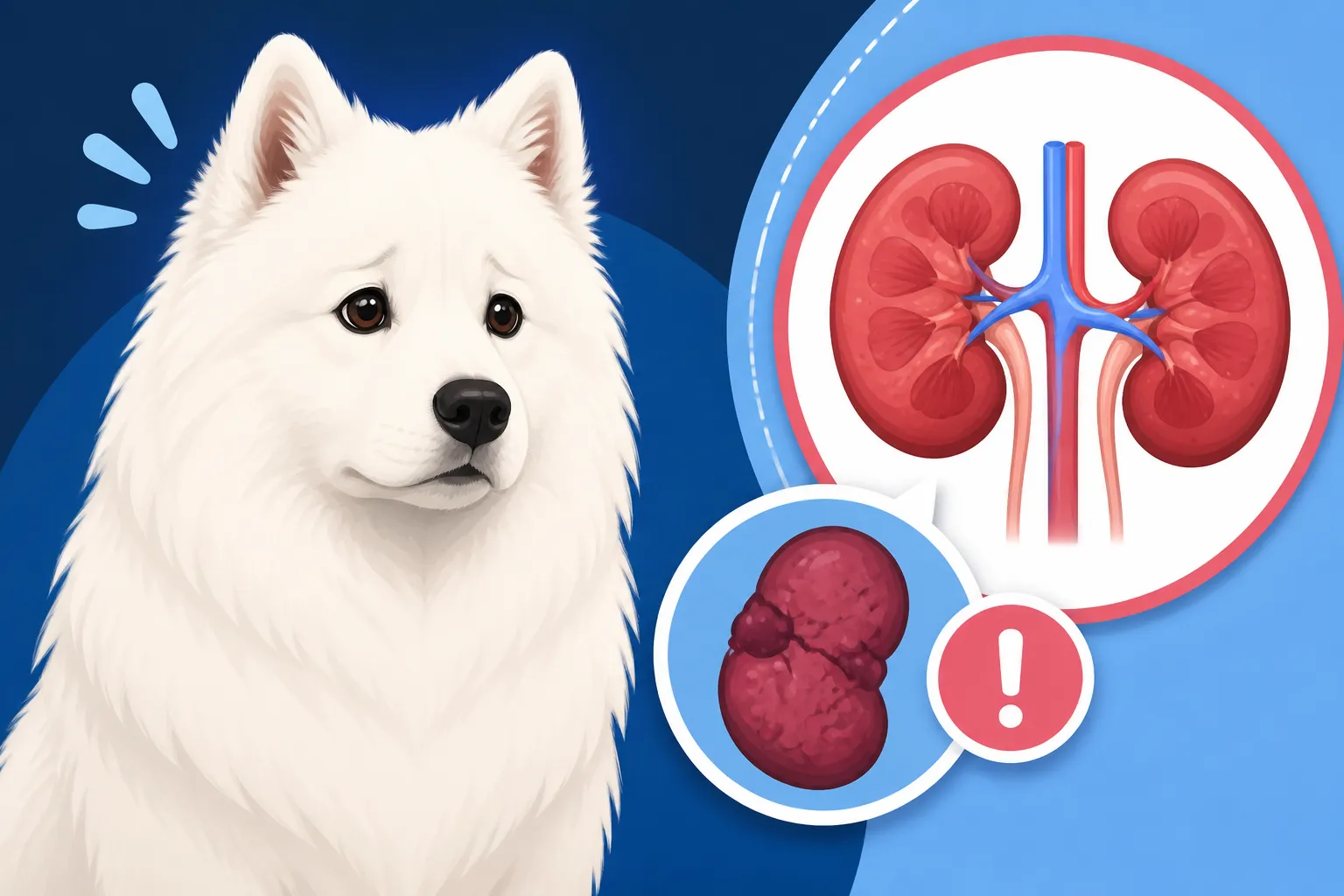
Whether a Samoyed Gets Ordinary Kidney Failure Too
It's a heartbreaking misconception that kidney problems in Samoyeds are only limited to the specific, devastating hereditary condition. Many Samoyed parents breathe a sigh of relief if their furry family member tests clear for hereditary glomerulopathy, but the reality is, Samoyeds, just like any other breed, can develop "ordinary" kidney failure from a multitude of other causes. This guide aims to shed light on these other forms of kidney disease, helping you understand the broader picture of kidney health in your beautiful white companion.
Understanding Kidney Function in All Dogs
Before we dive into Samoyeds specifically, let's take a moment to appreciate just how incredible and vital your dog's kidneys truly are. They're not just passive filters; they're incredibly complex organs working tirelessly behind the scenes to keep everything in balance. Knowing what they do helps us understand why kidney disease is such a profound and often insidious problem.
The Vital Role of Healthy Kidneys
Your Samoyed's kidneys perform a whole host of functions that are absolutely critical for life. Primarily, they act as the body's sophisticated filtration system, constantly cleaning the blood of waste products that accumulate from metabolism. Think of them as tiny, highly efficient purification plants for your dog's internal environment. They remove toxins like urea, creatinine, and phosphorus, which, if allowed to build up, become poisonous to the system.
Beyond filtration, kidneys are also masters of balance. They regulate the body's water levels, ensuring your Samoyed stays properly hydrated without becoming waterlogged. They carefully control electrolyte levels, such as sodium, potassium, and calcium, which are essential for nerve function, muscle contraction, and overall cellular health. Moreover, these amazing organs produce important hormones. For instance, they release erythropoietin, a hormone that stimulates red blood cell production in the bone marrow, preventing anemia. They also play a role in blood pressure regulation and vitamin D activation, which is crucial for calcium absorption and bone health.
How Kidneys Can Fail
Kidney failure isn't a single event; it's a process, and it can manifest in two primary ways: acute or chronic. Acute kidney failure is often sudden and dramatic, hitting quickly due to a severe insult to the kidneys. This could be something like ingesting a toxin, a severe infection, or a sudden drop in blood pressure. The good news is that if caught early and treated aggressively, acute kidney failure can sometimes be reversed, or at least significantly managed, depending on the underlying cause and the extent of the damage.
Chronic kidney disease (CKD), on the other hand, is a much more common and insidious adversary. It develops slowly over months or even years, with the kidneys gradually losing function over time. The sad truth is that by the time you start noticing obvious symptoms, a significant portion of kidney function—often as much as 75%—may already be lost. Unlike acute failure, CKD is typically progressive and irreversible. Our goal as Samoyed owners, therefore, becomes managing the condition, slowing its progression, and supporting our dog's quality of life for as long as possible. This is why it's so important to be proactive and understand Whether a Samoyed Needs Yearly Kidney Bloodwork and what those results mean.
Beyond Hereditary Glomerulopathy: Common Causes of Kidney Disease in Samoyeds
While the genetic predisposition to Samoyed Hereditary Glomerulopathy (SHG) is a very real and devastating concern, especially for males, it's crucial not to let this overshadow the other, more common reasons why any dog, including your beloved Samoyed, might develop kidney disease. Thinking only of SHG can lead to a dangerous blind spot, causing owners to miss other critical signs of kidney distress.
Age-Related Kidney Decline
One of the most frequent culprits behind kidney disease in dogs is simply age. As our Samoyeds transition into their senior years—typically around nine or ten, though some start showing signs earlier or later—their kidneys, like other organs, naturally begin to wear down. The tiny filtering units, called nephrons, become less efficient, and over time, some simply stop working. This isn't unique to Samoyeds; it's a normal part of the aging process for all canines.
However, the consequences are profound. With fewer functional nephrons, the kidneys struggle to filter waste effectively, leading to a gradual buildup of toxins in the bloodstream. This slow, steady decline is often subtle at first, masked by your Samoyed's naturally stoic nature. You might notice they're a bit thirstier than usual, or perhaps they're not quite as enthusiastic about their food. These early changes are easy to dismiss, but they're important clues. Learning more about Caring for a Samoyed Past Nine will provide further insights into the challenges and considerations of senior Samoyed care, including kidney health.
Other Health Conditions That Impact Samoyed Kidneys
The kidneys don't operate in isolation; they're intricately connected to the entire body's health. This means that a variety of other health issues, common in many dog breeds, can put significant stress on your Samoyed's kidneys and ultimately lead to kidney failure. High blood pressure, for example, damages the delicate blood vessels within the kidneys, impairing their ability to filter blood. Likewise, untreated dental disease, often a hidden problem, can lead to bacteria entering the bloodstream and causing infections in the kidneys and other organs.
Conditions like Diabetes in a Middle Aged Samoyed are also major risk factors. Uncontrolled diabetes puts a tremendous strain on the kidneys as they try to process excess sugar, leading to damage over time. Similarly, chronic pancreatitis, an inflammation of the pancreas, can contribute to kidney issues. Autoimmune diseases, where the body's immune system mistakenly attacks its own tissues, can target the kidneys directly, causing inflammation and damage to the filtering units. Even certain types of cancer can affect kidney function by either directly invading the organs or by producing substances that disrupt kidney health. It's a complex web of interconnected systems, making overall health management paramount.
Environmental and Toxin Exposure
Beyond internal health conditions, our Samoyeds are also vulnerable to external threats that can rapidly devastate their kidneys. Toxic substances are a leading cause of acute kidney injury. Common household items like antifreeze (which has a sweet taste dogs find appealing), certain human medications (NSAIDs, ibuprofen, acetaminophen), and even some household cleaners can be incredibly damaging. Consuming contaminated food, or plants toxic to dogs, can also lead to kidney damage.
Even seemingly benign situations can pose a risk. Heatstroke, for example, can cause severe dehydration and systemic shock that can lead to acute kidney injury. It's vital to be ever-vigilant about what your Samoyed has access to, both inside and outside your home. These incidents are often emergencies, requiring immediate veterinary attention to give your Samoyed the best chance of recovery. If you ever suspect your Samoyed has ingested something harmful, don't wait for symptoms; contact your vet or an emergency animal hospital immediately.
Recognizing the Signs and Seeking Diagnosis
One of the most frustrating aspects of kidney disease, whether hereditary or "ordinary," is how subtly it can begin. Samoyeds are notorious for their stoic nature and their "Samoyed smile," which can inadvertently mask discomfort and illness. This means that as owners, we have to be exceptionally attentive to even the slightest shifts in their behavior or routine.
Subtle Early Warning Signs
The earliest signs of kidney trouble are often so mild they're easily overlooked. Many owners initially report that their Samoyed is simply "not quite right." You might notice an increase in thirst, causing them to drink from their water bowl more frequently or seek out unusual water sources. Hand-in-hand with increased thirst comes increased urination, meaning more frequent trips outside or perhaps an accidental puddle in the house from a previously perfectly house-trained dog. If you notice your Samoyed is suddenly drinking copious amounts of water, it's a red flag that warrants investigation.
Another subtle indicator can be a slight decrease in appetite or a pickiness about food that wasn't there before. Your Samoyed might leave a few kibbles in the bowl or turn up their nose at a treat they usually adore. Changes in coat quality, like dullness or a tendency to mat more easily, can also be present, as kidneys influence overall health. It's easy to dismiss these as normal aging or a passing mood, but if they persist, especially in combination, they are absolutely worth mentioning to your veterinarian. Remember, How a Samoyed Hides Illness Behind a Smile means you have to be extra observant. Regular monitoring of their urine, including checking for Signs a Samoyed Is Losing Protein in Its Urine, can provide an early heads-up.
Advanced Symptoms and Veterinary Intervention
As kidney disease progresses, the symptoms become more pronounced and alarming. The buildup of toxins in the blood (a condition called uremia) starts to affect other body systems. You might observe significant lethargy and weakness; your once bouncy Samoyed might seem tired all the time, uninterested in walks or play. Vomiting and diarrhea are common as the gastrointestinal tract reacts to the toxins. You might also notice a loss of appetite that becomes more severe, leading to noticeable weight loss.
A distinctive symptom of advanced kidney disease is bad breath, often described as an ammonia-like or metallic odor, due to the accumulation of urea. Mouth ulcers can also develop. If the kidneys are failing to produce enough erythropoietin, your Samoyed might become anemic, causing pale gums. At this stage, immediate veterinary intervention is crucial. Your vet will perform a comprehensive physical exam and likely recommend bloodwork and urinalysis. Blood tests will assess kidney values like creatinine and BUN (Blood Urea Nitrogen), while urinalysis can reveal specific gravity (how concentrated the urine is), presence of protein, and other abnormalities. An ultrasound can also provide valuable information about the kidney's structure. Regular bloodwork, especially monitoring Whether a Samoyed's Creatinine Should Be Watched, is key. For those with pet insurance like Healthy Paws, these diagnostic tests and subsequent treatments can be significantly less burdensome financially, allowing you to focus on your Samoyed's health without added stress.
Managing and Supporting a Samoyed with Kidney Disease
Receiving a diagnosis of chronic kidney disease can feel overwhelming. It's a progressive condition, and there's no magic cure. However, with thoughtful management and dedicated care, we can significantly slow its progression, alleviate symptoms, and maintain a good quality of life for our Samoyeds for months or even years. The key is a multi-faceted approach focusing on diet, medication, and consistent monitoring.
Dietary Management
One of the cornerstones of managing kidney disease in dogs is a specially formulated renal diet. These prescription diets are designed with very specific nutritional profiles to support failing kidneys. They typically feature reduced levels of phosphorus and protein. High phosphorus levels are particularly damaging to compromised kidneys and can lead to secondary complications like hyperparathyroidism. The reduced, high-quality protein helps lessen the workload on the kidneys by minimizing the production of nitrogenous waste products, which are the very toxins the kidneys struggle to excrete.
Additionally, renal diets often contain controlled levels of sodium to help manage blood pressure, and increased omega-3 fatty acids, which have anti-inflammatory properties that can be beneficial for kidney health. While it might be tempting to stick with your Samoyed's favorite food, transitioning to a renal diet is one of the most impactful steps you can take. It might take some patience, as these diets can be less palatable initially, but your veterinarian can guide you through the process, perhaps suggesting gradual mixing or adding palatability enhancers. For Samoyeds that are already picky eaters, this can be a real challenge, but the benefits are undeniable. Understanding How Many Cups a Day an Adult Samoyed Eats in the context of a renal diet is important to ensure they are getting adequate nutrition.
Medications and Supportive Care
Beyond diet, your veterinarian will likely prescribe a range of medications and recommend supportive therapies tailored to your Samoyed's specific needs and the stage of their kidney disease. Fluid therapy is often crucial, especially for dogs with poor appetite or those prone to dehydration. Subcutaneous (under the skin) fluids can be administered at home, and many owners quickly learn this simple procedure, which makes a huge difference in how their dog feels. These fluids help flush toxins from the system and maintain hydration.
Other common medications include phosphorus binders, given with meals to reduce the absorption of dietary phosphorus; anti-nausea medications and appetite stimulants to help improve food intake; and medications to control high blood pressure, such as ACE inhibitors. If anemia is a concern, erythropoietin injections might be considered. The goal with all these interventions is to alleviate symptoms, improve your Samoyed's comfort, and slow the kidney's decline. It’s a comprehensive approach that requires close collaboration with your veterinary team. Knowing that pet insurance providers like Healthy Paws often cover a significant portion of these ongoing medical costs can be a huge relief, especially with a chronic condition like kidney disease.
The Importance of Regular Monitoring
Living with a Samoyed with kidney disease means committing to regular, consistent monitoring. This isn't just about initial diagnosis; it's an ongoing process to track the disease's progression and adjust treatments as needed. Your vet will recommend periodic bloodwork and urinalysis, typically every few months, to check kidney values (BUN, creatinine, phosphorus), electrolyte levels, and urine specific gravity. Why a Samoyed's Urine Should Be Tested Young and throughout their life, even if they aren't showing symptoms, is an important preventative measure.
These rechecks allow your vet to see how your Samoyed is responding to treatment and to catch any worsening trends early. They might also monitor blood pressure regularly. Keeping a detailed log of your Samoyed's food and water intake, as well as any changes in their energy levels or bathroom habits, can provide invaluable information to your vet. Don't hesitate to note anything unusual, no matter how small it seems. This proactive approach ensures that your Samoyed receives the most appropriate and timely care, helping them to live out The Twelve to Fourteen Years a Samoyed Lives with the best possible quality of life, even with kidney challenges. Many pet parents find that having a robust pet insurance plan, such as those offered by Healthy Paws, allows them to pursue every recommended diagnostic and treatment option without undue financial strain, which is incredibly important for chronic illnesses.
Disclaimer
This article is for general informational purposes only and does not constitute professional advice. Laws, prices and regulations vary by location and change over time. Consult a qualified professional for guidance on your specific situation.