Whether a Samoyed Keeps Up With Huskies on a Team
It's a common dream for many Samoyed owners: seeing their beautiful, fluffy cloud of a dog majestically pulling a sled, perhaps even alongside the sleek, swift Siberian Huskies you often picture in snowy races. We see those incredible videos of dogs flying across the snow, and it's easy to imagine our own Sammy joining the pack, a true Arctic powerhouse. However, while Samoyeds absolutely adore pulling and have a strong heritage in working, the reality of them consistently keeping pace with a team of dedicated racing Huskies is often more nuanced than many people realize. This guide will dive into the specific traits and histories of both breeds to help you understand where your beloved Samoyed truly shines in the world of pulling sports, and what expectations are realistic when considering them for a team.
Understanding the Samoyed's Unique Athletic Build and Historical Purpose
Let's be honest, our Samoyeds look like they were born to pull. That thick coat, that powerful stance, that boundless energy – it all screams "sled dog." And they are sled dogs, no doubt about it! But their original job was a bit different from the high-speed racing we often associate with northern breeds today.
Historical Roles and Breeding for a Different Kind of Work
The Samoyed breed hails from the Arctic regions of Siberia, specifically with the Nenets people. Their role wasn't primarily about winning races or covering vast distances at breakneck speed. Instead, Samoyeds were multi-purpose dogs: they herded reindeer, protected livestock and families, and pulled sleds. When they pulled, it was often for their nomadic human companions, moving camps and supplies. This work was less about raw speed and more about steady, reliable, sustained effort over long periods in incredibly harsh conditions. They needed to be strong, hardy, and resilient, capable of breaking trail through deep snow and maintaining a consistent pace day after day.
Think of it this way: the Samoyed was the reliable utility vehicle of the Arctic, not the Formula 1 race car. They were bred for versatility and partnership with humans, often even The Samoyed Slept in the Tent to Keep People Alive. Their disposition needed to be friendly and cooperative, not just endlessly driven. This background means their physical and mental makeup is geared towards a different kind of pulling performance.
Physical Traits: Endurance, Not Pure Speed
When you look at a Samoyed, you see a dog built for comfort in extreme cold, not necessarily aerodynamic speed. Their dense double coat, while incredible insulation and a hallmark of the breed, can make them less efficient at dissipating heat during strenuous, high-speed work compared to a shorter-coated husky. This is why A Samoyed Built for Sixty Below in an American Summer is such a critical consideration for owners. Their bone structure tends to be more substantial, lending to strength and durability rather than the lighter, more agile frame often seen in dedicated racing huskies.
Their muscle composition, too, reflects their historical role. Samoyeds possess excellent stamina for long, steady pulls. They can go all day at a moderate pace, tackling difficult terrain. However, the explosive bursts of speed and the ability to maintain a blistering pace that championship husky teams exhibit are not typically their primary strengths. They have the heart for the work, without a doubt, but their bodies are optimized for a different kind of challenge.
The Siberian Husky's Design: Built for Speed and Distance Racing
Now, let's turn our attention to the Siberian Husky, the breed most people picture when they think of dog sled racing. These dogs were literally engineered for speed and endurance on the trail, often in competitive scenarios.
Siberian Husky's Heritage: The Sprint and Mid-Distance Racer
Siberian Huskies, while also originating from harsh northern climates, were specifically bred by the Chukchi people for fast, efficient transportation over long distances. Unlike the Samoyed's broader range of duties, the Husky's specialization leaned heavily towards pulling light loads quickly across vast, open stretches of tundra. Their survival often depended on covering ground efficiently to reach hunting grounds or new camps.
When these dogs were brought to Alaska in the early 20th century, their agility and speed quickly made them stars in dog sled racing, particularly in sprint and mid-distance events. Breeders focused on enhancing these traits, developing lines that were lean, powerful, and incredibly efficient runners. The dogs were selected for their ability to maintain high speeds for extended periods, their keen desire to run, and their cooperative nature within a team. This heritage manifests as a distinct athletic profile.
Physical and Mental Traits for High-Performance Mushing
A typical racing Siberian Husky is a marvel of canine athleticism. They have a lighter build than a Samoyed, often with a slightly less dense coat (though still a double coat) that allows for better heat dissipation during intense exercise. Their leg length and gait are designed for efficient forward motion, covering ground with minimal wasted energy. Mentally, they are often intensely focused on running, with an almost insatiable desire to pull and move forward. This drive is what makes them such formidable competitors in races.
When comparing the two, it's like putting a marathon runner (the Samoyed, capable of steady, persistent effort) next to a sprinter or middle-distance specialist (the Husky, built for bursts of speed and maintaining a fast pace). Both are incredible athletes, but they excel in different disciplines. While a Samoyed certainly enjoys Whether a Samoyed Enjoys Skijoring and can be a fantastic partner for various pulling activities, their peak performance metrics are likely to be different from a Husky's.
Practicalities of Team Dynamics: Samoyeds and Huskies Together
So, can a Samoyed run with a team of Huskies? The short answer is: it depends on the team, the type of mushing, and your expectations. It’s not impossible, but you need to be realistic about how a Samoyed will integrate and what role they'll naturally gravitate towards.
Pace and Energy Output Differences
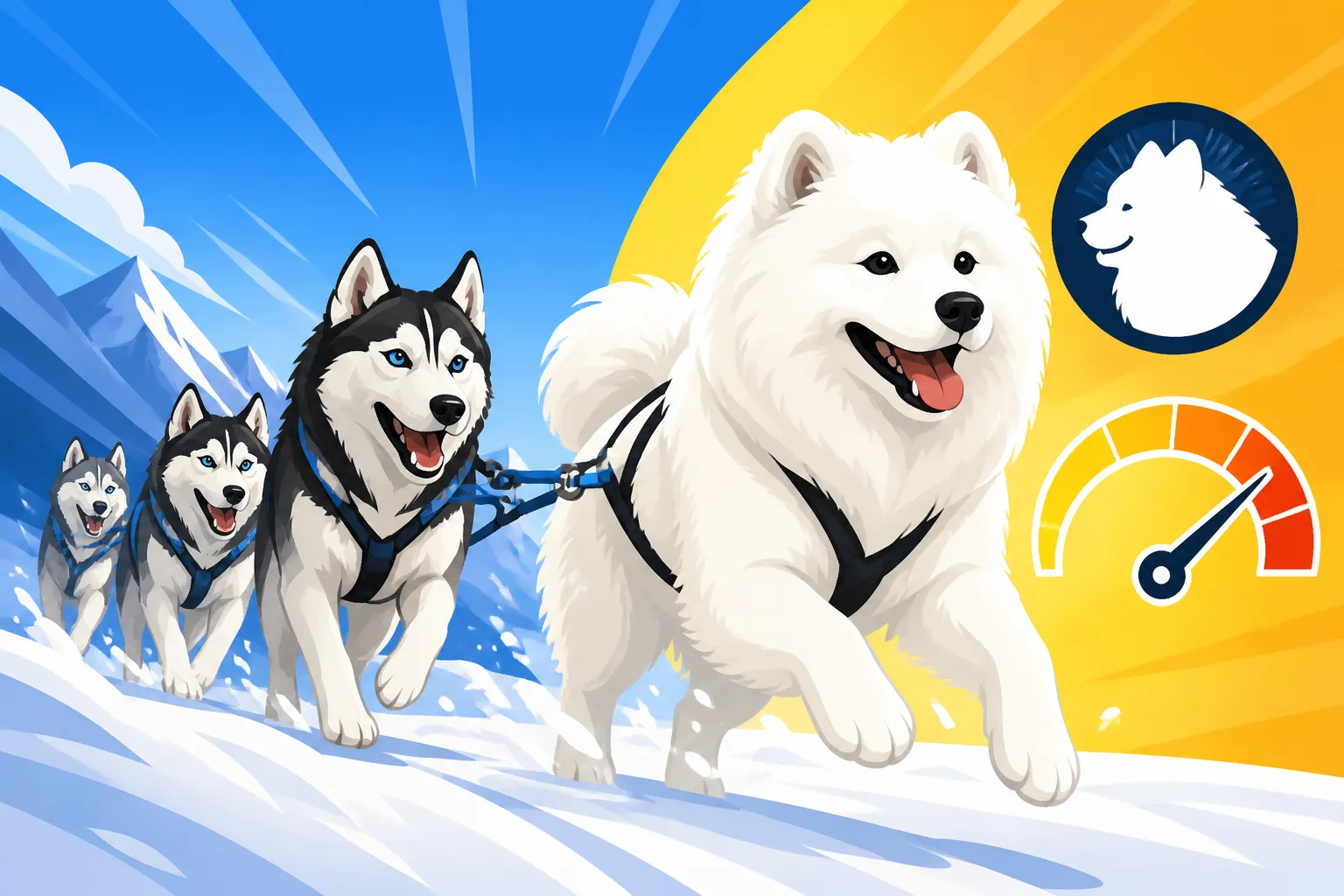
The most significant challenge when running a Samoyed with a team of Huskies is often the difference in natural pace. Huskies, especially those from working or racing lines, have an incredible top-end speed and the capacity to maintain it. A Samoyed, while enthusiastic and willing, might struggle to keep up with the sustained high speeds of a true Husky sprint team. They might start strong, full of glee, but could tire more quickly or simply not have the same gear.
Imagine a team of Huskies, all hitting a stride of 15-20 mph on a good trail. Your Samoyed might be pulling its heart out at 10-12 mph, which is still fantastic! But that difference creates drag and can hinder the overall efficiency and speed of the entire team. It's not about the Samoyed being "bad" at pulling; it's about optimizing the team for a specific performance goal. If your goal is purely recreational mushing, where speed isn't the absolute priority, then a mixed team can absolutely work. But for competitive racing, it becomes a distinct disadvantage.
Training and Motivation: A Clash of Wills?
Another factor is training and motivation. Huskies are often described as having an intense "will to go," a relentless drive that makes them want to run and pull almost instinctively. Samoyeds are also highly motivated and love to work, but their motivation often comes with a bit more… negotiation. They are intelligent and can be incredibly eager, but they also have a strong independent streak. This is why Training a Samoyed That Finds Obedience Negotiable is a common topic among owners.
In a highly competitive racing team, every dog needs to be perfectly in sync, responding instantly to commands and maintaining focus. A Samoyed might decide a squirrel on the side of the trail is more interesting for a moment, or perhaps question the necessity of maintaining quite this pace. This isn't a fault, it's just part of their charming personality and their history as a partner, not just a pure working machine. For mushers focused on peak performance, this subtle difference in drive and responsiveness can be a critical factor. However, for a recreational team, a Samoyed's joyful enthusiasm can be incredibly infectious and motivating for the whole group.
Managing Expectations and Team Composition
If you want your Samoyed to be part of a pulling team, especially one with Huskies, it's crucial to manage your expectations.
Here's a quick comparison of Samoyed vs. Husky traits in a pulling context:
| Feature | Samoyed | Siberian Husky |
|---|---|---|
| Primary Role | Herding, light freight, companionship | Fast transportation, racing |
| Ideal Pace | Consistent, steady, moderate | High speed, sustained fast pace |
| Body Type | More substantial, dense coat, powerful | Lean, athletic, efficient gait, often lighter coat |
| Motivation | Eager to please, loves partnership, can be selective | Intense drive to run, "will to go," highly focused |
| Heat Tolerance | Lower (dense coat) | Moderate (built for speed, needs efficient cooling) |
| Best Fit | Recreational mushing, skijoring, consistent treks | Competitive racing, high-speed excursions |
If you have a team of elite racing Huskies, a Samoyed might best serve as a swing dog or perhaps even a lead dog on easier trails where their intelligence and willingness to communicate are valued more than pure speed. They might struggle as a wheel dog if the team is moving too fast for their comfort, or if they are constantly being outpaced by their teammates.
A better fit might be a recreational team, perhaps with other Samoyeds, Alaskan Malamutes (who share a similar power-oriented pulling style), or slower-paced Huskies. The joy of mushing is often about the journey and the bond with your dogs, not just the finish line.
Optimizing a Samoyed for Pulling Sports
Even if your Samoyed isn't going to be breaking speed records with a full team of purebred racing Huskies, that doesn't mean they can't be phenomenal pulling partners. In fact, many Samoyeds excel in various pulling sports when given the right conditions and expectations.
Proper Conditioning and Diet for Endurance
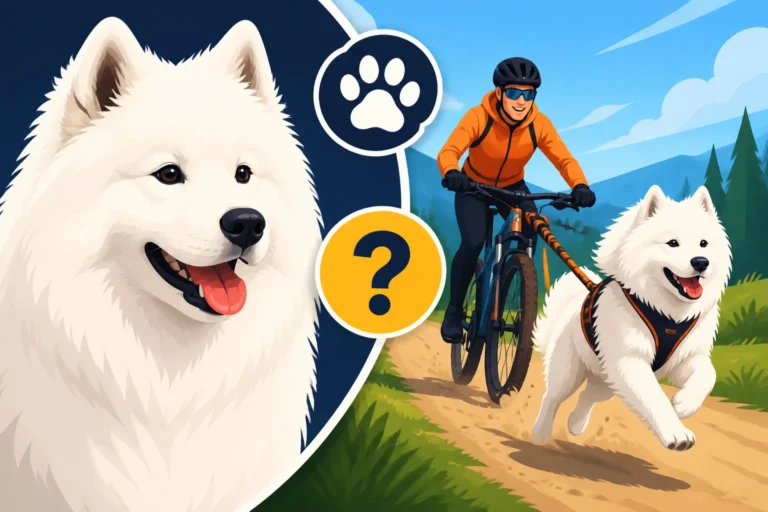
To truly shine in any pulling sport, a Samoyed needs to be in peak physical condition. This means a gradual conditioning program that builds stamina and muscle without overtaxing their joints or cardiovascular system. Start with short, easy pulls and slowly increase distance and intensity. Activities like canicross (running with your dog harnessed to you) or bikejoring (biking with your dog pulling in front) are excellent ways to build endurance. Remember, consistent How Much Exercise a Samoyed Needs is key to their physical and mental well-being, even without pulling a sled.
Diet is also crucial. A working Samoyed will need a high-quality diet that provides sustained energy. You'll want to ensure they're receiving adequate protein and fats to fuel their muscles and maintain that magnificent coat. Consulting with your vet or a canine nutritionist can help tailor a diet to your Samoyed's specific activity level and needs. Watch their weight closely, as Whether a Samoyed Gains Weight Easily can happen if caloric intake doesn't match energy expenditure.
Appropriate Gear: Comfort and Efficiency are Key
Having the right gear is non-negotiable for any dog engaged in pulling sports. A well-fitting harness is paramount to ensure comfort, prevent injury, and allow your Samoyed to pull efficiently. There are many specialized pulling harnesses available, often found on platforms like Amazon, designed to distribute pressure evenly across the chest and shoulders, allowing for full range of motion.
A properly fitted harness is crucial, as a poorly designed or ill-fitting one can rub, restrict movement, or cause pain, turning an enjoyable activity into a chore. Consider the specific sport you're engaging in – a canicross harness is different from a weight-pulling harness, and both are different from a traditional sledding harness. Invest in good quality lines, a proper gangline if you're running multiple dogs, and appropriate attachments for your sled, scooter, bike, or belt.
Enjoying the Sport for What It Is: The Samoyed's Pure Joy
Ultimately, the goal of engaging your Samoyed in pulling sports shouldn't just be about keeping up with the fastest dogs, but about celebrating their natural instincts and giving them a job they genuinely love. Samoyeds have an undeniable joy when they're pulling. Their tails wag, their smiles widen, and they often emit happy grunts and vocalizations as they put their shoulder into the harness. Pulling: What a Samoyed Was Actually Bred to Do is in their DNA, and allowing them to express this instinct is incredibly enriching for them.
Whether you're doing recreational mushing on local trails, canicross through the woods, skijoring across a field, or even just teaching them to pull a small cart in the neighborhood, focus on the positive experience. A Samoyed might not be the fastest dog on the team, but they'll likely be one of the happiest, bringing their unparalleled enthusiasm to every stride. So, let your Sammy be a Sammy, and revel in the unique partnership they bring to the trail.
Disclaimer
This article is for general informational purposes only and does not constitute professional advice. Laws, prices and regulations vary by location and change over time. Consult a qualified professional for guidance on your specific situation.