How High a Samoyed Can Jump a Fence
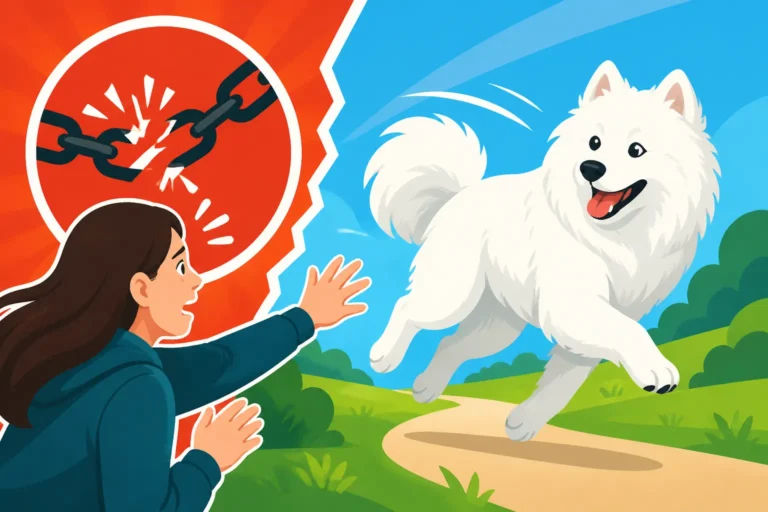
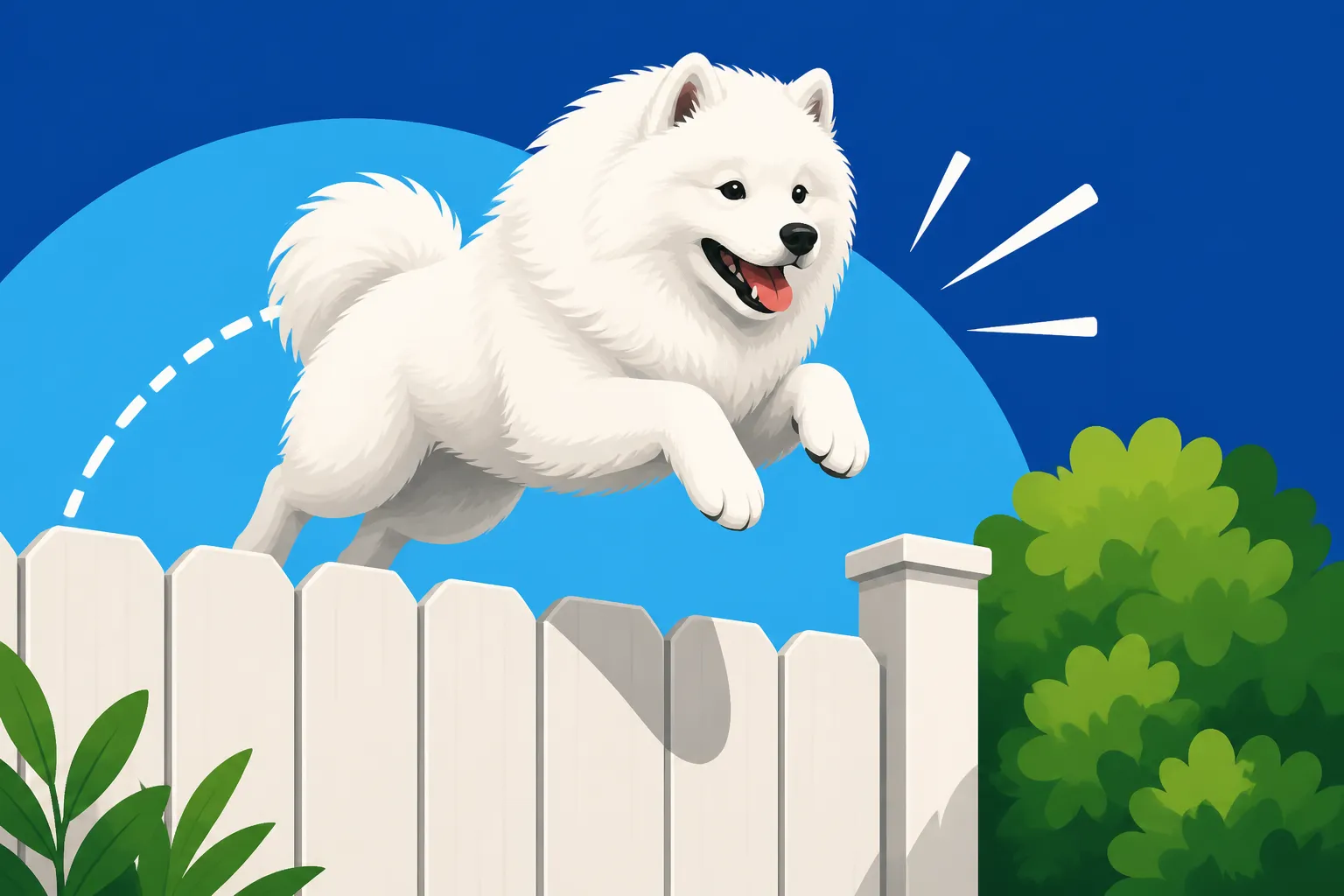
That sinking feeling in your stomach when you glance out the window and your beloved Samoyed is no longer in the yard, despite what you thought was a perfectly secure fence, is something far too many Samoyed owners know intimately. You've invested time, money, and emotional energy into creating a safe space, only to realize your fluffy companion might have Olympic-level aspirations when it comes to clearing obstacles. This comprehensive guide will explore the often surprising jumping capabilities of Samoyeds, unpack the motivations behind their escapes, and equip you with practical strategies to transform your yard into a fortress they can’t conquer.
Understanding the Samoyed's Athleticism and Drive
Samoyeds, with their glorious double coats and perpetual smiles, often give the impression of fluffy, amiable couch potatoes. Don't let that fool you for a second! These dogs were bred for rigorous work in the harsh Siberian tundra, pulling sleds, herding reindeer, and sleeping snuggled close for warmth. This heritage has gifted them with an intelligence, endurance, and athleticism that can make them surprisingly adept at overcoming perceived barriers like fences. They're not just beautiful; they're incredibly capable, and underestimating their physical prowess or their motivation to explore is a common pitfall for new owners.
The Samoyed's Athletic Build
Beneath all that luxurious fur lies a robust and agile physique. Samoyeds are built for sustained effort, not necessarily explosive, high-impact jumps like some sporting breeds, but they certainly have the strength and coordination to clear significant obstacles when motivated. Their muscular hindquarters provide powerful propulsion, and their relatively long legs contribute to their ability to launch themselves upward. They might not look like a gazelle, but their body mechanics allow for surprisingly vertical leaps. It's less about raw height and more about leverage and determination. A Samoyed can often use its strong front paws to gain purchase on a fence or find small footholds, turning a vertical jump into more of a climb-and-over maneuver.
Think about their historical role: herding reindeer. This involved quick movements, agility, and sometimes navigating uneven terrain. While they weren't necessarily jumping over fences in Siberia, the core physical attributes for such tasks are very much present. When you see your Samoyed effortlessly hop onto a high bench or scale a snowdrift, you're getting a glimpse of this latent athleticism. This isn't just about showing off; it's about their inherent physical design.
The Drive to Explore and Chase
More often than not, a Samoyed isn't jumping your fence out of malice or disobedience, but out of an overwhelming sense of curiosity or a powerful prey drive. These dogs are intelligent and get bored easily if not adequately stimulated. A fascinating scent trail just beyond the fence line, a squirrel scampering up a tree on the other side, or even just the inherent desire to see what's happening outside their familiar territory can provide all the motivation they need. Once that instinct kicks in, a fence that looked perfectly secure becomes nothing more than a minor inconvenience. Why a Samoyed's Recall Cannot Be Trusted becomes particularly relevant here, as once they're out, bringing them back can be an entirely different challenge.
They are driven by their senses. A distant bark, the smell of a neighbor's barbecue, or the sight of a child playing down the street can be an irresistible siren call. For a Samoyed, the world is a vast, exciting place to be explored, and a fence, no matter how tall, simply represents a temporary barrier to that grand adventure. It’s a testament to their independent spirit and their breed history, where they were expected to make decisions and work somewhat autonomously.
Mental Stimulation and Boredom
A bored Samoyed is a creative Samoyed, and creativity often manifests as escape attempts. If your Samoyed isn't getting enough physical exercise or mental enrichment, that pent-up energy and intelligence needs an outlet. For some, this means digging elaborate tunnels; for others, it means meticulously testing the structural integrity of your fence line. A lack of stimulation can turn your otherwise well-behaved companion into an escape artist extraordinaire. They are problem-solvers by nature, and an unclimbed fence is simply a puzzle waiting to be solved. What a Bored Samoyed Does to a House illustrates how destructive this pent-up energy can become, and escaping the yard is just another manifestation.
Providing ample exercise, engaging training sessions, and interactive toys can go a long way in curbing their desire to "break out." A Samoyed that has had a good long walk, a stimulating training session with positive reinforcement, or a challenging puzzle toy is far less likely to feel the urge to explore beyond the confines of your yard. Their intelligence, which is a wonderful trait when channeled, can become a significant challenge when left untapped.
Factors Influencing a Samoyed's Jumping Prowess
It's not just about the absolute height of the fence; several variables play into whether your Samoyed decides to go over or not. Understanding these factors is crucial for implementing an effective containment strategy. What might deter one Samoyed might be a mere suggestion to another, highlighting the individual personalities within the breed, but also the environmental triggers that can exacerbate escape tendencies.
Fence Material and Design
The type of fence material and its design significantly impact a Samoyed's ability to jump or climb it. A solid privacy fence, for example, offers no footholds, making a sheer jump the only option. However, a chain-link fence, with its diamond-shaped openings, essentially becomes a ladder for an agile Samoyed. Horizontal slats in a wooden fence can also provide convenient toeholds for a determined climber. Even the smallest gap or protruding support can be utilized.
Consider a 4-foot chain-link fence. While many smaller dogs wouldn't attempt it, a medium-sized, athletic Samoyed can easily scale it using the links as a ladder. They might not jump directly over it, but they'll climb. Similarly, a wobbly fence, or one with a top rail that offers a precarious landing spot, can be easier to overcome than a sturdy, smooth barrier. The visual barrier also matters; a solid fence removes visual stimuli that might egg them on, but also prevents them from seeing what they could be chasing, which can sometimes work against you if they can hear or smell something enticing without being able to see it.
Motivation and Opportunity
A Samoyed's motivation is a powerful driver. If there's a strong enough incentive—say, a rabbit darting across the street or another dog playing on the other side—they will often find a way to get there. Their determination, combined with an opportunity (even a fleeting one), can lead to an escape. This is why vigilance is key, especially when something exciting is happening near the fence line. The sheer thrill of the chase or the desire to greet a new friend can override any training or perceived barrier. What a Samoyed Does the Moment a Gate Opens speaks volumes about their opportunistic nature.
An open gate, a broken latch, or even a low section of snowdrift piled up against the fence can create the perfect opportunity. They are incredibly observant and will remember where they've had success before. If they jumped a particular spot once, they'll likely try it again. This learning capability means you need to be constantly one step ahead of their potential escape routes and motivations.
Physical Condition and Age
A young, energetic Samoyed, full of puppy exuberance, might be more prone to testing boundaries and attempting jumps than an older, more sedate senior. However, don't rule out the older dog entirely; if the motivation is high enough and they're still in good health, they can surprise you. A healthy, well-muscled Samoyed will have an easier time clearing obstacles than one that is out of shape or suffering from joint issues. The Age a Samoyed Counts as a Senior reminds us that even older Samoyeds retain their inherent drive and athleticism, though perhaps with a bit less spring in their step.
A Samoyed puppy, while less coordinated, might still attempt to scramble over lower fences or exploit weaknesses. As they mature and their coordination and strength fully develop, their jumping ability peaks. Keeping your Samoyed in good physical condition through regular, appropriate exercise is beneficial for their overall health, but it also means they'll retain their agility and strength longer.
Common Fence Heights and Their Effectiveness for Samoyeds
When it comes to fences, there's a common misconception that "taller is always better." While height is certainly a significant factor, it's far from the only consideration for Samoyed owners. These intelligent and resourceful dogs often find ways around, through, or over barriers that would deter most other breeds.
Four-Foot Fences: A False Sense of Security
For a Samoyed, a four-foot fence often presents little more than a suggestion to stay put. Many Samoyeds, especially young, athletic ones, can clear a four-foot fence with a running start or even from a standing position if sufficiently motivated. For others, it's a simple matter of climbing. A chain-link fence of this height is practically an open invitation to climb, using the mesh as a ladder. Even a solid wood fence can be scaled if there are horizontal supports or gaps that offer footholds.
Owners often install a four-foot fence for aesthetic reasons or because it meets basic municipal codes, assuming it's sufficient for a medium-large dog. However, a Samoyed's combination of strength, intelligence, and desire to explore means that this height is almost universally inadequate for reliable containment. It’s a common scenario that leads to the frantic search for a missing fluffy face. If your Samoyed is showing signs of anxiety or boredom, a four-foot fence is essentially an invitation to self-remedy their situation by exploring the neighborhood.
Six-Foot Fences: The Gold Standard, With Caveats
A six-foot fence is generally considered the minimum effective height for containing a Samoyed, and indeed, many will be perfectly happy and secure within such a perimeter. For a Samoyed to clear a six-foot solid fence, it requires a significant vertical leap, which most will not be able to achieve without some form of assistance. However, this "gold standard" comes with important caveats.
First, the material matters. A six-foot chain-link fence, while taller, still presents climbing opportunities. A solid privacy fence is usually more effective as it removes footholds. Second, if anything is placed near the fence—a woodpile, a garbage can, a large snowdrift (a common Samoyed accomplice!)—it effectively reduces the fence height, creating a launchpad. Third, don't forget the ground. Digging under a six-foot fence is still a prime escape strategy for a Samoyed. Why a Samoyed Digs Under Fencing is a critical read if you're relying solely on height. Even with a six-foot fence, a determined Samoyed might try to use its body to push down a less sturdy section or find a loose board.
| Fence Type | Typical Height | Samoyed Jumping/Climbing Risk | Digging Risk | Overall Effectiveness |
|---|---|---|---|---|
| 4-foot Chain Link | 4 ft | High (climb) | Medium | Low |
| 4-foot Wood/Privacy | 4 ft | High (jump/find footholds) | Medium | Low |
| 5-foot Chain Link | 5 ft | Medium (climb, especially if motivated) | Medium | Moderate |
| 5-foot Wood/Privacy | 5 ft | Medium (determined jump) | Medium | Moderate |
| 6-foot Chain Link | 6 ft | Medium (determined climb) | Low to Medium | Moderate to High |
| 6-foot Wood/Privacy | 6 ft | Low (direct jump) | Low to Medium | High |
| 8-foot Wood/Privacy | 8 ft | Very Low | Low | Very High |
Beyond Six Feet: When Is Enough, Enough?
For Samoyeds that are persistent escape artists, or for those with an exceptional vertical leap, even a six-foot fence might not be enough. In such cases, extending the height to seven or eight feet, particularly with a smooth, unclimbable material like solid wood or vinyl, can be highly effective. The sheer physics of clearing an eight-foot barrier are beyond most Samoyeds, eliminating direct jumping as an escape route.
However, the "digging factor" remains constant. Even with an eight-foot fence, you must address the possibility of tunneling underneath. This might involve burying wire mesh along the base of the fence or cementing a footer. Ultimately, the goal is to create a multi-layered defense that addresses both their climbing/jumping abilities and their digging instincts. It's about closing off all potential escape routes, not just the most obvious one. Remember, a determined Samoyed views a fence as a challenge, and they are usually quite good at finding the weakest link.
Strategies to Prevent Jumping and Escaping
Knowing that your Samoyed can jump is one thing; actively preventing them from doing so is another. It requires a combination of physical modifications to your containment, consistent training, and a deep understanding of your dog's individual needs and motivations. There's no single magic bullet, but rather a holistic approach that builds layers of security and enrichment.
Modifying Existing Fences
If replacing your entire fence isn't an option, there are several modifications you can make to increase its security. The goal is to either increase the effective height, remove footholds, or deter them from getting close enough to jump.
- Fence Rollers/Coyote Rollers: These are spinning rods installed along the top of your fence that prevent a dog from getting a grip to pull themselves over. They're particularly effective on solid fences. You can find various versions of these on online marketplaces like Amazon, designed to attach to different fence types.
- L-Footers or Anti-Digging Barriers: To prevent digging, bury a section of wire mesh (like hardware cloth) horizontally along the base of the fence, extending inward into your yard by about 1-2 feet. This creates an "L" shape underground, so when your Samoyed tries to dig, they hit the barrier and get discouraged. This addresses the other half of the escape equation, as many Samoyeds are just as prone to digging as they are to jumping, especially when it's hot. The Tunnel a Samoyed Digs Under a Fence explains why this is so important.
- Vertical Extensions: If your fence is currently five or six feet, you can add trellis extensions or other vertical barriers to increase the height. Just ensure they are sturdy and don't offer new climbing opportunities. The key is to make the top edge difficult to grip or balance on.
- Landscaping: Strategic planting of dense, thorny bushes along the fence line can also deter attempts, though ensure they don't grow too tall to provide cover or new platforms for jumping.
Training and Management Techniques
Physical barriers are just one part of the solution; training and consistent management are equally vital. A well-trained Samoyed is generally a safer Samoyed, even if they still possess the physical ability to clear a fence.
- Reliable Recall: While a Samoyed's recall can be notoriously difficult to perfect, it's perhaps the single most important command for an escape artist. If your Samoyed does get out, a strong recall could be their lifeline. Invest heavily in recall training, using high-value treats and practicing in increasingly distracting environments. Why a Samoyed's Recall Cannot Be Trusted delves into the challenges, but Proofing a Samoyed's Recall offers actionable steps.
- Gate Manners: Teach your Samoyed a "wait" command at all gates. This prevents them from bolting the moment an opportunity arises. This is especially crucial for preventing those opportunistic escapes when someone opens the gate for a delivery or visitor.
- Supervision: Never leave your Samoyed unsupervised in the yard, especially if you know they have escape tendencies. Even with a seemingly secure fence, they are intelligent problem-solvers. Active supervision allows you to intervene immediately if they start to test the boundaries.
- Leash Training: Even in a fenced yard, consider using a long line or leash if your Samoyed is a known escape artist, particularly while you work on improving your fence security and their training. This provides an immediate way to prevent them from reaching the fence or making an attempt.
Addressing Underlying Behavioral Issues
Often, escape attempts are a symptom of an underlying issue rather than just a playful challenge. Addressing these root causes can significantly reduce the motivation for jumping.
- Increased Exercise: A tired Samoyed is a good Samoyed. Ensure your dog is getting adequate physical exercise tailored to their energy level. This might mean long walks, runs, hikes, or even canine sports. How Much Exercise a Samoyed Needs is an excellent resource for this. Physical exertion helps burn off excess energy that might otherwise be channeled into escape attempts.
- Mental Enrichment: Samoyeds are intelligent and need mental stimulation. Incorporate puzzle toys, scent work, obedience training, and interactive play into their daily routine. A mentally engaged dog is less likely to become bored and seek entertainment outside the yard. Training programs, like those offered by BAXTER & Bella, can provide structured approaches to mental stimulation and obedience challenges.
- Addressing Separation Anxiety: If your Samoyed attempts to escape primarily when left alone, it could be a sign of separation anxiety. This requires a different approach, often involving desensitization, counter-conditioning, and sometimes professional guidance. Simply confining them more securely won't address the underlying distress.
- Reducing Environmental Triggers: If your Samoyed is consistently jumping to chase squirrels, birds, or other animals, try to make your yard less appealing to wildlife. Remove bird feeders, secure garbage cans, and trim back bushes where critters might hide. This removes some of the direct motivation for their escape artistry.
Alternative Containment Solutions
Even with the best fence modifications and training, some Samoyeds remain master escape artists. In such cases, or for those living in environments where a traditional fence isn't feasible, alternative containment methods become essential to ensure their safety. Remember, these intelligent dogs will exploit any perceived weakness, so a multi-pronged approach is often best.
Enclosed Runs and Kennels
For some owners, a dedicated, fully enclosed dog run or a high-quality kennel system offers the most secure form of containment. These are typically constructed with very high walls (8 feet or more), often with a secure roof to prevent climbing out. The walls should be smooth or solid to prevent climbing, and the base should be dug-proofed with concrete or buried mesh. This provides a safe, secure space for your Samoyed, especially when you can't offer direct supervision in a larger, less secure yard.
When choosing an enclosed run, always prioritize robust construction. Look for heavy-gauge wire, strong frames, and secure latching mechanisms. While it might seem like a smaller space than an entire yard, a well-designed run with enrichment (shade, water, sturdy toys, a comfortable bed) can be a safe haven. It's a way to ensure their safety when you're at work or otherwise occupied, knowing they can't scale the fence or dig their way out. This is particularly useful for those Samoyeds with high prey drives who might be tempted by neighborhood wildlife.
Supervision and Leash Time
For owners with less secure fencing or particularly determined escape artists, constant supervision whenever the Samoyed is outside is non-negotiable. This means actively watching them, not just letting them out and hoping for the best. If you can't be out there with them, they shouldn't be loose in the yard. During supervised time, engaging them in play, training, or simply cuddling can also strengthen your bond and reduce their desire to seek entertainment elsewhere.
Beyond the yard, leash walks are crucial. A Samoyed needs daily exercise, and for many, this means being on a leash outside the confines of their yard. This ensures their safety in public spaces and prevents them from dashing off after a tempting scent or sight. Whether a Samoyed Can Ever Be Off Leash is a poignant question for many owners, and for safety, a leash is almost always the answer in unsecured areas. Always use a secure harness or collar that they cannot slip out of, and check for signs of wear regularly.
Advanced Training Aids
While physical barriers and direct supervision are paramount, some advanced training aids can offer additional layers of security. However, these should always be used as supplements to proper training and secure fencing, never as a replacement.
- Long Lines: For practicing recall in a larger, yet still controlled, environment, a long line (a very long leash, often 20-50 feet) is invaluable. It gives your Samoyed a sense of freedom while still allowing you to intervene if they get too close to a boundary or ignore a recall command. You can find robust long lines on Amazon that are suitable for strong Samoyeds. This tool is excellent for building trust and reliability before considering any off-leash scenarios.
- GPS Trackers: For those truly determined escape artists, or simply for peace of mind, a GPS tracker collar can be a lifesaver. If your Samoyed does manage to get out, these devices allow you to track their location in real-time, greatly increasing the chances of a quick and safe recovery. While they don't prevent escape, they offer an invaluable safety net.
- Professional Training: If you're struggling with your Samoyed's escape behavior, don't hesitate to seek help from a professional dog trainer or behaviorist. They can help identify the root cause of the behavior and develop a tailored training plan. Sometimes, an outside perspective and expert guidance are exactly what's needed to unlock solutions you hadn't considered. Programs like BAXTER & Bella also offer comprehensive online resources and personalized coaching that can be incredibly helpful for challenging behaviors.
Keeping a Samoyed safely contained requires a deep understanding of their unique blend of intelligence, athleticism, and independent spirit. By combining secure physical barriers, consistent training, mental and physical enrichment, and thoughtful management, you can provide your smiling cloud with a safe and happy home, ensuring those heart-stopping moments become a distant memory.
Disclaimer
This article is for general informational purposes only and does not constitute professional advice. Laws, prices and regulations vary by location and change over time. Consult a qualified professional for guidance on your specific situation.