Whether a Samoyed Sleeps in the Bedroom
Samoyed sleeping arrangements depend on the breed history and temperament, balancing human comfort with the dog need for close proximity.
Work with the temperament you have.
House-training and crate work, recall, leash manners, separation anxiety, and the behaviors this breed is wired for.
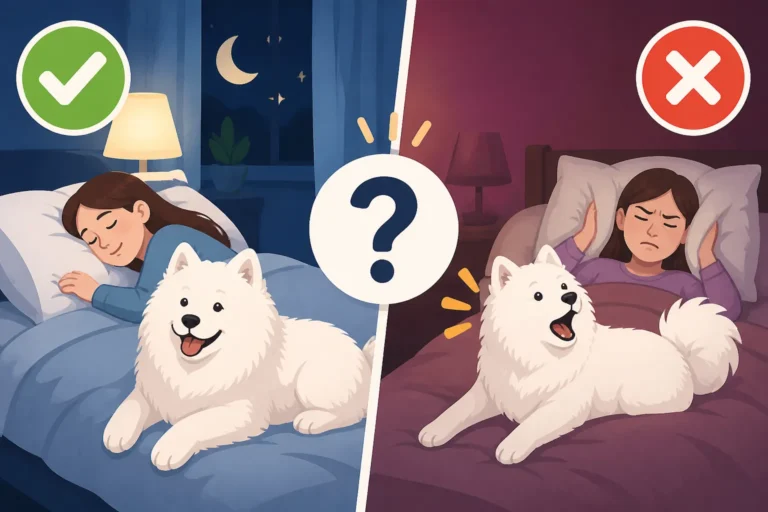
Samoyed sleeping arrangements depend on the breed history and temperament, balancing human comfort with the dog need for close proximity.

Samoyed history in Siberia explains why these dogs follow owners everywhere, stemming from Nenets tents where animals shared warmth.

Samoyed bonding behavior explains why these dogs often choose one favorite person despite their friendly nature toward everyone else.

Samoyed social needs and pack instincts help owners decide if adding a second dog prevents loneliness and separation anxiety.

Samoyed ownership for full-time workers requires planning because these dogs crave companionship and daily physical activity.
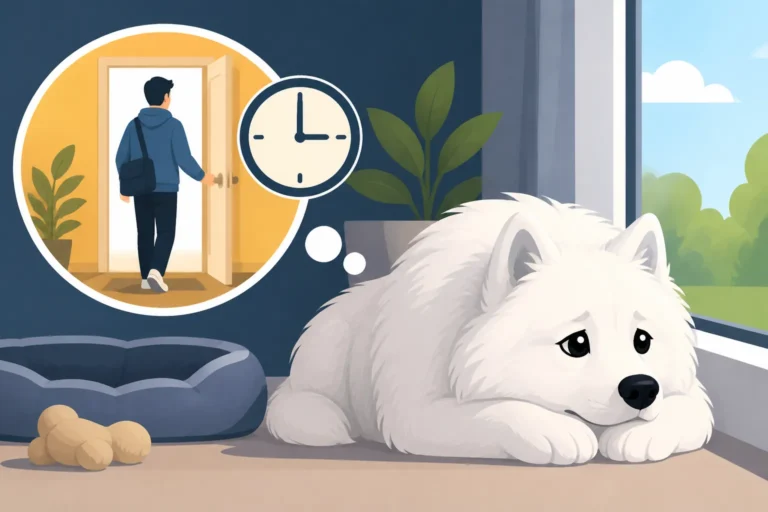
Samoyed alone time limits and puppy age guidelines explain how to prevent vocal barking, property destruction, and isolation distress.

Samoyed separation anxiety causes panic, howling, and destructive chewing, requiring actionable steps to help dogs feel secure.

Creating a dedicated digging pit satisfies Samoyed ancestral excavation instincts while protecting home gardens and yards.
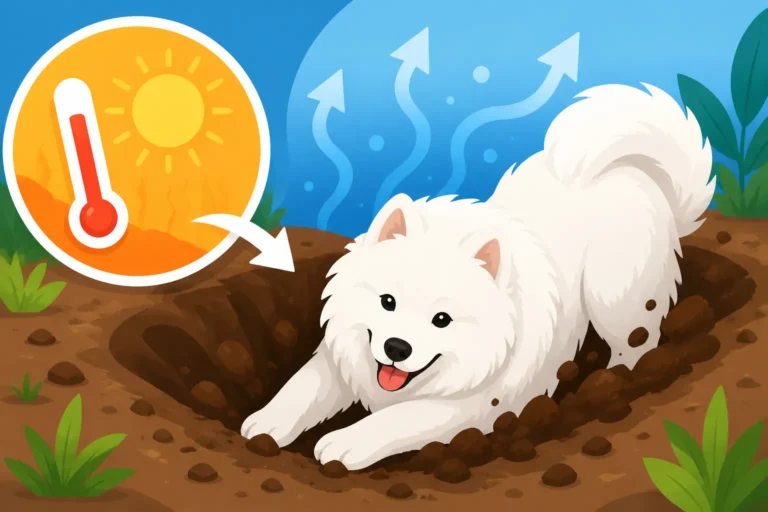
Samoyed digging behavior stems from heritage in freezing Siberia and helps the dogs escape summer heat by reaching cooler soil.
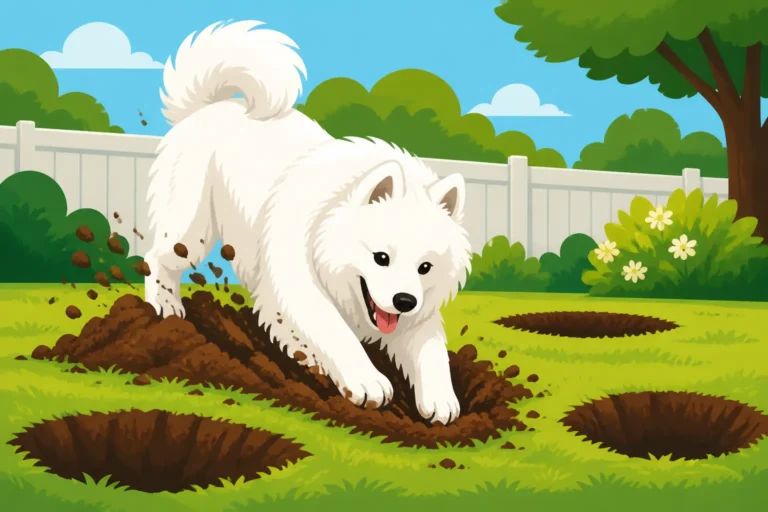
Samoyed digging habits stem from ancient survival instincts, heat regulation needs, and boredom, explaining why these dogs excavate yards.