The Holes a Samoyed Digs in a Yard
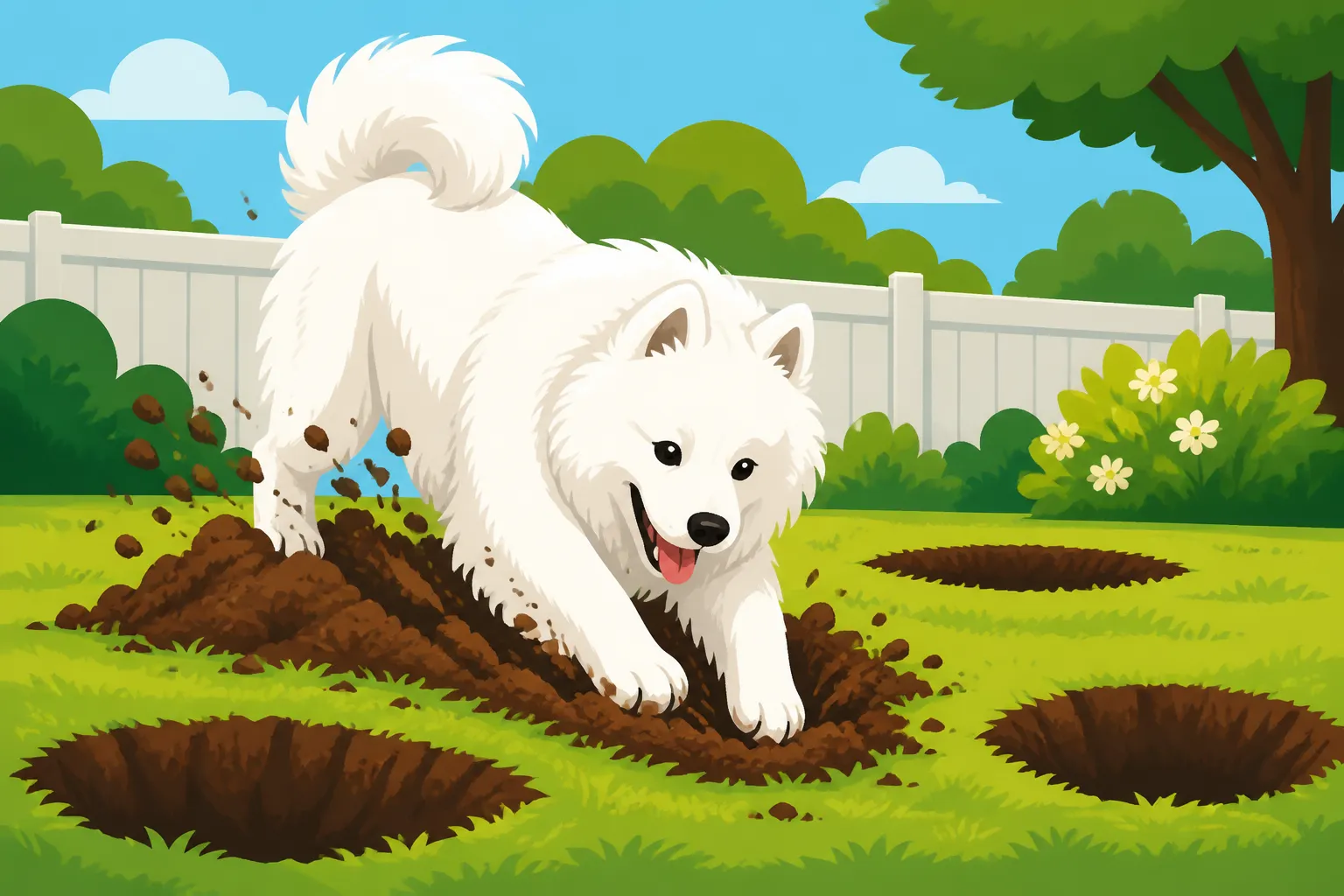
Oh, the joy of stepping into your beautifully manicured backyard, only to discover it looks like a lunar landscape dotted with fresh craters! If you’re a Samoyed owner, this scene might be a little too familiar. That adorable, fluffy cloud can, without warning, transform into an excavation machine, turning your lawn into a series of impressive earthworks. This guide is here to help you understand why your Samoyed turns into a digging dynamo and, more importantly, what practical steps you can take to manage this often-frustrating, yet completely natural, behavior.
The Deep-Rooted Reasons Behind the Digging Instinct
It’s easy to get upset when you see your Samoyed covered in dirt, proudly presenting a new hole in your prize-winning petunias. But before you get too frustrated, remember that digging isn't usually an act of defiance; it's often a deep-seated instinct. Understanding these underlying motivations is the first step toward finding a solution that works for both you and your fluffy companion.
Ancestral Instincts: More Than Just a Bad Habit
Samoyeds hail from Siberia, a place of extreme cold and harsh conditions. For generations, these dogs were partners to nomadic people, relying on their instincts for survival. Digging was, and still is, a crucial skill in their ancestral toolkit. They're not digging just to annoy you; they're tapping into behaviors that have kept their ancestors safe and comfortable for centuries.
Think about it: in the wild, canids dig dens for shelter from predators, for a safe place to raise their young, or simply to escape the biting winds and snow. While your modern Samoyed has a cozy bed indoors, that ancient programming still whispers to them. They might be trying to create a secure, comfortable spot in the yard, even if it seems utterly unnecessary to us. It’s part of What a Samoyed Was Actually Bred to Do, alongside herding and pulling. This isn't just a quirk; it's a testament to their remarkable heritage.
Comfort and Climate Control: Seeking Cool in the Heat
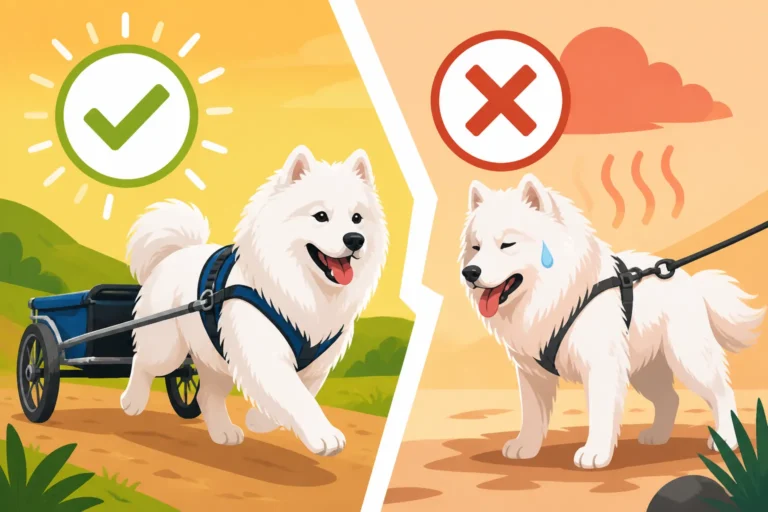
One of the most common reasons a Samoyed starts digging, especially when the weather warms up, is to regulate their body temperature. Your Samoyed has that magnificent, thick double coat designed for extreme cold. While it offers fantastic insulation in winter, it can make warmer climates incredibly challenging. When the sun beats down, that thick fur, despite its insulating properties, can trap heat close to their body.
What’s a resourceful Samoyed to do? They dig! Just a few inches down, the earth is significantly cooler than the surface. By creating a shallow pit, they can lie down and press their belly against the cool soil, finding immense relief from the heat. It’s their natural canine air conditioning system. This is especially true if your yard lacks sufficient shade or if they spend a lot of time outside during the hotter parts of the day. It's an instinctive way to find respite, a behavior we explore further in Why a Samoyed Digs to Stay Cool.
Boredom, Energy, and Mental Stimulation
Sometimes, the digging isn't about deep ancestral needs or staying cool, but rather a cry for help. Samoyeds are intelligent, active dogs, and a bored or under-exercised Samoyed is a creative Samoyed – often creatively destructive. They need outlets for their physical and mental energy, and if those aren't provided, they'll find their own.
An Outlet for Pent-Up Energy
Let's be real: Samoyeds are not couch potatoes. They were bred to work, to pull sleds over vast distances, and to herd reindeer. That means they have a significant amount of energy to burn. If your Samoyed isn't getting enough physical exercise, that energy has to go somewhere. Digging can be an incredibly satisfying physical activity for them. It engages their whole body, from their powerful shoulders to their strong paws.
A half-hour walk around the block might be great for some dogs, but for a Samoyed, it’s often just a warm-up. If they're regularly left with a surplus of energy, they'll seek out their own forms of "work." Digging can become a repetitive, self-rewarding behavior that helps them release that pent-up physical drive. You might also notice other unwanted behaviors, as mentioned in What a Bored Samoyed Does to a House, which all stem from this lack of adequate activity. Understanding How Much Exercise a Samoyed Needs is crucial for preventing these issues.
A Quest for Mental Engagement
Beyond physical exertion, Samoyeds are smart cookies. They thrive on mental challenges and problem-solving. If their days are monotonous, without new sights, sounds, or tasks to engage their clever minds, they can easily become bored. Digging can provide a surprising amount of mental stimulation. It’s a puzzle: "What's under here? Can I make this hole bigger? Is there something interesting to smell?"
Often, digging is tied into their innate prey drive. They might smell voles, moles, or other critters tunneling beneath your lawn. For a Samoyed, this scent is an irresistible invitation to investigate, to "hunt" what's hidden. It's like an exciting treasure hunt with dirt as the prize! This mental engagement, combined with the physical exertion, makes digging a highly rewarding activity for a dog lacking other forms of mental enrichment.
Addressing the Digging: Practical Solutions and Management
Okay, so we understand why they dig. Now, what do we actually do about it? It’s all about meeting those underlying needs and redirecting the behavior into acceptable outlets. This isn't about punishment, but about intelligent management and thoughtful intervention.
Increasing Exercise and Mental Stimulation
This is often the most critical step. If your Samoyed is digging out of sheer energy or boredom, the solution lies in providing more appropriate outlets.
- Go longer, go faster: Extend your daily walks, incorporate runs, or try activities like hiking. Even a simple game of fetch in a secure area can help, though many Samoyeds prefer to chase you rather than a ball.
- Structured exercise: Consider activities like dog sports. Canicross (running with your dog harnessed to you) or bikejoring (cycling with your dog pulling the bike) are fantastic ways to burn energy for a Samoyed. They excel at pulling, and channeling that natural instinct can be incredibly fulfilling for them.
- Brain games: Puzzle toys, sniff work, and obedience training sessions can wear out their minds just as much as their bodies. Brands like BAXTER & Bella offer comprehensive online training programs that focus on positive reinforcement and mental engagement, which can be invaluable. Rotate toys and challenges to keep things fresh.
- Purposeful work: As mentioned earlier, Samoyeds were bred to work. Providing them with a "job," even if it's just carrying a backpack on walks or learning complex trick sequences, can dramatically reduce boredom digging. Explore The Job a Samoyed Actually Needs for more ideas.
Creating a Designated Digging Zone
Sometimes, it's not about stopping the digging entirely, but redirecting it to an acceptable spot. This is where a "dig pit" comes in handy.
- Choose a spot: Pick an out-of-the-way area in your yard. It could be a corner, or a section against a fence.
- Build the pit: You don't need anything fancy. A sandbox for kids can be repurposed, or simply section off an area and loosen the soil. You can even add some sand to make it appealing. The key is to make it easy to dig and clearly delineated.
- Make it enticing: Bury some high-value toys, long-lasting chews, or even safe frozen treats (like a Kong stuffed with peanut butter) in the digging pit. Encourage your Samoyed to "find" them in their new digging area. When they start digging there, praise them enthusiastically! Over time, they'll associate that spot with fun and rewards. For all the tips on making it effective, check out Giving a Samoyed Its Own Digging Pit.
- Manage access: Until they fully understand the dig pit, you might need to supervise them in the yard or use temporary fencing (easily found on Amazon) to block off areas you don't want them to dig in.
Managing Environmental Factors
Sometimes, simple environmental adjustments can make a big difference.
- Shade and water: Ensure your Samoyed always has access to shade and fresh, cool water, especially on warm days. A kiddie pool with a few inches of water can also be a huge hit for cooling down.
- Cooling mats: Indoor cooling mats can provide a portable cool spot if they're prone to digging indoors (though less common for Samoyeds).
- Deterrents (use with caution): For existing problem spots, you can try taste deterrents (like bitter apple spray) or make the area unpleasant by laying down chicken wire just under the surface of the soil, or placing large, flat rocks. However, these should always be used in conjunction with providing an appropriate digging outlet. Without an alternative, they'll just find a new spot to dig. Also, be mindful that Samoyeds are escape artists. The Tunnel a Samoyed Digs Under a Fence is a real concern, so check your fence lines regularly and reinforce them if needed.
Training and Redirection Strategies
Positive, consistent training is the cornerstone of managing any unwanted behavior in a Samoyed. They are intelligent and responsive to fair methods, but they do have an independent streak.
Positive Reinforcement for Desired Behavior
The goal isn't to punish digging, but to teach your Samoyed what to do instead, and reward them for it.
- Interruption and Redirection: If you catch your Samoyed digging in an unauthorized spot, interrupt them with a cheerful noise (e.g., "Ah-ah!") and immediately redirect them to their designated digging pit or another appropriate activity, like a game of fetch. As soon as they engage in the desired behavior, praise and reward them generously.
- Consistency is Key: Everyone in the household needs to be on the same page. A consistent response teaches your Samoyed what's expected. If one person allows digging and another punishes it, your Samoyed will just get confused and frustrated.
- Rewarding Calmness: Don't forget to reward your Samoyed when they are not digging and are instead relaxing or playing appropriately in the yard. This reinforces the idea that there are many ways to enjoy the outdoors. Knowing What Actually Motivates a Samoyed (often food, praise, or toys) will make this process much more effective.
Understanding and Avoiding Punishment
Harsh punishment for digging is rarely effective for Samoyeds and can actually damage your relationship. These dogs are sensitive and respond best to positive methods.
- Why Punishment Fails: If you yell at or punish your Samoyed for digging, they might learn not to dig when you're around, but they won't understand why it's wrong, nor will they learn an alternative behavior. They might just become sneakier about it or develop anxiety. This can lead to a breakdown in trust, making future training much harder.
- Focus on Prevention: The best approach is to prevent the behavior from happening in the first place by providing sufficient exercise, mental stimulation, and an acceptable digging outlet. If they're tired and happy, the urge to dig indiscriminately will naturally decrease.
- Build a Strong Bond: Your Samoyed wants to please you, but they also want to be understood. By approaching digging from a place of understanding and positive guidance, you'll strengthen your bond and build a more cooperative relationship. Remember, Whether a Samoyed Can Be Left Alone for extended periods without enrichment can often lead to these kinds of "self-employment" activities. Consider if Whether a Samoyed Needs a Yard implies unrestricted access without supervision or appropriate outlets.
Here’s a quick overview of common digging reasons and effective solutions:
| Reason for Digging | Description | Solution |
|---|---|---|
| Boredom/Excess Energy | Samoyed is under-exercised, needs a job or mental challenge. | Increase physical exercise (runs, hikes), mental games (puzzle toys, training), dog sports. |
| Comfort/Cooling | Seeking a cool spot in warm weather due to thick coat. | Provide ample shade, fresh water, kiddie pool, or cooling mat. Restrict outdoor access during peak heat. |
| Prey Drive/Scent | Detecting small animals (voles, moles) underground and trying to hunt them. | Create a designated dig pit for safe "hunting." Manage critter population if possible. |
| Anxiety/Stress | Rare, but sometimes a coping mechanism for separation anxiety or other stress. | Address underlying anxiety with vet/behaviorist guidance; ensure ample companionship. |
| Instinct/Exploration | Natural canine behavior to investigate, create dens, or bury items. | Redirect to a designated digging pit; provide appropriate chew toys for burying. |
| Escape Attempts | Digging under fences to get out of the yard. | Secure fences (e.g., L-footer), increase supervision, focus on recall training, ensure sufficient exercise. |
Ultimately, living with a Samoyed means understanding and embracing their unique characteristics, even the ones that might require a little extra effort on our part. With patience, consistency, and a proactive approach, you can manage their digging instincts and keep both your yard and your Samoyed happy.
Disclaimer
This article is for general informational purposes only and does not constitute professional advice. Laws, prices and regulations vary by location and change over time. Consult a qualified professional for guidance on your specific situation.