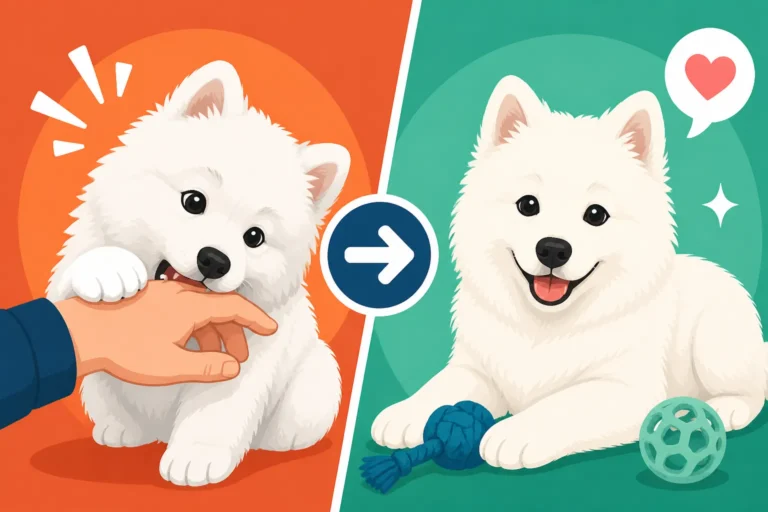
What a Samoyed Sounds Like When It Talks
Ah, the delightful symphony of a Samoyed! Many people fall in love with their fluffy white smiles and then bring them home, only to discover their new best friend has a lot to say. If you've ever found yourself wondering what on earth that unique yodel or ear-splitting shriek means, or how to manage the constant commentary, you're not alone. This guide will help you decipher the rich and varied language of your Samoyed, understand why they're so vocal, and offer compassionate, effective strategies for living harmoniously with their lively expressions.
The Samoyed's Unique Vocal Repertoire
When you first hear a Samoyed "talk," it's often a revelation. They don't just bark like many other dogs; they have a whole dictionary of sounds that can be both charming and, let's be honest, utterly bewildering. Understanding this unique communication style is the first step in truly connecting with your fluffy companion.
Beyond the Bark: Understanding the Samoyed "Talk"
Forget everything you thought you knew about dog sounds if your experience is limited to breeds that primarily "bark." Samoyeds operate on a different frequency, literally. While they certainly can and do bark, it's often just one note in a much larger, more expressive chorus. You'll hear a variety of noises that can range from soft, rumbling grumbles to excited yips, from dramatic sighs to full-throated, operatic howls. This isn't just random noise; it's their way of communicating a vast spectrum of emotions and desires.
For example, a Samoyed might offer a low, contented groan when snuggling on the couch, or emit a series of soft "woo-woos" when greeting you after a short absence, as if asking, "Where have you been, my dear human?" An insistent, repetitive yip might mean "I need to go potty right now!" or "My food bowl is empty and I might just starve!" Learning to distinguish these sounds takes time and observation, but it's incredibly rewarding as it deepens your bond and helps you anticipate their needs.
Why a Samoyed Vocalizes Instead of Barking
So, why are Samoyeds such chatty individuals? Their history offers a huge clue. Unlike many breeds developed for guarding or hunting, the Samoyed's ancestral role with the Nenets people of Siberia involved working closely with humans. They herded reindeer, pulled sleds, and crucially, lived right alongside their families in tents, often sleeping with them for warmth. This close, cooperative relationship fostered a need for nuanced communication that went beyond simple alarm barks.
Imagine being snuggled up in a tent with your dogs while reindeer graze outside. A loud, continuous bark might alert predators or scatter the herd unnecessarily. Instead, a more subtle, varied vocalization would be far more practical for communicating with their human family about changing conditions or emotional states without causing a ruckus. This historical context explains Why a Samoyed Vocalizes Instead of Barking with such a rich vocabulary of grunts, murmurs, and "talking" sounds, rather than just constant, sharp barks. They were bred to be companions and partners, and partners communicate!
Decoding the Different Samoyed Sounds
Each Samoyed has its own vocal quirks, but there are some universally recognized sounds that are characteristic of the breed. Learning to identify these can save you a lot of guesswork and help you respond appropriately, rather than just being overwhelmed by the noise.
The Infamous Samoyed Scream
Ah, the Samoyed scream. If you've never heard it, count yourself lucky – or prepare for an experience! This isn't just a loud bark; it's a piercing, high-pitched, almost human-like shriek that can turn heads blocks away. It’s often triggered by extreme excitement, frustration, or a sudden perceived alarm. For instance, the mail carrier arriving, a squirrel daring to cross the yard, or the sheer joy of seeing you after a five-minute errand can all unleash this magnificent vocalization.
Owners often describe it as startling, deafening, and sometimes embarrassing, especially in public spaces like the vet's waiting room or a busy park. It’s their way of expressing intense emotions, whether it's unbridled happiness, profound displeasure, or a dramatic announcement of the day's events. While it might sound like they're being tortured, it's usually just pure, unadulterated Samoyed expression. Understanding that The Samoyed Scream and Why It Is Not Barking is a normal, albeit dramatic, part of their communication can help you manage your own reaction, and your neighbors'!
Howls, Woos, and Grumbles: Everyday Samoyed Conversations
Beyond the scream, Samoyeds engage in a more regular, conversational range of sounds that are truly endearing once you get used to them. The "woo-woo" is perhaps the most iconic, a soft, rising-and-falling vocalization that sounds like a happy siren. It's often used as a greeting, an invitation to play, or a polite request. You might hear a string of woos if you're holding a favorite toy or have just returned home.
Howling is also common, especially if they hear a siren, another dog howling, or sometimes just when they're feeling particularly expressive. It's often a communal sound, echoing their sled dog ancestors who communicated across distances. Then there are the grumbles, which are low, guttural sounds usually reserved for expressing mild displeasure ("I don't want to get off the couch yet!") or a comfortable, sleepy contentment. These are the sounds that, once you learn their rhythm, make you feel like you're truly having a chat with your Samoyed.
The Doorbell Effect: Samoyed Reactions to Stimuli
The doorbell is a prime example of an everyday sound that can unleash the full force of a Samoyed's vocal prowess. For many Samoyeds, the chime of the doorbell isn't just a signal that someone is at the door; it's an announcement that the most exciting event of the day is about to unfold! This often translates into a cacophony of barks, woos, and sometimes even the dreaded scream, all while they dash to the door, tail wagging furiously, ready to greet their "intruder" with unparalleled enthusiasm.
It's not usually an aggressive response, but rather an over-the-top friendly one, a booming declaration of "Welcome! I'm so excited you're here!" This makes sense when you consider their historical role as companion dogs, eager to welcome anyone and everyone into the family fold. The same goes for seeing other dogs or people on walks; their excitement often bubbles over into loud vocalizations. If you want to dive deeper into why this happens, check out How a Samoyed Reacts to the Doorbell. It’s a common challenge, but one that can be managed with consistent training and redirection.
Managing and Minimizing Excessive Vocalization
While their unique sounds are part of a Samoyed's charm, excessive or inappropriate vocalization can definitely become a source of stress for both you and your neighbors. The key isn't to silence your Samoyed entirely – that's often an impossible and unfair goal – but rather to teach them when and how much to "talk."
Understanding the Root Cause: Why Is Your Samoyed So Loud?
Before you can tackle the noise, you need to play detective and figure out why your Samoyed is being so loud. Are they bored? A Samoyed with pent-up energy or a lack of mental stimulation is a recipe for a vocal disaster. They might bark, howl, or scream purely out of frustration or to get your attention. Think about it: if they've been lounging all day, a sudden outburst is their way of saying, "Hey, I'm here, I need something to do!" For more on this, consider What a Bored Samoyed Does to a House, which often includes vocalizing.
Sometimes, it's simply seeking attention. If your Samoyed barks and you immediately respond, even if it's to tell them to be quiet, you've inadvertently rewarded the behavior. They've learned that barking gets a reaction from you. Anxiety, especially separation anxiety, can also manifest as relentless vocalization when you leave them alone. And, of course, sheer excitement is a huge factor, as discussed with the doorbell. Identifying the trigger is crucial for choosing the right training approach.
Training Strategies for a Quieter Samoyed
Once you know the why, you can start implementing effective training. The "quiet" cue is an essential tool for any Samoyed owner. This involves teaching your dog to stop vocalizing on command. Start by encouraging a bark (e.g., by knocking on a door), then, as soon as they bark, hold a treat to their nose, say "Quiet!" in a firm but calm voice, and reward them the instant they stop. Gradually increase the duration of silence before the reward. Consistency is absolutely critical here. Everyone in the household needs to use the same cue and follow the same steps.
Positive reinforcement is your best friend with a Samoyed. They are intelligent but can be stubborn, so making training fun and rewarding is key. Never use punishment or scolding, as this can damage your bond and make them more anxious or vocal. Organizations like BAXTER & Bella offer excellent online resources and programs that focus on positive, reward-based training methods, which are ideal for sensitive and smart breeds like Samoyeds. For a deeper dive into this specific training, look up Teaching a Samoyed a Quiet Cue. Remember, patience is paramount; it takes time to reshape an ingrained behavior.
Environmental Management and Enrichment
Beyond direct training, creating an environment that supports calmness and provides appropriate outlets for their energy is vital. For those living in apartments or close quarters, consider some simple soundproofing measures, like heavy curtains or even a white noise machine, which can help muffle outside sounds that trigger vocalizations.
Crucially, ensure your Samoyed gets enough physical exercise. A tired Samoyed is generally a quieter Samoyed. Daily walks, runs, or play sessions are non-negotiable. Additionally, mental stimulation is just as important as physical activity. Puzzle toys that dispense treats, sniff games, or even learning new tricks can keep their clever minds engaged and reduce boredom-induced vocalizations. Consider investing in durable chew toys or snuffle mats, readily available on platforms like Amazon, to provide long-lasting engagement. Regularly exercising their bodies and minds can significantly reduce their need to "talk" out of frustration or excess energy. Read How Much Exercise Quiets a Samoyed for more ideas.
Living with a Vocal Samoyed: Expectations vs. Reality
It’s important to set realistic expectations when sharing your life with a Samoyed. They are not known for being silent, stoic dogs. Embracing their vocal nature, while also managing it, is part of the journey.
The Volume Knob: Is There Such a Thing as a "Quiet" Samoyed?
Let's be clear: a truly "silent" Samoyed is about as rare as a warm winter in Siberia. They are inherently vocal creatures, built to communicate with their human families and their pack. While you can certainly train them to be less vocal and to understand "quiet" cues, expecting absolute silence is likely to lead to frustration for both of you. Instead, aim for a Samoyed who understands when it's appropriate to vocalize and when it's not.
Some Samoyeds are naturally more boisterous than others – it's just part of their individual personality. You might find that your particular Samoyed leans more towards woos and grumbles than ear-splitting screams, or vice versa. The goal is to manage the intensity and frequency, not to eliminate their voice entirely. After all, their expressive "conversations" are a huge part of their charm! For a broader perspective, you might find How Vocal Every Samoyed Is sheds more light on the spectrum of Samoyed chattiness.
Neighborly Relations and Apartment Living
If you live in an apartment or a densely populated neighborhood, your Samoyed's vocal talents can quickly become a point of contention with neighbors. No one wants to be "that neighbor" with the noisy dog. This is where proactive management and communication become paramount. Introduce your Samoyed to your neighbors, letting them see firsthand what a sweet, friendly dog they are, which can help build goodwill. Explain that Samoyeds are a vocal breed, but you are actively working on training.
Consistency in training is crucial here. If your Samoyed barks incessantly every time you leave, you'll need to address potential separation anxiety or boredom with dedicated training and enrichment strategies. Consider leaving on a radio or TV to provide background noise and mask external triggers. Before even bringing a Samoyed into an apartment, it's wise to consider Whether a Samoyed Suits an Apartment Building and the commitment required to manage their natural tendencies in such a setting. Good training and clear communication can go a long way in maintaining peaceful relations.
Embracing the "Talk": Finding Joy in Their Communication
Ultimately, living with a Samoyed means learning to appreciate their unique way of communicating. Once you move past the initial shock or frustration of their loudness, you'll start to recognize the nuances in their "talk." The joyful woos when you pick up the leash, the dramatic sighs that convey supreme contentment, the little grumbles when they're making themselves comfortable – these are all expressions of their personality and their bond with you.
Their vocalizations aren't just noise; they're a window into their emotional world. They tell you when they're excited, happy, bored, frustrated, or simply trying to get your attention. Learning to distinguish these subtle differences deepens your understanding of your dog and strengthens your relationship. It transforms what might initially seem like an annoying habit into a cherished aspect of their being, making them even more of a delightful, albeit sometimes loud, member of your family.
Common Misconceptions About Samoyed Vocalizations
There are a few myths and misunderstandings floating around about Samoyed vocalizations that are important to address. Clearing these up can help owners approach their dog's behavior with greater empathy and effectiveness.
Is a Samoyed's Barking a Sign of Aggression?
One of the most common misconceptions is that a loud, boisterous Samoyed is an aggressive one. This couldn't be further from the truth. While some breeds use barking as a territorial warning or an aggressive display, a Samoyed's loud vocalizations are almost universally driven by excitement, happiness, frustration, or a strong desire for attention. They are not typically guard dogs, and their instinct is usually to greet everyone, friend or stranger, with boundless enthusiasm.
The infamous Samoyed smile, combined with a wagging tail, is a strong indicator of their friendly disposition, even when they're making a racket. If you see a Samoyed "screaming" and charging towards someone, it's almost certainly to smother them with affection, not to threaten. Understanding that Whether a Samoyed Is Ever Aggressive is a rare occurrence, especially in their vocal displays, can help you interpret their sounds correctly and reassure others.
The Myth of the "Silent" Samoyed
Another pervasive myth, perhaps fueled by their calm demeanor in certain situations, is that Samoyeds are quiet dogs. This is simply not true. As we've explored, their history and genetics predispose them to being quite vocal. While an individual Samoyed might be less vocal than others, a truly silent Samoyed is an anomaly. Expecting a Samoyed to be quiet because you saw a calm one in a picture book or at a show is like expecting a husky not to shed – it's against their nature.
It’s important for prospective owners to research breeds thoroughly and prepare for the realities of Samoyed ownership, including their expressive voices. Don't fall for the idea that your Samoyed will be the exception to the rule. Instead, embrace their unique communications and plan for consistent training. For further reading on this, you might be interested in The Samoyed That Wakes the Neighbors, which highlights just how vocal they can be.
Bark Collars and Samoyeds: A Risky Combination
Given their vocal tendencies, some owners might be tempted to turn to punitive measures like bark collars to curb the noise. However, this is strongly discouraged for Samoyeds. These devices, whether they deliver static corrections, citronella sprays, or ultrasonic sounds, work by startling or punishing the dog for vocalizing. For a sensitive and intelligent breed like the Samoyed, this approach can be highly detrimental.
Samoyeds are incredibly people-oriented and thrive on positive reinforcement and clear, kind communication. A bark collar can cause anxiety, confusion, and fear, leading to a breakdown in trust and potentially exacerbating behavioral issues rather than solving them. They might suppress barking out of fear in your presence, but continue or even increase other anxious behaviors when left alone. Instead of teaching them what to do, bark collars only teach them what not to do through fear. For more on why this is not a suitable solution, explore Whether a Bark Collar Belongs on a Samoyed. Focus on understanding the root cause of their vocalization and using positive training methods to teach them appropriate behavior.
Disclaimer
This article is for general informational purposes only and does not constitute professional advice. Laws, prices and regulations vary by location and change over time. Consult a qualified professional for guidance on your specific situation.