The Bear Hunting Samoyeds Did for the Nenets
It's easy to look at our fluffy, smiling Samoyeds today, curled up on the sofa or joyfully romping in the park, and think of them as nothing more than charming companions. We see the soft fur and the perpetually happy expression, and it can be hard to reconcile that image with their ancient history. But beneath all that glorious white coat lies a legacy of incredible strength, resilience, and a surprising instinct for tackling some of the most formidable predators on the Siberian tundra. This guide dives deep into the little-known but vital role Samoyeds played in hunting bears alongside their Nenets human companions.
Beyond Reindeer: The Samoyed's Unexpected Role in Hunting Larger Prey
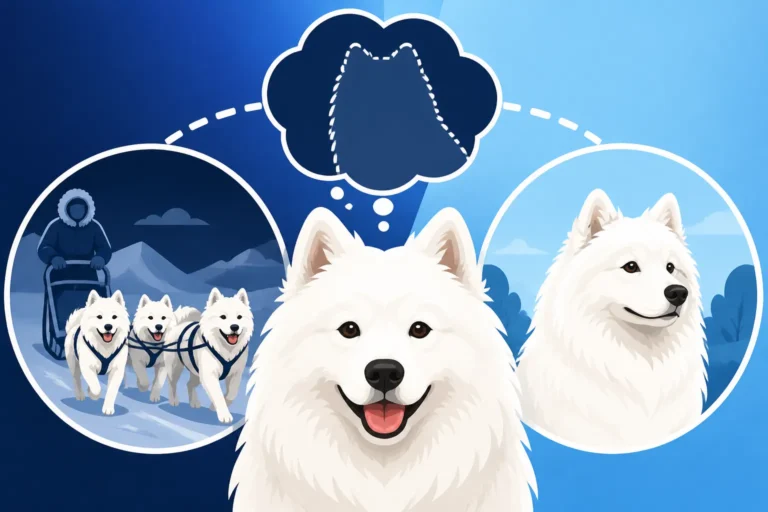
When most people think of the historical role of Samoyeds, their minds naturally go to reindeer herding and sled pulling. And it's true, these were absolutely primary functions for these magnificent dogs with the Nenets people, helping to manage vast herds across unforgiving landscapes. The Nenets relied on their Samoyeds for their very survival, making them invaluable members of the family unit, often The Samoyed Slept in the Tent to Keep People Alive. But the Siberian tundra was, and still is, a wild and dangerous place, home to formidable predators. Reindeer herding alone didn't cover all the necessities of life, nor did it fully protect the herds from opportunistic hunters. This is where the Samoyed's less-publicized, but no less critical, role emerged: their participation in bear hunting.
The Hunter's Companion: More Than Just a Herder
The sheer scale of life on the Yamal Peninsula demanded a versatile dog. The conditions were brutal, with extreme cold and scarce resources. The Nenets of the Yamal Peninsula Bred the Samoyed for a multitude of tasks, and while their primary function was indeed managing the semi-wild reindeer herds, their intelligence, stamina, and loyalty made them adaptable to other vital roles. The Nenets didn't just need a dog to move reindeer; they needed a partner capable of assisting in securing sustenance and protecting their way of life from threats.
These dogs were integral to every aspect of the Nenets' existence. They weren't simply animals kept for utility; they were companions, guardians, and collaborators. Their proximity to humans, often sharing the warmth of the chum (traditional tent), fostered an incredibly close bond and a deep understanding of human cues. This close partnership extended naturally into hunting, where precise communication and unwavering courage were paramount. They needed a dog that could switch from gently guiding a fawn to fearlessly facing down a predator, often on the same day. This adaptability is a testament to the comprehensive breeding practices of the Nenets, who shaped the Samoyed into the truly all-purpose northern dog.
Confronting the Giants: How Samoyeds Tackled Bears
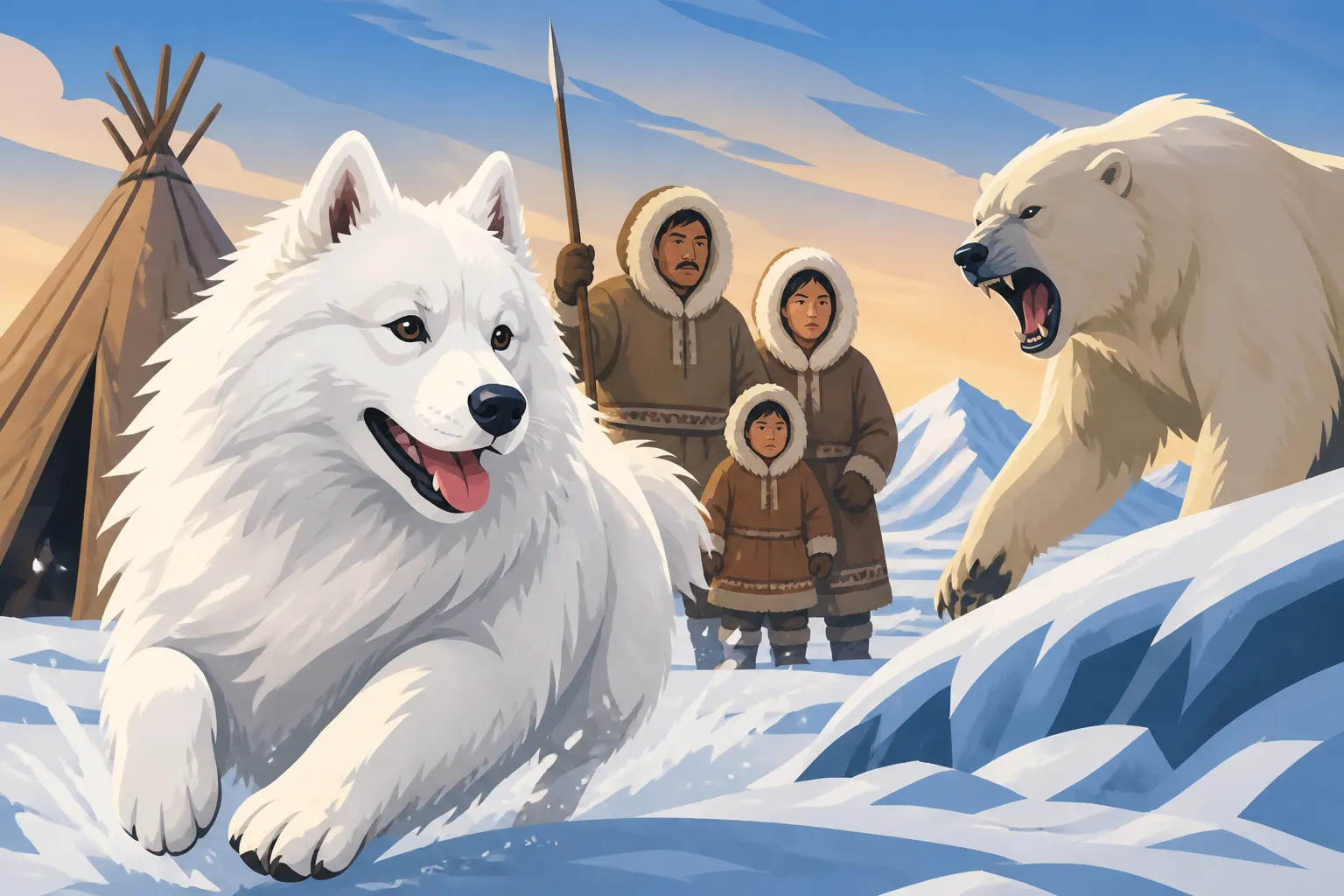
Now, let's be clear: Samoyeds were not bred to take down a bear by themselves, nor did they directly kill these massive animals. That would be a suicidal task for any dog. Instead, their role was one of immense courage, distraction, and strategic harassment, designed to aid the human hunter. The bears in the Nenets' territory included formidable brown bears and, further north, polar bears, both incredibly powerful and dangerous animals.
When a bear was sighted, whether it was threatening the reindeer herd or being sought for its meat and hide, the Samoyeds' instincts would kick in. Their primary tactic was to surround the bear, barking relentlessly, nipping at its heels, and moving with incredible agility to avoid its swatting paws and charges. This cacophony and constant movement served several crucial purposes:
- Distraction: The dogs drew the bear's attention, preventing it from focusing on a single target, especially the human hunter. This gave the hunter vital seconds to position themselves for a safe and effective shot.
- Harassment and Exhaustion: The relentless barking and feinting would agitate and wear down the bear, making it less likely to charge effectively or escape quickly. Imagine a dozen fluffy, vocal dogs buzzing around a bear, each one just out of reach, but constantly nagging.
- Cornering and Holding: The ultimate goal was often to corner the bear against a natural obstacle or simply to keep it in one place, "holding" it there until the hunter could arrive and dispatch it. This required incredible bravery and a keen understanding of canine teamwork. Individual dogs would work together, intuitively knowing when to press forward and when to retreat, ensuring the bear remained engaged but unable to escape or seriously injure them. It's a testament to their ingrained intelligence and cooperative nature, which makes them such wonderful, albeit sometimes stubborn, companions even today.
The Instincts That Made Them Bear Hunters
It takes a very specific set of traits for a dog to willingly and effectively participate in a hunt that involves such a powerful predator. These aren't instincts learned in a casual walk through the woods; they are deeply ingrained survival mechanisms honed over generations in one of the planet's harshest environments. The Samoyed's historical experiences with bears, both as protectors of their herds and as aids in hunting, forged a canine spirit of unwavering courage and keen awareness.
A Legacy of Courage and Alertness
The courage of the Samoyed isn't just about fighting; it's about standing firm in the face of immense danger for the well-being of its family and its herd. This isn't recklessness, but a calculated bravery born from instinct. When a bear approached, whether it was scavenging or actively hunting, the Samoyeds had to be the first line of defense. Their protective instincts, often overlooked in today's fluffy pet, were incredibly strong. They were bred to warn, to deter, and to engage if necessary.
Their alertness was equally vital. In the vast, open spaces of the tundra, early detection of a threat meant the difference between a successful defense and a catastrophic loss of precious reindeer. Their keen senses of smell and hearing, combined with their ability to spot movement at a distance, allowed them to detect dangers long before humans could. This acute awareness is still present in modern Samoyeds, often making them excellent (if sometimes overly enthusiastic) "doorbell dogs," quick to alert you to any perceived anomaly outside. Even when they seem to be happily lounging, they're often subtly monitoring their surroundings. It's part of How a Samoyed Hides Illness Behind a Smile – they are often stoic, but always aware.
Communication and Cooperation: The Pack Mentality
Perhaps one of the most remarkable aspects of the Samoyed's role in bear hunting was their ability to communicate effectively, not just among themselves, but with their human partners. The Samoyed is famous for its vocalizations—the barks, the "woo-woos," the screams, and all the various expressions that make them such talkative companions. This rich vocabulary was no mere quirk; it was a critical survival tool.
When encountering a bear, their loud, insistent barking wasn't just noise; it was a signal. It alerted the human hunters to the presence of the bear, its location, and its movements. This coordinated effort between dog and human was a sophisticated form of cooperation. The dogs understood their role: to engage the bear, keep it distracted, and guide the hunter. The hunter, in turn, trusted the dogs to perform this dangerous task, knowing their lives depended on it. This pack mentality, where multiple dogs worked in concert, was essential. A single Samoyed might be overwhelmed, but a group of them, acting as a cohesive unit, could effectively manage a much larger animal. This cooperative spirit is something you still see today when Samoyeds interact with other dogs; they tend to be quite social and often thrive in multi-dog households, How a Samoyed Behaves With Other Dogs. Their inherent desire to be part of a group, whether human or canine, is a direct link to their historical need for teamwork in harsh environments.
Life on the Tundra: Why Bear Hunting Was Essential
To truly understand the Samoyed's role in bear hunting, we have to grasp the brutal realities of life for the Nenets people on the Yamal Peninsula. Survival was a constant challenge, and every resource was precious. The environment offered little margin for error, and a successful hunt could mean the difference between life and death for an entire family or tribe.
Sustenance and Safety: The Dual Purpose
Bear hunting wasn't a sport; it was a matter of survival. Bears represented both a threat and a resource. From the safety perspective, bears were a direct danger to the Nenets' most valuable asset: their reindeer. Reindeer were not just food; they provided hides for clothing and shelter, bones for tools, and milk. A single bear attack could decimate a portion of a herd, putting the community's future in jeopardy. The Samoyeds, as dedicated guardians, played a crucial role in protecting these herds, a task that often involved confronting bears head-on. How a Samoyed Herded Reindeer involved constant vigilance, and warding off predators was a natural extension of that.
From the sustenance perspective, a successful bear hunt provided significant amounts of meat, fat, and a valuable hide. In a landscape where food sources could be scarce, especially during the long, dark winters, bear meat was a vital addition to the diet. The hides were used for warm clothing, bedding, and even parts of their traditional dwellings. Thus, the Samoyeds' assistance in these hunts served a dual, indispensable purpose: protecting existing resources and acquiring new ones. Their bravery allowed the Nenets to live a more secure and provisioned life.
The Bond Between Human and Samoyed in a Dangerous World
The demanding conditions of the tundra forged an unparalleled bond between the Nenets and their Samoyeds. These were not mere working animals; they were family members, indispensable partners in a harsh world. This deep trust was evident in every aspect of their lives, and especially so in the high-stakes endeavor of bear hunting. The hunter put their life in the paws of their dogs, trusting them to distract, alert, and hold a dangerous animal. The dogs, in turn, relied on their human companion to finish the task and ensure their safety.
This symbiotic relationship meant that the welfare of the dogs was paramount. They were cared for, fed, and protected, because their health and capabilities directly impacted the survival of the human family. When you read about The Household a Samoyed Was Built For, it wasn't just about sharing a tent; it was about sharing a life, with all its inherent dangers and dependencies. This historical partnership explains why modern Samoyeds often exhibit such a strong desire to be close to their human families, following them from room to room. It's not just clinginess; it's an echo of an ancient need for proximity and cooperation, a deep-seated instinct to be part of the "pack."
| Samoyed Historical Role | Primary Purpose | Key Instincts Utilized | Human-Dog Interaction |
|---|---|---|---|
| Reindeer Herding | Food, materials | Herding, vigilance, voice | Gentle guidance, protection |
| Sled Pulling | Transport | Strength, endurance, obedience | Leadership, teamwork |
| Bear Hunting (Assistance) | Safety, sustenance | Courage, vocalization, agility, teamwork | Trust, coordinated effort |
| Companion/Guard | Warmth, warning | Loyalty, alertness, vocalization | Close bond, protection |
Echoes of the Past: Modern Samoyeds and Their Ancestral Traits
While our contemporary Samoyeds are far removed from the bear-hunting tundra, the genetic blueprint of their ancestors remains. Many of the quirks and challenges of living with a Samoyed today can be directly traced back to the traits that made them indispensable to the Nenets people, including their hunting prowess. Understanding this history can help us better appreciate and manage our beloved fluffy companions.
The Modern Samoyed's Inner Hunter
That strong prey drive you observe when your Samoyed spots a squirrel, a rabbit, or even a leaf blowing in the wind? That's a direct echo of their hunting past. While they might not be chasing down bears, the instinct to pursue and engage with smaller, faster prey is very much alive. This is why a Samoyed's recall can be so famously unreliable when something more interesting (like a deer or a rabbit) catches their eye. Why a Samoyed's Recall Cannot Be Trusted stems from this intense focus on the chase, a remnant of their ancestors' need to track and harass game.
Their vocal nature, often expressed as excited "woo-woos" or even the infamous "Samoyed scream," also links back to their history. These were the sounds that alerted hunters to a bear's presence, that rallied the pack, and that kept a large animal distracted. It wasn't just random noise; it was communication. Today, it might be your Samoyed announcing the mail carrier or demanding attention, but the underlying instinct to use their voice as a primary form of communication remains robust. Many owners often wonder Why a Samoyed Vocalizes Instead of Barking, and it's because their communication spectrum is so much broader than a simple bark.
Understanding and Channeling Natural Instincts
Living with a Samoyed means embracing these ancient instincts, not trying to suppress them entirely. Instead, we can channel them into appropriate outlets. For that strong prey drive, consider activities like lure coursing, flirt poles, or even advanced scent work, which taps into their incredible noses and problem-solving abilities. Interactive toys that dispense treats, like those you can find on Chewy, can also satisfy their problem-solving and "hunting" instincts in a safe, constructive way indoors.
Their love for pulling, which stems from their sledding heritage, can be channeled into sports like canicross, bikejoring, or urban mushing. This gives them a "job" and satisfies their innate desire to work alongside their human companions, much like their ancestors did pulling sleds or assisting in hunts. Understanding What a Samoyed Was Actually Bred to Do helps us provide them with fulfilling lives today. Durable chew toys and puzzle feeders, readily available from retailers like Chewy, can also help redirect any destructive chewing or digging instincts that might arise from boredom. Remember, a bored Samoyed is often a vocal, destructive, or escape-prone Samoyed. Providing mental and physical stimulation is key.
In essence, the magnificent Samoyed we share our homes with today carries the spirit of a courageous bear hunter and a vigilant herd protector. Their smiles hide a rich history of survival, partnership, and an indomitable spirit.
Disclaimer
This article is for general informational purposes only and does not constitute professional advice. Laws, prices and regulations vary by location and change over time. Consult a qualified professional for guidance on your specific situation.