How Samoyeds Were Traded Between Tribes
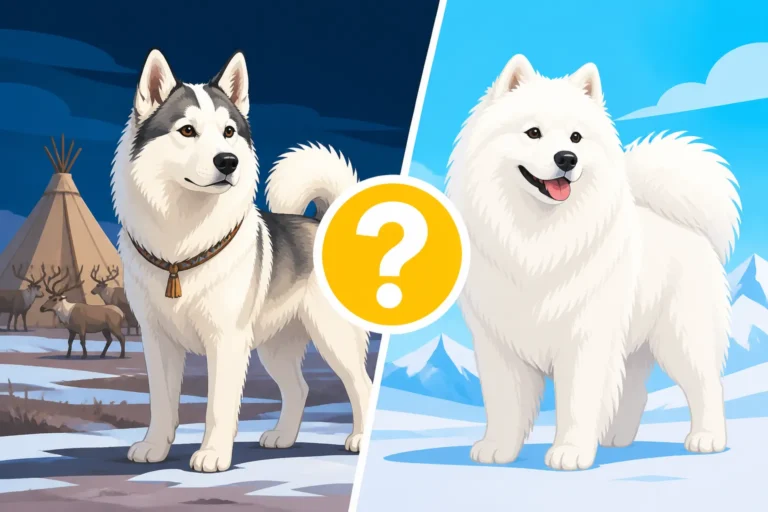
Have you ever wondered about the true origins of our beloved Samoyeds, beyond just their frosty homeland? It’s easy to imagine them always by the side of the nomadic tribes, but understanding how these valuable animals moved between communities, how they were valued, and why they were traded offers a fascinating glimpse into their ancient history and the very fabric of early human-animal partnerships. This guide dives deep into the intricate network of exchange that shaped the Samoyed breed long before they ever set paw in a modern kennel.
The Ancient Fabric of Nomadic Life and Canine Companionship
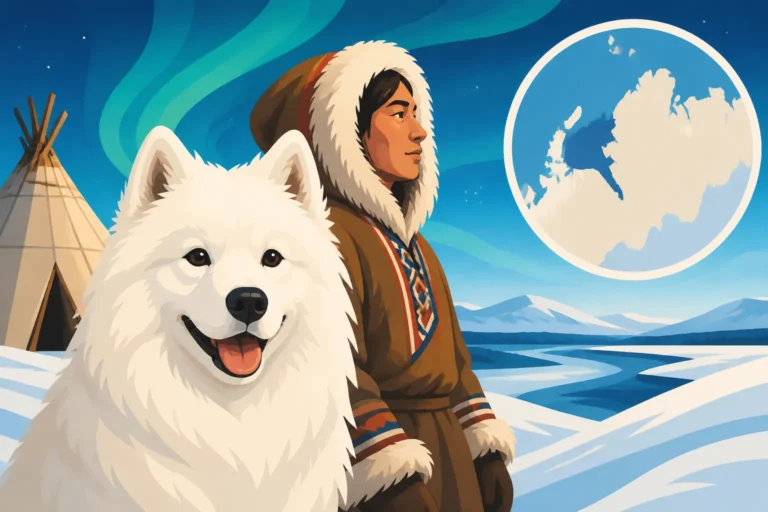
Imagine the vast, harsh landscapes of Siberia, where survival depended entirely on the synergy between people and animals. For the indigenous peoples, often referred to as the Nenets in the region where the Samoyed truly originated, dogs weren't just pets; they were integral family members, working partners, and often, the key to survival itself. These aren't just quaint stories; these were stark realities where a well-bred dog could literally mean the difference between life and death for an entire family or tribe.
Dogs as Essential Tools for Survival
In these unforgiving environments, every animal had a purpose. Reindeer provided sustenance, hides, and transportation, but without reliable herding dogs, managing vast herds was an impossible task. The Samoyed, with its keen instincts and resilience, excelled at this. They weren't just rounding up strays; they were guarding against predators like wolves, navigating treacherous terrain, and enduring brutal cold right alongside their human companions. How a Samoyed Herded Reindeer shows just how vital these skills were. Beyond herding, these dogs also served as powerful, albeit small, draft animals, capable of pulling sleds laden with supplies or children across frozen wastes. This versatility made them indispensable.
Think about it: a community relying on reindeer for everything would meticulously select and value dogs that could protect and manage those reindeer. A dog that could withstand How Cold It Gets Where the Samoyed Came From and perform its duties reliably was an asset worth its weight in gold, or rather, in furs or other precious commodities. Their ability to survive How a Samoyed Survives Sixty Below wasn't just a trait; it was a testament to their deep genetic suitability for that lifestyle, honed over countless generations.
The Social and Cultural Role of Dogs
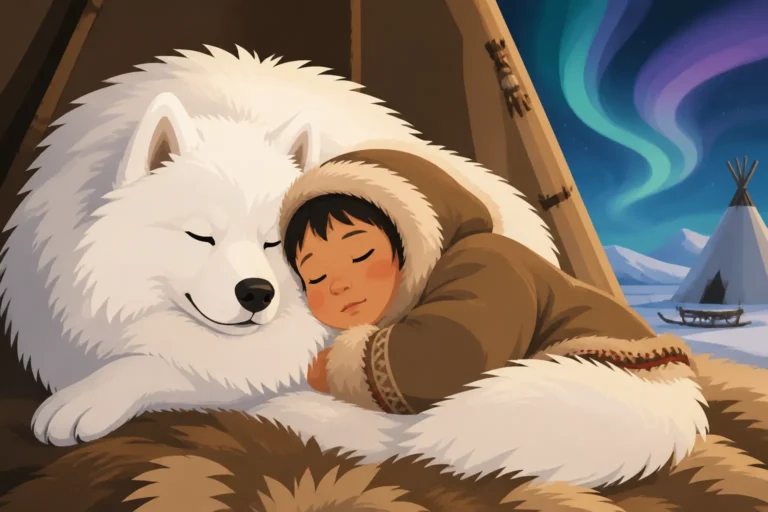
Beyond their practical uses, Samoyeds held a unique social and cultural position within the nomadic tribes. They often slept inside the chum (tent) with the families, not merely for warmth, but as part of the family unit. The Samoyed Slept in the Tent to Keep People Alive is more than just a charming anecdote; it speaks to the profound bond and mutual dependence between humans and dogs. This close proximity fostered a gentle, trusting temperament in the dogs, a trait still characteristic of the breed today.
This deep integration meant that dogs were not easily separated from their families. Any exchange or trade was a significant event, often involving animals that were highly valued for their lineage, temperament, and proven working abilities. It wasn't like trading a common commodity; it was more akin to exchanging a skilled laborer or a cherished family member, emphasizing the importance of these transactions. This personal connection surely influenced the careful selection and exchange of breeding stock among different family groups and tribes, ensuring the continuation of strong, healthy working lines.
The Mechanisms and Motivations Behind Tribal Dog Trade
The concept of "trade" among ancient nomadic tribes wasn't always a formalized market with currency and receipts. It was often interwoven with social alliances, gift-giving, and practical necessities, reflecting a communal survival strategy rather than pure economic gain. However, the exchange of valuable animals like Samoyeds was undoubtedly a deliberate and important part of these interactions.
Barter and Alliance-Building
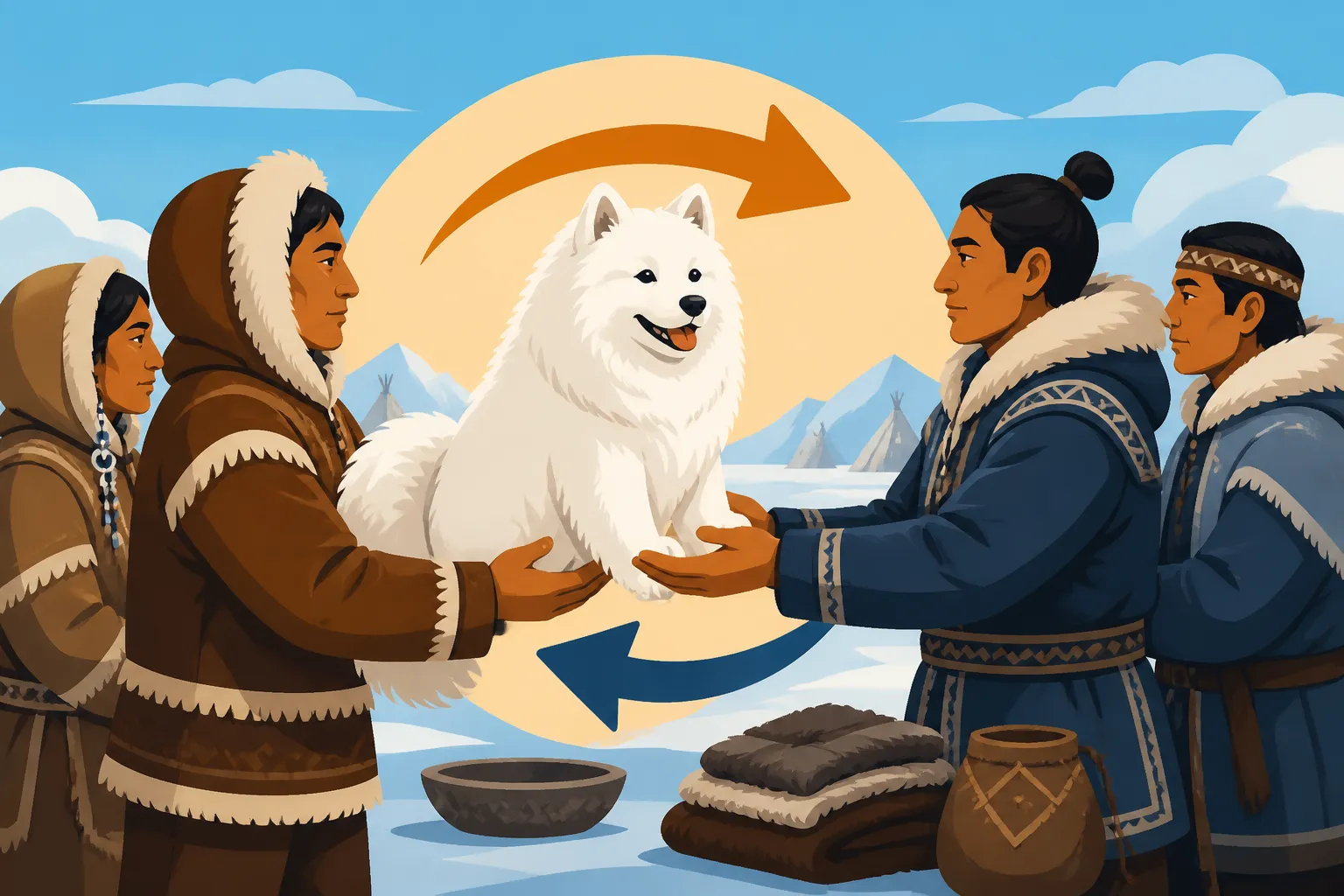
In a world without standardized currency, trade relied heavily on barter. A tribe with an abundance of exceptional puppies might trade them for rare furs, tools, or even vital resources like salt or iron, which might be scarce in their own territory. Imagine a scenario where one Nenets family had a particularly strong working male Samoyed, renowned for his ability to handle even the most stubborn reindeer, and another family, perhaps struggling with their herd, sought his progeny. The exchange wouldn't just be for the pup; it might solidify an alliance, promising mutual aid in times of need or future cooperation in hunting expeditions.
Dogs also facilitated inter-tribal marriages, where a valuable breeding pair of Samoyeds might be part of a dowry or a gift exchanged to strengthen ties between families or even distinct tribal groups. This wasn't just about obtaining new bloodlines for the dogs; it was about knitting together the social fabric of larger communities, ensuring survival for everyone in the harsh Arctic conditions. These bonds, cemented by the exchange of such treasured animals, were crucial for long-term peace and mutual support.
Seasonal Gatherings and Trade Routes
While daily life for nomadic peoples involved constant movement, there were often traditional seasonal gathering points. These could be rich hunting grounds, fishing spots, or areas with specific resources. These gatherings naturally became hubs for social interaction, storytelling, and, crucially, trade. Here, different groups, perhaps even distant ones, would meet and exchange goods, knowledge, and animals.
The dogs traveled with their people, often pulling their meager possessions, so their presence at these hubs was a given. It was at these junctures that a particularly promising puppy, or a proven breeding dog, might catch the eye of another tribe leader. Such exchanges would have been carefully negotiated, considering the dog’s lineage, its parents' working ability, and its potential contribution to the recipient tribe's welfare. Think of it as an ancient, informal trade fair, where the most robust and intelligent Samoyeds were showcased and exchanged, helping to propagate strong genetic lines across wider regions. This helped maintain genetic diversity and prevent inbreeding within smaller, isolated groups.
The Value Proposition: Why Samoyeds Were Traded
Samoyeds weren't traded indiscriminately. Their value was intrinsically linked to their utility and genetic qualities. A dog that could perform multiple tasks — herding, guarding, pulling, and even providing warmth — was far more valuable than one specializing in a single function. This multi-purpose capability made them incredibly desirable.
| Samoyed Trait | Value in Tribal Exchange | Implication for Breed Development |
|---|---|---|
| Herding Instinct | Essential for managing reindeer herds | Strong selection pressure for natural herding ability and intelligence |
| Pulling Power | Transporting supplies, people | Favoring sturdy build, endurance, and willing temperament |
| Protective Nature | Guarding against predators | Encouraged alert dogs, but not overly aggressive |
| Double Coat | Insulation against extreme cold | Prioritized dense, functional coats; less focus on specific color |
| Temperament | Coexistence in close quarters | Selection for gentle, trustworthy, family-oriented dogs |
| Health & Durability | Longevity and resilience in harsh conditions | Only the fittest survived and reproduced; health was paramount |
This table highlights how the practical needs of the tribes directly influenced which Samoyeds were deemed most valuable for trade, thus shaping the breed's characteristics over millennia. A dog like the Samoyed, celebrated for its robust health and adaptability, became a highly sought-after commodity. If you're looking to provide the best for your own Samoyed today, a site like Chewy offers many products to support these same traits, from nutritious foods that fuel their activity to supplements for joint health.
The Enduring Legacy of Ancient Exchanges
The way Samoyeds were traded between tribes had profound and lasting effects on the breed as we know it today. These ancient practices were, in essence, an early form of selective breeding, ensuring that only the most fit, functional, and well-tempered dogs continued the lines.
Shaping the Samoyed Gene Pool
The consistent exchange of dogs among different tribal groups helped prevent genetic isolation and inbreeding. While specific family lines would have been recognized and valued, the broader network of trade meant that genetic material was periodically refreshed. This promoted a relatively diverse gene pool, crucial for maintaining the breed's overall health and vigor. It also meant that desirable traits, such as strong herding instincts or a thick, insulating coat, could spread more widely across the vast Siberian landscape. What the Samoyed's DNA Says About Its Ancestry can offer deeper insights into these ancient lineages.
Contrast this with what might happen in a small, isolated breeding population without such exchanges; genetic problems can quickly become prevalent. The fluidity of ancient tribal trade provided a natural safeguard, allowing the Samoyed breed to develop a robust foundation that continues to serve it well today.
Reinforcing Desirable Traits
Because these dogs were so vital for survival, the selection pressures were immense. A lazy dog, a sickly dog, or an aggressive dog simply wouldn't have been tolerated, much less traded for. Only the most intelligent, cooperative, hardy, and good-natured individuals were kept and bred. This rigorous, natural selection reinforced the very characteristics we admire in Samoyeds today: their intelligence, their resilience, their friendly demeanor, and their unwavering loyalty.
Every puppy that was exchanged was implicitly judged on the potential to contribute to the receiving tribe's well-being. This intense practical selection meant that the Samoyed’s famous "smile" isn't just a charming quirk, but a reflection of a deeply ingrained, non-aggressive temperament, essential for a dog living and working in such close quarters with humans and their livestock. This historical foundation is why even today, Samoyeds are known for their generally gregarious nature.
Influence on Modern Breeding Practices
While modern Samoyed breeding involves pedigrees, health testing, and breed standards far removed from ancient tribal exchanges, the spirit of selective breeding for health and function remains. Responsible breeders today still prioritize health, temperament, and adherence to the working heritage of the breed. They look for strong, healthy animals that can continue the tradition of being excellent companions and capable workers.
The lineage of our modern Samoyeds can be traced back through the foundational dogs brought out of Siberia by polar explorers in the late 19th and early 20th centuries. These expedition dogs were themselves products of the very tribal exchanges and selective breeding processes we've discussed. How Polar Explorers Took Samoyeds Out of Siberia details this transition. When you consider a comprehensive selection of supplies for a Samoyed, from specialized food to durable toys, you might find many options on Chewy that cater to the needs of a breed whose ancestors faced such demanding lives. Understanding this history helps us appreciate the care and consideration that went into developing this incredible breed over thousands of years, a legacy that continues to impact breeding choices and ownership responsibilities today.
Disclaimer
This article is for general informational purposes only and does not constitute professional advice. Laws, prices and regulations vary by location and change over time. Consult a qualified professional for guidance on your specific situation.