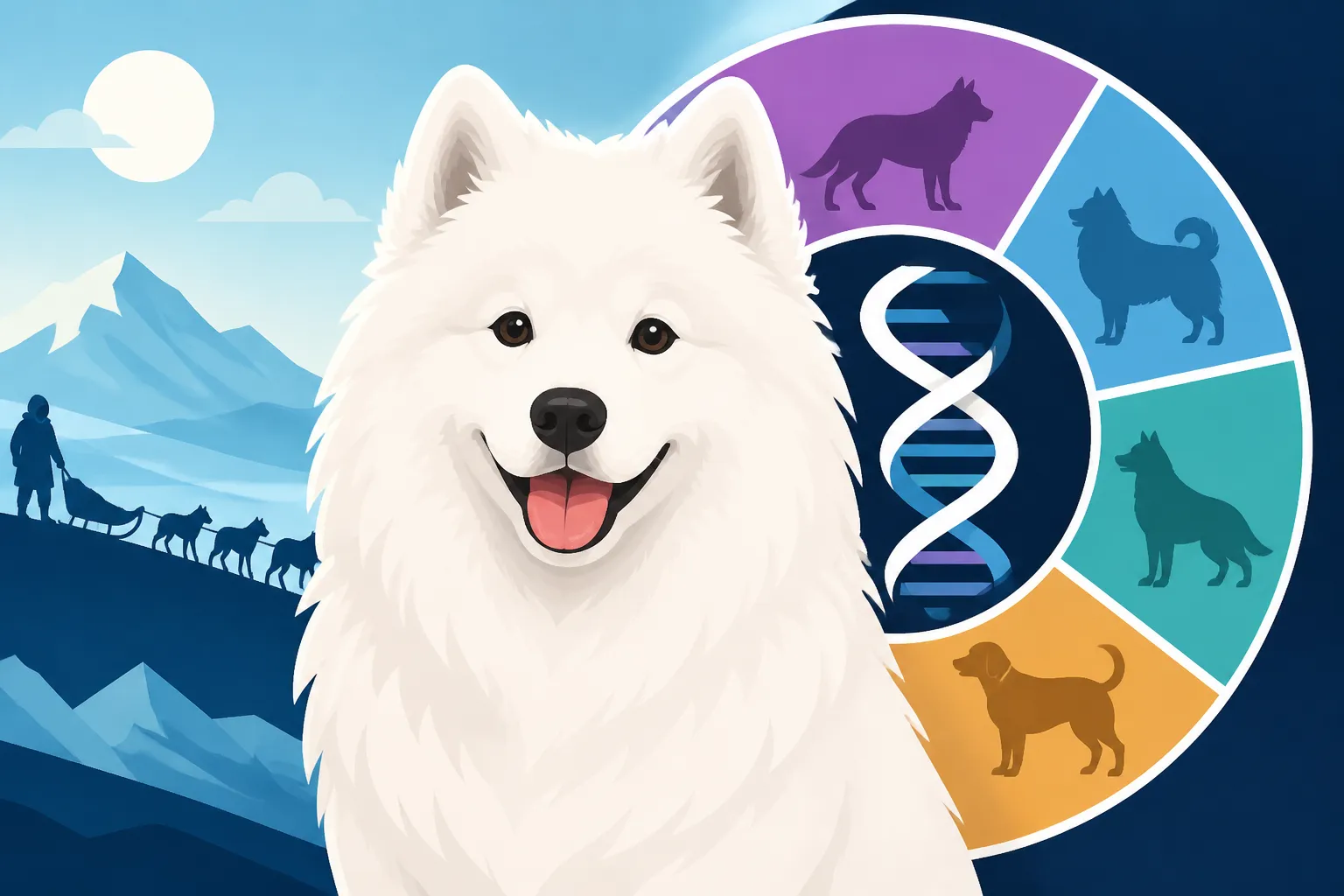
What the Samoyed’s DNA Says About Its Ancestry
Have you ever looked at your fluffy Samoyed, a creature of pure joy and boundless energy, and wondered about their ancient past? It’s completely natural to feel that spark of curiosity! Many Samoyed owners are fascinated by the breed's deep roots, especially with all the talk about DNA and ancestry these days, trying to understand what makes these beautiful dogs so unique. This guide dives into what the Samoyed's DNA reveals about its ancestry, helping you understand where that smiling, snow-loving companion truly comes from and the incredible journey their genetics tell.
The Ancient Roots of the Samoyed: A Peek into Deep History
When we talk about the Samoyed, we're not just discussing another dog breed; we're stepping back into millennia of history. Their genetic profile points to an incredibly ancient lineage, marking them as one of the fundamental "basal" breeds, meaning their ancestors diverged from the wolf population very early on in the history of dog domestication. This isn't just a fun fact; it explains so much about their hardy nature, their innate intelligence, and their often-independent spirit. These are not dogs cooked up in a lab or refined over a mere few centuries; they carry the echoes of a truly primal past.
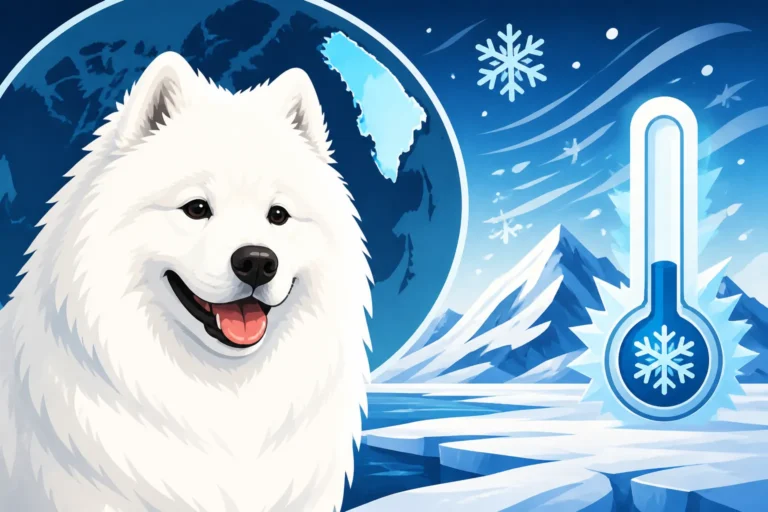
Imagine a time when dogs were first learning to live alongside humans. The Samoyed's ancestors were there, evolving in tandem with nomadic tribes in some of the harshest environments on Earth. This deep history is why you’ll often hear Samoyeds described as a "primitive" breed – they haven't been as extensively hybridized or selectively bred for highly specialized, modern roles like many other breeds. Their DNA is a testament to this enduring legacy, a living link to canids that roamed the frozen tundras long before written history. It’s a remarkable thought that the furry friend curled at your feet has such an unbroken connection to antiquity, truly earning their place among the most ancient canine companions. If you're curious to dive deeper into this fascinating timeline, exploring How Old the Samoyed Breed Really Is can give you even more context about their remarkable longevity in canine history.
Unraveling the Wolf Connection: How Samoyed DNA Compares
One of the most common questions people have when discussing ancient dog breeds is about their connection to wolves. It’s easy to look at a powerful, independent breed like the Samoyed and assume they’re practically half-wolf, but the reality, as revealed by DNA, is a bit more nuanced and incredibly interesting. While all domestic dogs, including Samoyeds, ultimately share an ancestry with wolves, the Samoyed's genetic signature points to a divergence from ancient wolf populations that happened thousands upon thousands of years ago, not a recent or direct hybridization with modern wolves.
What this means is that your Samoyed isn't a wolf-dog hybrid in the modern sense; rather, they are a descendant of those very early canids that started forming a partnership with humans. Their DNA shows a genetic closeness to specific ancient wolf lines that were prevalent in Eurasia, rather than sharing many recent markers with wolves you might find in the wild today. This sets them apart from breeds that have more recent crosses or a less ancient domestication history. It's truly fascinating to see how the geneticists have pieced together this puzzle, showing us that these dogs have been partners with humans for so long that their genetic path veered off the wolf's long, long ago. For a deeper understanding of this incredible connection, check out How Closely the Samoyed Is Related to the Wolf. This deep, ancient link is part of why Samoyeds often retain certain instincts and behaviors that harken back to their primitive roots, making them uniquely captivating companions.
Siberian Nomads and Their Loyal Companions: The Nenet Influence
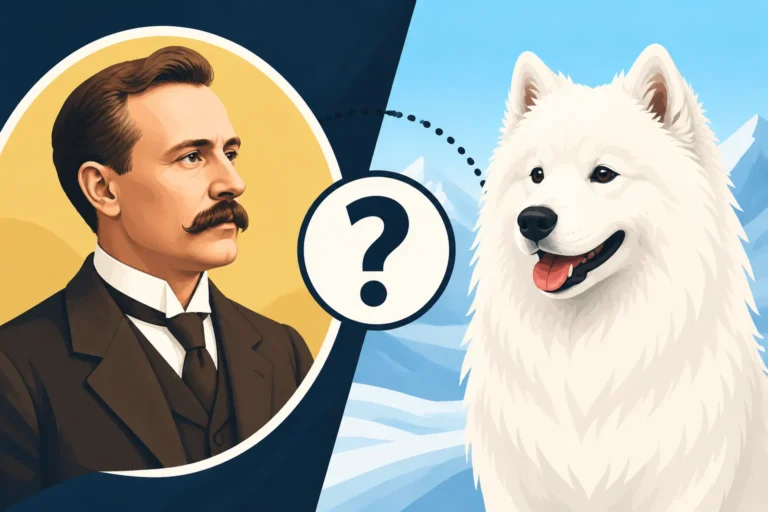
The story of the Samoyed’s DNA isn't just about ancient wolves; it's intricately woven with the lives of the indigenous nomadic peoples of Siberia, particularly the Nenets. These resilient people, facing some of the harshest climates on Earth, forged an unbreakable bond with their dogs. And the Samoyed’s DNA, alongside historical and archaeological evidence, paints a vivid picture of this symbiotic relationship, confirming that these dogs were not just pets, but essential partners in survival.
The genetic markers found in modern Samoyeds consistently link back to the working dogs of these Siberian tribes. Their DNA tells us that selective breeding, though not in the formal show-ring sense, was absolutely taking place for specific traits: a dense, insulating coat, incredible stamina, a biddable yet intelligent temperament, and an uncanny ability to herd reindeer. These dogs protected the herds from predators, pulled sleds laden with belongings, and most remarkably, slept inside the tents with the families, providing crucial warmth in sub-zero temperatures. Their DNA is a living blueprint of these roles, reflecting thousands of years of adaptation and close companionship. To learn more about this incredible heritage, you can explore The Nenets of the Yamal Peninsula Bred the Samoyed and What the Nenets Bred the Samoyed to Do. The very structure of their coat, the curl of their tail, and that characteristic "Samoyed smile" are all genetic adaptations honed over generations by the demanding environment and the specific needs of their human partners. This ancient partnership, where the dogs literally helped keep people alive, is deeply embedded in their genetic code and continues to influence the Samoyed we know and love today.
| Trait/Function | Genetic Advantage for Arctic Survival | Nenet/Historical Context |
|---|---|---|
| Double Coat | Dense undercoat, long guard hairs for insulation | Protection against extreme cold (-60F), snow, and wind. |
| Endurance/Stamina | Efficient metabolism, strong musculoskeletal system | Long-distance travel, sled pulling, continuous herding work. |
| Herding Instinct | Specific genetic markers for herding behaviors | Keeping reindeer herds together, preventing scattering. |
| Companion Temperament | Genes for social bonding, low aggression | Living closely with families in tents, trustworthiness. |
| "Samoyed Smile" | Upward curving mouth for drool prevention | Prevents ice from forming on lips/muzzle in freezing temps. |
Modern Samoyeds: Genetic Diversity and Health Considerations
The journey of the Samoyed from the remote Siberian tundras to our modern homes has been nothing short of extraordinary. However, this transition, especially during the establishment of the breed in the Western world, often involved a relatively small number of foundation dogs. This phenomenon can lead to what’s known as a "genetic bottleneck," where the overall genetic diversity of the breed can become somewhat narrower. This is a common challenge for many purebred dogs, and it means that certain genetic predispositions, both good and bad, can become more concentrated within the breed.
Understanding this aspect of their ancestry is crucial for responsible ownership and breeding today. A narrower gene pool means there’s a heightened importance for breeders to be diligent about health testing and for owners to be aware of breed-specific conditions. For example, conditions like Samoyed Hereditary Glomerulopathy (a kidney disease) are tied to specific genetic markers that breeders actively screen for. This is where modern advancements in canine DNA testing become invaluable. Many dedicated Samoyed owners, wanting to be proactive about their dog's health or simply curious to trace their unique genetic lineage, turn to reputable DNA testing kits. These comprehensive tests, often available through online pet retailers like Chewy, can provide a wealth of information about breed identification, potential genetic health risks, and even insights into behavioral predispositions.
While you might pick up specialized diets or supplements from Chewy to support your Samoyed's general health, understanding their genetic blueprint through these tests offers a deeper layer of care. It empowers owners to make informed decisions about their dog's diet, exercise, and preventative healthcare in consultation with their veterinarian. Furthermore, knowing about potential genetic predispositions helps track emerging health issues. For breeders, this information is critical for making wise pairing decisions, aiming to maintain and improve the breed's overall health and genetic diversity. In fact, many responsible breeders will readily share results from tests like The COL4A5 Test Every Samoyed Buyer Should Ask About and will ensure that all breeding stock undergoes The Health Tests Both Samoyed Parents Should Have. It's a testament to the dedication of the Samoyed community that we continue to leverage science to protect and cherish this ancient, magnificent breed.
Disclaimer
This article is for general informational purposes only and does not constitute professional advice. Laws, prices and regulations vary by location and change over time. Consult a qualified professional for guidance on your specific situation.